Source Sustainable Quick-Dry Tea Towel and Kitchen Set for cleaning, drying, and decor
Find 30 options for a Sustainable Quick-Dry Tea Towel and Kitchen Set designed for home use. Compare woven cotton towels with high absorbency, customizable sizes, and eco-friendly features to meet your sourcing needs.
Key considerations
Products List
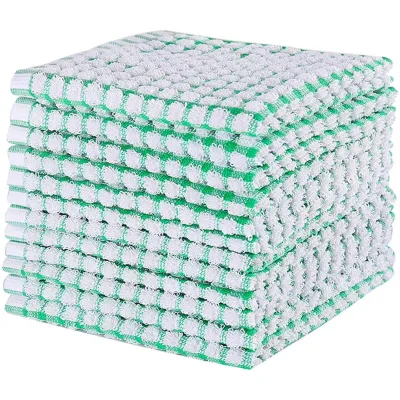


Luxury Absorbent Soft and Durable Tea Towels Set for Efficient Dish Drying
$0.50 - $1.00
MOQ: 200 Pieces


Plain Tea Towels Sets for Cooking Baking Wholesale Bulk Kitchen Towel Set
$0.50 - $1.00
MOQ: 200 Pieces
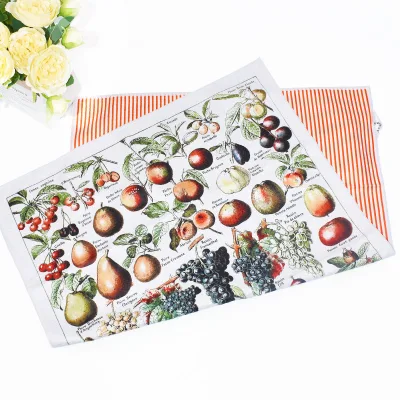


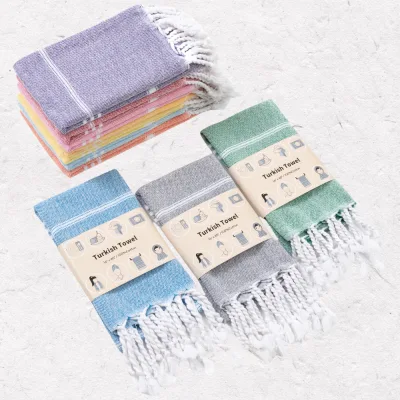
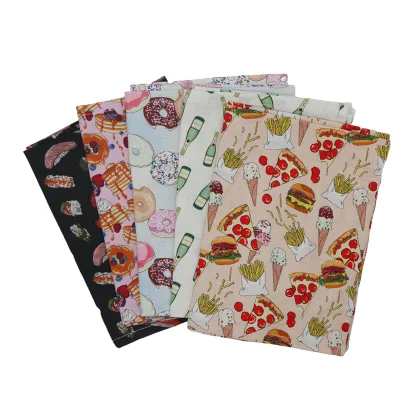
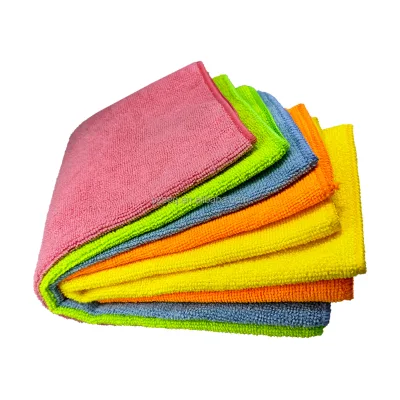


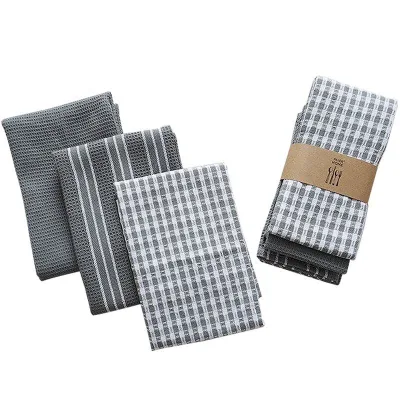
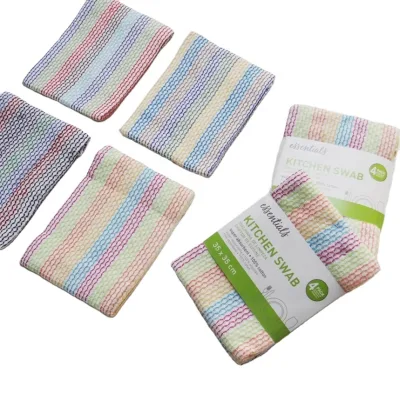


Customised High Quality Tea Towel Reusable Quick-Drying Kitchen Hand Towels
$1.70 - $2.80
MOQ: 200 Pieces

High Absorbent Waffle Kitchen Towel Set Cotton Waffle Weave Drying Towel
$0.55 - $0.70
MOQ: 200 Pieces
Comprehensive Sourcing Guide
Sustainable Quick-Dry Tea Towel and Kitchen Set Sourcing Guide
Sourcing sustainable quick-dry tea towels and kitchen sets requires a nuanced understanding of material science, manufacturing techniques, and commercial logistics. Buyers must navigate the intersection of eco-conscious marketing claims with verifiable textile performance metrics. The following guide provides evidence-based procurement strategies for sourcing these items, focusing on the specific attributes observed in current market listings and established industry standards for kitchen textiles.
Product Scope and Observed Listing Signals
The current market for kitchen cleaning textiles is dominated by cotton-based products that emphasize high absorbency and reusability. Observed listings indicate a strong preference for woven cotton towels, with specific model numbers such as ES0807 and TPKT0804-1407 appearing frequently. These products are typically categorized under multi-purpose cleaning kitchen towels, dishcloths, or tea towels, often featuring solid colors, stripes, or cartoon patterns. The material composition is consistently reported as cotton, with a GSM (grams per square meter) that is customizable, allowing buyers to tailor the weight and thickness to their specific durability and absorbency requirements.
Commercial signals suggest a flexible supply chain capable of handling both small sample orders and large bulk purchases. The observed minimum order quantity (MOQ) ranges from 20 to 10,000 units, indicating that suppliers are equipped to serve both niche boutique brands and large-scale retail distributors. Pricing in the observed range spans from $0.15 to $5.80 USD, reflecting significant variation based on size, GSM, packaging complexity, and customization levels. Products are typically packed in OPP bags or woven bags within cartons, with single package dimensions often cited around 40x30x0.2 cm, though actual product sizes vary from 30x30cm to larger formats like 39x69cm or 60x60cm.
Technical Specifications to Verify
When evaluating technical specifications, buyers must prioritize the verification of fabric construction and dimensional accuracy. The observed products utilize woven techniques, including machine weaving, which contributes to the structural integrity and water absorption capabilities of the towel. It is critical to verify the GSM, as this metric directly correlates with the towel’s absorbency level and drying speed. Higher GSM values generally indicate a thicker, more absorbent towel, while lower GSM values may offer faster drying times but reduced durability. Buyers should request physical samples to test the "super strong water absorption" claims, ensuring the cotton weave effectively wicks moisture without retaining odors.
Dimensional consistency and edge finishing are also key technical factors that impact product quality and user experience. The observed listings highlight hemmed edges, which prevent fraying and extend the lifespan of the towel during repeated washing cycles. Sizes vary significantly, with common dimensions including 30x30cm, 28x40cm, and 30x60cm. Buyers must confirm that the final product matches the ordered specifications, as discrepancies in size can affect packaging logistics and retail display. Additionally, the "non-waterproof" attribute is standard for these items, meaning they are designed for absorption rather than repelling liquids, which aligns with their intended use in kitchen cleaning and drying tasks.
Compliance and Safety Documentation
While specific certification statuses such as OEKO-TEX or BSCI are mentioned in background data, buyers must independently verify the current compliance status of any supplier. For kitchen textiles, particularly those marketed as eco-friendly or for food-adjacent use, it is essential to confirm that the cotton and any dyes used are free from harmful substances. Buyers should request test reports from accredited laboratories to ensure that the products meet relevant safety standards for textile safety, including limits on formaldehyde, pH levels, and colorfastness. This verification is crucial for maintaining brand integrity and ensuring consumer safety, especially when products are used for drying dishes or handling food surfaces.
Environmental claims, such as "eco-friendly," require substantiation through verifiable documentation. Buyers should inquire about the sourcing of the cotton, whether it is organic, recycled, or sustainably grown, and request relevant certifications if these claims are central to the product’s value proposition. Additionally, the manufacturing process should be evaluated for environmental impact, including water usage and chemical discharge. Although specific standards like GOTS are noted in background information, their applicability must be confirmed on a case-by-case basis. Buyers should not assume compliance based on marketing language alone but must demand transparent supply chain documentation to support sustainability assertions.
Cost Drivers and Commercial Terms
Several factors influence the final cost of sustainable quick-dry tea towels and kitchen sets, with material quality, customization, and packaging being primary drivers. The GSM of the cotton, the complexity of the weave, and the type of dyeing process used all contribute to the base cost. Customization options, such as private labeling with customer logos, specific color selections, and unique packaging designs, add to the production expenses. Buyers should negotiate clearly on these variables, understanding that higher levels of customization typically result in higher unit costs and potentially longer lead times.
Commercial terms, including MOQs and payment structures, vary widely among suppliers. The observed MOQ range of 20 to 10,000 units allows for flexibility, but buyers should be aware that lower MOQs may come with higher per-unit prices. Payment terms should be structured to mitigate risk, with options such as partial upfront payment and balance upon shipment or inspection. Buyers should also consider the cost of samples, which are often available, to evaluate quality before committing to large orders. Clear communication regarding shipping terms, such as FOB or CIF, is essential to accurately calculate the total landed cost, including freight and duties.
Supplier Qualification and Quality Control
Selecting a reliable supplier involves rigorous due diligence beyond basic product specifications. Buyers should verify the supplier’s manufacturing capabilities, including their production capacity and quality control processes. Factories with established weaving and finishing lines are better equipped to maintain consistent quality across large orders. It is advisable to conduct factory audits or request third-party inspection reports to assess working conditions, environmental practices, and overall operational efficiency. Suppliers located in regions like Hebei, China, should be evaluated for their logistical advantages and experience in exporting to the buyer’s target market.
Quality control measures must be integrated into the procurement process to ensure product consistency. Buyers should define clear acceptance criteria for defects, such as uneven weaving, color bleeding, or incorrect dimensions. Implementing a pre-shipment inspection (PSI) is recommended to catch any issues before the goods leave the factory. Additionally, establishing a clear communication channel for addressing quality disputes is crucial. Buyers should request detailed production timelines and regular updates to monitor progress and identify potential delays early in the process.
Long-Term Procurement Checks
Sustainable sourcing is an ongoing commitment that requires regular review and adjustment of supplier relationships. Buyers should periodically reassess supplier performance based on metrics such as on-time delivery, product quality consistency, and responsiveness to issues. Building a long-term partnership with a supplier who aligns with the buyer’s sustainability goals can lead to better pricing, priority production, and collaborative innovation in product design. Regular communication about market trends and consumer preferences can help suppliers adapt their offerings to meet evolving demands.
Continuous improvement in the supply chain is essential for maintaining competitiveness and compliance. Buyers should stay informed about changes in international trade regulations, environmental standards, and labor laws that may impact sourcing decisions. Engaging in regular performance reviews with suppliers can identify areas for improvement, such as reducing waste or enhancing energy efficiency in production. By maintaining a proactive approach to supplier management, buyers can ensure a resilient and ethical supply chain that supports their brand’s long-term success and sustainability objectives.
FAQs
What materials are used for these kitchen towels?
The kitchen towels are made from cotton, providing a soft and durable surface for daily use. This material choice ensures high absorbency, making them ideal for drying dishes and countertops. The woven technics further enhance their strength and longevity, allowing for repeated washing without losing effectiveness. This composition supports their role as reusable cleaning tools in the home.
Can I customize the logo on these tea towels?
Yes, customer logos are available for customization on these tea towels. This service allows businesses to brand their kitchen sets effectively. The customization is supported by the product's design flexibility, which also includes selectable colors and patterns. Buyers can work with suppliers to apply their branding, ensuring the final product aligns with their corporate identity or specific marketing needs.
What are the available sizes for these dishcloths?
The available sizes include 30x30cm, 28x40cm, 28x38cm, and 39x69cm. These dimensions cater to various kitchen tasks, from small wiping jobs to larger drying needs. The single package size is listed as 40x30x0.2 cm, indicating compact storage when packed. Buyers can select the specific size that best fits their operational requirements or retail offerings.
How strong is the water absorption of these towels?
These towels feature super strong water absorption, a key advantage for kitchen cleaning. The cotton material and woven technics work together to quickly soak up liquids. This high absorbency level makes them efficient for drying wet dishes, counters, and hands. The design ensures that moisture is retained effectively, reducing the need for multiple wipes during cleaning tasks.
What is the minimum order quantity for these products?
The minimum order quantity ranges from 20 to 10,000 units, depending on the supplier and specific product configuration. This flexibility allows both small buyers and large enterprises to place orders that suit their volume needs. The MOQ varies based on factors like customization requirements and packaging options. Buyers should confirm the exact MOQ with their chosen supplier during the sourcing process.
Are these towels waterproof or water-resistant?
No, these towels are not waterproof. They are designed to be highly absorbent, which is essential for their function as cleaning and drying tools. The cotton material allows water to pass through and be retained, rather than repelled. This characteristic makes them suitable for wiping spills and drying surfaces, distinguishing them from waterproof alternatives used for different purposes.