Source Suzuki Swift Transmission Speed Sensor for Repair, Maintenance, and Replacement
Find 30 verified listings for the Suzuki Swift Transmission Speed Sensor to compare prices, specifications, and supplier terms. Buyers can evaluate options from Guangdong and Zhejiang manufacturers offering ISO certifications and varying warranty periods.
Key considerations
Products List
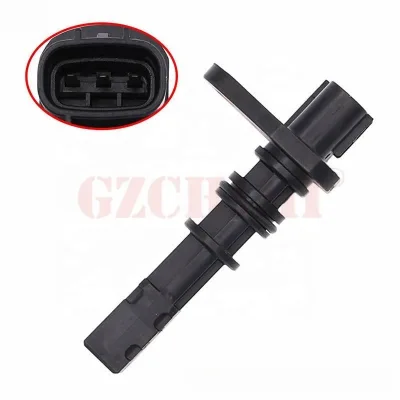
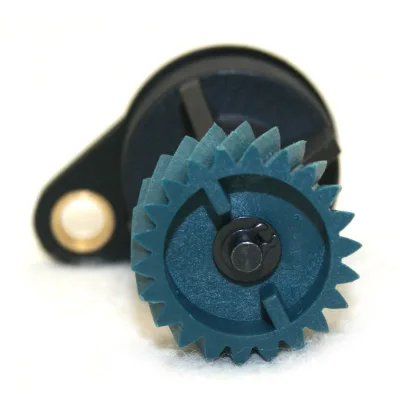


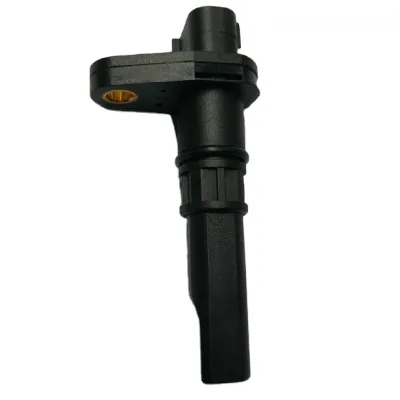
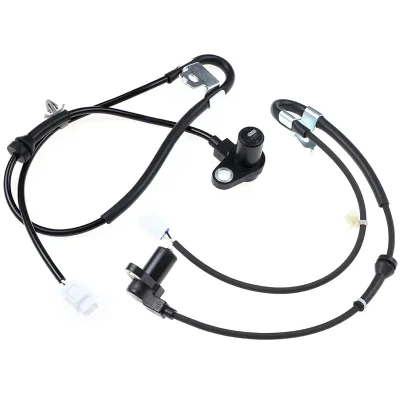


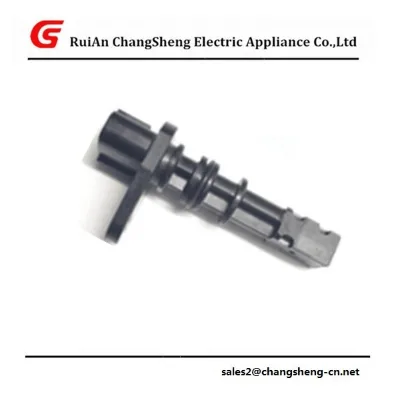
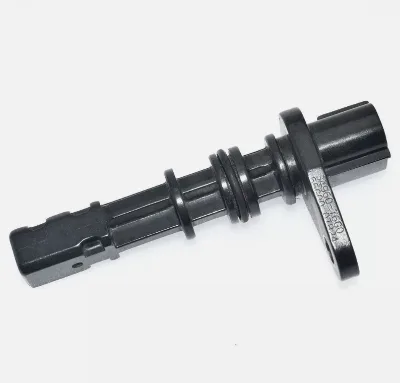
34960-76GA 3496076GA 34960-76G00 Black Speed Sensor Fit for Suzuki Swift
$8.00 - $15.00
MOQ: 100 pieces
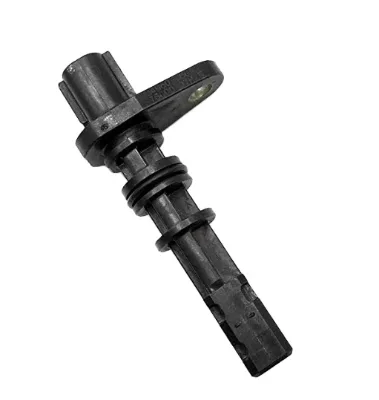
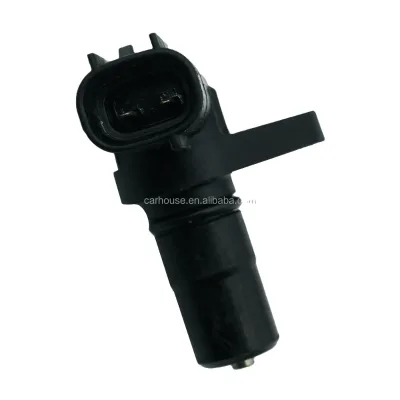
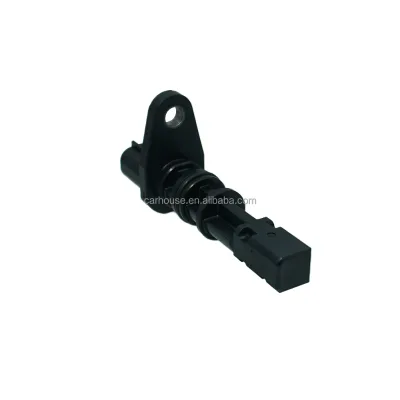
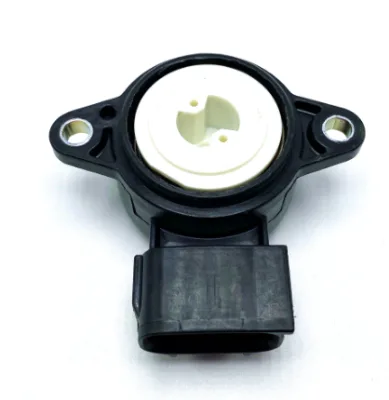


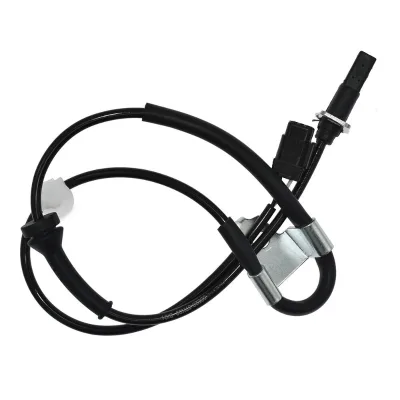
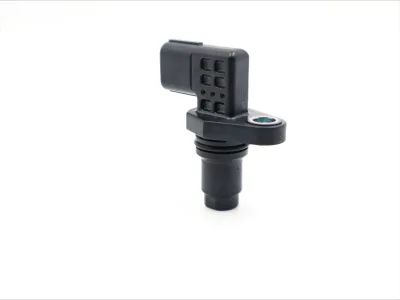
Comprehensive Sourcing Guide
Suzuki Swift Transmission Speed Sensor Sourcing Guide
Sourcing replacement components for the Suzuki Swift requires a disciplined approach to identifying parts that match the specific transmission architecture of your vehicle. The transmission speed sensor is a critical electronic component that monitors the rotational speed of the transmission output shaft, providing essential data to the vehicle’s transmission control module (TCM) and engine control unit (ECU). Accurate data from this sensor ensures proper shift timing, torque converter lockup, and overall transmission efficiency. When sourcing these parts, buyers must navigate a market flooded with generic listings, making it imperative to distinguish between high-quality aftermarket replacements and substandard components that may cause drivability issues or trigger check engine lights.
The procurement process for these sensors involves verifying compatibility across different model years and transmission types, as the Suzuki Swift has undergone several generations with varying electronic architectures. Buyers should prioritize suppliers who provide clear cross-reference numbers and original equipment (OE) part numbers to ensure a direct fit. This guide outlines the key considerations for sourcing Suzuki Swift transmission speed sensors, focusing on technical verification, supplier qualification, and commercial terms to help procurement teams make informed decisions that minimize risk and ensure long-term vehicle reliability.
Product Scope and Observed Listing Signals
The current market for Suzuki Swift transmission speed sensors presents a wide range of options, with observed listing prices varying significantly from low-cost entries to premium aftermarket solutions. Buyers should note that price alone is not a reliable indicator of quality, as some listings may include additional services or warranties that justify higher costs, while others may offer bare-bones components at competitive rates. The observed minimum order quantities (MOQ) range from single units to bulk orders of hundreds, allowing both individual repair shops and large fleet maintenance operations to find suitable purchasing terms. Understanding these market signals helps buyers align their procurement strategy with their specific volume requirements and budget constraints.
Product listings often include various attributes such as brand names, condition status, and packaging details that provide insight into the supplier’s professionalism. For instance, some suppliers offer neutral packing, which can be beneficial for private labeling or reducing packaging waste, while others may provide customized packaging solutions for specific client needs. The condition of the parts is typically listed as "New" or "Brand New," but buyers should verify this through supplier communication and request photos or certificates of origin if necessary. Additionally, the presence of reference numbers and OE part numbers in the listing is a strong indicator that the supplier has conducted proper cross-referencing, reducing the risk of ordering incorrect components.
Technical Specifications to Verify
Verifying the technical specifications of the transmission speed sensor is the most critical step in the sourcing process to ensure compatibility with the Suzuki Swift. Buyers must confirm the model number, such as 34960-74G10 or 34910-65D70, which are common OE numbers associated with Suzuki transmissions. These numbers serve as the primary identifier for the sensor’s physical dimensions, electrical connectors, and signal output type. It is essential to match these specifications precisely with the vehicle’s requirements, as even minor deviations in connector type or signal frequency can lead to installation failures or improper sensor function. Cross-referencing these OE numbers with the vehicle’s service manual or a reliable parts database is recommended to avoid errors.
In addition to the model number, buyers should verify the sensor’s output signal type, which is typically digital for modern Suzuki Swift models. The sensor’s physical size and package dimensions, such as 22x11x14 cm or 10x10x10 cm, are also important for logistics and storage planning, but more importantly, they indicate the sensor’s form factor and mounting requirements. The material composition, often metal for durability and heat resistance, should be confirmed to ensure the sensor can withstand the operating environment of the transmission. Buyers should also inquire about the sensor’s IP rating, although specific values may vary, to understand its resistance to dust and moisture, which is crucial for components located in the undercarriage of the vehicle.
Compliance and Safety Documentation
Compliance with international quality management standards is a key indicator of a supplier’s reliability and the consistency of their manufacturing processes. Many reputable suppliers of automotive sensors hold certifications such as ISO/TS16949 or ISO 9001, which demonstrate their commitment to quality control and continuous improvement. Buyers should request copies of these certificates to verify their validity and ensure they cover the specific product line being sourced. While certifications do not guarantee the quality of every individual part, they provide a framework for assessing the supplier’s overall capability to produce consistent, high-quality components that meet industry standards.
In addition to quality certifications, buyers should inquire about any additional compliance documentation, such as CE marking, which may be relevant for certain markets or regulatory requirements. Although CE certification is mentioned in some contexts, its applicability to automotive sensors can vary, and buyers should clarify with the supplier whether it is necessary for their specific use case. It is also important to verify that the sensors do not contain restricted substances in accordance with environmental regulations, such as RoHS, if applicable. Ensuring compliance with these standards not only mitigates legal risks but also enhances the supplier’s reputation and the end-user’s confidence in the product’s safety and environmental impact.
Cost Drivers and Commercial Terms
The total cost of ownership for transmission speed sensors includes not only the unit price but also shipping, handling, and potential warranty claims. Buyers should analyze the cost structure by considering the MOQ, which can range from 2 pieces to 500 pieces, and how it affects the per-unit price. Larger orders often benefit from economies of scale, resulting in lower unit costs, but they also require greater storage capacity and capital investment. Suppliers may offer tiered pricing based on volume, so buyers should negotiate terms that align with their forecasted demand to optimize cost efficiency without overstocking.
Commercial terms such as payment methods, delivery times, and warranty periods are also significant cost drivers. Common payment methods include T/T and Western Union, and buyers should assess the security and convenience of these options. Delivery times typically range from 7 to 35 days, depending on the supplier’s location and production schedule, with some suppliers offering expedited shipping for urgent orders. Warranty periods, often 12 to 24 months, provide a safety net against defects, but buyers should clarify the terms and conditions, including the process for returns and replacements. Understanding these commercial terms helps buyers plan their cash flow and inventory management more effectively.
Supplier Qualification and Quality Control
Supplier qualification is a multi-step process that involves evaluating the supplier’s manufacturing capabilities, quality control systems, and track record. Buyers should request detailed information about the supplier’s production process, including whether they use integration techniques to ensure component consistency. The presence of a "100% Tested" claim is a positive indicator, but buyers should verify this by asking for test reports or quality control procedures. Suppliers who are transparent about their testing methods and have a robust quality management system are more likely to deliver reliable products that meet the buyer’s specifications.
In addition to technical qualifications, buyers should assess the supplier’s customer service and communication capabilities. A supplier who responds promptly to inquiries, provides accurate product information, and offers support during the ordering process is more likely to be a reliable partner. Buyers should also check for any negative feedback or complaints from previous customers, which can provide insights into potential issues with product quality or service. Establishing a strong relationship with a qualified supplier can lead to better pricing, priority service, and improved collaboration on future projects, making supplier qualification a critical investment in the long-term success of the procurement process.
Long-Term Procurement Checks
Long-term procurement success depends on regular performance reviews and continuous improvement initiatives. Buyers should establish key performance indicators (KPIs) to monitor supplier performance, such as on-time delivery rates, defect rates, and response times to issues. Regular audits or site visits, if feasible, can provide deeper insights into the supplier’s operations and identify areas for improvement. By maintaining a proactive approach to supplier management, buyers can address potential problems before they escalate and ensure a steady supply of high-quality components.
Additionally, buyers should stay informed about industry trends and technological advancements in sensor technology. As vehicles become more complex, the requirements for speed sensors may evolve, necessitating updates to sourcing strategies. Building a diverse supplier base can mitigate risks associated with single-source dependencies and provide flexibility in responding to market changes. By continuously evaluating and adapting their procurement practices, buyers can ensure that they remain competitive and resilient in the face of evolving supply chain dynamics.
FAQs
What is the warranty period for the transmission speed sensor?
The warranty period is 12 months for the Suzuki model and 24 months for the neutral safety switch variant. Buyers should verify the specific product model number to confirm the applicable warranty duration before placing an order.
Which certifications do the sensors hold?
The products hold ISO/TS16949 and ISO certifications. These standards indicate that the manufacturing processes meet specific quality management requirements for the automotive industry, ensuring reliability for the transmission speed sensor applications.
Can I order a single item of this sensor?
Yes, you can order a single item as the selling unit is listed as a single item. However, the minimum order quantity is typically 2 pieces for the transmission speed sensor and 10 pieces for the neutral safety switch variant.
Where are these sensors manufactured?
The sensors are manufactured in Guangdong and Zhejiang, China. This location information helps buyers assess shipping logistics and potential lead times when sourcing these automotive electrical system components for replacement or repair purposes.
What is the delivery time for these parts?
The delivery time ranges from 7 to 35 days depending on the specific product and shipping method. Buyers can choose from air, land, sea, or express shipping options to meet their specific project timelines and urgency requirements.
What is the minimum order quantity for these sensors?
The minimum order quantity varies by product, starting at 2 pieces for the transmission speed sensor and 10 pieces for the neutral safety switch. Buyers must meet these thresholds to proceed with the purchase of these automotive parts.
Are these sensors compatible with Suzuki vehicles?
Yes, the transmission speed sensor is explicitly designed for Suzuki vehicles. The product specifications list the car make as Suzuki, ensuring compatibility with models requiring the specific OE number 34960-74G10 or similar reference numbers.