Find SUV Hybrid Electric Vehicle for Delivery, Transit, and Commuting
Source 30 SUV Hybrid Electric Vehicle options with varying specifications including AWD, RAV4, and ID.4 models. Buyers can compare energy types, battery capacity, and motor power to select suitable units for logistics or personal transport.
Key considerations
Products List

Hot Sale Vehicle SUV Gasoline Car China Electric Hybrid Cars Petrol Car Electric Vehicle
$9999.00 - $14500.00
MOQ: 1 Pieces

High Quality SUV China Cheap Used Car Hybrid Cars Gasoline Vehicle Electric Car
$9999.00 - $14500.00
MOQ: 1 Pieces

High Quality SUV China Electric Car Hybrid Cars 5-Seat Gasoline Vehicle Used Car
$9999.00 - $14500.00
MOQ: 1 Pieces

Electric Vehicles Car High Speed Electric Cars EV Car SUV Electric Car
$29300.00 - $29500.00
MOQ: 1 Pieces

SUV Electric Car High Speed Electric Cars E Auto Electric Vehicles Car
$29300.00 - $29500.00
MOQ: 1 Pieces


Fast Electric SUV Cheap Electric Vehicles Electric Automobile Car Electric Motors Vehicles
$29300.00 - $29500.00
MOQ: 1 Pieces

EV Car Cheap Electric Vehicles Electric Automobile Car Electric Motors Vehicles
$30700.00 - $31300.00
MOQ: 1 Pieces

Automobile Electric Vehicles Family Car Luxury Car in Electric Version New Cars
$29780.00 - $29980.00
MOQ: 1 Pieces


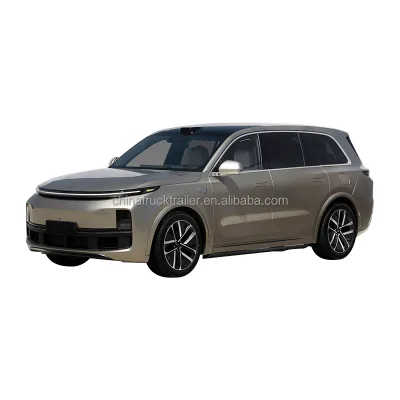
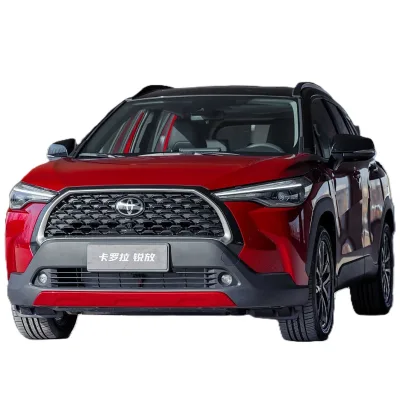
Cross 5-door 5-seat Compact SUV 2024 Model 2.0L New Car Hybrid High Power High Mileage
$18600.00 - $20000.00
MOQ: 1 units
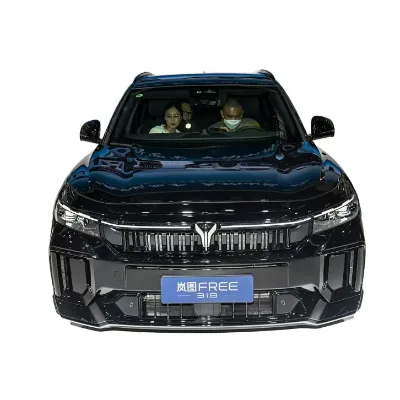


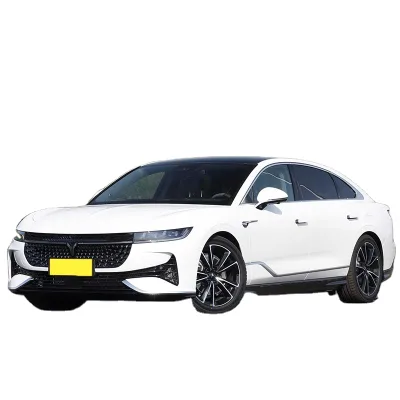

Luxury Electric Car Hybrid Vehicle High Speed Gray MID-Size SUV 5 Doors 7 Seats
$32000.00 - $45000.00
MOQ: 1 Pieces


Factory Price SUV Euro VI B Hybrid Electric Vehicles with 5 Luxury Seats
$33500.00 - $35000.00
MOQ: 5 units

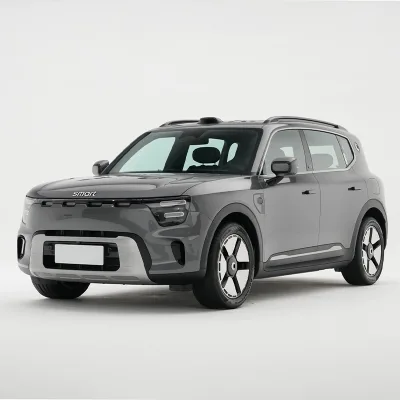
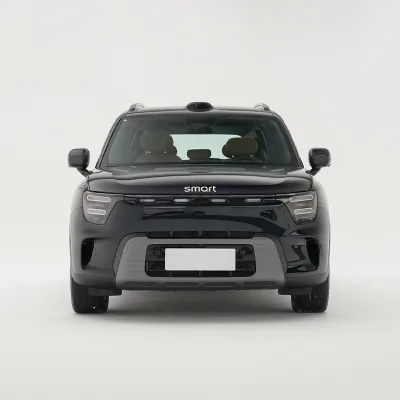

Comprehensive Sourcing Guide
Strategic Sourcing Guide for SUV Hybrid Electric Vehicles
The global automotive market has witnessed a significant shift toward electrification, with the SUV segment emerging as a primary driver for hybrid and electric vehicle (HEV) adoption. For B2B procurement professionals, sourcing these vehicles requires a nuanced understanding of technical specifications, regulatory compliance, and supply chain dynamics. This guide provides a structured approach to evaluating potential suppliers and products, focusing on the intersection of SUV body styles, hybrid powertrains, and electric mobility solutions. Buyers must navigate a complex landscape where attributes such as drive systems, battery capacity, and certification status vary significantly across different models and origins.
Technical Architecture and Powertrain Variability
When evaluating SUV hybrid electric vehicles, the first critical step is to analyze the underlying powertrain architecture. The market presents a diverse array of configurations, ranging from mild hybrids to full plug-in hybrids and pure electric vehicles (BEVs) that may be marketed under hybrid classifications due to their energy management systems. In the current supply context, observed data indicates a split between vehicles labeled as "Hybrid Car" and those specified as "Pure Electric" or "BEV."
A key differentiator is the energy type and drive configuration. Some units in the observed inventory are designated with an Energy Type of "Hybrid Car" and a Drive of "AWD" (All-Wheel Drive), while others are classified strictly as "BEV" with "Rear Drive" or "Front Drive" configurations. The displacement range for internal combustion components in hybrid units typically falls between 1600CC and 2500CC, suggesting a reliance on smaller, efficient engines paired with electric motors. Conversely, pure electric models often list a Maximum Motor Power of 150kw and a Maximum Torque of 310 N.M, utilizing a Single-Speed Transmission designed specifically for electric vehicles.
Battery technology is another paramount technical specification. The supply chain currently features vehicles equipped with Ternary Lithium Batteries, with observed capacities reaching up to 84.8kWh. This capacity correlates with a Max Cruising Range of approximately 550km, a benchmark that buyers should verify against their specific operational requirements. However, it is essential to note that not all listed products share these exact metrics; some units may have different range capabilities or battery chemistries. The braking systems also vary, with observations noting both Mechanical and Electromagnetic systems, which impacts maintenance protocols and energy regeneration efficiency.
Compliance, Certification, and Regulatory Standards
Navigating the regulatory landscape is a non-negotiable aspect of B2B procurement. Suppliers must provide verifiable documentation regarding product standards and certifications. In the observed market data, specific certifications such as CE are explicitly mentioned, indicating compliance with certain European safety and environmental directives. Additionally, management certifications like ISO are referenced, though the specific scope (e.g., ISO 9001 for quality management) should be confirmed directly with the supplier.
Product standards often include dimensional specifications that serve as proxies for regulatory compliance regarding vehicle size and safety. For instance, observed standard dimensions include measurements such as 475019211624mm and 459218521629mm. These figures are critical for logistics planning, warehouse storage, and ensuring the vehicle fits within the intended market's regulatory limits for vehicle dimensions. Buyers must verify that the "prod_standard" listed for a specific unit matches the regulatory requirements of the destination country.
Furthermore, the condition of the vehicle—whether "New" or "Used"—carries significant compliance implications. New vehicles typically come with full manufacturer warranties and unaltered certification status, whereas used units may have varying degrees of wear and potential gaps in service history. The "Condition" attribute is a primary filter for compliance, as used vehicles may require additional inspections to meet local roadworthiness standards.
Cost Drivers and Pricing Dynamics
The pricing structure for SUV hybrid electric vehicles is influenced by a multitude of factors, including battery capacity, motor power, and the vehicle's condition. The observed price range in the market spans from $1 to $67,600 USD. This vast disparity is not indicative of a single product line but rather reflects the diversity of the inventory, which includes everything from entry-level or partially assembled units to fully equipped, high-range models.
Several variables drive these costs. The battery capacity is a primary cost driver; a unit with an 84.8kWh battery will inherently cost more than one with a smaller capacity. Similarly, the Maximum Motor Power of 150kw and the associated torque output contribute to the final price. The "Body Style" and "Body Structure" also play a role; a 5-Door 5-Seater SUV with an open body type may be priced differently than a closed-body variant.
The "Condition" of the vehicle is another significant cost determinant. New vehicles command a premium due to warranty coverage and pristine condition, while used units are priced lower but may entail higher long-term maintenance costs. Buyers should be wary of extremely low prices, as they may indicate older models, damaged units, or vehicles with missing critical components. The "prod_packing" attribute, which ranges from "Naked" to "No" packing, also affects the final landed cost, as additional packaging and logistics expenses may be incurred if the vehicle is not pre-packed for export.
Typical Applications and Operational Use Cases
The versatility of SUV hybrid electric vehicles makes them suitable for a wide range of B2B applications. The "Body Structure" of 5-Door 5-Seater SUVs suggests a design optimized for passenger transport, making them ideal for corporate fleets, ride-sharing services, and executive transport. The "Max Speed" of 217km/h or 250km/h in some models indicates high-performance capabilities suitable for highway driving and long-distance logistics.
For urban environments, the "Cruise Control System" labeled as "Acc" (Adaptive Cruise Control) enhances safety and efficiency in stop-and-go traffic. The "Wheelbase" of 2765mm or 3400mm provides a balance between maneuverability and interior space, catering to both city delivery services and inter-city passenger transport. The "Tire Specification" of 225/60 R18 or 245/60 R18 further defines the vehicle's suitability for various road conditions, from paved urban streets to rougher terrain.
The "Drive Mode" and "Energy Type" are crucial for determining operational viability. A "Rear Drive" configuration may be preferred for specific traction needs, while "AWD" offers superior stability in adverse weather conditions. The "Max Cruising Range" of 550km allows for extended operations without frequent recharging, making these vehicles suitable for regional distribution and long-haul passenger services. However, buyers must match the vehicle's specific range and charging infrastructure requirements to their operational routes.
Supplier Evaluation and Verification Protocols
Selecting a reliable supplier is paramount to ensuring the quality and longevity of the procurement. The "prod_origin" is listed as "China" in the observed data, which is a significant hub for electric vehicle manufacturing. However, origin alone does not guarantee quality. Buyers must conduct a thorough due diligence process that includes verifying the supplier's "Mgnt Certification" and "Certification" status.
Key verification steps include:
- Certification Validation: Confirm that the CE certification and ISO management certifications are current and applicable to the specific vehicle model.
- Technical Consistency: Ensure that the technical specifications provided (e.g., Battery Capacity, Motor Power) match the physical vehicle upon inspection.
- Condition Assessment: For used vehicles, request detailed inspection reports to verify the "Condition" and assess the health of the battery and motor systems.
- Packing and Logistics: Verify the "prod_packing" status to understand the logistics requirements. "Naked" or "No" packing may require specialized handling to prevent damage during transit.
Buyers should also evaluate the supplier's ability to provide after-sales support, including spare parts availability and technical assistance. The "Gearbox" type, whether "Automatic" or "Single-Speed Transmission for Electric Vehicles," should be compatible with the local maintenance infrastructure.
Quality Control and Long-Term Procurement Considerations
Implementing a robust quality control (QC) framework is essential for mitigating risks in the procurement of hybrid electric vehicles. QC protocols should focus on the critical components identified in the technical specifications, such as the battery system, motor, and braking mechanisms. For instance, the "Battery Type" (Ternary Lithium) requires specific handling and testing to ensure safety and performance longevity.
Long-term procurement considerations involve analyzing the total cost of ownership (TCO). While the initial purchase price may be competitive, factors such as battery degradation, maintenance costs, and energy consumption rates will impact the overall economics. The "Max Speed" and "Top Speed" ratings should be balanced against energy efficiency to ensure the vehicle meets operational needs without excessive energy costs.
Furthermore, the "Wheelbase" and "Size" specifications (e.g., 461218521640mm) must be aligned with the buyer's infrastructure, such as charging station dimensions and parking facilities. The "Seat Belt" configuration and "Steering" position (Left) are critical for compliance with local traffic laws and safety standards. Buyers should also consider the "prod_model" variations, such as "ID. 4 CROZZ PURE+" or "RAV4," as these may indicate different generations or versions with varying levels of technology and reliability.
Conclusion
Sourcing SUV hybrid electric vehicles requires a meticulous approach that balances technical specifications, regulatory compliance, and cost efficiency. The market offers a wide range of options, from high-performance AWD hybrids to efficient rear-drive BEVs, each with unique attributes and applications. By rigorously evaluating suppliers, verifying certifications, and conducting thorough quality control checks, B2B buyers can secure vehicles that meet their operational needs while ensuring long-term value and compliance. The observed data highlights the importance of verifying specific attributes like battery capacity, motor power, and condition, as these factors directly influence the vehicle's performance and suitability for the intended use case.
FAQs
What is the battery capacity for the hybrid electric SUV models?
The observed battery capacity reaches up to 84.8kWh for specific units. This capacity supports a maximum cruising range of approximately 550km, though values vary by model.
Which drive systems are available for these electric SUV vehicles?
Available drive systems include All-Wheel Drive and Rear Drive configurations. Some models feature AWD while others are designated as rear-drive pure electric vehicles.
How does the condition of the vehicle affect the purchase?
Vehicles are listed as either New or Used condition. New units typically include full warranties, while used units may have varying wear and require additional inspection.
What certifications are required for sourcing these SUVs?
Required certifications include CE for product safety and ISO for management standards. Buyers must verify that these certifications are current and applicable to the specific vehicle model.
Can the motor power specifications be verified before purchase?
Yes, maximum motor power is specified as 150kw with a torque of 310 N.M. These figures are critical for evaluating performance but may vary across different inventory units.
What is the origin location for these hybrid electric SUVs?
The product origin is listed as China for the observed inventory. Buyers should confirm this location against their specific logistics and tariff requirements before proceeding.