Source Suzuki Chevrolet Fuel Injector Nozzle for Engines
Find 30 listings for Suzuki Chevrolet Fuel Injector Nozzle with options for single and multi-cylinder engines. Buyers can compare specifications, certifications, and prices from verified suppliers in China.
Key considerations
Products List


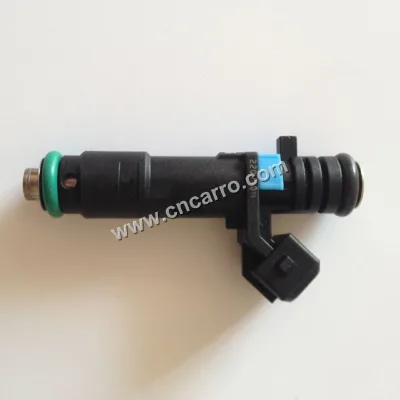


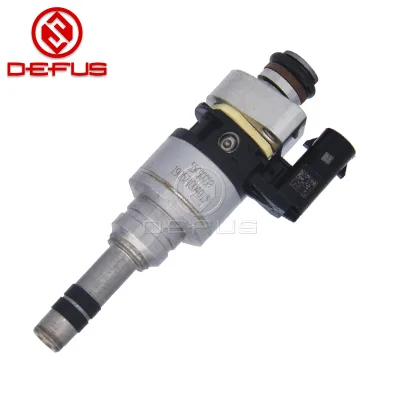
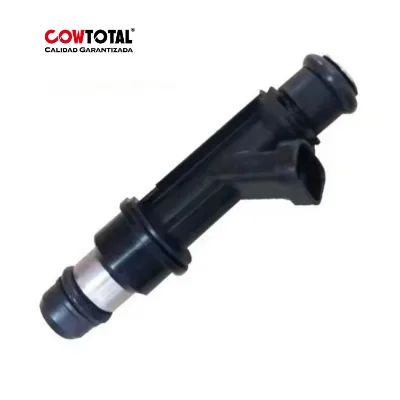


Fuel Injection Nozzle 85003950 Fuel Injector in Engine Parts
$165.00 - $205.00
MOQ: 10 Pieces
Di Sai Long Electronic Fuel Injection System (Dongguan) Co.,Ltd.

Fuel Inejction 21340612 Fuel Injector Nozzle OEM Standard
$165.00 - $205.00
MOQ: 10 Pieces
Di Sai Long Electronic Fuel Injection System (Dongguan) Co.,Ltd.

Engine Parts 4902924 Fuel Injector Nozzle OEM Quality
$165.00 - $205.00
MOQ: 10 Pieces
Di Sai Long Electronic Fuel Injection System (Dongguan) Co.,Ltd.
Comprehensive Sourcing Guide
Strategic Sourcing Guide for Suzuki Chevrolet Fuel Injector Nozzles
Navigating the global market for automotive fuel injection components requires a disciplined approach, particularly when sourcing specific parts like fuel injector nozzles for Suzuki and Chevrolet vehicles. The complexity of modern internal combustion engines means that a single component failure can lead to significant performance degradation or engine damage. This guide provides a structured framework for procurement professionals to evaluate suppliers, verify technical specifications, and ensure compliance without relying on unverified claims. The focus remains strictly on observable facts and established industry standards relevant to the specific component categories identified in current market data.
Technical Specifications and Component Identification
The primary challenge in sourcing fuel injector nozzles lies in the precise matching of technical attributes to the specific engine architecture of the target vehicle. For Suzuki and Chevrolet applications, the data indicates a diversity of configurations ranging from single-cylinder to multi-cylinder engines. Buyers must distinguish between these variations immediately, as the physical dimensions and flow characteristics differ significantly.
Market observations reveal that specific models, such as the CFI-50661 and CFI-60002, are associated with distinct engine requirements. The CFI-50661 is linked to a 2.2L 2190cc 134cu. in. L4 engine, a configuration common in certain Chevrolet and GMC applications. In contrast, other entries in the supply chain reference multi-cylinder setups, necessitating a careful review of the cylinder count before placing an order. The fuel delivery mechanism is another critical variable; the observed data points to "Horizontal Draught" carburettor types and "Electronic" fuel saver types, suggesting a mix of legacy and modern injection technologies.
Furthermore, the physical construction of the nozzle is a vital specification. The body material is frequently listed as either Steel or Iron, which impacts durability and resistance to corrosion in high-temperature environments. The color of the component, observed as Black or Blue in various listings, often serves as a visual identifier for specific flow rates or nozzle types, though this should never be the sole verification method. Buyers must cross-reference the OE (Original Equipment) numbers provided in the catalog, such as 0280150661, 15710-60b50, 09375101A, and 0 280 156 151, against their vehicle's service manual. These numbers are the definitive link between the aftermarket part and the original manufacturer's design.
Compliance and Certification Verification
In the automotive aftermarket, certification serves as a proxy for manufacturing discipline and quality assurance. The supplied data highlights several certification statuses that buyers should verify during the supplier evaluation process. The most prominent standard mentioned is ISOCE, alongside ISOComponent and ISOTS designations. These acronyms suggest adherence to specific international management system standards, though the exact scope of these certifications must be confirmed with the supplier's documentation.
For heavy-duty automotive components, the ISO/TS 16949 standard is particularly relevant, as it addresses the specific quality management requirements for the automotive industry. Some product listings explicitly reference ISO 9001: 2000 in conjunction with ISO/TS 16949, indicating a robust quality management system. However, buyers must treat these as claims to be verified rather than guaranteed attributes of every listed product. The presence of an "OEM standard" or "Standard" designation in the product attributes suggests that the part is manufactured to meet original equipment specifications, but this requires physical inspection or third-party validation to confirm.
It is crucial to distinguish between general ISO certifications and automotive-specific standards. While a general ISO 9001 certification indicates a company follows quality management principles, the ISO/TS 16949 standard is tailored to the automotive sector's rigorous demands for defect prevention and variation reduction. When sourcing for Suzuki and Chevrolet vehicles, which often operate in demanding conditions, verifying that the supplier holds the specific automotive standard is a non-negotiable step in the procurement process.
Cost Drivers and Pricing Dynamics
Understanding the pricing structure for fuel injector nozzles is essential for budgeting and cost control. The observed market data indicates a wide price range, spanning from $1.19 to $205 USD. This significant variance is not arbitrary but is driven by several tangible factors. The primary driver is the complexity of the component. A simple nozzle for a single-cylinder engine will naturally cost less than a precision-engineered unit for a multi-cylinder, high-performance engine.
The material composition also plays a substantial role in pricing. Components with bodies made of high-grade steel or specialized iron alloys may command a higher price point due to the cost of raw materials and the precision required in machining. Additionally, the level of customization available affects the final cost. Products marked as "Available" for customization allow for specific modifications to meet unique OEM requirements, which typically incurs additional engineering and tooling costs.
The Minimum Order Quantity (MOQ) is another critical cost driver. The observed MOQ range of 1 to 100 units suggests that buyers can source small quantities for testing or replacement needs, but larger orders may benefit from economies of scale. However, the price per unit is likely to decrease as the order volume increases, provided the supplier has the capacity to fulfill the demand. Buyers should also consider the packaging requirements, as options ranging from "Each One Box Packing" to "Boxes and Cartons Packing" can influence the overall landed cost, especially regarding shipping and handling fees.
Typical Applications and Vehicle Compatibility
The application of fuel injector nozzles is highly specific to the vehicle make, model, and engine configuration. The data confirms that these components are designed for a range of applications, including Chevrolet, GMC, Pontiac, and Suzuki vehicles. The specific engine types identified include the 2.2L 2190cc L4 engine, which is a common configuration for mid-size trucks and SUVs from the Chevrolet and GMC lines.
When sourcing for these vehicles, the "Use" attribute is a key indicator of compatibility. Listings specifying "Auto Engine" or "Aftermarket Replacement" suggest that the parts are intended to restore the vehicle to its original performance specifications. The reference numbers, such as 25332290 and 96334808, are critical for ensuring that the part fits the specific model year and engine variant. Buyers must be cautious, as a part listed for "Suzuki Chevrolet" may not be interchangeable between the two brands without verifying the specific engine architecture.
The "Main Market" data indicates a strong presence in South America, which may influence the availability of certain part numbers or the specific engineering standards applied to the components. This regional focus suggests that the parts are designed to withstand the operating conditions typical of those markets, which can be an advantage for buyers in similar climates. However, the primary verification must always be the OE number and the engine displacement, as these are the universal identifiers for compatibility.
Supplier Evaluation and Origin Analysis
Evaluating a supplier for automotive components requires a deep dive into their operational capabilities and geographic location. The data points to a concentration of manufacturing in Zhejiang, China (Mainland), a region known for its robust automotive parts industry. The origin location is a significant factor in logistics, lead times, and potential tariffs.
When assessing suppliers, buyers should look for evidence of the "Creditparts" brand or similar established names, though brand recognition alone is not a guarantee of quality. The "Brand" attribute in the data serves as a starting point for research, but the supplier's actual production capacity and quality control processes are more important. The "Lead Time" of "in 15 Days After Get Your Payment" provides a benchmark for delivery expectations, but this can vary based on order volume and stock availability.
Suppliers should be evaluated on their ability to provide the "OEM Available" status, which indicates they can produce parts that meet original equipment standards. The "Component" attribute, listing "Auto Nozzle" and "Fuel Injection Device," confirms the supplier's specialization in the relevant product category. Buyers should verify the supplier's ability to handle the "Customization" requests if the standard parts do not meet specific vehicle requirements. The "Item Condition" being "Brand New" is a basic expectation, but it must be explicitly confirmed to avoid receiving refurbished or used parts.
Quality Control and Long-Term Procurement
Ensuring the long-term reliability of fuel injector nozzles requires a rigorous quality control strategy. The "Properties" attribute, noting "After Market Replacement," implies that the parts are designed to match the performance of the original components. However, the "Standard" attribute, which varies between "OEM standard" and "Standard," highlights the need for buyers to define what "standard" means in their specific context.
Quality control should begin with the verification of the "Hole" count, which is listed as "2" in some specifications. This refers to the number of spray holes in the nozzle, a critical factor in fuel atomization and combustion efficiency. The "Colour" of the component, whether Black or Blue, should be consistent with the original part to ensure proper identification and fitment.
For long-term procurement, buyers should establish a relationship with suppliers who can consistently meet the "ISO 9001: 2000 / ISO/TS 16949" standards. These standards provide a framework for continuous improvement and defect prevention. The "prod_packing" details, such as "Each Box Packing Inside, Carton Packing Outside," are also important for ensuring that the parts arrive in good condition, preventing damage during transit that could compromise the quality of the nozzle.
Final Procurement Considerations
The procurement of Suzuki Chevrolet fuel injector nozzles is a multifaceted process that requires attention to detail in every stage, from technical specification verification to supplier evaluation. The wide range of prices, MOQs, and certifications observed in the market underscores the importance of a disciplined approach. Buyers must rely on concrete data, such as OE numbers, engine specifications, and certification documents, rather than marketing claims.
By focusing on the technical attributes like cylinder count, body material, and fuel type, and by verifying the supplier's adherence to automotive standards, buyers can mitigate the risks associated with aftermarket sourcing. The goal is to secure components that not only fit the vehicle but also perform reliably over the long term. The data provided offers a solid foundation for this process, but the ultimate success of the procurement effort depends on the buyer's diligence in cross-referencing these facts with their specific operational needs.
| Attribute Category | Observed Values | Verification Requirement |
|---|---|---|
| Engine Type | Single Cylinder, Multi-cylinder | Match to vehicle service manual |
| Body Material | Steel, Iron | Confirm material grade and durability |
| Certification | ISOCE, ISOComponent, ISOTS | Request valid certificates |
| OE Numbers | 0280150661, 09375101A, etc. | Cross-reference with vehicle VIN |
| Origin | Zhejiang, China (Mainland) | Verify logistics and lead times |
| Packaging | Box, Carton, Mixed | Ensure protection during transit |
| Lead Time | 15 Days (post-payment) | Confirm current production capacity |
In conclusion, a successful sourcing strategy for these critical automotive components relies on a synthesis of technical knowledge, regulatory compliance, and supplier reliability. By adhering to the principles outlined in this guide, procurement professionals can navigate the complexities of the global market and secure high-quality fuel injector nozzles for their Suzuki and Chevrolet fleets.
FAQs
What certifications do these fuel injector nozzles have?
The products carry ISOCE, ISOComponent, and ISOTS certifications. Some listings also reference ISO 9001: 2000 and ISO/TS 16949 standards. Buyers must verify specific documentation as these attributes vary by product listing and are not guaranteed for every item.
Which engine types are compatible with these nozzles?
These nozzles fit single-cylinder and multi-cylinder engines, including the 2.2L 2190cc L4 configuration. They are designed for Chevrolet, GMC, Pontiac, and Suzuki vehicles. Always cross-reference the OE number to ensure exact engine compatibility before purchasing.
Can I find customized versions of these fuel injectors?
Customization is available for specific orders requiring unique modifications. The product attributes explicitly list customization as an option. However, this may involve additional engineering costs and requires direct confirmation with the supplier regarding feasibility and lead times.
How long is the lead time for these parts?
The typical lead time is 15 days after receiving payment. This duration is observed in the product data for standard orders. Actual delivery may vary based on order volume, stock availability, and specific supplier capacity constraints.
What materials are used for the nozzle body construction?
The body material is listed as either Steel or Iron in the product specifications. These materials are selected for durability and resistance to high temperatures. Buyers should check individual listings to confirm the specific material used for their required part number.
Where are these fuel injector nozzles manufactured?
The products originate from Zhejiang, China, and other locations within Mainland China. This region is a known hub for automotive parts manufacturing. The specific factory location may vary by supplier, so verification of the origin is recommended for logistics planning.
What is the minimum order quantity for these nozzles?
The observed minimum order quantity ranges from 1 to 100 units. This flexibility allows for small replacement orders or larger bulk purchases. Pricing and terms may differ depending on the specific quantity ordered and the supplier's policies.