Find Suzuki Swift 2005-2010 Headlight for Repair, Upgrade, and Replacement
Source 30 listings for the Suzuki Swift 2005-2010 Headlight to compare OEM numbers, voltage, and packaging details. Buyers can evaluate options from Chinese manufacturers with varying MOQs and delivery times.
Key considerations
Products List


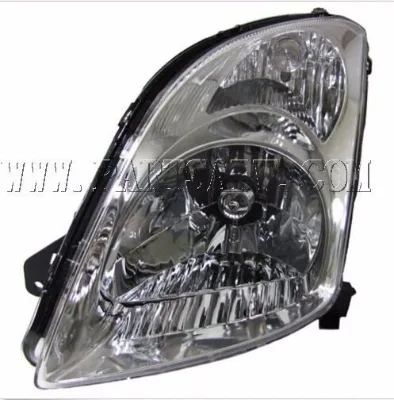
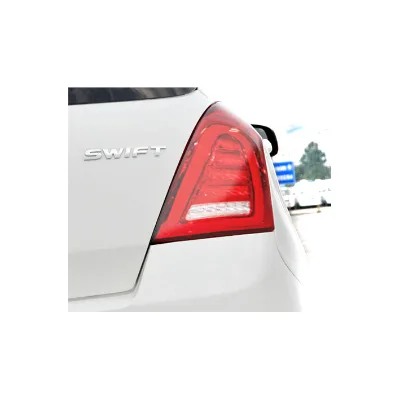
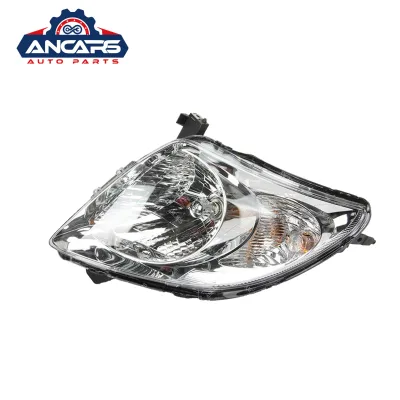
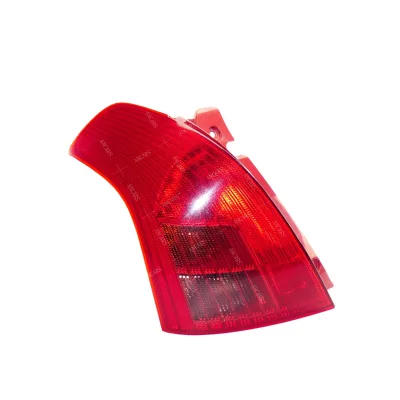
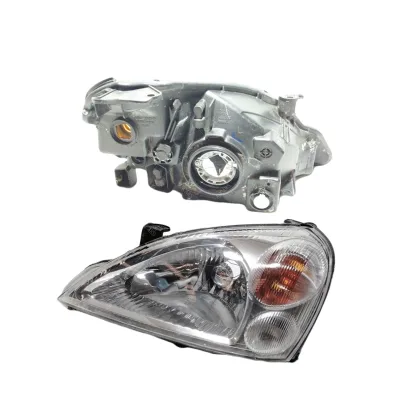
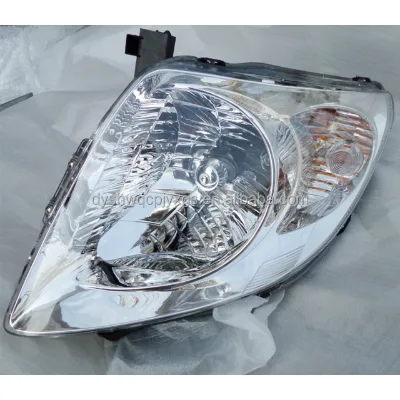
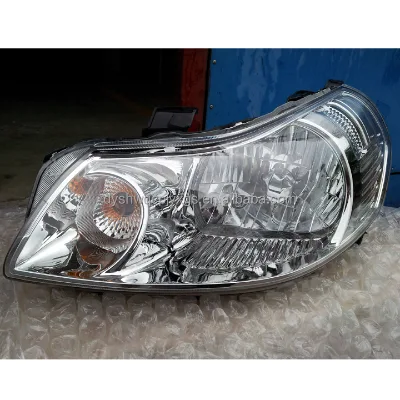
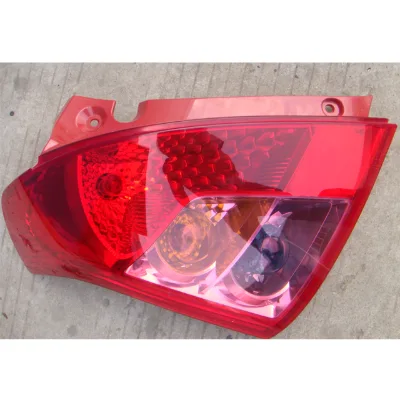
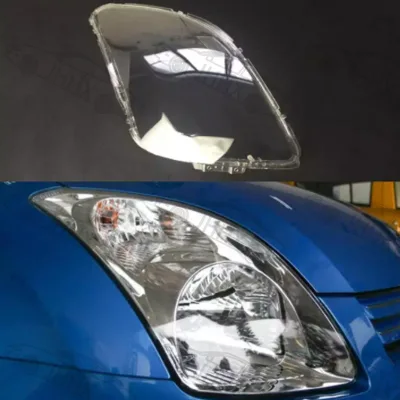
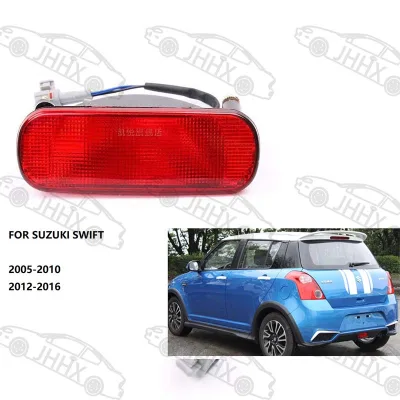
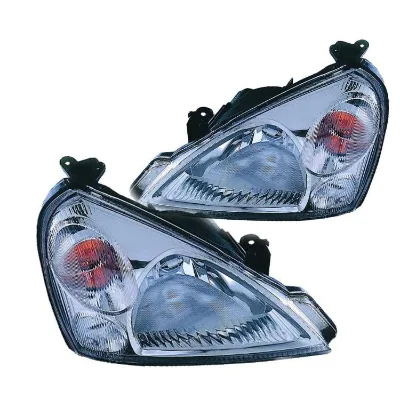
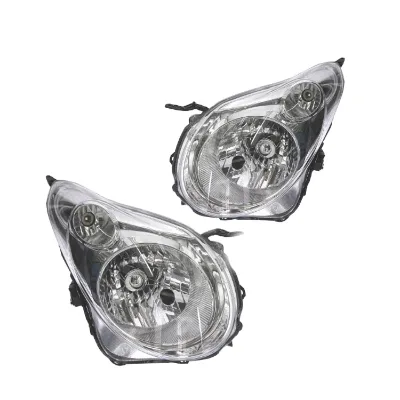


Auto Accessories Car Parts Headlamp Head Light for Toyota Sienna 2006-2010
$61.00 - $70.00
MOQ: 10 Pieces

Auto Spare Part Car Head Lamp Headlight for Mitsubishi Lancer 2007-2010
$26.60 - $34.20
MOQ: 10 Pieces

LED Car Head Light Lamp Auto Headlamp Headlamp for Suzuki Swift 2015-2022
$97.00 - $121.00
MOQ: 20 Pieces

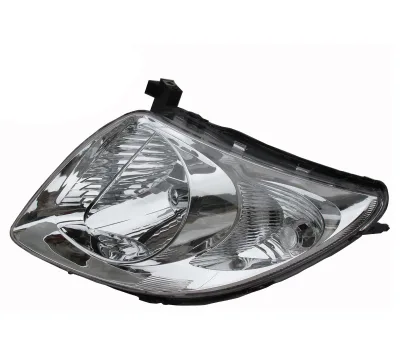
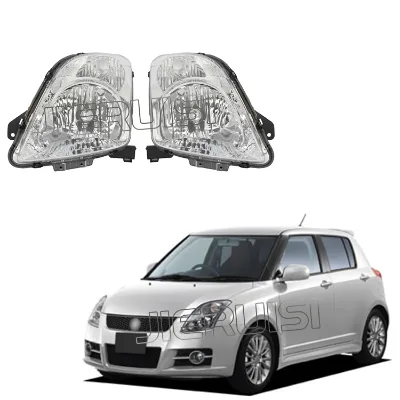
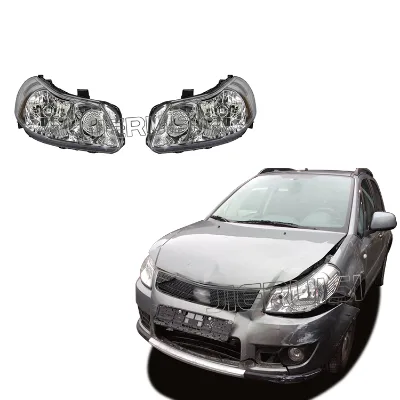


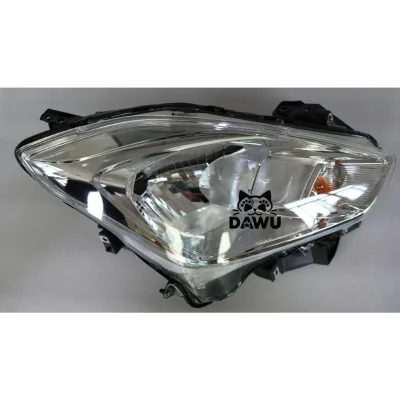
Comprehensive Sourcing Guide
Suzuki Swift 2005-2010 Headlight Sourcing Guide
Sourcing replacement headlights for the Suzuki Swift model years 2005 through 2010 requires a disciplined approach to technical verification and supplier qualification. The automotive lighting market is fragmented, with numerous listings offering variations in OEM compatibility, material composition, and certification standards. Buyers must navigate a landscape where generic aftermarket parts coexist with certified replacements, necessitating a clear understanding of the specific electrical and mechanical requirements of the vehicle. This guide provides evidence-based procurement strategies to ensure that the selected components meet both functional performance standards and regulatory compliance for the target market.
The primary objective in this sourcing process is to align the purchased components with the original equipment manufacturer (OEM) specifications while ensuring long-term reliability. The observed market data indicates a wide range of product attributes, from halogen-based systems to specialized dipped headlight configurations. Procurement teams must prioritize verification of base types, voltage ratings, and physical dimensions to prevent installation failures. By focusing on verified technical signals and commercial terms, buyers can mitigate the risks associated with incompatible parts and ensure a seamless integration into the Suzuki Swift’s electrical system.
Product Scope and Observed Listing Signals
The current market for Suzuki Swift headlights presents a diverse array of product listings, with observed price points ranging from approximately $3.28 to $131 USD. This significant variance suggests a broad spectrum of quality tiers, from basic replacement bulbs to complete headlight assemblies. Buyers should interpret this range as an indicator of differing material costs, manufacturing complexities, and included features such as integrated turn signals or projector lenses. The presence of listings with low minimum order quantities (MOQs) starting at one unit indicates a market accessible to small-scale retailers and individual repair shops, while higher MOQs cater to bulk distributors.
Specific product attributes observed in the market highlight the importance of precise identification. Listings frequently reference OEM numbers such as 35300-63JZ0-000 and 35100-63JZ0-000, which are critical for cross-referencing compatibility with the 2005-2010 Suzuki Swift. Additionally, some products are explicitly labeled for the Suzuki Swift 2005-2010, while others may list broader compatibility or different model years. The base type W5W and voltage rating of 12V are common technical specifications noted in several listings, providing a baseline for electrical compatibility. However, buyers must verify these details against their specific vehicle configuration, as variations in trim levels or regional specifications can affect the required part number.
Technical Specifications to Verify
Verifying the base type and electrical characteristics is the first critical step in ensuring compatibility. The W5W base is a common specification for certain lighting functions, such as front position lamps or auxiliary lights, but may not be the primary base for main dipped or high beam headlights on all Swift variants. Buyers must confirm whether the purchased component is a complete headlight assembly or a replacement bulb, as the installation process and electrical connections differ significantly. The 12V voltage rating is standard for most passenger vehicles, but it is essential to ensure that the wattage, often cited around 55W for halogen bulbs, matches the vehicle’s electrical capacity to prevent circuit overload or premature failure.
Material composition and functional design are equally important considerations. Many listed products specify halogen materials, which are known for their cost-effectiveness and widespread availability. However, buyers should also assess the housing material and lens clarity, as these factors influence light output and durability. The function of the light, whether it serves as a dipped headlight, high beam, or front position lamp, must be clearly defined in the product description. Additionally, features such as waterproof resistance are crucial for components exposed to the elements, ensuring that the headlight maintains performance in various weather conditions. Cross-referencing these technical details with the vehicle’s service manual is recommended to avoid mismatches.
Compliance and Safety Documentation
Regulatory compliance is a non-negotiable aspect of automotive lighting procurement, particularly when importing or distributing parts across different jurisdictions. The CCC certification is frequently mentioned in product listings, indicating compliance with Chinese compulsory certification standards. For buyers targeting the Chinese market or sourcing from Chinese suppliers, this certification is a baseline requirement. However, if the parts are intended for export to other regions, additional certifications such as CE or SGS may be necessary to meet local safety and environmental regulations. Buyers must verify which certifications are valid and applicable to their specific destination market.
Quality assurance documentation provides further assurance of product reliability. Listings often mention that products are 100% tested before shipment, which is a positive indicator of quality control practices. Buyers should request test reports or quality inspection certificates from suppliers to validate these claims. Standards such as ISO9001:2000 and SGS are referenced in some listings, suggesting that the manufacturer adheres to recognized quality management systems. While these standards indicate a structured approach to production, buyers should also inquire about specific testing procedures for light intensity, beam pattern, and durability to ensure that the components meet performance expectations.
Cost Drivers and Commercial Terms
The cost of Suzuki Swift headlights is influenced by several factors, including the complexity of the assembly, the quality of materials, and the level of customization offered. Products with OEM numbers and specific model year compatibility often command higher prices due to the precision engineering required. Customization options, such as specific packaging or branding, can also impact the final cost. Buyers should analyze the price range in the context of the product’s features and certifications to determine the value proposition. It is important to note that lower prices may correlate with reduced quality or limited warranty coverage, so a balanced assessment is necessary.
Commercial terms play a significant role in the overall procurement cost and risk management. Payment terms such as 30% advance and balance before shipping are common, providing a level of security for both parties. Buyers should also consider the shipping methods available, including express, air, and sea freight, as these options affect delivery times and costs. The observed delivery time of 7-10 days is a useful benchmark for planning inventory replenishment. Additionally, warranty terms, such as the 6-month warranty mentioned in some listings, provide a safety net against defects. Buyers should clarify the warranty process and return policies to ensure that any issues can be resolved efficiently.
Supplier Qualification and Quality Control
Evaluating supplier qualifications is essential for establishing a reliable supply chain. Buyers should prioritize suppliers who provide detailed product information, including OEM numbers, technical specifications, and certification documents. The presence of a brand name, such as Ancars, can indicate a level of market presence and accountability. However, buyers should not rely solely on brand recognition and should conduct due diligence on the supplier’s production capabilities and quality control processes. Requesting samples before placing bulk orders is a recommended practice to verify product quality and compatibility.
Quality control measures should be integrated into the procurement process to minimize the risk of receiving defective products. Buyers should inquire about the supplier’s inspection procedures, including pre-shipment inspections and testing protocols. The mention of neutral packing or brand packing options allows buyers to choose packaging that aligns with their distribution strategy. Additionally, buyers should assess the supplier’s responsiveness and communication skills, as these factors are crucial for resolving any issues that may arise during the procurement process. Establishing a clear communication channel with the supplier can facilitate smoother transactions and better problem resolution.
Long-Term Procurement Checks
Establishing long-term procurement relationships requires ongoing monitoring and evaluation of supplier performance. Buyers should track key performance indicators such as delivery times, product quality, and customer satisfaction to assess the reliability of their suppliers. Regular audits of the supplier’s quality control processes can help identify potential issues before they impact the supply chain. Additionally, buyers should stay informed about changes in regulatory requirements and industry standards to ensure that the sourced components remain compliant.
Continuous improvement in the procurement process is essential for maintaining competitiveness and efficiency. Buyers should leverage feedback from end-users and internal stakeholders to refine their sourcing strategies. This may involve adjusting specifications, negotiating better commercial terms, or exploring alternative suppliers. By maintaining a proactive approach to supplier management and quality assurance, buyers can ensure a steady supply of high-quality Suzuki Swift headlights that meet the needs of their customers. This disciplined approach to procurement not only reduces risk but also enhances the overall value proposition for the business.
FAQs
What is the voltage rating for these headlights?
The voltage rating for these headlights is 12V. This specification applies to the listed models including LS-SL-079 and LS-SL-063, ensuring compatibility with standard vehicle electrical systems for Suzuki Swift models from 2005 to 2010.
Which certifications do the products hold?
The products hold CCC certification, and some listings also mention ISO9001: 2000 and SGS standards. These certifications indicate compliance with specific safety and quality requirements for automotive lighting components manufactured in China.
Can I request customization for these headlights?
Yes, customization is available for these headlights. Buyers can request specific modifications or branding, subject to the supplier's capabilities and the minimum order quantity requirements which range from 1 to 100 sets depending on the model.
What is the typical delivery time for orders?
The typical delivery time is 7 to 10 days after payment confirmation. This lead time applies to the headlight models listed, such as those for the Suzuki Swift, and assumes standard shipping arrangements are agreed upon.
How are the headlights packaged for shipment?
The headlights are packaged in carton boxes, with some listings specifying 4 pieces per carton. Neutral packing or brand packing options are available, ensuring the products are protected during transit to international destinations.
What is the warranty period for these items?
The warranty period for these items is 6 months. This coverage applies to the new condition headlights, providing assurance against manufacturing defects for the specified Suzuki Swift models and other compatible vehicles.