Source Sweeper Parts Circular Brushes for floor, road, and street cleaning
Compare 30 Sweeper Parts Circular Brushes from verified Chinese manufacturers. Buyers can evaluate custom sizes, filament materials like PP and Nylon, and compatibility with electric sweepers to find the right replacement for floor, road, and street cleaning applications.
Key considerations
Products List


Snowplow Circular Sweeper Brush Multiple Variations Ride on Sweeper Main Broom
$37.00 - $45.00
MOQ: 100 Pieces


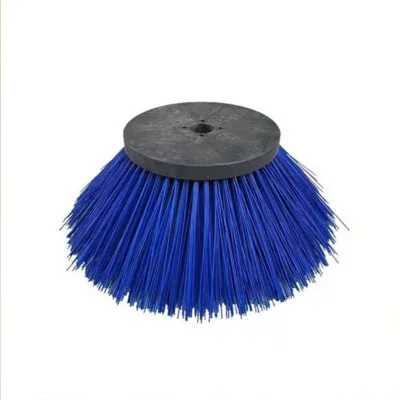
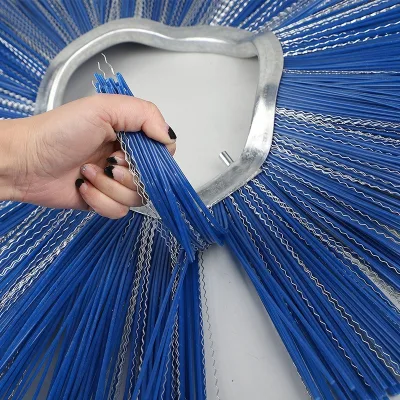


High Efficiency Cleaning Street, Road, Ground, Run Round Type Road Sweeper Brush
$7.23 - $10.92
MOQ: 10 Pieces


Comprehensive Sourcing Guide
Strategic Sourcing Guide for Sweeper Parts Circular Brushes
Understanding Technical Specifications and Material Composition
When sourcing circular brushes for electric sweepers, buyers must first navigate a complex landscape of technical specifications that define performance and compatibility. The core of the product lies in its material composition, which varies significantly based on the intended application. Observed market data indicates that the primary materials for the brush body and filaments include Polyethylene Terephthalate (PET), Nylon, and Polypropylene (PP). These materials are selected for their durability and resistance to wear during high-speed rotation. For specific abrasive applications, the filament composition may shift to include Silicon Carbide Abrasive Filament combined with Nylon Filament, designed for heavy-duty cleaning, polishing, or deburring tasks.
The structural integrity of the brush is equally critical. The core ring, which holds the filaments in place, is frequently constructed from either PP or Galvanized Stainless Steel. This choice directly impacts the brush's resistance to corrosion and its ability to maintain shape under mechanical stress. The filament material itself is often listed as PP, but the specific grade and density determine the brush's flexibility and cleaning efficacy. Furthermore, the bristle length is a variable specification that buyers must address; while some listings suggest standard ranges, the prevailing trend is for customization based on the specific diameter and length requirements of the sweeper model.
Dimensions are another area where standardization is rare. The observed product standards include specific metric dimensions such as 255813mm, 162560mm, 205660mm, 165610mm, and 130*508mm. However, the "Custom Made" attribute is a dominant feature in this category, meaning that buyers should expect to provide exact diameter and length requirements rather than selecting from a fixed catalog. The brush head material is typically identified as Bristle, while the handle or shaft material is often Plastic. Understanding these distinctions is vital for ensuring that the replacement part fits the mechanical interface of the electric sweeper brand in question.
Compliance, Certification, and Safety Standards
In the B2B procurement of industrial cleaning equipment parts, verifying compliance and certification is a non-negotiable step. The market data reveals a wide spectrum of certifications that suppliers may claim, ranging from basic environmental standards to rigorous safety approvals. Common certifications observed include RoHS, which restricts the use of specific hazardous materials, and CE, indicating conformity with health, safety, and environmental protection standards for products sold within the European Economic Area.
More comprehensive safety profiles often include CB, ETL, UL, UR, and CSA certifications. The presence of multiple certifications, such as CE, CB, ETL, RoHS, and UL on a single product listing, suggests a high level of adherence to international safety protocols. However, buyers must exercise caution and verify that these certifications are valid for the specific product model and the region of operation. For instance, a brush intended for use in North America may require UL or ETL certification, while European operations prioritize CE and RoHS.
The "Customized" nature of these brushes often complicates certification claims. Since the product is frequently tailored to the buyer's specific demand, the certification status may vary depending on the final configuration. Buyers should explicitly request certification documentation that matches the exact specifications of the ordered unit, rather than relying on generic claims. Additionally, the "Support OEM / ODM" attribute implies that the supplier is capable of manufacturing to specific brand requirements, which often necessitates a review of the supplier's quality management systems to ensure that the customized output meets the necessary regulatory standards.
Cost Drivers and Pricing Dynamics
The pricing structure for sweeper circular brushes is highly variable, reflecting the diverse range of materials, customization levels, and production complexities. The observed price range in the market spans from $0.15 to $3800 USD. This vast disparity is not indicative of a single product line but rather a reflection of the different scales and complexities involved. Lower-priced items, likely falling near the $0.15 mark, typically represent standard, off-the-shelf components with minimal customization and simpler material compositions. In contrast, the upper end of the price spectrum, reaching up to $3800, likely corresponds to large-scale, heavy-duty units or complete brush assemblies with specialized materials like Silicon Carbide and extensive custom engineering.
Several key factors drive these costs. First, the material choice is a primary determinant. Brushes utilizing Galvanized Stainless Steel cores or specialized abrasive filaments will inherently cost more than those made with standard PP or Nylon. Second, the degree of customization plays a significant role. Products labeled as "Custom Made" or those requiring specific diameters and lengths often incur higher tooling and setup costs, which are passed on to the buyer. Third, the Minimum Order Quantity (MOQ) influences the unit price. The observed MOQ range spans from 1 to 1000 units. Buyers purchasing small quantities, such as single units for testing or emergency replacement, will face higher per-unit costs compared to those placing bulk orders that meet the higher end of the MOQ spectrum.
Packaging requirements also contribute to the final cost. While some suppliers offer standard carton boxes, others provide wooden boxes or palletized shipping, which adds to the overall expense. Buyers should evaluate whether the added protection of wooden packaging or palletization is necessary for their specific logistics chain or if standard cartons suffice. Understanding these cost drivers allows procurement teams to negotiate more effectively and align their budget with the actual value and complexity of the required parts.
Typical Applications and Functional Requirements
Circular brushes for sweepers are designed for a variety of demanding applications, ranging from light floor cleaning to heavy-duty road sweeping. The primary application is identified as "Floor, Road Sweeper Brush," indicating their use in both indoor and outdoor environments. The "Adapt for" attribute specifies that these brushes are engineered to work with specific brands of electric sweepers, highlighting the importance of compatibility. Buyers must ensure that the brush model, such as those designated by codes like RB-HMB0009 or PHM-044, matches the mechanical specifications of their existing fleet.
Beyond general sweeping, these brushes serve specialized functions. The "Application" field lists cleaning, polishing, and deburring, suggesting that certain models are versatile enough to handle surface finishing tasks in addition to debris removal. The "Feature" of being "Easily Cleaned" is a critical functional requirement for maintenance-heavy environments, where brushes must be quickly cleared of debris to maintain efficiency. The "Style" is described as "Modern," which often implies an ergonomic design or a sleek aesthetic that fits contemporary industrial equipment, though the primary focus remains on utility.
The color of the filaments, observed as Black, White, or Customized, may serve a functional purpose in addition to aesthetics. In some industrial settings, specific colors are used to indicate wear levels or to distinguish between different brush types within a facility. The weight of the brush, ranging from 0.2kg to 10kg, is another critical specification. Heavier brushes may provide more aggressive cleaning action but require more robust motor support, while lighter brushes are suitable for delicate surfaces or smaller machines. Buyers should match the weight and application requirements of their specific sweeper model to ensure optimal performance and longevity.
Supplier Evaluation and Origin Verification
Evaluating suppliers for sweeper parts requires a careful assessment of their origin, capabilities, and track record. The observed product origin is predominantly China, with specific mentions of Anhui as a manufacturing hub. This geographic concentration suggests a mature supply chain for these components, but it also necessitates rigorous due diligence regarding the specific factory's capabilities. Buyers should verify the supplier's ability to support OEM (Original Equipment Manufacturer) and ODM (Original Design Manufacturer) services, as indicated by the "customized support" attribute. This capability is essential for companies seeking to brand the brushes or require unique specifications that differ from standard offerings.
The "Brand Name" attribute, such as "Shenzhou," indicates that some suppliers operate under their own brand, while others may produce generic parts for various sweeper manufacturers. Buyers should be cautious when relying on brand names alone, as the quality of the underlying manufacturing process is more important than the branding. The "Condition" of the products is consistently listed as "New," which is a standard expectation but should be confirmed upon delivery to avoid receiving refurbished or used items.
When evaluating suppliers, buyers should also consider the packaging standards. Options range from neutral cartons to wooden pallets, and the supplier's ability to provide "Standard Export Carton" packaging is a sign of professionalism. The "Customization" availability is a key differentiator; suppliers that offer flexible customization in terms of size, material, and filament type are better positioned to meet the unique needs of different sweeper models. Buyers should request samples to verify the quality of the customization process and ensure that the final product meets their technical requirements before committing to a large order.
Quality Control and Long-Term Procurement Strategy
Implementing a robust quality control (QC) strategy is essential for maintaining the reliability of sweeper parts. Given the "Custom Made" nature of many circular brushes, buyers must establish clear acceptance criteria before production begins. This includes verifying the filament material, core ring composition, and dimensional accuracy against the provided specifications. The "Weight" range of 0.2kg to 10kg highlights the need for precise weighing and inspection to ensure consistency across batches. Buyers should also inspect the "Filament Color" to ensure it matches the agreed-upon standard, as color variations can sometimes indicate material inconsistencies.
Long-term procurement considerations involve building a sustainable relationship with suppliers who can consistently deliver high-quality parts. The "Lead time" and "MOQ" variability observed in the market suggest that buyers should plan their inventory carefully to avoid stockouts while minimizing holding costs. Establishing a clear communication channel for technical updates and quality feedback is crucial, especially when dealing with customized orders. Buyers should also consider the "Certification" status as a long-term asset; suppliers who maintain valid CE, RoHS, and other safety certifications demonstrate a commitment to ongoing compliance and quality improvement.
Finally, buyers should monitor the "Feature" of the brushes, such as the "Easily Cleaned" attribute, to ensure that the parts continue to perform well over time. Regular maintenance checks and performance reviews can help identify any degradation in quality or performance, allowing for timely adjustments to the procurement strategy. By focusing on these quality control measures and long-term planning, buyers can ensure a steady supply of reliable circular brushes that keep their sweeper fleets operating efficiently.
FAQs
What materials are used for Sweeper Parts Circular Brushes?
The brushes are constructed from PET, Nylon, and PP materials for the body and filaments. Some heavy-duty models include Silicon Carbide Abrasive Filament combined with Nylon for polishing and deburring tasks.
Can I get customized dimensions for these circular brushes?
Yes, customization is available for diameter and length to meet specific sweeper model requirements. Buyers can request specific sizes such as 255*813mm or other custom dimensions based on their demand.
Which certifications are available for these sweeper brush parts?
Products may carry certifications including RoHS, CE, CB, ETL, UL, UR, and CSA. Buyers should verify that the specific model matches the required safety standards for their region of operation.
How do I find the correct size for my electric sweeper?
Select from standard sizes like 162*560mm or request custom-made dimensions tailored to your machine. The brush head material is typically bristle, and the handle is plastic for durability.
What is the minimum order quantity for these circular brushes?
The minimum order quantity ranges from 1 to 1000 units depending on the supplier and customization level. Bulk orders typically yield better pricing compared to single unit purchases for testing.
Are these brushes suitable for road sweeping applications?
Yes, they are designed for floor and road sweeper brush applications. The brushes adapt for various electric sweeper brands and feature easy cleaning capabilities for maintenance-heavy environments.
What packaging options are provided for these brush parts?
Packaging options include carton boxes, wooden boxes, or pallets depending on the supplier. Standard export cartons are common, while larger orders may utilize wooden pallets for secure shipping.