Source Swedish Multi-Surface Scouring Pad for Kitchen, Bath, and Metal
Find 30 listings for the Swedish multi-surface scouring pad suitable for kitchen, bath, and metal polishing. Compare specifications, materials, and prices from verified Chinese manufacturers to find the right option for your needs.
Key considerations
Products List


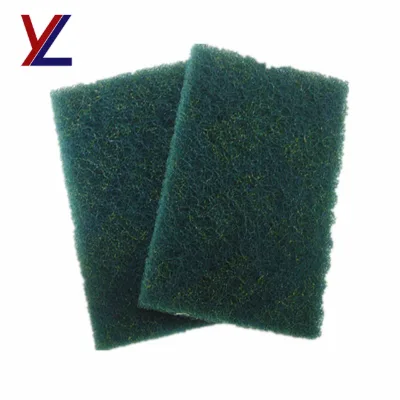


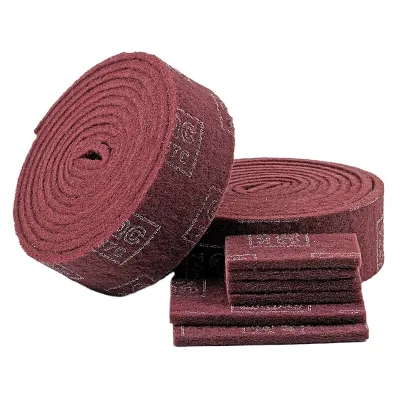


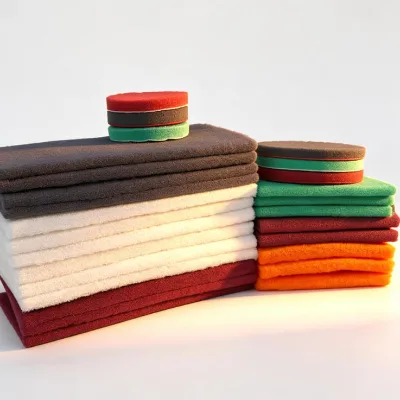
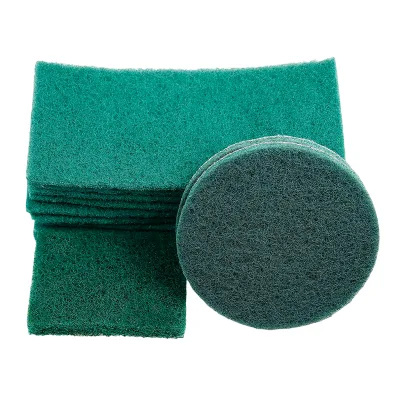
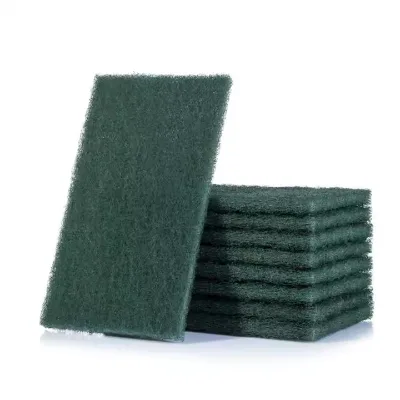
High Quality Green Red Gray 10mm Thickness Scouring Pad, Abrasive Scourer Pad
$0.05 - $0.09
MOQ: 3000 Pieces


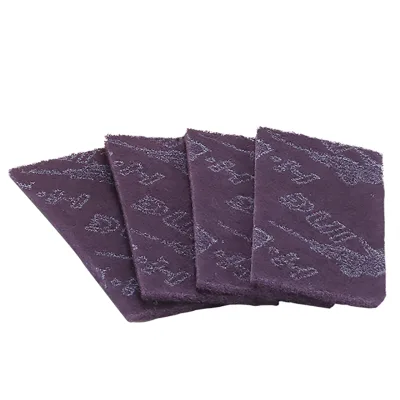
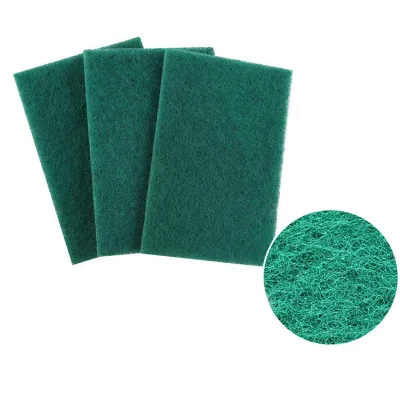


$0.33 - $0.35
MOQ: 10000 Pieces


Comprehensive Sourcing Guide
Strategic Sourcing Guide for Swedish Multi-Surface Scouring Pads
Understanding Product Composition and Material Variability
When sourcing Swedish multi-surface scouring pads, the primary distinction lies in the material composition, which directly dictates performance characteristics and suitability for specific industrial or domestic applications. The available market data indicates a diverse range of materials utilized in this category, including microfiber, non-woven fabric, sponge, and nylon. Each material offers distinct advantages; for instance, sponge materials are frequently highlighted for their utility in surface cleaning, polishing, wire drawing, and burring applications. Conversely, non-woven fabrics and microfiber options are often associated with kitchen and bath usage, suggesting a focus on absorbency and gentle cleaning action.
The physical structure of these pads is equally critical. Specifications observed in the market reveal a wide variance in dimensions, ranging from small, precise units like 130mm by 200mm to larger rolls or sheets measuring 9 inches by 10 meters. Thickness is another variable, with documented standards including 0.5cm, 0.7cm, and 1.5cm. Buyers must recognize that "Swedish multi-surface" is often a functional descriptor rather than a strict material standard. Consequently, a single product listing may contain attributes such as "Sponge use for surface cleaning" alongside "Non-woven" material tags. This suggests that the final product may be a composite, such as a scouring pad with a sponge layer for abrasion and a non-woven or microfiber layer for wiping. When evaluating suppliers, it is essential to verify the specific layer composition to ensure the pad meets the intended mechanical requirements for the target surface.
Technical Specifications and Dimensional Standards
Precision in technical specifications is paramount when procuring scouring pads for industrial or high-volume commercial use. The market data presents several standardized models, such as model numbers 6015, JP3210, JY3001, P2007, P3007, and 3415, each associated with specific dimensional standards. For example, one specification lists a standard size of 10x15x0.5cm, while another defines a product standard of 23x15x0.7cm. In contrast, other listings indicate "Any" for size or shape, implying a high degree of customization capability.
The grit level is another critical technical parameter, particularly for pads intended for sanding or heavy-duty cleaning. One specific entry notes a grit of 80, which is suitable for moderate abrasion tasks. However, for multi-surface applications, the grit may vary significantly depending on whether the goal is light polishing or aggressive stain removal. Buyers should verify the grit consistency across batches, as this directly impacts the uniformity of the cleaning result. Furthermore, the shape of the pad is often flexible, with "Any" or "Rectangle" shapes observed. This flexibility allows for the creation of custom shapes to fit specific machinery or ergonomic hand tools.
When reviewing product data, attention must be paid to the single package size and gross weight. A documented example shows a single package size of 20x20x10 cm with a gross weight of 0.500 kg. These metrics are vital for calculating logistics costs and storage requirements. If the supplier offers "Bulk Packing" or "10PCS/Card" configurations, the buyer must calculate the density of the shipment to optimize container utilization. The standard size of 9x20x0.7cm or 15x23x1.5cm serves as a baseline, but the ability to customize dimensions is a significant value-add for specialized applications.
Compliance, Certification, and Safety Verification
In the realm of B2B procurement, verifying compliance and safety standards is non-negotiable, especially for products used in food preparation areas or industrial settings. While the provided data does not explicitly list specific certification numbers for every product, it references ISO 27001 as a background standard, which pertains to information security management rather than product safety. Therefore, buyers should not assume that a product listing automatically complies with food-grade or industrial safety standards based solely on the presence of such background keywords.
For scouring pads intended for kitchen or bath usage, the material safety is a primary concern. The data indicates materials such as "Non-wowen Fabric" (likely a typo for non-woven) and "Microfiber," which are generally safe for general cleaning. However, for applications involving stainless steel or metal product polishing, the presence of abrasive elements like sponge or nylon requires verification to ensure they do not introduce harmful residues or contaminants. Buyers must explicitly request documentation regarding the chemical composition of the materials, ensuring they are free from heavy metals or toxic substances that could leach onto surfaces.
Additionally, the origin of the product plays a role in compliance. The data specifies the place of origin as Guangdong, China, a major manufacturing hub. While this indicates a strong supply chain capability, it necessitates rigorous due diligence regarding local environmental regulations and export compliance. Buyers should verify that the supplier adheres to international safety standards relevant to the destination market, such as REACH for Europe or FDA regulations for food-contact surfaces in the United States. Without explicit certification data in the product listing, the burden of verification falls on the buyer to request third-party test reports before finalizing any procurement agreement.
Cost Drivers and Pricing Structure Analysis
The pricing structure for Swedish multi-surface scouring pads is influenced by a complex interplay of material costs, customization levels, and order volume. The observed price range in the market spans from $0.03 to $1000 USD, a variance that reflects the difference between single-unit purchases and bulk industrial orders. The Minimum Order Quantity (MOQ) ranges from 1 to 50,000 units, indicating that the market accommodates both small-scale buyers and large distributors.
Material composition is a primary cost driver. Pads incorporating high-quality microfiber or specialized sponge blends typically command a higher price point compared to basic non-woven options. Customization is another significant factor; the data confirms that customization is available, including OEM support and custom branding. Products with custom shapes, sizes, or specific grit levels will inherently cost more due to the setup and tooling required. Conversely, standard models like 6015 or JP3210 may offer more competitive pricing due to economies of scale.
Packaging also impacts the final cost. Options such as "Carton," "Polybag," "Paper," and "CTN" (Carton) vary in material cost and labor intensity. A "Bulk Packing" option might reduce per-unit costs but could increase handling risks, whereas "10PCS/Card" packaging adds value for retail-ready products. Buyers should analyze the total landed cost, including packaging and shipping, rather than focusing solely on the unit price. The wide MOQ range allows for flexibility; smaller orders may have a higher per-unit cost but lower capital outlay, while larger orders can leverage volume discounts to reduce the unit price significantly.
Typical Applications and Performance Expectations
The versatility of Swedish multi-surface scouring pads is evident in their diverse application areas. The data explicitly lists usage in "Kitchen," "Bath," and "Indoor" environments. Specific applications include the polishing and grinding of ornaments, stainless steel, or metal products. The inclusion of "sponge use for surface cleaning, polishing, wire drawing, and burring" highlights the pad's dual functionality as both a cleaning and a finishing tool.
In kitchen settings, these pads are likely used for scrubbing cookware, removing stubborn food residues, and maintaining hygiene without scratching delicate surfaces. The availability of colors such as Red, Green, Blue, and Brown suggests that color-coding may be used to prevent cross-contamination between different cleaning tasks, such as separating kitchen cleaning from bathroom cleaning. For industrial applications, the pads serve as abrasives for metalworking, where the grit level and sponge density determine the effectiveness of the burring and polishing process.
The shape and size of the pad also influence its application. Rectangular shapes are standard for manual scrubbing, while custom sizes may be required for automated machinery. The "Any" shape specification indicates that suppliers can produce pads tailored to specific ergonomic needs or machine fixtures. Buyers should match the pad's material and grit to the surface hardness of the target object; for example, a softer non-woven pad is preferable for glass or polished metal, while a harder sponge or nylon pad is better for heavy-duty concrete or cast iron.
Supplier Evaluation and Quality Control Protocols
Evaluating suppliers for scouring pads requires a systematic approach to ensure consistent quality and reliability. The data indicates that the brand name "Yi-Liang" is associated with some listings, and the place of origin is consistently Guangdong, China. However, buyers should not rely on brand recognition alone and must conduct a comprehensive supplier audit. Key evaluation criteria include the supplier's ability to meet customization requests, their quality control processes, and their capacity to maintain consistent material standards.
Quality control should focus on several critical areas: material consistency, dimensional accuracy, and packaging integrity. Buyers should request samples to test the physical properties of the pads, such as tensile strength, absorbency, and abrasion resistance. The observed "Single gross weight" of 0.500 kg and "Single package size" of 20x20x10 cm provide benchmarks for verifying that the supplier is shipping the correct product specifications. Deviations from these standards may indicate quality issues or mislabeling.
Furthermore, the supplier's response to customization requests is a strong indicator of their operational flexibility. The data shows that "Customized" and "Customized support: OEM" are available, suggesting that suppliers are capable of tailoring products to specific client needs. Buyers should assess the lead time for these custom orders and the supplier's ability to maintain quality during the customization process. Regular quality audits and the implementation of a robust inspection protocol upon receipt of goods are essential to mitigate risks associated with variable product quality.
Long-Term Procurement and Supply Chain Considerations
Establishing a long-term procurement strategy for Swedish multi-surface scouring pads involves more than just securing a single transaction. It requires building a resilient supply chain that can adapt to changing market demands and ensure consistent product availability. The wide MOQ range of 1 to 50,000 units offers flexibility, but buyers should aim to negotiate favorable terms that balance inventory costs with supply security.
Sustainability is an increasingly important factor in long-term procurement. While the provided data does not explicitly mention eco-friendly certifications, buyers should inquire about the recyclability of the materials used, such as microfiber and non-woven fabrics. Suppliers who demonstrate a commitment to sustainable manufacturing practices can help buyers meet their own corporate social responsibility goals. Additionally, the ability to customize packaging and branding allows for a cohesive brand identity that can evolve over time.
Logistics and lead times are also critical considerations. With the product origin in Guangdong, China, buyers must account for shipping times and potential disruptions in the global supply chain. Establishing a relationship with a supplier who has a proven track record of on-time delivery and transparent communication is essential. Regular reviews of the supplier's performance, including adherence to quality standards and responsiveness to issues, will help maintain a healthy supply chain. By focusing on these long-term factors, buyers can ensure a steady supply of high-quality scouring pads that meet their operational needs and strategic objectives.
FAQs
What materials are used for Swedish multi-surface scouring pads?
These pads are commonly made from microfiber, non-woven fabric, sponge, or nylon. The specific material depends on the intended application, such as kitchen cleaning or industrial metal polishing.
Can I order custom sized scouring pads for my business?
Yes, customization is available for size, shape, and branding. Suppliers offer OEM support and can produce pads with specific dimensions like 130mm by 200mm or other custom requirements.
Which models are standard for kitchen and bath usage?
Standard models include 6015, JP3210, and JY3001, which are suitable for kitchen and bath environments. These units often feature non-woven fabric or sponge materials for gentle yet effective cleaning.
How are these scouring pads typically packaged for shipment?
Packaging options include polybags, cartons, paper, and bulk packing configurations. Common arrangements are 10 pieces per card or 10 pieces per bag, with larger shipments packed in cartons.
What is the minimum order quantity for these products?
The minimum order quantity ranges from 1 piece up to 50,000 units depending on the supplier and customization level. Small buyers can start with single items while large distributors may order in bulk.
Where are these scouring pads manufactured?
The products originate from Guangdong, China, a major manufacturing hub for cleaning supplies. Buyers should verify specific factory locations and compliance standards when sourcing from this region.