Source Sweet Boutique Girl Dress and Coat Set for daily wear
Explore 30 options for a Sweet Boutique Girl Dress and Coat Set featuring cotton and polyester blends. Buyers can compare styles like casual and sweet, sizes from 90cm to 150cm, and customization services from Zhejiang and Fujian suppliers.
Key considerations
Products List
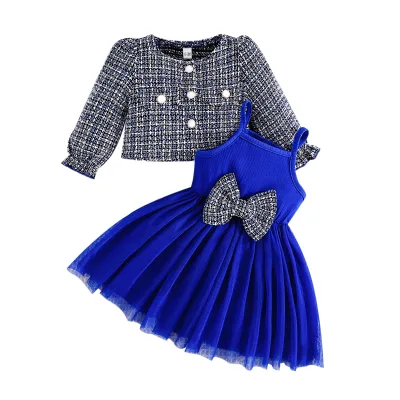
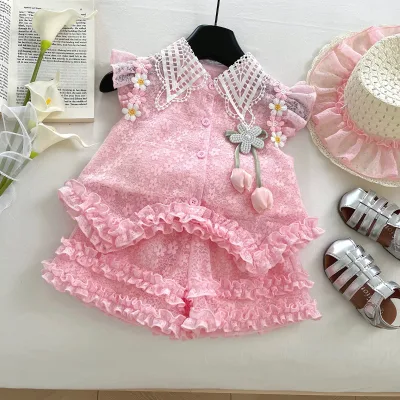
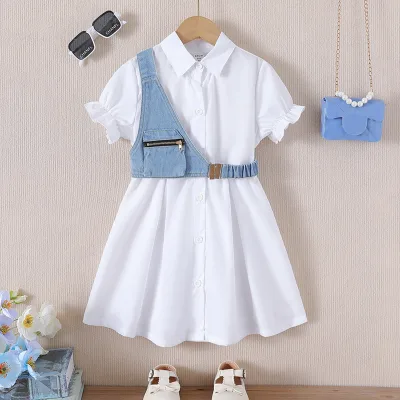
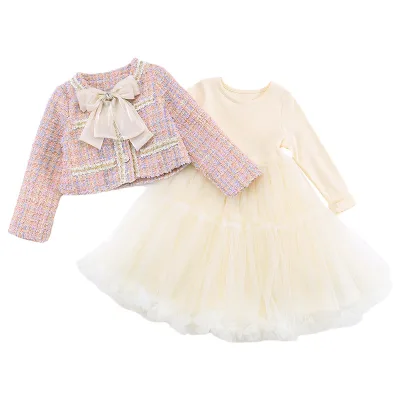
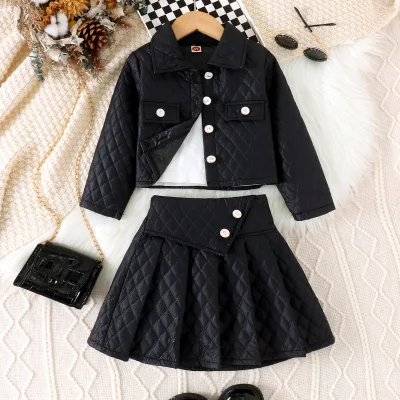
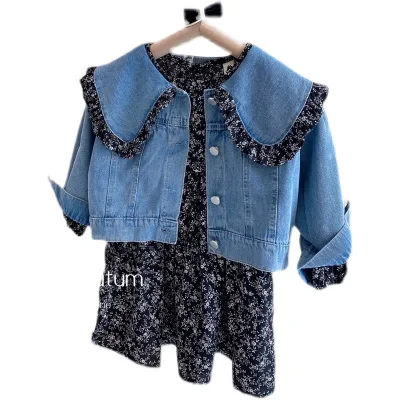


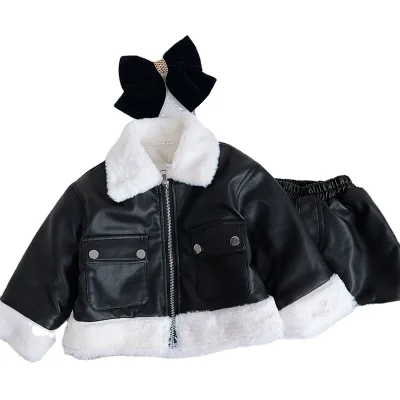

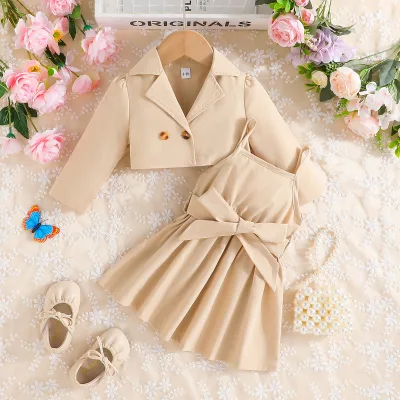
Elegant and Stylish Small Coat Vest Dress Set for Spring and Autumn
$12.00 - $17.60
MOQ: 100 Two-piece set
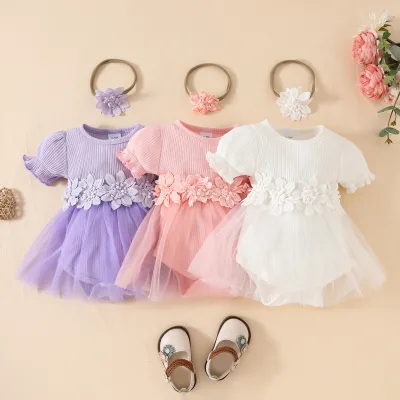


Comprehensive Sourcing Guide
Strategic Sourcing Guide for Sweet Boutique Girl Dress and Coat Sets
Understanding Product Attributes and Design Specifications
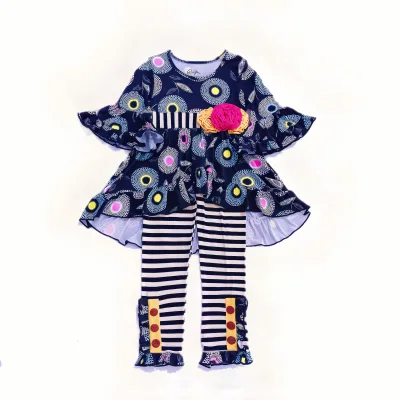
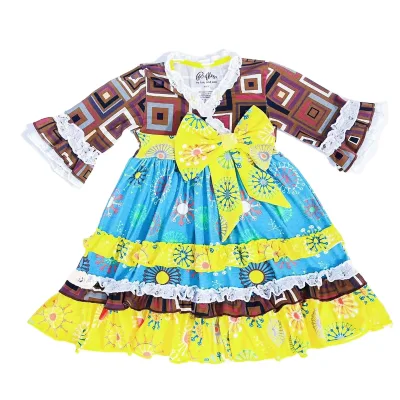
When sourcing a "Sweet Boutique Girl Dress and Coat Set," buyers must first establish a clear understanding of the specific design attributes that define this category. The product landscape for this keyword is characterized by a distinct aesthetic that blends casual comfort with boutique-style elegance. Based on observed market data, the "Sweet" style is a primary classification, often paired with "Casual" attributes to ensure wearability for daily occasions. The target demographic for these sets typically spans a wide age range, from infants to school-aged children, with specific size mappings such as 90cm (2 years) up to 150cm (9 years).
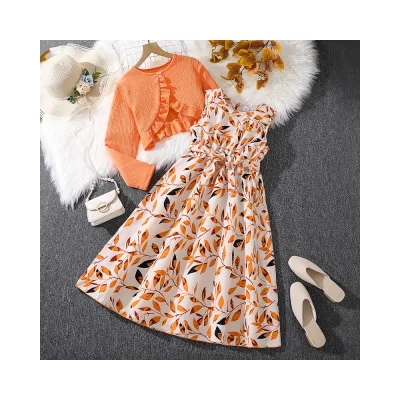
The material composition is a critical differentiator in this sector. Supply chains frequently offer variations ranging from 100% Cotton to Polyester blends, or Polyester/Cotton mixes. The choice of fabric directly influences the "Sweet" and "Boutique" feel of the garment. For instance, knitted techniques are often employed to create soft, stretchable fabrics suitable for younger children, while woven cotton or polyester blends may be used for structured coats and dresses. The pattern types observed in this category are predominantly floral or plant-based, reinforcing the natural and gentle aesthetic associated with boutique fashion.
Color palettes are equally significant in defining the product's appeal. Market observations indicate a preference for soft, pastel tones such as pink and beige, which align with the "sweet" branding. However, functional variations exist, including black options that may serve as versatile base layers or alternative colorways. The design details often include specific features like long sleeves, button-up collars, and specific logo placements, such as on the neck or a designated single position. These elements collectively create the visual identity required for a successful boutique collection.
Technical Specifications and Sizing Standards
Technical precision is paramount when ordering children's apparel, particularly for sets that include both a dress and a coat. The physical specifications of the product must be meticulously documented to avoid fulfillment errors. Observed data reveals that single package sizes can vary significantly depending on the complexity of the set and the packaging method. For example, some items are packed in compact dimensions of 10x10x2 cm, while more substantial sets with coats may require packaging of 35x30x8 cm. The single gross weight is another critical metric, ranging from 0.200 kg for lighter items to 0.600 kg for heavier, multi-piece sets.
Sizing standards for children's apparel require careful attention to age-to-size correlations. The market data indicates a granular approach to sizing, where specific centimeter measurements correspond to approximate ages. A 90cm size typically aligns with a 2-year-old, while a 150cm size corresponds to a 9-year-old. Intermediate sizes such as 100cm, 110cm, 120cm, 130cm, and 140cm cover the 3 to 7-year-old range. Buyers must verify that the supplier's size charts align with the target market's standards, as discrepancies can lead to high return rates.
The model numbers and product codes serve as unique identifiers for these specifications. Identifiers such as "30167" or "ljn827" help in tracking specific designs, while model names like "Set Dress-057N" or "Set Dress-034J" provide context for the style. The "Other Children's Apparels" category often encompasses these sets, requiring buyers to cross-reference specific model numbers to ensure they are ordering the correct dress and coat combination. Additionally, the production standard is often listed as "customized," indicating that buyers may need to provide specific technical sheets or design files to ensure the final product meets their exact requirements.
Compliance, Certification, and Safety Standards
While the specific certification status of suppliers is not universally disclosed in general product listings, the nature of children's apparel necessitates rigorous compliance checks. Buyers must verify that all materials, particularly those in direct contact with a child's skin, meet safety standards for flammability, chemical content, and physical safety. The "Sweet" and "Boutique" aesthetic often involves decorative elements like buttons, zippers, or embellishments, which must be securely attached to prevent choking hazards.
For products originating from regions like Zhejiang or Fujian in China, buyers should be aware of the varying levels of regulatory oversight. Although the supply type includes ODM (Original Design Manufacturing) and OEM (Original Equipment Manufacturing) services, the actual compliance with international standards such as ASTM F963 (USA) or EN71 (Europe) must be confirmed on a per-shipment basis. The "customized" standard noted in product data suggests that the supplier is capable of adapting to specific regulatory requirements, but this capability must be validated through documentation.
Buyers should request test reports for every batch, focusing on formaldehyde content, pH levels, and the presence of heavy metals. The material composition, whether 100% cotton or polyester blends, must be accurately labeled to ensure compliance with textile labeling laws. Furthermore, the "Boutique" feature implies a higher quality expectation, which often correlates with stricter quality control protocols regarding stitching strength and colorfastness. Without explicit certification data in the product listing, the buyer's responsibility is to mandate these tests as a condition of the order to mitigate liability risks.
Cost Drivers and Pricing Dynamics
The pricing structure for sweet boutique girl dress and coat sets is influenced by several key factors, including material costs, customization levels, and order volume. The observed price range in the market spans from $0.50 to $20.00 USD, a wide spectrum that reflects the diversity in quality and complexity. Lower price points often correspond to simpler designs, basic materials like standard polyester, and higher minimum order quantities (MOQs). Conversely, the upper end of the price range typically involves premium materials such as 100% cotton, intricate knitting techniques, and lower MOQs that allow for smaller, more exclusive batches.
MOQ requirements vary significantly across suppliers. While some listings indicate an MOQ of 10,000 units, others offer much lower thresholds, such as 1 unit or 100 units. This discrepancy highlights the difference between mass-market manufacturers and boutique-focused suppliers. Buyers seeking small batch production for testing or niche markets should prioritize suppliers with lower MOQs, even if the unit cost is higher. The "In-Stock Items" supply type suggests that some suppliers offer immediate availability, which can reduce lead times but may limit customization options compared to ODM services.
Additional cost drivers include packaging and logistics. The use of OPP bags or individual polybags adds to the unit cost, as does the weight of the product, which affects shipping fees. A set weighing 0.600 kg will incur higher freight costs than a 0.200 kg item. Buyers must also consider the cost of customization, such as adding a specific logo to the neck or altering the color palette. The "OEM: Yes" attribute indicates that branding services are available, but these services often come with a premium. Understanding these variables is essential for accurate budgeting and margin calculation.
Supplier Evaluation and Verification
Evaluating suppliers for children's boutique sets requires a multi-faceted approach that goes beyond simple price comparison. The "Supply Type" data indicates a mix of in-stock items, ODM, and OEM services. Buyers should prioritize suppliers who demonstrate flexibility in both design and production. A supplier offering ODM services can provide design expertise, which is valuable for creating unique "sweet" aesthetics, while OEM capabilities are crucial for brands that have their own designs but need manufacturing partners.
Geographic location is another factor in supplier evaluation. Products originating from Zhejiang and Fujian, China, are common in this sector, but buyers should verify the specific factory capabilities rather than relying solely on the province. The presence of a "7 days sample order lead time" is a strong indicator of a responsive supplier, allowing for rapid prototyping and design validation. However, buyers must distinguish between sample lead times and full production lead times, as the latter can vary significantly based on order volume and complexity.
The "Brand Name: No brand" attribute in some listings suggests that many suppliers operate as white-label manufacturers. This is advantageous for buyers looking to build their own brand, but it requires a robust quality assurance process to ensure the product meets the buyer's standards before branding. Buyers should request references, view past work, and verify the supplier's capacity to handle the required volume. The ability to provide a "customized" standard is a positive sign, but it must be backed by a clear communication channel and a proven track record of meeting deadlines.
Quality Control and Long-Term Procurement Strategy
Implementing a rigorous quality control (QC) strategy is essential for maintaining the "Boutique" reputation of the product line. Given the age range of the target market, from 0-9 months to 9 years, the margin for error in quality is minimal. QC checks should focus on material consistency, stitching integrity, and the security of all components. For knitted items, buyers should verify the absence of loose threads or uneven tension. For woven items, checks should include seam strength and color consistency across different batches.
The "Feature: Boutique" attribute implies a higher standard of finish. Buyers should establish a clear quality benchmark that includes visual inspections for defects such as stains, misaligned patterns, or loose buttons. Testing the fabric for shrinkage and colorfastness after washing is also critical, especially for cotton blends. The "Single gross weight" and "Single package size" data should be used to verify that the final product matches the specifications provided during the sampling phase. Any deviation in weight or dimensions could indicate a change in material quality or packaging standards.
For long-term procurement, building a strategic relationship with suppliers is key. The availability of "Customization" and "OEM" services suggests that suppliers are willing to adapt to changing market trends. Buyers should aim to secure a partnership that allows for continuous improvement in design and quality. Regular audits and feedback loops can help maintain high standards over time. Additionally, diversifying the supplier base can mitigate risks associated with supply chain disruptions. By understanding the technical specifications, compliance requirements, and cost drivers outlined in this guide, buyers can make informed decisions that ensure the success of their Sweet Boutique Girl Dress and Coat Set collections.
Comparative Analysis of Product Variants
To assist buyers in making informed decisions, the following table summarizes the key differences observed between common product variants in this category. This comparison highlights the trade-offs between material, size, and packaging that influence the final procurement strategy.
| Feature | Variant A (Lightweight) | Variant B (Heavyweight/Coat) | Variant C (Custom/ODM) |
|---|---|---|---|
| Material | Polyester / Cotton | 100% Cotton | Customized (Varies) |
| Style | Casual / Sweet | Sweet / Daily | Boutique / Custom |
| Pattern | Floral / Plant | Plant / Floral | Custom Design |
| Packaging | 10x10x2 cm (Compact) | 35x30x8 cm (Large) | OPP Bag / Polybag |
| Weight | 0.200 kg | 0.600 kg | Variable |
| MOQ | 1 - 200 (Flexible) | 10,000 (High Volume) | Negotiable |
| Origin | Zhejiang / Fujian | China | China |
| Lead Time | 7 Days (Sample) | Standard Production | Customized |
This table illustrates that while the core aesthetic remains consistent, the operational requirements vary widely. Buyers must align their order volume and timeline expectations with the specific variant they choose. The trade-off between lower MOQs and higher unit costs is a recurring theme, as is the balance between standard packaging and customized solutions. Understanding these nuances allows for a more efficient sourcing process that minimizes risk and maximizes value.
FAQs
What materials are used for sweet boutique girl dress and coat sets?
Materials typically include polyester, cotton, or polyester-cotton blends. Some specific items are made from 100% cotton or feature knitted techniques for softness, ensuring comfort for children ranging from infants to school age.
Which age ranges are covered by these dress and coat sets?
Sets are available for ages corresponding to sizes from 90cm to 150cm. Specific mappings include 90cm for 2 years, 100cm for 3 years, and up to 150cm for 9 years, covering toddlers through early elementary school.
Can suppliers provide customization for these boutique sets?
Yes, customization is available for many listings including logo placement and design adjustments. Suppliers often support OEM services and offer customized standards, allowing buyers to tailor products to their specific brand requirements.
What is the typical lead time for sample orders?
Sample orders can be supported with a lead time of 7 days. This quick turnaround allows buyers to verify quality and design before committing to larger production runs or full inventory orders.
How does the MOQ vary for these children's apparel sets?
Minimum order quantities range widely from as low as 1 unit to 10,000 units depending on the supplier. Lower MOQs suit small batch testing, while higher volumes often apply to mass production or specific factory constraints.
Where are these products typically manufactured?
Products originate primarily from Zhejiang and Fujian provinces in China. These regions are known for their textile manufacturing capabilities and offer a mix of in-stock items and custom manufacturing services.