Source Sweet Orange Powder Edible Flavor for Bakery, Beverage, and Dairy
Compare 30 listings for Sweet Orange Powder Edible Flavor from verified suppliers. Buyers can evaluate specifications like state, shelf life, and certifications including ISO and HACCP to find suitable options for food applications.
Key considerations
Products List


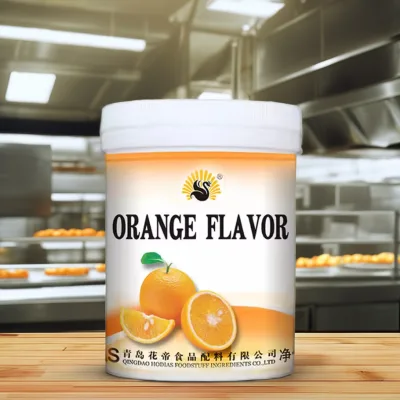
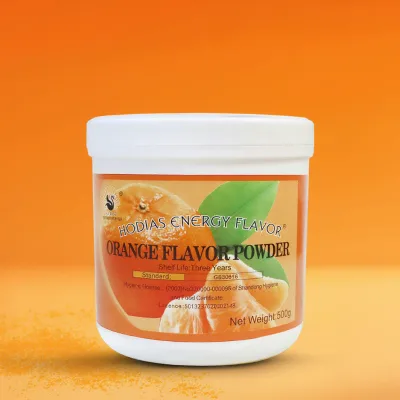


Hot Selling Colorful Sweet Fruit Flavour Jelly Pudding with Sour Powder
$20.00 - $22.00
MOQ: 100 Boxes

Comprehensive Sourcing Guide
Strategic Sourcing Guide for Sweet Orange Powder Edible Flavor
Understanding Product Specifications and Physical Attributes
When sourcing Sweet Orange Powder Edible Flavor, the first step is to rigorously define the physical and chemical specifications that align with your production needs. The market for this category is diverse, characterized by variations in state, resource origin, and chemical composition. Based on available industry data, edible flavors in this segment are frequently observed in a powder state, though liquid and concrete forms also exist in the broader flavor market. For a specific "sweet orange powder," the physical state must be confirmed as a fine, free-flowing powder to ensure accurate dosing in dry mixes or reconstitution in beverages.
The resource origin is a critical differentiator. Buyers must distinguish between natural extracts and synthetic alternatives. Some products in the supply chain are derived from natural sources, such as grape extracts or other botanical origins, while others are produced via chemosynthesis or as synthetic flavors. The specific attribute of "sweet orange" often implies a complex profile that may be achieved through natural extraction or by blending specific synthetic compounds to mimic the fruit's aromatic profile. The main substances listed in product specifications can range from specific food flavor ingredients to broader categories like monosodium glutamate, which serves as a flavor enhancer rather than the primary flavoring agent.
Packaging is another vital specification to verify. The industry standard for bulk powder flavors often involves drums, cartons, or specific bag configurations. Observed packaging materials include metal, paper, and plastic, with common configurations ranging from 25kg drums to 500g foil bags. Some suppliers offer flexible packaging options like PP bags or combinations of bags within cartons. The choice of packaging directly impacts the shelf life and protection of the flavor against moisture and oxidation. Buyers should verify if the packaging material is compatible with the specific storage conditions required for the flavor to maintain its integrity during transit and storage.
Compliance Standards and Certification Verification
Navigating the regulatory landscape is essential for importing edible flavors, particularly when the product is intended for human consumption. The global market for food additives and flavors is heavily regulated, requiring suppliers to demonstrate compliance with international and local standards. A robust supplier should possess a portfolio of certifications that validate their quality management systems and safety protocols. Common certifications observed in this sector include HACCP, FDA, ISO, and BRC. These certifications indicate that the supplier adheres to strict hygiene, safety, and quality control measures throughout the production process.
Specific product standards also play a pivotal role in compliance. In the context of food additives, standards such as GB30616 are frequently referenced. This standard typically governs the specifications for food flavor ingredients, ensuring that the product meets safety thresholds for heavy metals, pesticides, and other contaminants. Additionally, purity standards like "99% min" or "99%" are often cited as specifications for the main active ingredients. Buyers must verify that the product's stated standard matches the regulatory requirements of their target market. For instance, if the product is intended for the European market, compliance with specific EU regulations is mandatory, whereas products for the US market must meet FDA guidelines.
It is crucial to note that while some products may claim compliance with ISO9001, this is a general quality management standard and does not specifically guarantee food safety. Buyers should prioritize certifications that are directly relevant to food production, such as HACCP and BRC, over general manufacturing standards. The presence of certifications like FDA and ISO in the product documentation is a strong indicator of a supplier's commitment to quality, but verification of the current validity of these certificates is necessary. Buyers should request copies of the most recent audit reports to ensure that the certifications are active and cover the specific manufacturing site.
Cost Drivers and Pricing Dynamics
The pricing of Sweet Orange Powder Edible Flavor is influenced by a complex interplay of factors, including the raw material source, production method, and packaging requirements. The distinction between natural and synthetic resources is a primary cost driver. Natural extracts, derived from actual fruit or botanical sources, generally command a higher price point due to the variability of raw material supply and the more intensive extraction processes involved. In contrast, synthetic flavors, produced via chemosynthesis, offer a more consistent and often lower-cost alternative, making them attractive for high-volume applications where cost efficiency is paramount.
Packaging specifications also significantly impact the final cost. Bulk packaging, such as 25kg drums or large PP bags, typically offers a lower unit price compared to smaller, consumer-ready packaging like 500g foil bags. The choice of packaging material, whether metal, paper, or plastic, adds another layer of cost variation. Suppliers may offer different price tiers based on the quantity ordered, with Minimum Order Quantities (MOQ) ranging widely from 100kg to 500kg. Buyers should be aware that smaller MOQs, such as 1kg or 100kg, may incur a higher per-unit cost due to the logistical overhead of handling smaller batches.
Lead times and supply chain logistics are additional cost considerations. A lead time of 7 days is observed in some contexts, but this can vary based on the supplier's inventory levels and production schedule. Longer lead times may be associated with custom formulations or large-scale production runs. Furthermore, the shelf life of the product, which can range from 12 to 24 months depending on the formulation and storage conditions, affects the inventory management costs for the buyer. Products with longer shelf lives offer more flexibility in stockpiling, potentially reducing the frequency of reordering and associated logistics costs. Buyers should factor in these variables when negotiating contracts to ensure a total cost of ownership that aligns with their budget.
Typical Applications and Usage Scenarios
Sweet Orange Powder Edible Flavor is a versatile ingredient used across a wide spectrum of food and beverage applications. Its primary function is to impart a distinct, sweet orange aroma and taste to various products. The applications listed in industry data include health care products, food, dairy, drinks, beverages, bakery items, and confectionery. This versatility makes it a valuable asset for manufacturers looking to enhance the flavor profile of their products without altering the texture or consistency significantly.
In the beverage industry, the flavor is often used in powdered drink mixes, fruit-flavored waters, and carbonated soft drinks. The solubility of the flavor, which can be water or oil-soluble depending on the formulation, is a critical factor in its application. Water-soluble flavors are ideal for clear beverages and powdered mixes, while oil-soluble variants are better suited for fat-based products like chocolate or bakery fillings. The state of the flavor, whether powder, liquid, or concrete, also dictates its suitability for specific applications. Powdered flavors are particularly popular in dry mixes, such as cake mixes, instant soups, and snack seasonings, where they can be easily blended with other dry ingredients.
For the bakery and confectionery sectors, sweet orange powder flavor adds a bright, citrusy note to cakes, cookies, and candies. It can be used to mask off-flavors or to create a specific flavor profile that appeals to consumers. In the health care sector, the flavor may be used to improve the palatability of supplements or functional foods. The application scope is broad, and buyers should consult with their product development teams to determine the optimal dosage and form of the flavor for their specific product line. Understanding the interaction between the flavor and other ingredients is essential to ensure the desired sensory outcome.
Supplier Evaluation and Selection Criteria
Selecting the right supplier for Sweet Orange Powder Edible Flavor requires a comprehensive evaluation of their capabilities, reliability, and commitment to quality. Buyers should prioritize suppliers who demonstrate transparency in their product specifications and provide clear documentation regarding certifications and standards. The presence of certifications like HACCP, FDA, ISO, and BRC is a strong indicator of a supplier's adherence to quality and safety standards. However, buyers should not rely solely on the presence of these certifications; they must verify the scope and validity of each certificate.
Customization capabilities are another key criterion. Many suppliers offer OEM (Original Equipment Manufacturer) services, allowing buyers to request specific formulations, packaging, or labeling. The availability of customization, such as adjusting the concentration of the main substances or modifying the packaging size, can be a significant advantage for buyers with unique product requirements. Suppliers who offer flexible MOQs and have a proven track record of meeting lead times are preferable, as they can adapt to the buyer's changing needs.
The supplier's location and logistics capabilities also play a role in the selection process. A supplier located in China, for example, may offer competitive pricing but requires careful consideration of import regulations and shipping logistics. Buyers should assess the supplier's ability to handle international shipping, including the provision of necessary documentation for customs clearance. Additionally, the supplier's response time and communication efficiency are important factors. A supplier that is responsive and proactive in addressing queries and resolving issues can significantly reduce the risk of supply chain disruptions.
Quality Control and Long-Term Procurement Strategy
Implementing a robust quality control (QC) strategy is essential for ensuring the consistency and safety of Sweet Orange Powder Edible Flavor. Buyers should establish clear quality benchmarks based on the product specifications, including parameters for purity, solubility, and sensory attributes. Regular testing of incoming shipments is recommended to verify that the product meets the agreed-upon standards. This may involve third-party laboratory testing for contaminants, microbial counts, and flavor profile analysis.
Long-term procurement considerations involve building a strategic relationship with suppliers that extends beyond individual transactions. Buyers should aim to secure supply agreements that include provisions for quality assurance, delivery schedules, and price stability. Negotiating contracts that account for potential fluctuations in raw material costs can help mitigate financial risks. Additionally, maintaining a diversified supplier base can reduce the risk of supply chain disruptions. Having multiple qualified suppliers ensures that the buyer can switch sources if one supplier faces production issues or quality problems.
Shelf life and storage conditions are critical long-term factors. Buyers must ensure that the product is stored in conditions that maintain its quality, such as normal storage methods as specified by the supplier. The shelf life, which can range from 12 to 24 months, should be factored into inventory planning to prevent product expiration. Regular audits of the supplier's production facilities and quality control processes can help maintain high standards over time. By adopting a proactive approach to quality control and supplier management, buyers can ensure a reliable supply of high-quality Sweet Orange Powder Edible Flavor for their production needs.
Comparative Analysis of Product Variants
To facilitate informed decision-making, it is helpful to compare different product variants based on key attributes. The following table summarizes the observed variations in state, resource, and packaging found in the market.
| Attribute | Variant A | Variant B | Variant C |
|---|---|---|---|
| State | Powder | Liquid | Concrete |
| Resource | Natural | Chemosynthesis | Synthetic Flavor |
| Packaging | Drum | Bag Bucket Carton | 25kg |
| MOQ | 100kg | 500kg | 100kg |
| Standard | GB30616 | 99% min | 25kg |
| Certification | HACCP, FDA, ISO | ISO | HACCP, FDA, ISO |
| Shelf Life | 24 Months | 12 Months | 24 Months |
This comparison highlights the diversity in the market. Variant A, for instance, offers a natural resource with a long shelf life and comprehensive certifications, making it suitable for premium applications. Variant B, with its liquid state and chemosynthesis resource, may be better suited for specific beverage applications where solubility is key. Variant C represents a standard synthetic option with a focus on bulk packaging. Buyers should select the variant that best aligns with their specific application requirements, regulatory constraints, and budget considerations. Understanding these differences allows for a more precise and effective sourcing strategy.
FAQs
What certifications do Sweet Orange Powder Edible Flavor suppliers typically hold?
Suppliers typically hold HACCP, FDA, ISO, and BRC certifications to ensure safety. These credentials validate quality management systems and hygiene protocols required for food-grade ingredients in international trade.
How is the shelf life of Sweet Orange Powder Edible Flavor defined?
The shelf life is observed as either 12 months or 24 months depending on the specific formulation. Proper storage under normal conditions is required to maintain product integrity throughout this period.
Which packaging materials are commonly used for Sweet Orange Powder Edible Flavor?
Common packaging materials include metal, paper, and plastic containers. Products are often packed in drums, cartons, PP bags, or foil bags with weights ranging from 25kg to 500g.
Can Sweet Orange Powder Edible Flavor be customized for specific applications?
Yes, customization is available for specific flavor profiles and packaging needs. Suppliers often offer OEM services to adjust formulations for health care products, dairy, or bakery applications.
What is the typical lead time for ordering Sweet Orange Powder Edible Flavor?
The typical lead time is 7 days for standard orders. This duration may vary based on inventory levels and specific customization requirements requested by the buyer.
What are the main substances found in Sweet Orange Powder Edible Flavor?
Main substances include food flavor ingredients and monosodium glutamate as a flavor enhancer. Some variants are derived from natural sources like grape extracts while others use chemosynthesis.
Which specifications define the quality of Sweet Orange Powder Edible Flavor?
Quality is defined by standards such as GB30616 and purity levels of 99% min. The product model may also specify food grade requirements or specific chemical compositions.