Source Synthetic Menthol Crystals for Aromatherapy, food, and tobacco
Find 30 listings for Synthetic Menthol Crystals for Aromatherapy, food flavoring, and industrial applications. Buyers can compare purity levels, melting points, and packaging options from verified suppliers in Hebei, China.
Key considerations
Products List
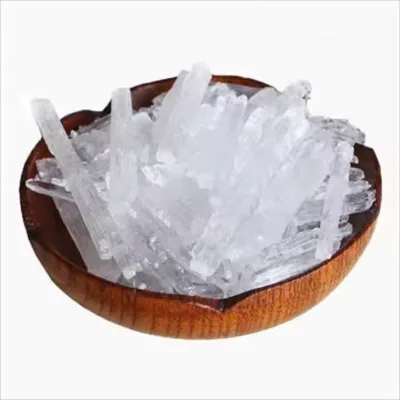
Menthol Crystals for Aromatherapy, Pain Relief, and Skin Care Solutions
$17.39 - $22.50
MOQ: 20 kilograms


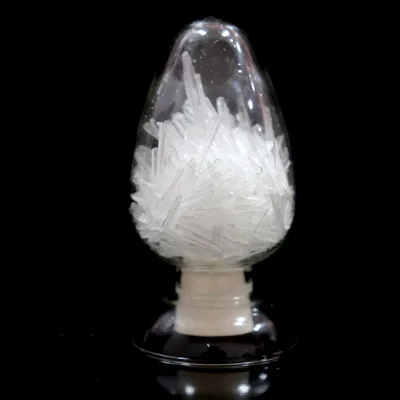



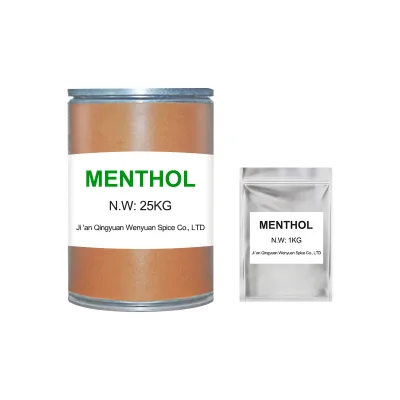
Export in Bulk of High Quality Natural Flavor Menthol Scented Menthol Crystals
$20.00 - $28.00
MOQ: 2 kilograms


Comprehensive Sourcing Guide
Synthetic Menthol Crystals for Aromatherapy Sourcing Guide
Sourcing Synthetic Menthol Crystals for Aromatherapy and related industrial applications requires a disciplined approach to verifying chemical identity, purity, and supply chain transparency. The market for this compound is characterized by a wide variance in listed specifications, with observed price points ranging from $0.10 to $50.00 USD and minimum order quantities (MOQs) spanning from 1 to 200 units. These broad ranges indicate that buyers must look beyond surface-level listing data to identify suppliers who can consistently deliver high-purity material suitable for sensitive applications such as flavoring, fragrance, and health care products. The core keyword for this procurement effort is Synthetic Menthol Crystals for Aromatherapy, which necessitates a focus on suppliers who can provide verifiable chemical data rather than generic flavoring agents.
The procurement landscape for menthol is dominated by suppliers originating from Hebei, China, with many listings citing CAS No. 89-78-1 and EINECS No. 2665. However, buyers must exercise caution as some listings may conflate natural and synthetic sources or provide conflicting model numbers, such as 89-78-1 versus 15356-70-4. The physical appearance of the product is typically described as colorless, transparent prismatic crystals, with a melting point range of 41–44°C. To ensure quality, buyers should prioritize suppliers who explicitly state a purity of ≥99.0% via Gas Chromatography (GC) and provide clear documentation regarding the extract source, whether mint-derived or fully synthetic, as this distinction impacts both regulatory compliance and end-user perception in aromatherapy contexts.
Product Scope and Observed Listing Signals
The product scope for synthetic menthol crystals extends beyond simple aromatherapy use, encompassing daily flavor, food flavor, tobacco flavor, and industrial flavor applications. Listings often highlight the product’s versatility, noting its use in the food field, detergent raw materials, and health care products. Buyers should recognize that while the core chemical identity remains consistent, the grade of menthol required for ingestion or topical application differs significantly from that intended for industrial cleaning agents. Therefore, the initial screening of suppliers must focus on those who explicitly declare their product as "Food Grade" or suitable for "Health Care Products," ensuring that the material meets the stringent purity and safety standards required for human contact or consumption.
Observed listing signals reveal a mix of packaging standards and physical attributes that buyers must interpret carefully. Common packaging formats include 25kg fiber drums, cardboard barrels, and general drums, with some suppliers specifying "25KG/Drum" as a standard unit. The product is described as having a neutral surface disposal agent property and is noted for its volatility, requiring storage in cool, dry conditions to maintain stability. Additionally, some listings mention a shelf life of 24 months or greater than 12 months, which is critical for inventory planning. Buyers should verify that the supplier’s packaging aligns with their storage capabilities and that the stated shelf life is supported by stability testing data, as improper storage can lead to degradation of the crystal structure and loss of aromatic potency.
Technical Specifications to Verify
Verifying the technical specifications of synthetic menthol is paramount to ensuring product efficacy and safety. The molecular formula C10H20O and the CAS number 89-78-1 serve as the primary identifiers for the compound, but buyers must confirm that the supplier’s batch analysis matches these identifiers. The melting point is a critical physical property, with the accepted range being 41–44°C; deviations from this range may indicate impurities or incorrect isomer composition. Buyers should request a Certificate of Analysis (CoA) for each batch that explicitly states the melting point, appearance (colorless and transparent prismatic crystals), and state (solid) to ensure consistency with industry standards.
Purity is another non-negotiable technical specification, with high-quality synthetic menthol typically requiring a purity of ≥99.0% as determined by Gas Chromatography (GC). Buyers must ensure that the supplier provides detailed GC chromatograms that show the absence of significant impurities, such as isomers or residual solvents. Additionally, the product’s acidity and basicity should be neutral, as indicated by the "Neutral Surface Disposal Agent" attribute, which is important for applications where pH balance is critical. Buyers should also verify the environmental protection status of the product, ensuring that the manufacturing process adheres to relevant environmental standards, as this can impact the supplier’s long-term viability and regulatory compliance.
Compliance and Safety Documentation
Compliance and safety documentation are essential for mitigating risks associated with the procurement of synthetic menthol. Buyers must ensure that suppliers provide comprehensive safety data sheets (SDS) that detail the product’s toxicity profile, storage conditions, and handling procedures. Some listings indicate a "Significant Toxicity Risk," which necessitates careful handling and storage protocols to prevent accidental exposure. Buyers should verify that the supplier’s SDS aligns with international standards, such as GHS (Globally Harmonized System of Classification and Labelling of Chemicals), and that the product is labeled appropriately for its intended use, whether for food, fragrance, or industrial applications.
Regulatory compliance also involves verifying the product’s registration numbers, such as FEMA No. 201-939-0 and EINECS No. 2665, which are critical for market access in various regions. Buyers should confirm that the supplier has the necessary approvals to export the product to their target market and that the product meets local regulatory requirements for flavoring and fragrance ingredients. Additionally, buyers should inquire about the supplier’s quality management systems, such as ISO certifications, to ensure that the manufacturing process is controlled and consistent. This documentation is crucial for maintaining traceability and ensuring that the product can be safely integrated into the buyer’s supply chain.
Cost Drivers and Commercial Terms
Cost drivers for synthetic menthol crystals include the purity level, packaging format, and order volume. While observed prices range widely, buyers should focus on the total cost of ownership, which includes shipping, handling, and potential customs duties. Suppliers often offer flexible payment terms, such as a 30% TT down payment with the remaining 70% against the Bill of Lading copy, or Letters of Credit (L/C) at sight. Buyers should negotiate terms that align with their cash flow requirements and risk tolerance, ensuring that payment milestones are tied to verifiable delivery and quality acceptance.
The minimum order quantity (MOQ) is another significant commercial factor, with observed ranges from 1 to 200 units. Buyers should assess whether the MOQ aligns with their consumption rates and storage capacity, as ordering in bulk may offer cost savings but increases inventory holding costs. Additionally, buyers should consider the supplier’s lead times and production capacity, as delays can disrupt supply chains. Customization options are available for some suppliers, allowing buyers to tailor packaging or specifications to their specific needs, which can add value but may also impact cost and lead time.
Supplier Qualification and Quality Control
Supplier qualification is a critical step in the procurement process, requiring a thorough assessment of the supplier’s capabilities, reputation, and quality control systems. Buyers should verify the supplier’s place of origin, with many listings indicating Hebei, China, as the production hub. It is essential to confirm that the supplier has a robust quality control process, including regular testing of raw materials and finished products, to ensure consistency and compliance with specifications. Buyers should also inquire about the supplier’s experience in the industry, their client base, and any relevant certifications or awards that demonstrate their commitment to quality.
Quality control measures should include regular audits of the supplier’s manufacturing facilities, review of batch records, and verification of testing procedures. Buyers should establish clear quality acceptance criteria, including purity, melting point, and appearance, and ensure that the supplier has a process for handling non-conforming products. Additionally, buyers should consider implementing a supplier performance monitoring system to track key metrics such as on-time delivery, product quality, and responsiveness to issues. This proactive approach helps to mitigate risks and ensures a reliable supply of high-quality synthetic menthol crystals.
Long-Term Procurement Checks
Long-term procurement checks involve continuous monitoring of the supplier’s performance and the market landscape to ensure ongoing value and reliability. Buyers should regularly review the supplier’s pricing trends, quality consistency, and compliance status to identify any potential issues early. Additionally, buyers should stay informed about changes in regulatory requirements, market demand, and technological advancements that may impact the procurement of synthetic menthol. This ongoing vigilance helps to maintain a competitive supply chain and ensures that the buyer can adapt to changing market conditions.
Building a strong relationship with the supplier is also crucial for long-term success. Buyers should engage in regular communication with the supplier to discuss performance, address concerns, and explore opportunities for collaboration. This partnership approach can lead to improved service levels, better pricing, and access to new products or technologies. By maintaining a strategic focus on supplier qualification, quality control, and market monitoring, buyers can secure a reliable supply of high-quality synthetic menthol crystals for their aromatherapy and related applications.
FAQs
What is the purity level of the synthetic menthol crystals?
The purity level is at least 99.0% as verified by gas chromatography. This high-grade specification ensures the product meets strict quality standards for use in food, health care, and industrial flavor applications.
How should these menthol crystals be stored to maintain quality?
Store the crystals in a cool, dry place to preserve their integrity. The product has a shelf life of 24 months when kept under these normal storage conditions to prevent degradation.
Can buyers request customization for the menthol product packaging?
Yes, customization is available for this product. Buyers can choose from options like 25kg fiber drums or cardboard barrels to suit their specific logistical and distribution requirements.
What is the melting point of the synthetic menthol crystals?
The melting point ranges between 41 and 44 degrees Celsius. This physical property confirms the product is a solid at room temperature and appears as colorless and transparent prismatic crystals.
Which payment terms are accepted for purchasing these crystals?
Accepted payment methods include a 30% TT down payment with the remaining 70% against the Bill of Lading copy. Alternatively, buyers may use a Letter of Credit at sight for secure transactions.
What is the primary application field for this menthol product?
The primary application is in the food field, including daily, tobacco, and industrial flavors. It is also utilized as a raw material for detergents and health care products due to its natural fragrance.