Source T-Bar Rowing Machine for Gyms, Homes, and Clinics
Explore 30 verified listings for the T-Bar Rowing Machine suitable for gyms, home fitness, and rehabilitation clinics. Buyers can compare specifications, weights, and certifications from multiple manufacturers to find the right equipment for their needs; compare the available evidence and request quotations based on your requirements.
Key considerations
Products List
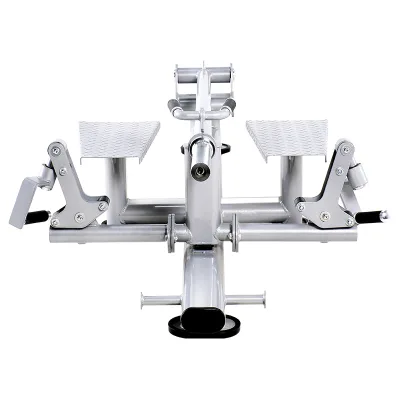
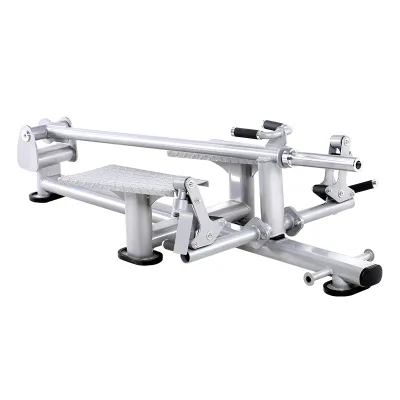
Commercial Steel T Bar Row Gym Machine Plate Loaded Fitness Exercise Equipment
$291.68 - $364.60
MOQ: 10 pieces
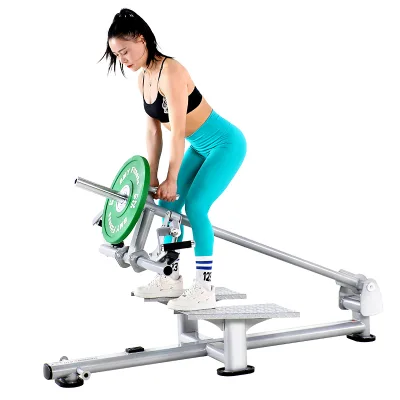

$300.00 - $390.00
MOQ: 1 Pieces


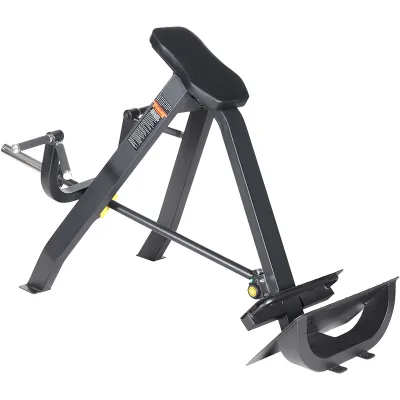
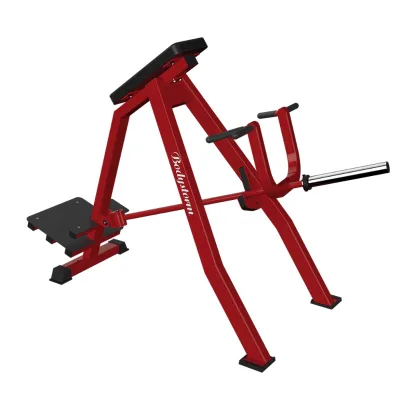


Durable Premium Fitness Equipment T Bar Rower for Home Gym Strength Building
$243.00 - $286.00
MOQ: 5 Pieces


Long-Lasting Plated Loaded Safety T-Bar Rowing Machine for Back Training
$250.00 - $270.00
MOQ: 2 Pieces


Comprehensive Sourcing Guide
T-Bar Rowing Machine Sourcing Guide
Sourcing a T-bar rowing machine requires careful attention to structural integrity and material specifications, as these components are subjected to significant repetitive stress during heavy lifting. Buyers must prioritize equipment constructed from high-grade steel, such as Q235, to ensure durability in high-traffic commercial environments. The observed market data indicates a wide variance in product attributes, ranging from lightweight home units to heavy-duty commercial trainers, necessitating a clear definition of intended use before engaging with suppliers.
Procurement decisions should be guided by specific model numbers and physical dimensions to avoid mismatches between supplier listings and facility requirements. Common models like HX-059 or TZ-6071 may share similar functional designs but differ significantly in weight, tube size, and overall footprint. Verifying the single package size and total machine weight is essential for logistics planning, as these factors directly impact shipping costs and installation feasibility within the target gym or fitness center space.
Product Scope and Observed Listing Signals
The current market for T-bar rowing machines displays a broad spectrum of configurations, primarily categorized by their intended application environment. Listings frequently distinguish between units designed for home use and those built for commercial gyms, with the latter often featuring reinforced steel tubes and higher weight capacities. The observed price range of 13 to 800 USD reflects this divergence, where lower-cost items may lack the robust construction required for intensive daily use by multiple athletes.
Buyers should note that many suppliers offer customization options, including branded logos and specific color schemes, which can be critical for facility branding. However, the presence of customization does not guarantee uniform quality across all SKUs. It is vital to examine the packaging details, such as wooden cases or plywood packing, as these indicate the level of protection provided during transit. Proper packaging is a strong indicator of a supplier’s commitment to delivering undamaged goods, especially for heavy items weighing up to 140kg.
Technical Specifications to Verify
Technical verification must begin with the steel tube dimensions and material grade, as these define the machine’s load-bearing capacity. Standard commercial units often utilize tubes measuring 50x100mm, constructed from Q235 steel, which provides a reliable balance of strength and flexibility. Buyers should request detailed engineering drawings or specification sheets to confirm that the tube thickness and weld quality meet the demands of heavy resistance training. Deviations from these standards can lead to premature failure under load.
The overall dimensions and weight of the unit are equally critical for spatial planning and structural support. Models such as GC-5094 may have specific standard dimensions like 2100x910x1330mm, which must fit within the designated floor area. Additionally, the machine’s weight, ranging from 67kg to 140kg depending on the model, affects stability during use. Heavier units generally offer better stability for heavy rowing, but buyers must ensure their facility’s flooring can support the concentrated load without damage.
Compliance and Safety Documentation
Compliance with international safety and quality standards is non-negotiable for commercial fitness equipment. Buyers should insist on valid CE and ISO certifications, which demonstrate that the manufacturer adheres to rigorous manufacturing and safety protocols. The presence of ISO9001 certification indicates a certified quality management system, ensuring consistent production standards. Without these documents, the risk of procuring substandard equipment increases significantly, potentially leading to liability issues in the event of equipment failure.
RoHS compliance is another important consideration, particularly for components that may come into direct contact with users. This certification ensures that hazardous substances are minimized in the manufacturing process, contributing to a safer environment for athletes. Buyers should verify that all certification documents are current and issued by recognized bodies. Relying on self-declared compliance without third-party verification can expose procurement teams to significant operational and legal risks.
Cost Drivers and Commercial Terms
Cost structures for T-bar rowing machines are influenced by material quality, customization requirements, and order volume. The observed minimum order quantity (MOQ) ranges from 1 to 30 pieces, allowing for flexibility in initial procurement. However, larger orders may unlock better pricing tiers, making it essential to calculate the total cost of ownership rather than just the unit price. Buyers should also consider the impact of custom logos and colors on the final cost, as these additions often incur setup fees.
Commercial terms, including delivery times and payment structures, play a crucial role in budget planning. Typical lead times are around 25 days after receiving the deposit, which must be factored into project schedules. The port of loading, often Tianjin for suppliers in Shandong, affects shipping logistics and insurance costs. Buyers should negotiate clear terms regarding packaging and handling to avoid hidden costs associated with damaged goods or expedited shipping requirements.
Supplier Qualification and Quality Control
Supplier qualification requires a thorough assessment of their manufacturing capabilities and export experience. Buyers should verify the supplier’s place of origin, with Jiangsu and Shandong being common hubs for fitness equipment production. These regions often have established supply chains for steel and metal fabrication, which can influence both quality and lead times. Requesting references from previous international clients can provide insight into the supplier’s reliability and after-sales support capabilities.
Quality control measures should be explicitly defined in the purchase agreement. This includes pre-shipment inspections to verify that the products match the agreed-upon specifications, including weight, dimensions, and finish. Buyers should also inquire about the supplier’s defect rate and warranty policies. A reputable supplier will offer a clear warranty for structural components, providing assurance against manufacturing defects. Establishing a direct line of communication for technical support is also advisable for long-term maintenance needs.
Long-Term Procurement Checks
Long-term procurement success depends on the supplier’s ability to provide consistent quality and timely updates on product improvements. Buyers should establish a regular review process to assess the performance of the equipment in the field. Feedback from gym staff and athletes can highlight any durability issues or ergonomic concerns that were not apparent during the initial sourcing phase. This feedback loop is essential for making informed decisions about future reorders or upgrades.
Maintaining a relationship with a reliable supplier can also facilitate access to new models and technologies. As the fitness industry evolves, suppliers may introduce updated designs with improved safety features or enhanced user experiences. Buyers should stay informed about these developments to ensure their facilities remain competitive. Regular communication with the supplier can also help in negotiating better terms for bulk orders, leveraging past successful transactions to secure favorable pricing and delivery conditions.
FAQs
What is the typical weight of a T-type rowing machine?
The typical weight ranges from 67kg to 140kg depending on the specific model and commercial grade construction. Heavier units often feature Q235 steel tubes sized at 50*100mm for enhanced stability during intense rowing sessions. Buyers should verify the exact weight specification for their intended gym capacity and floor load requirements.
Can I customize the logo and color of the equipment?
Yes, customized logos and colors are available for most commercial fitness equipment. Manufacturers typically accept OEM requests to align with your brand identity. You can select from optional black or custom colors to match your facility's aesthetic. This customization ensures a professional look while maintaining the structural integrity of the steel frame.
What certifications are required for commercial rowing machines?
Commercial rowing machines typically require CE and ISO9001 certifications to ensure safety and quality standards. These certifications verify that the equipment meets international regulatory requirements for gym use. Buyers should request valid certificates from suppliers to confirm compliance. Proper certification is essential for insurance coverage and safe operation in public fitness centers.
How long is the delivery time for bulk orders?
Delivery time is usually within 25 days after receiving the deposit. This timeline applies to standard production runs for commercial fitness equipment. Lead times may vary based on order volume and customization requirements. Buyers should confirm the exact schedule with the supplier to ensure timely installation and avoid delays in opening their fitness facilities.
What is the minimum order quantity for these machines?
The minimum order quantity is typically 10 pieces for standard commercial models. Some suppliers may accept lower MOQs for specific items, but bulk orders are preferred for cost efficiency. Buyers should check the specific MOQ requirements for each model. Ordering in larger quantities often reduces per-unit shipping costs and simplifies logistics for gym equipment procurement.
Where are these rowing machines manufactured?
These machines are primarily manufactured in Jiangsu and Shandong provinces in China. These regions are known for producing high-quality steel fitness equipment. Buyers can verify the specific place of origin for each model. Manufacturing in these areas often ensures competitive pricing and reliable supply chains for global export markets.