Source T Shirt and Mini Skirt Set for Summer, Daily, and Spring Use
Explore 30 listings for the T Shirt and Mini Skirt Set featuring high waist, long, and straight styles. Buyers can compare options in polyester and linen with customization support for various seasons and occasions.
Key considerations
Products List


Soft and Fresh Green Floral Halter Dress Two-Piece Set of Skirts
$15.80 - $18.80
MOQ: 100 Coat + Dress

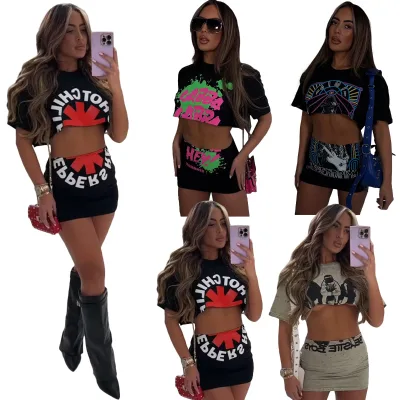
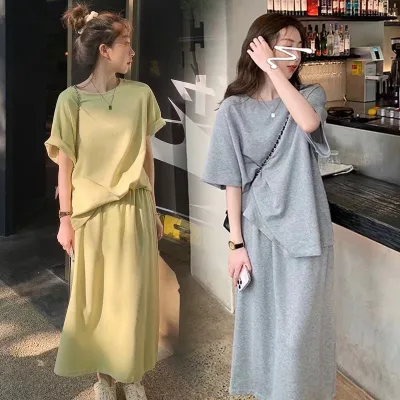


Fashionable Black Stripe Knit Tank Top and MIDI Skirt Matching Set for Women
$13.18 - $13.80
MOQ: 200 Sets

Fashion Knitted Black Short Sleeve and Skirt Sequin Set for Women Sweater
$22.80 - $23.90
MOQ: 200 Sets


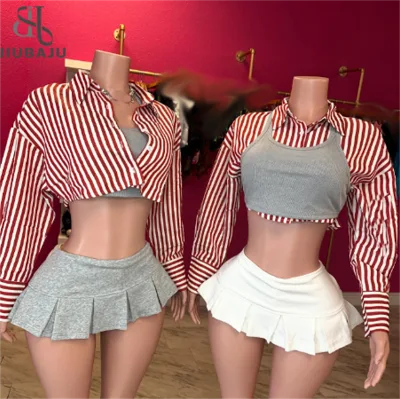
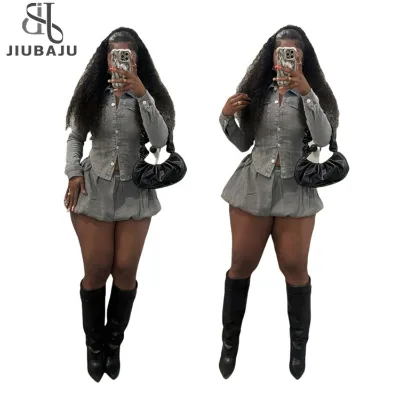
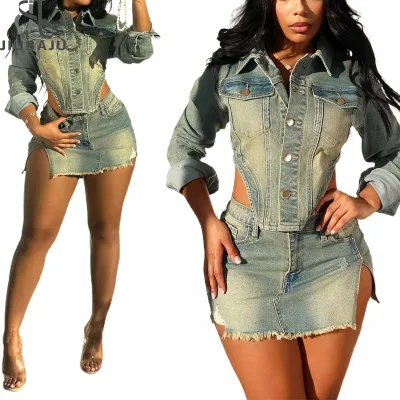
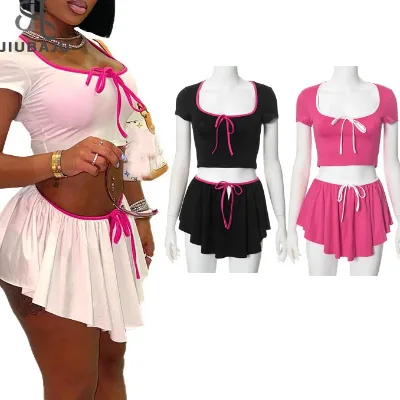
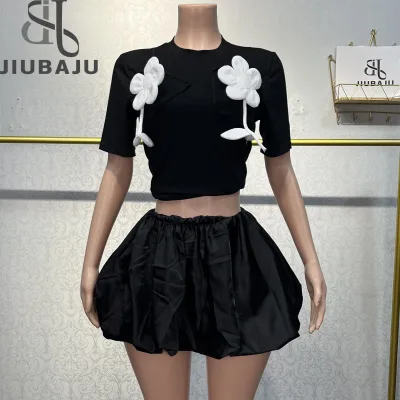
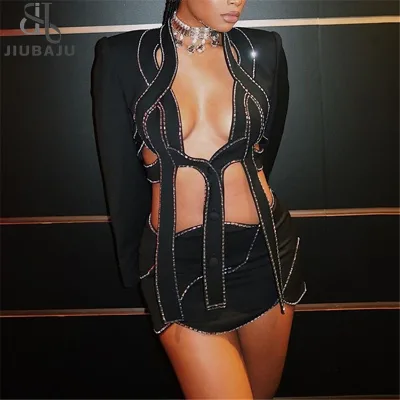


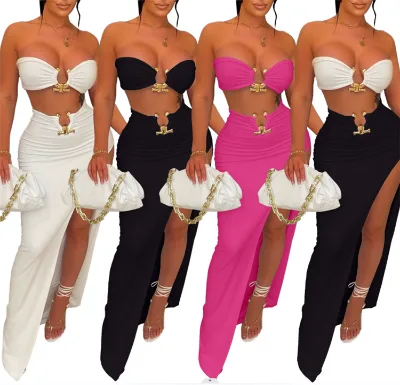
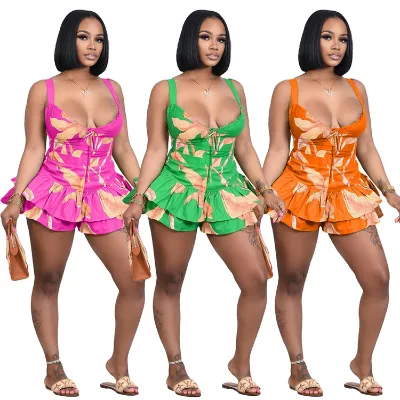

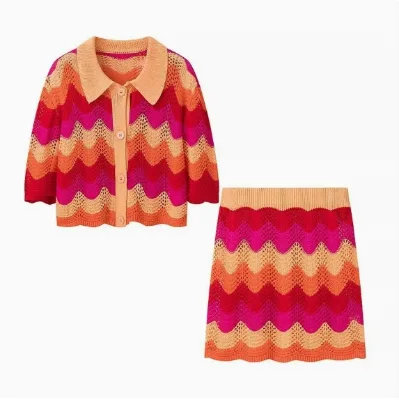


Women's Knitted Set V-Neck Tie-Front Long-Sleeve Top & Buttoned Mini Skirt
$30.00 - $40.00
MOQ: 2 pieces


Women's Summer Casual 2-Piece Set: Short Sleeve Top & Drawstring Mini Skirt
$8.00 - $9.00
MOQ: 1000 Pieces
Comprehensive Sourcing Guide
Strategic Sourcing Guide for T-Shirt and Mini Skirt Sets
The global apparel market for coordinated sets, specifically the t-shirt and mini skirt combination, presents a dynamic landscape for B2B procurement. Buyers seeking this category must navigate a complex array of material compositions, manufacturing techniques, and customization options. The following guide synthesizes available product data and industry standards to provide a disciplined framework for sourcing these items. This analysis focuses on technical specifications, compliance verification, cost structures, and supplier evaluation criteria to ensure a robust procurement strategy.
Technical Specifications and Material Composition
Understanding the technical attributes of the product is the foundational step in any sourcing decision. The core keyword "t-shirt and mini skirt set" implies a two-piece ensemble, yet the actual market data reveals a significant variance in product definitions. While the search term suggests a specific set, the available supply chain data indicates a broader inventory of individual garments, including skirts, dresses, and tops, which can be bundled to form the desired set.
Material composition is a critical differentiator. The observed product pool includes items made from Polyester, Linen, and Woolen fabrics. Polyester is frequently cited for its durability and suitability for Printed and Patterned designs, often featuring Breathable and Anti-Static properties. Linen options are noted for Spring/Summer and Summer seasons, offering a natural aesthetic often associated with Straight or Full Skirt styles. The presence of Crocheted technics suggests a niche segment within the market, likely targeting a more artisanal or textured look.
Size specifications vary widely across the supply base. Some listings explicitly state a range of S-3XL with the capability to be made in any size, while others specify a fixed S size. The High Waist shape is a recurring attribute for skirts, aligning with current fashion trends, while the Long length specification appears in the data, which may refer to maxi skirts or long dresses rather than the "mini" aspect of the core keyword. Buyers must verify that the specific SKU selected matches the intended "mini" length requirement, as the data contains conflicting length attributes such as Regular, Long, and Long Dress.
| Attribute Category | Observed Variations in Supply | Procurement Verification Required |
|---|---|---|
| Material | Polyester, Linen, Woolen | Confirm fiber content percentage and blend ratios. |
| Style | Full Skirt, Straight, Long Dress | Verify silhouette matches the "mini skirt" definition. |
| Season | Summer, Spring/Summer, Spring / Autumn | Ensure fabric weight and breathability suit the target season. |
| Pattern | Printed, Patterned, Logo, Plant, Other | Check print durability and alignment with brand identity. |
| Size | S-3XL (Custom), S (Fixed) | Confirm if the supplier supports the required size run. |
Customization Capabilities and Supply Models
The flexibility of the supply chain is a major advantage for buyers looking to differentiate their product lines. The data confirms that Customization is widely Available across the supplier base. A significant number of suppliers offer 7 Days Sample Customization, allowing for rapid prototyping and design validation before full-scale production. This short lead time for samples is a critical metric for buyers operating in fast-fashion environments.
The Supply Type is predominantly listed as OEM Service (Original Equipment Manufacturing). This indicates that suppliers are equipped to produce goods under the buyer's brand specifications, including private labeling. The Selling Units are typically Single Item, which facilitates the assembly of custom sets by the buyer or the supplier, depending on the logistics arrangement.
For buyers requiring specific branding, the Pattern attribute includes options for Logo placement and Plant motifs. However, some listings note Printing Methods None, suggesting that certain items may be dyed or woven rather than printed. Buyers must explicitly clarify the desired printing method (e.g., screen printing, digital printing) during the inquiry phase to ensure the supplier's capabilities align with the design requirements. The Collar Style options, ranging from Round Neck to V-Neck, further expand the customization potential for the t-shirt component of the set.
Compliance, Standards, and Certification Verification
In the B2B apparel sector, compliance is non-negotiable. While the provided data lists specific product standards such as 40303 and 40302, these appear to be dimensional packaging standards rather than safety or quality certifications. Buyers should not assume that a product listing these dimensions meets international safety standards without further verification.
The Product Origin is consistently listed as China, specifically Guangdong. This region is a major hub for textile manufacturing, but it necessitates rigorous due diligence regarding labor practices and environmental compliance. Buyers must verify that the supplier holds valid certifications for Oeko-Tex, ISO 9001, or specific regional safety standards relevant to their target market (e.g., CPSIA for the US, REACH for the EU). The data does not provide explicit certification status, so buyers must request documentation directly from the supplier.
Furthermore, the Fabric Type and Technics (such as Crocheted) may trigger specific regulatory requirements regarding flammability or chemical restrictions. The presence of Anti-Static features suggests the inclusion of specific treatments or fibers, which must be verified against the supplier's safety data sheets (SDS). Buyers should treat all performance claims, such as Breathable, as observations that require independent testing to validate against the buyer's internal quality benchmarks.
Cost Drivers and Pricing Dynamics
The pricing landscape for t-shirt and mini skirt sets is influenced by several key factors derived from the supply data. The observed price range in the market spans from 4.79 to 45 USD, a wide variance that reflects differences in material quality, customization complexity, and order volume.
Material Cost is a primary driver. Linen and Woolen fabrics generally command higher price points compared to standard Polyester. The Technics also play a role; Crocheted items often involve more labor-intensive production processes, potentially increasing the unit cost. Customization adds another layer of cost. While 7 Days Sample Customization is supported, the transition from sample to mass production involves setup costs for printing, pattern making, and dyeing.
MOQ (Minimum Order Quantity) is another critical cost variable. The observed MOQ range is 1 to 1000. Suppliers with an MOQ of 1 are ideal for testing new designs or small boutique orders, while those with an MOQ of 1000 are better suited for large-scale retail distribution. The Supply Ability of 50000 Piece/Pieces Per Month indicates that high-volume suppliers exist, but buyers must confirm if this capacity is available for their specific product configuration.
Packaging also impacts the final landed cost. The Product Packing is listed as Cardboard Box or Clear Plastic Bag with Carton outer packaging. The Single Gross Weight is noted as 0.500kg for some items, which directly influences shipping costs. Buyers should calculate the total cost of ownership, including packaging materials and freight, rather than focusing solely on the unit price.
Supplier Evaluation and Quality Control Protocols
Selecting the right supplier requires a multi-faceted evaluation process. Given the OEM Service nature of the suppliers, buyers must assess the supplier's technical infrastructure and quality control (QC) systems. The Fit Type is described as Loose, but this is a general observation. Buyers should request detailed size charts and fit samples to ensure the garment meets their specific fit requirements, as "Loose" can vary significantly between manufacturers.
Quality control should be implemented at three stages: pre-production, in-line, and pre-shipment.
- Pre-Production: Verify the Pattern and Color accuracy against the approved sample. The Mixed Color attribute suggests that color consistency across batches may be a challenge; buyers should define acceptable color tolerance limits.
- In-Line: Monitor the Technics and Stitching. For Crocheted items, check for loose threads or uneven tension. For Printed items, verify the Printing Methods are consistent and do not bleed.
- Pre-Shipment: Conduct a final inspection based on the AQL (Acceptable Quality Limit) standard. Check the Packaging Detail to ensure items are correctly bagged and boxed as per the Carton specifications.
The Location of the supplier in Guangdong, China offers logistical advantages but requires clear communication regarding lead times. While specific lead times are not provided in the data, the 7 Days Sample Customization suggests a responsive supply chain. Buyers should negotiate a clear production timeline that accounts for the Supply Type and any potential delays in material sourcing.
Long-Term Procurement and Market Adaptability
Sourcing is not a one-time transaction but a long-term partnership strategy. The Season attributes observed—Summer, Spring/Summer, and Spring / Autumn—indicate that many products are seasonal. Buyers must plan their inventory cycles to align with these seasonal peaks. The Style variations, such as Full Skirt and Straight, suggest that fashion trends are diverse. A successful procurement strategy involves maintaining a mix of styles to mitigate the risk of trend obsolescence.
The Model No. variations (e.g., WZ60409, MY202830, MY203399) highlight the need for a robust SKU management system. Buyers should establish a clear mapping between their internal product codes and the supplier's model numbers to prevent errors in reordering.
Furthermore, the Supply Ability of 50000 Piece/Pieces Per Month suggests that suppliers have the capacity to scale. However, buyers should verify if this capacity is exclusive or shared with other clients. Diversifying the supplier base to include multiple vendors with different MOQ thresholds can provide resilience against supply chain disruptions.
Finally, buyers should monitor the Feature set, such as Breathable and Anti-Static, as these attributes may become regulatory requirements or consumer expectations in the future. Staying ahead of these trends ensures that the product line remains competitive. By adhering to these disciplined sourcing practices, buyers can effectively navigate the complexities of the t-shirt and mini skirt set market, ensuring high-quality products that meet both commercial and compliance standards.
FAQs
Can I get custom samples for t shirt and mini skirt sets quickly?
Yes, 7 days sample customization is supported for many items. Buyers can request rapid prototyping to validate designs before committing to mass production orders under the available OEM service model.
What materials are commonly used for these apparel sets?
Common materials include Polyester, Linen, and Woolen fabrics. Polyester is often used for printed and patterned designs with breathable properties, while Linen suits summer seasons and offers a natural aesthetic.
Which customization options are available for the product patterns?
Customization is available for patterns including Logo, Plant motifs, and Printed designs. Some items support specific printing methods, while others may be dyed or woven, requiring explicit clarification during inquiry.
How does the minimum order quantity vary for these sets?
The minimum order quantity ranges from 1 to 1000 units depending on the supplier. Low MOQ options allow for testing new designs, while higher MOQs suit large-scale retail distribution needs.
What are the typical packaging details for these garments?
Packaging typically involves clear plastic bags with one bag per piece, packed inside a cardboard box or carton. The single gross weight is often around 0.500kg, influencing shipping costs.
Can I find suppliers in specific locations like Guangdong?
Yes, the product origin is consistently listed as China, specifically Guangdong. This region is a major textile hub, but buyers must verify labor and environmental compliance standards directly with the supplier.
What is the price range for these t shirt and mini skirt sets?
The observed price range spans from 4.79 to 45 USD. This variance reflects differences in material quality, such as Linen versus Polyester, and the complexity of customization or technical features like crocheting.
Which styles and fits are available for these clothing items?
Available styles include Full Skirt, Straight, and Long Dress with loose fit types. Size options range from fixed S to S-3XL, with the capability to be made in any size upon request.