Source T-Handle Spark Plug Wrench for Auto Repair, Engine Maintenance, and Motorcycles
Find 30 t-handle spark plug wrench options from verified Chinese manufacturers. Compare specifications including material, hardness, and packaging details to select the right tool for automotive and motorcycle applications.
Key considerations
Products List


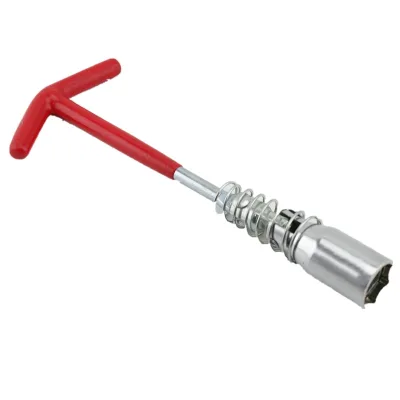
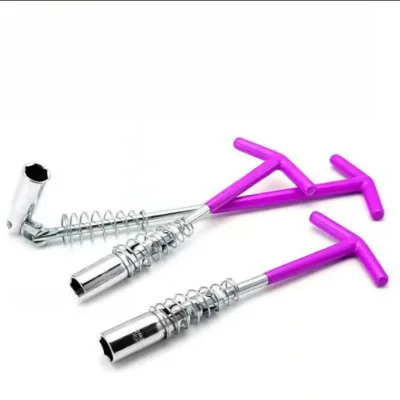
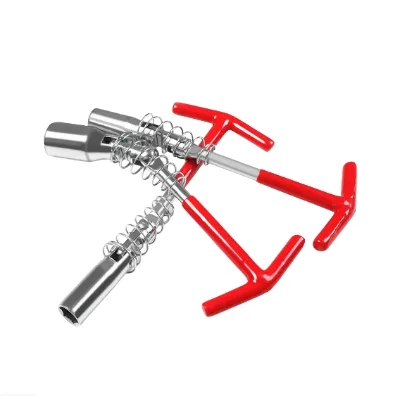
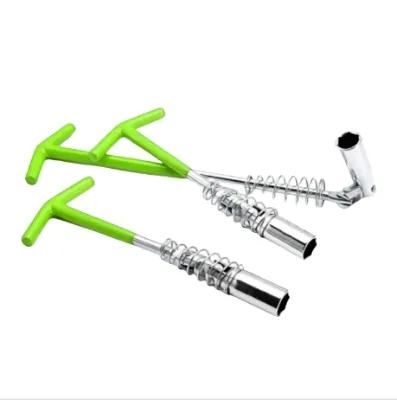
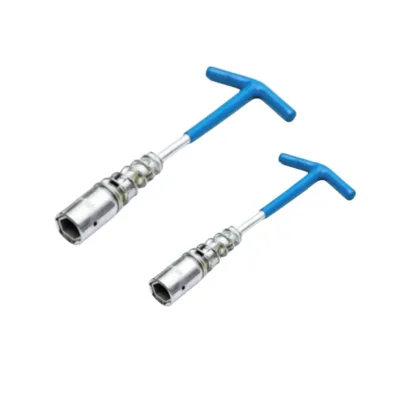

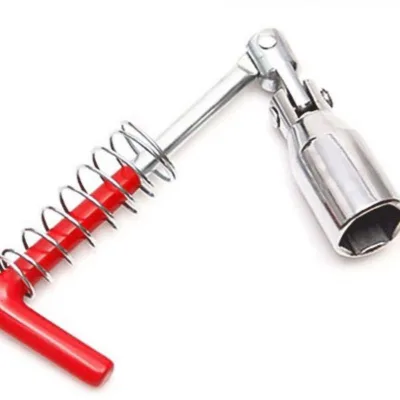
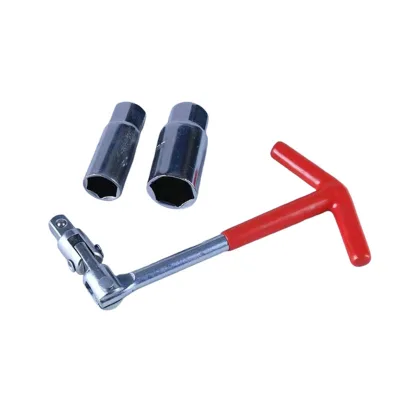
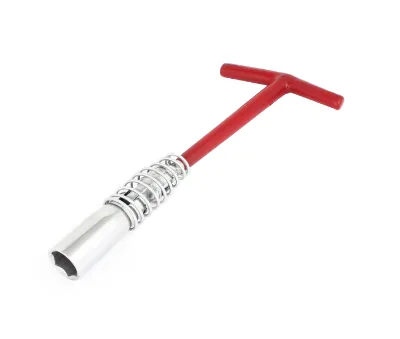

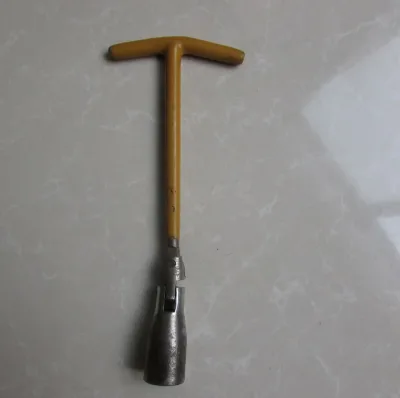


16mm 18mm 21mm 4 Pieces Universal T-Handle Spark Plug Socket Wrench Set for Car
$1.65 - $1.91
MOQ: 2000 pieces


Comprehensive Sourcing Guide
Strategic Sourcing Guide for T-Handle Spark Plug Wrenches
Technical Specifications and Material Integrity
When sourcing T-handle spark plug wrenches, the primary objective is to identify tools that balance mechanical durability with ergonomic efficiency. The core product category typically features a T-type handle design, which provides superior torque application compared to standard L-shaped keys. This geometry is critical for applications requiring significant rotational force without excessive hand strain. The material composition is a fundamental determinant of performance; high-quality units are constructed from carbon steel, a material chosen for its inherent strength and resistance to deformation under load.
The manufacturing process for these tools often involves heat treatment and hardening techniques to achieve specific metallurgical properties. Buyers should verify that the product specifications explicitly state a hardness range, as this metric directly correlates with the tool's ability to resist wear and rounding of the hexagonal drive. In the current market, observed hardness values for hardened carbon steel tools typically fall within the 42-45 HRC range. This specific range ensures the tool remains rigid enough to drive spark plugs in tight engine compartments while maintaining sufficient toughness to avoid brittle fracture.
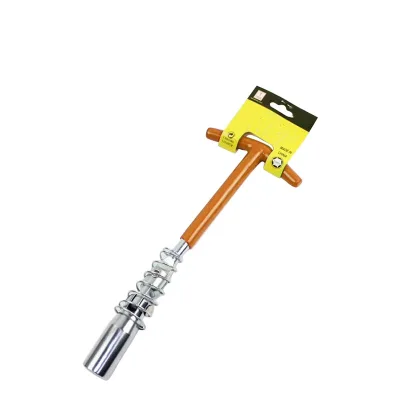
Surface treatment is another critical technical specification. To prevent corrosion and ensure a smooth operation, the steel components, particularly the socket and drive areas, undergo chrome plating. This process not only enhances aesthetic appeal but also provides a protective barrier against moisture and chemical exposure found in automotive and industrial environments. The handle finish varies, with options including rubber or PVC dipping. These materials offer a non-slip grip, which is essential when working in oily or wet conditions. Some variants may feature a polished or electrostatically sprayed finish, which serves both protective and aesthetic purposes.
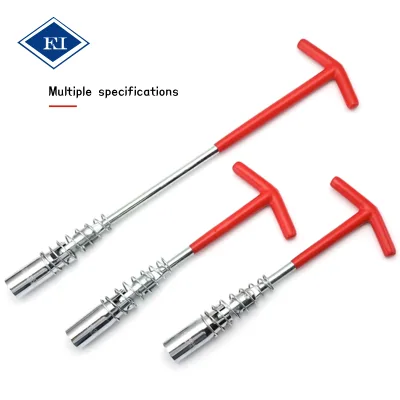
The physical dimensions and standard compatibility are equally vital. The tools generally adhere to metric standards, though American and European types are also prevalent in the supply chain. The specific drive sizes for spark plug applications are often standardized, with common offerings including 14mm and 21mm variants. Some specialized models may feature flexible heads or swivel mechanisms to navigate obstructed engine bays. The handle color is frequently customized, with options ranging from sea blue, red, and orange to white, allowing for brand differentiation or color-coding for different socket sizes.
Compliance, Certification, and Regulatory Standards
Navigating the regulatory landscape is a non-negotiable aspect of B2B procurement for hand tools. Buyers must ensure that suppliers can provide verifiable documentation regarding product compliance. The supply chain for these tools often references international safety and quality standards. Common certifications observed in this sector include CE (Conformité Européenne) and ISO (International Organization for Standardization) marks. These certifications indicate that the manufacturing processes and final products meet specific safety, health, and environmental protection requirements.
In addition to general certifications, specific product standards may apply. For instance, certain models are noted to comply with TUV standards, a German certification body known for rigorous testing. It is imperative for buyers to distinguish between general corporate certifications and product-specific compliance. The product standard itself may also refer to dimensional tolerances or performance metrics, such as the specific size of the socket (e.g., 21mm) or the overall specification of the wrench set.
Buyers should be cautious when evaluating claims regarding standards. While some listings may mention "Standard" as a generic attribute, specific compliance with international norms requires documentation. The origin of the product, often traced to manufacturing hubs in Jiangsu Province, Shandong, or Yancheng in China, can influence the regulatory framework applied. Facilities in these regions are accustomed to exporting to global markets and typically maintain the necessary quality management systems to support CE and ISO certifications. However, the buyer must verify that the specific batch or model being procured carries these valid certifications, as they are not automatically guaranteed for every SKU within a supplier's catalog.
Cost Drivers and Pricing Dynamics
The pricing structure for T-handle spark plug wrenches is influenced by a complex interplay of material costs, manufacturing complexity, and order volume. The observed price range in the market is broad, spanning from approximately $0.10 to $270.00. This variance is not indicative of a single product type but rather reflects differences in packaging, quantity, and included accessories. A unit priced at the lower end of the spectrum is likely a single-piece tool sold in bulk, whereas the higher end may represent a complete set, a specialized professional-grade tool, or a bulk order with custom packaging.
Material costs play a significant role in the base price. Carbon steel is a commodity, but the cost fluctuates based on global market conditions. The additional value added through heat treatment, hardening, and chrome plating increases the manufacturing cost compared to uncoated or unhardened alternatives. The handle material also impacts pricing; rubber or PVC dipping adds a layer of complexity and cost compared to bare metal or simple plastic handles.
Order volume is perhaps the most significant variable affecting the final unit price. The Minimum Order Quantity (MOQ) ranges widely, from as low as 1 unit to as high as 2,000 units. Suppliers typically offer tiered pricing structures where the unit cost decreases significantly as the order quantity increases. For buyers planning large-scale procurement, negotiating based on high-volume orders can yield substantial savings. Conversely, small buyers or those requiring custom specifications may face higher per-unit costs due to the setup and production run limitations associated with smaller batches.
Packaging requirements also contribute to the overall cost. Standard export packaging, such as white inner boxes and exporter cartons, is generally cost-effective. However, custom packaging, such as blister cards or specific color-coded boxes, incurs additional tooling and labor expenses. The weight and dimensions of the packaging, which affect shipping costs, are also factors. For example, a carton size of 43x33x18 cm with a gross weight of 25 kg will incur different freight charges compared to a smaller, lighter package.
Typical Applications and Operational Context
T-handle spark plug wrenches are designed for a diverse range of applications, primarily centered around automotive maintenance, industrial machinery repair, and general mechanical assembly. The T-handle design is particularly advantageous in confined spaces where a standard wrench cannot be swung effectively. The ergonomic grip provided by rubber or PVC handles allows for precise torque control, which is essential when installing or removing spark plugs without damaging the ceramic insulator or the engine head threads.
The target application age for these tools is generally adult, indicating they are intended for professional mechanics, DIY enthusiasts, and industrial workers. The tools are suitable for both new and existing equipment, with a focus on maintenance tasks. The specific size of the wrench, such as 14mm or 21mm, dictates its use case. Smaller sizes like 14mm are common in automotive engines, while larger sizes may be required for heavy-duty diesel engines or industrial generators.
Flexibility is a key feature in many of these tools. Swivel wrenches with plastic-coated handles or flexible heads allow the user to access spark plugs located in awkward positions. This feature is particularly valuable in modern engine designs where space is at a premium. The "ordinary" feature classification suggests that while these tools are standard, they may not include advanced electronic or hydraulic capabilities, relying instead on manual operation and mechanical leverage.
The versatility of the tool extends to its compatibility with various engine types. Whether working on gasoline or diesel engines, the hardened carbon steel construction ensures that the tool can withstand the high torque required to break loose seized plugs. The chrome plating protects the tool from the corrosive elements often found in engine bays, ensuring longevity and reliability over repeated use.
Supplier Evaluation and Sourcing Strategy
Selecting the right supplier requires a meticulous evaluation of their capabilities, location, and production history. The supply chain for these tools is heavily concentrated in specific regions of China, notably Jiangsu Province, Shandong, and Yancheng. These regions have established ecosystems for metalworking and tool manufacturing, offering a competitive advantage in terms of supply chain efficiency and cost.
When evaluating potential suppliers, buyers should prioritize those who can demonstrate a clear understanding of the product specifications. This includes the ability to produce tools with the correct hardness (42-45 HRC), appropriate surface treatments (chrome plating), and accurate dimensional tolerances. Suppliers should also be transparent about their customization capabilities, as many buyers require specific handle colors, logo placement, or custom packaging solutions.
The production capacity and lead time are critical factors. With MOQs ranging from 1 to 2,000 units, suppliers must be able to scale their production to meet varying demand levels. Buyers should inquire about the supplier's ability to handle rush orders and their typical lead times for both standard and customized products. The condition of the product upon arrival should always be "New," and suppliers must have robust quality control measures in place to ensure this.
Packaging standards are another area of evaluation. Suppliers should be able to provide packaging that meets international shipping requirements, such as export cartons with appropriate inner protection. The ability to customize packing, such as using blister cards or specific carton sizes (e.g., 45x29x24 cm), is a valuable service that can reduce damage during transit and optimize logistics costs.
Quality Control and Long-Term Procurement Considerations
Ensuring consistent quality is paramount for long-term procurement success. Buyers should implement a rigorous quality control (QC) protocol that includes pre-production sampling, in-process inspections, and final random inspections. The hardness of the carbon steel, the integrity of the chrome plating, and the durability of the handle coating are key quality checkpoints. Testing should verify that the tool can withstand the specified torque without slipping or breaking.
Long-term procurement considerations involve building a sustainable relationship with suppliers who can maintain consistent quality over time. This includes monitoring the supplier's adherence to certifications like CE and ISO. Regular audits of the manufacturing facility can help ensure that the production processes remain compliant with safety and quality standards.
Buyers should also consider the total cost of ownership, which includes not just the purchase price but also the cost of replacements due to wear and tear. High-quality tools with proper heat treatment and surface finishing will have a longer service life, reducing the frequency of repurchasing. The availability of spare parts or replacement sockets should also be evaluated, especially for specialized models.
Finally, the environmental impact of the procurement process should be considered. Suppliers who utilize eco-friendly packaging and adhere to sustainable manufacturing practices can help buyers meet their corporate social responsibility goals. The use of recyclable materials in packaging and the reduction of waste during the manufacturing process are positive indicators of a supplier's commitment to sustainability. By focusing on these long-term factors, buyers can secure a reliable supply of high-quality T-handle spark plug wrenches that meet their operational needs and business objectives.
Comparative Analysis of Product Attributes
To facilitate informed decision-making, the following table summarizes key attributes observed in the market for T-handle spark plug wrenches. This comparison highlights the variations in specifications, materials, and packaging that buyers should consider when selecting a supplier.
| Attribute Category | Common Observation | Variations & Options |
|---|---|---|
| Material | Carbon Steel | High-carbon steel variants, alloy steel |
| Hardness | 42-45 HRC | Variable based on heat treatment intensity |
| Surface Treatment | Chrome Plated | Polished, Electrostatic Spraying |
| Handle Type | T-Type | Rubber Dipped, PVC Dipped, Plastic Coated |
| Handle Color | Colorful | Sea Blue, Red, Orange, White, Custom |
| Standard | Metric, German, European, American | Specific drive sizes (14mm, 21mm) |
| Certification | CE, ISO, TUV | Varies by region and target market |
| Origin | Jiangsu, Shandong, Yancheng | Other manufacturing hubs in China |
| Packaging | White Inner Box + Exporter Carton | Blister Card, Custom Cartons |
| Condition | New | Refurbished (rare, verify source) |
This table serves as a reference point for buyers to verify that the products they are sourcing align with their specific technical and operational requirements. By cross-referencing these attributes with supplier data, buyers can ensure they are procuring tools that meet the necessary standards for performance and safety.
FAQs
What material is used for the t-handle spark plug wrench?
The tool is constructed from carbon steel to ensure high strength and resistance to deformation. This material is selected for its durability in demanding mechanical environments and is often heat-treated to achieve optimal hardness.
Which certifications are available for these wrenches?
Common certifications include CE, ISO, and TUV standards, which verify compliance with international safety and quality norms. Buyers should verify specific batch documentation as these marks indicate adherence to rigorous testing protocols.
How is the hardness of the wrench determined?
The hardness typically falls within the 42-45 HRC range after heat treatment and hardening processes. This specific range ensures the tool resists wear and rounding while maintaining sufficient toughness to avoid brittle fracture during use.
Can the handle color be customized for branding?
Yes, customization is available for handle colors such as sea blue, red, orange, and white. Suppliers can often accommodate specific color requests to aid in brand differentiation or size coding for different socket applications.
What is the minimum order quantity for these tools?
The minimum order quantity ranges from 1 to 2000 units depending on the supplier and product configuration. Lower MOQs are suitable for small trials, while larger orders may benefit from tiered pricing structures.
Where are these wrenches typically manufactured?
Production origins are primarily located in Jiangsu Province, Shandong, and Yancheng in China. These regions host established manufacturing ecosystems capable of meeting international export standards and quality requirements.
What surface treatment is applied to the socket?
The socket undergoes chrome plating to prevent corrosion and ensure smooth operation in various environments. This treatment provides a protective barrier against moisture and chemicals found in automotive and industrial engine bays.
How is the product packed for international shipping?
Packaging typically consists of a white inner box and an exporter carton or blister card depending on the model. Specific carton dimensions and weights vary, ensuring the goods are protected during transit according to international shipping standards.