Source Taiwan Clip Board for Office, School, and Event Use
Compare 30 Taiwan Clip Board options from verified suppliers. Buyers can evaluate materials like wood, aluminum, and plastic, along with customization, certifications, and pricing for office, school, and event applications; compare the available evidence and request quotations based on your requirements.
Updated
Key considerations
Products List


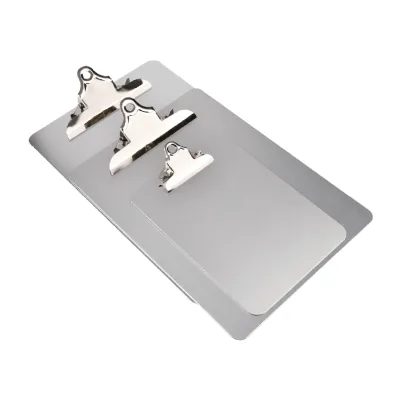


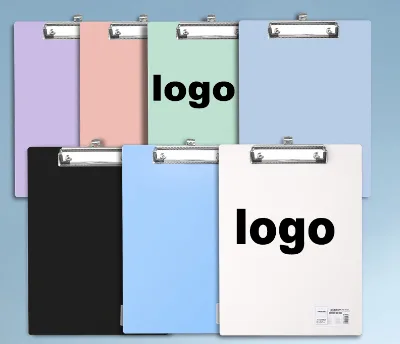
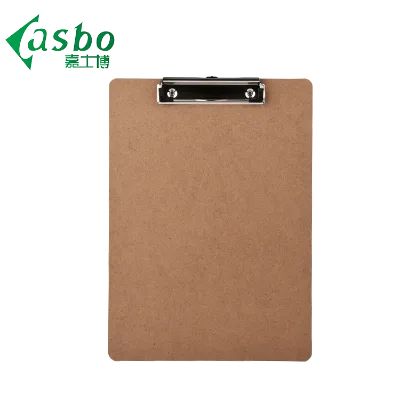
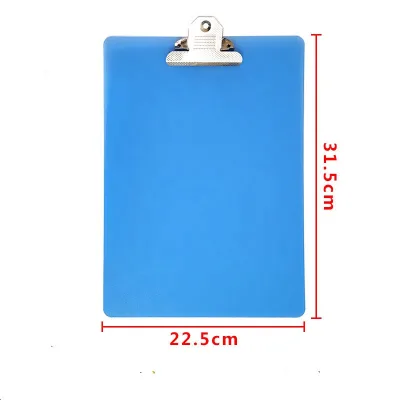
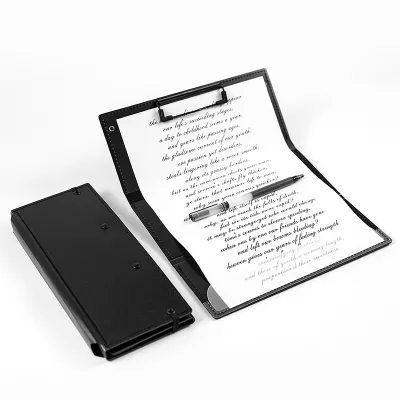
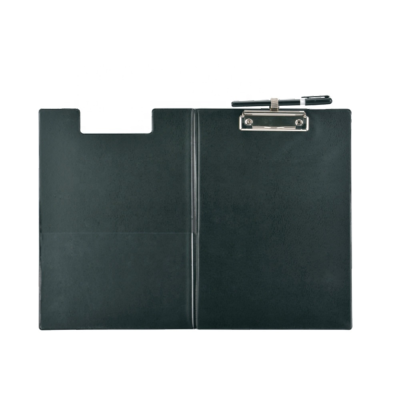

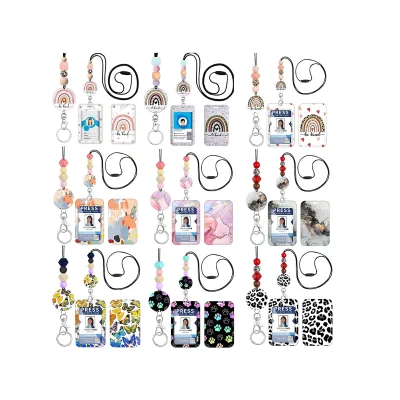

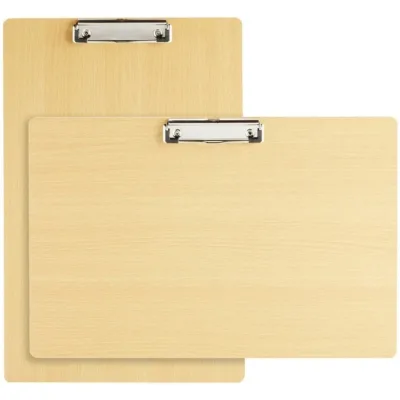
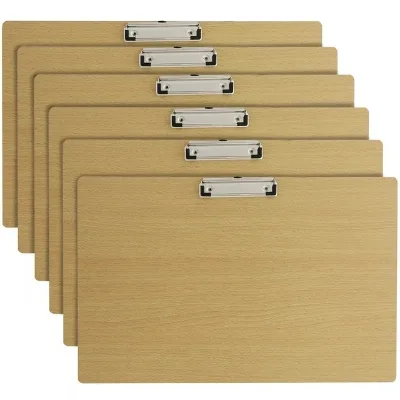
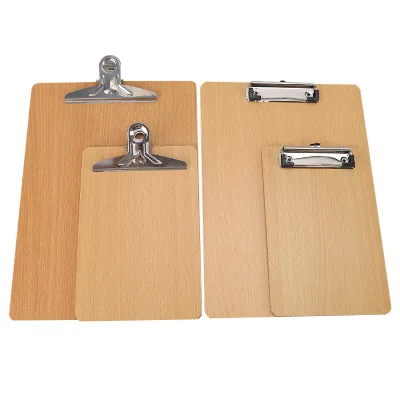
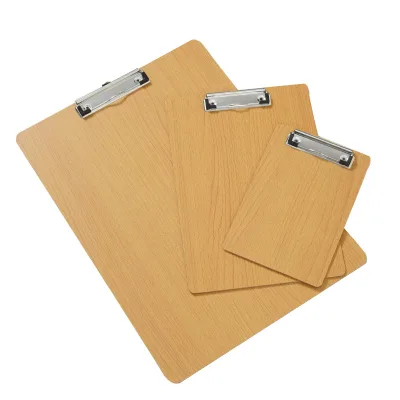
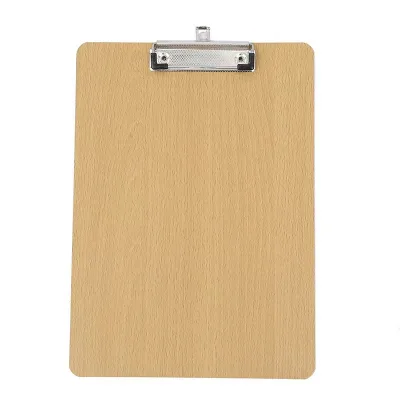
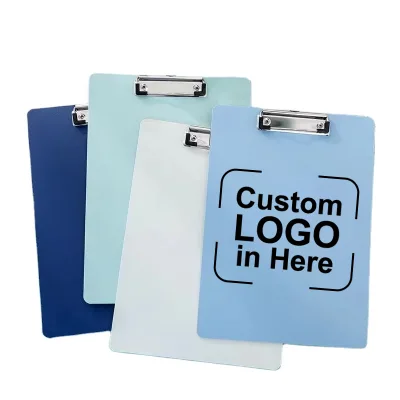
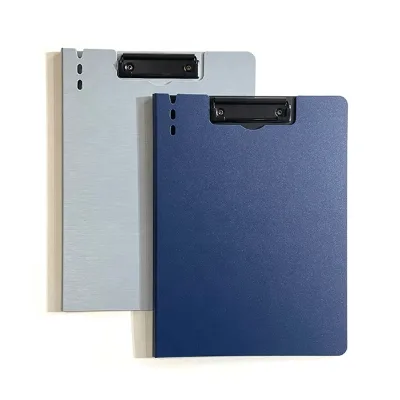
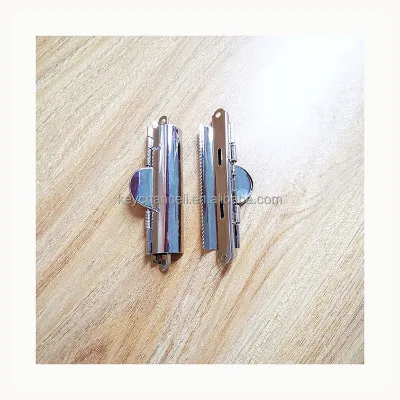
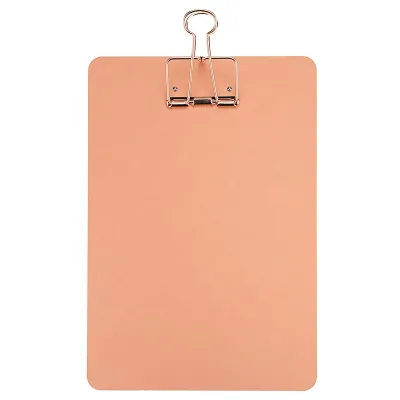
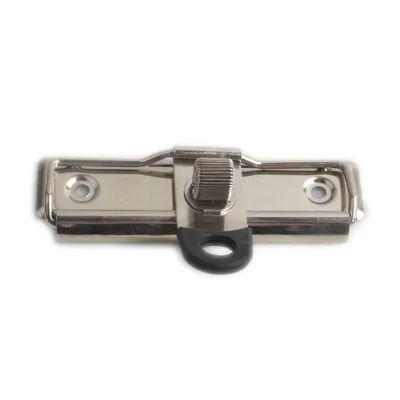
High Quality Custom A4/A5 Metal Skeleton Binder Clip Factory Price Clipboard
$4.1305 - $5.6788
MOQ: 100 pieces

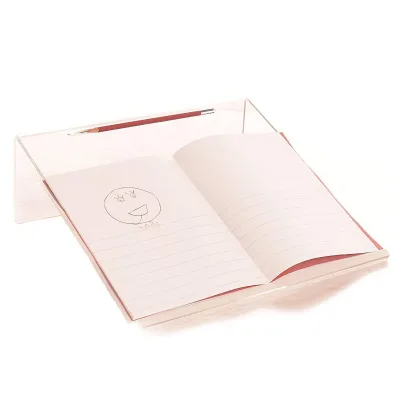
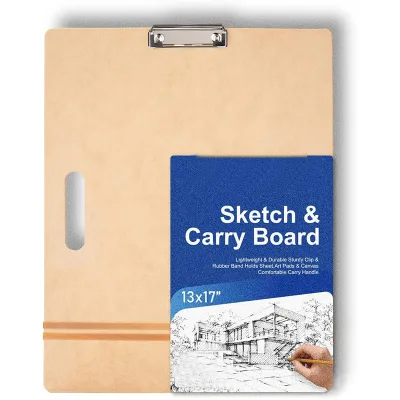

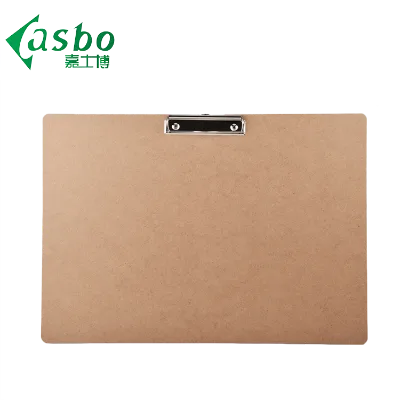
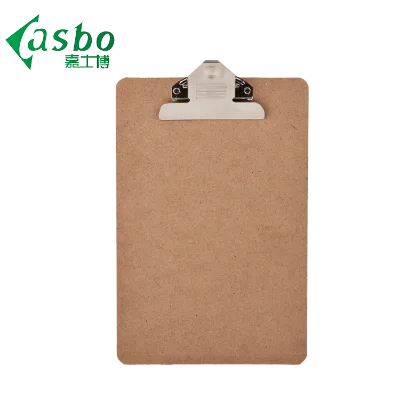
Foska Office Supply School Supply High-Strength MDF Material A4/FC Standard Clipboard
$0.643 - $0.833
MOQ: 240 Pieces
Comprehensive Sourcing Guide
Taiwan Clip Board Sourcing Guide
Sourcing clip boards from Taiwan or global markets requires a clear understanding of material diversity and functional design. The available inventory spans wood, aluminum, and plastic constructions, each serving distinct office and industrial needs. Buyers must align their selection with specific usage environments, whether for high-traffic administrative tasks or specialized field work. The observed product range includes models compatible with A4, A5, and A6 paper sizes, ensuring versatility for various documentation requirements.
Procurement decisions should also account for customization capabilities, which are widely available across suppliers. Options such as laser-engraved logos and custom color schemes allow for strong brand integration in corporate settings. Understanding the distinction between standard off-the-shelf items and OEM-produced goods is critical for managing lead times and minimum order quantities. This guide outlines the essential verification steps to ensure that selected clip boards meet both functional and compliance standards for your organization.
Product Scope and Observed Listing Signals
The current market offers a wide array of clip boards, ranging from simple plastic models to premium wooden and aluminum variants. Observed listings indicate materials such as MDF, PP plastic, and solid wood, catering to different aesthetic and durability preferences. For instance, some products are explicitly designed as office stationery with a focus on convenience for writing, while others serve as industrial gifts or promotional items. The presence of multiple model numbers, such as 9, 8, 7, and specific codes like JJQ-0231, highlights the fragmented nature of the supply base.
Price points and minimum order quantities vary significantly, with observed ranges starting from very low unit costs up to higher tiers for customized orders. Sample costs are frequently cited, such as $60 for custom samples, with typical sample times around seven days. Buyers should note that packing methods differ, including inner boxes, bubble bags, shrink wrap, or cardboard boxes, which impacts shipping efficiency. These signals suggest that buyers must carefully evaluate the total landed cost, including packaging and logistics, rather than focusing solely on the unit price.
Technical Specifications to Verify
Verifying technical specifications is crucial to ensure the clip board fits your operational workflow. Key dimensions such as 222*310mm for A4 compatibility or A3 sizes for larger documents must be confirmed against your paper inventory. The model number, such as 22040103 or 8070 wooden clip board, serves as a primary identifier for cross-referencing with supplier catalogs. Buyers should also check the single package size and gross weight, which are essential for calculating freight costs and storage requirements in your warehouse.
Material composition directly influences durability and weight. Aluminum clip boards offer a lightweight yet sturdy option, while wooden boards made from MDF or solid wood provide a traditional aesthetic. Plastic options, often made from PP, are cost-effective and available in mixed colors. It is important to verify the clip mechanism's strength and the board's surface quality, as these factors affect long-term usability. Confirming these details prevents mismatches between expected and received goods, ensuring seamless integration into your office or field operations.
Compliance and Safety Documentation
Compliance documentation varies by material and target market, requiring careful attention to certification requirements. Some products list certifications such as CE, EU, FDA, and LFGB, which are critical for goods intended for European or food-contact adjacent environments. Others may carry Carb, FSC, and BSCI certifications, indicating adherence to environmental and social responsibility standards. Buyers must verify which certifications are relevant to their specific industry and regional regulations, as not all listed products will possess every certification mentioned in the broader market.
Safety and material safety data sheets should be requested for plastic and wooden boards, especially if they are used in educational or healthcare settings. The presence of LFGB certification suggests compliance with strict German food safety laws, which may be a proxy for general material safety. For wooden products, FSC certification ensures sustainable sourcing, which is increasingly important for corporate social responsibility reporting. Buyers should explicitly request copies of these certificates during the quotation phase to avoid compliance risks later in the supply chain.
Cost Drivers and Commercial Terms
Several factors drive the final cost of clip boards, including material choice, customization level, and order volume. Customization options like laser-engraved logos and specific color requests typically incur additional setup fees and higher minimum order quantities. The observed sample cost of $60 indicates that significant customization may involve substantial upfront investment before bulk production begins. Buyers should budget for these initial costs when planning new product introductions or rebranding initiatives.
Commercial terms such as lead times and payment structures also impact the total cost of ownership. Sample times are often cited as seven days, but bulk production lead times can vary based on the complexity of the design and the supplier's current workload. The availability of OEM services suggests that many suppliers are equipped to handle custom orders, but this requires clear communication of specifications. Buyers should negotiate clear terms regarding packaging, shipping responsibilities, and warranty policies to mitigate financial risks associated with delayed or defective shipments.
Supplier Qualification and Quality Control
Supplier qualification is a critical step in ensuring consistent product quality and reliable delivery. Buyers should verify the supplier's business type, such as whether they are a manufacturer or a trading company, as this affects pricing and communication efficiency. Many suppliers offer OEM/ODM services, indicating a capacity for custom manufacturing, but it is essential to assess their production capabilities and quality control processes. Requesting factory audits or third-party inspections can provide valuable insights into their operational standards.
Quality control measures should be explicitly defined in the purchase agreement, including acceptable defect rates and inspection protocols. Given the variation in materials and finishes, establishing clear acceptance criteria for color consistency, clip functionality, and surface defects is necessary. Buyers should also inquire about the supplier's return policy for non-conforming goods. Proactive communication and clear specification documents help minimize misunderstandings and ensure that the final products meet your organization's quality expectations.
Long-Term Procurement Checks
Long-term procurement success depends on establishing a robust supplier relationship and continuous performance monitoring. Regularly reviewing supplier performance metrics, such as on-time delivery rates and product quality consistency, helps identify potential issues early. Maintaining open communication channels allows for timely resolution of any discrepancies or changes in market conditions. Buyers should also stay informed about updates in certification requirements and material standards to ensure ongoing compliance.
Periodic re-evaluation of the supplier base ensures that you remain competitive and resilient against supply chain disruptions. Diversifying suppliers across different regions, such as Zhejiang and Anhui in China, can mitigate risks associated with localized disruptions. Additionally, exploring new product innovations and material advancements can provide opportunities for cost savings or enhanced product features. By maintaining a strategic approach to supplier management, buyers can secure a reliable supply of clip boards that support their operational needs over time.
FAQs
What materials are used for clip boards?
Clip boards are manufactured from wood, aluminum, plastic, and MDF. Wood options include high-quality office variants, while aluminum models offer durability. Plastic boards are available in mixed colors and different specifications. MDF boards provide a sturdy base for writing tasks. Buyers can select materials based on their specific office stationery needs and aesthetic preferences.
Can I customize the logo on clip boards?
Yes, customization is available for most clip board models. Buyers can request laser engraved customized logos or accept customized logo printing services. OEM and ODM services are welcome for bulk orders. The custom sample cost is typically $60, with a sample time of 7 days. This allows businesses to brand their office stationery effectively.
What certifications do the clip boards have?
Clip boards hold various certifications including CE, EU, FDA, LFGB, Carb, FSC, and BSCI. These certifications ensure compliance with international safety and quality standards. Buyers can verify specific product details to confirm the exact certification status. This ensures the products meet regulatory requirements for office use and international trade.
What are the standard sizes for clip boards?
Standard sizes include A4, A5, A6, FC, and A3. Some models are compatible with A4 and other paper specifications. The size for a specific plastic board clip is 222*310mm. Buyers should check product details for exact dimensions. This variety ensures the clip board fits various document types and office requirements.
Where are the clip boards manufactured?
Clip boards are primarily manufactured in Zhejiang, China, and Anhui, China. These locations are known for producing high-quality office stationery. Buyers can source products from these regions to ensure quality and reliability. The place of origin is clearly stated for each product to assist in sourcing decisions.
What is the MOQ for clip boards?
The MOQ ranges from 1 to 5000 units depending on the supplier. Some vendors offer single item selling units for small orders. Bulk orders may have different MOQ requirements. Buyers should check specific product details for exact MOQ values. This flexibility allows businesses of all sizes to source clip boards.
How are clip boards packaged?
Clip boards are packaged in inner boxes, bubble bags, cardboard boxes, or shrink wrap. Packaging can be customized to customer requests. The single gross weight is approximately 0.140 kg for some models. Packaging ensures safe delivery and protection during transit. Buyers can specify their preferred packaging method when placing orders.