Source Taiwan Die Casting Mold for Auto, Home, and Hardware
Find 30 Taiwan Die Casting Mold options for automotive, household appliance, and hardware applications. Compare specifications including H13 steel hardness, multi-cavity designs, and ISO9001 certification to identify suitable suppliers for your manufacturing needs; compare the available evidence and request quotations based on your requirements.
Updated
Key considerations
Products List



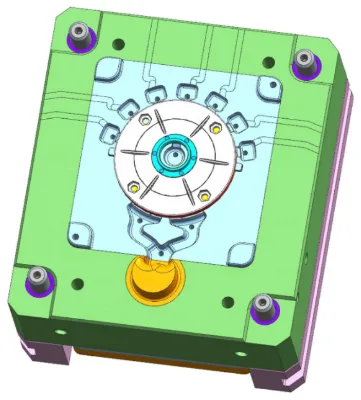
Factory Custom Die Cast Mold Zamak Die Casting Mold Aluminium Alloy Mould Die Casting Mold
$717.2587 - $1024.6553
MOQ: 1 pieces
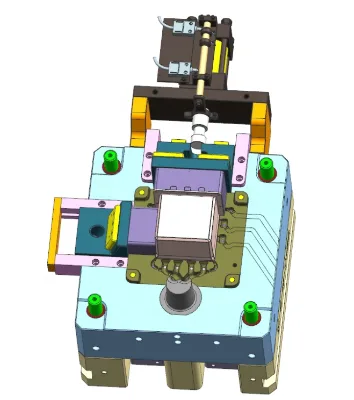
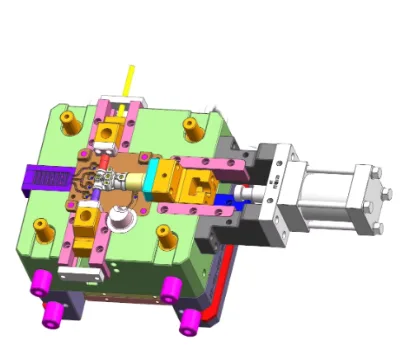
Custom Auto Parts Throttle Valve Body Molds Aluminum Die Casting Mould
$717.2587 - $1024.6553
MOQ: 1 pieces


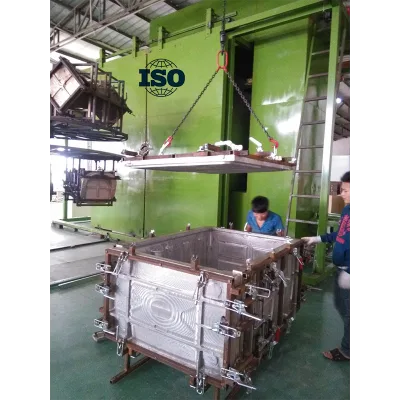

Metal Casting Molds Aluminium Injection Molding Aluminum Die Casting Mold
$3240.00 - $3560.00
MOQ: 1 Pieces


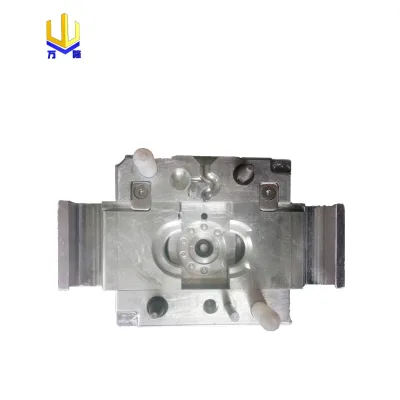
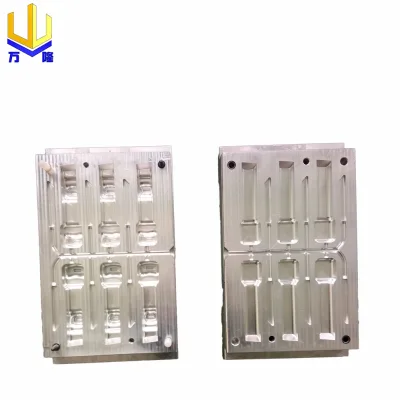
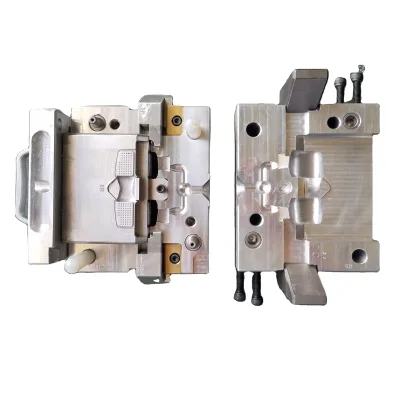
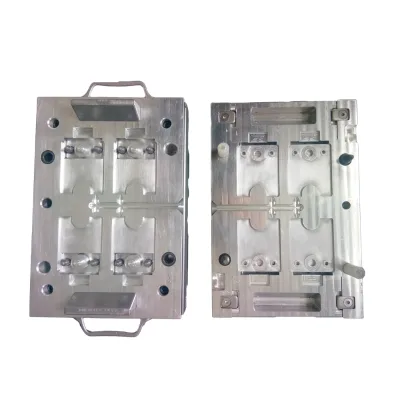
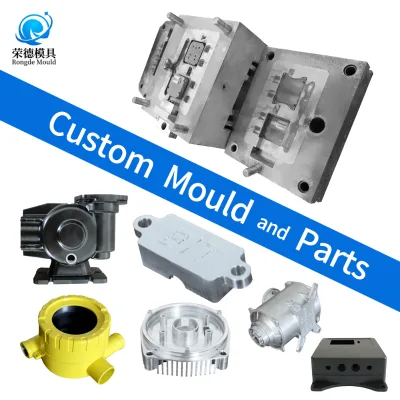
High Quality Die Casting Molds and Sand Casting Molds for Global Clients
$700.00 - $9000.00
MOQ: 1 Minimum
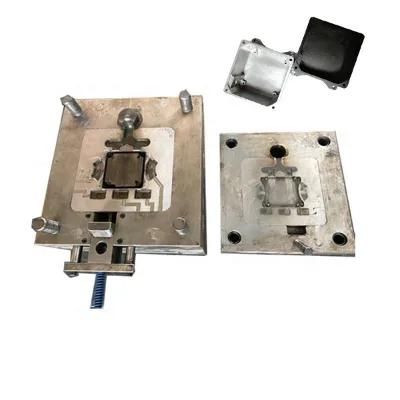
Custom Diecasting Mold for Mechanical Parts Surface Can Be Specially Treated
$1555.55 - $4000.99
MOQ: 1 Minimum
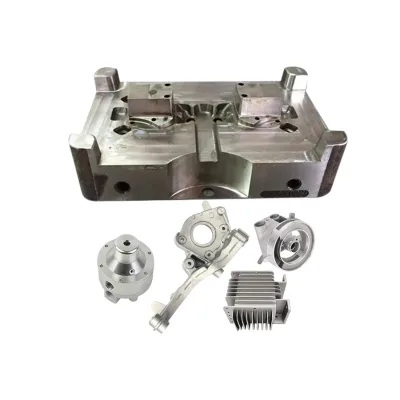
High Precision Aluminum Die Casting Molds for Heat Sinks OEM Manufacturing
$1999.00 - $3999.00
MOQ: 1 Minimum
Comprehensive Sourcing Guide
Taiwan Die Casting Mold Sourcing Guide
Sourcing die casting molds from Taiwan requires a nuanced understanding of regional manufacturing strengths, particularly in precision engineering and high-volume production capabilities. While the supplied data indicates a significant presence of suppliers originating from China, the broader Asian market, including Taiwan, is renowned for its advanced mold-making technologies and strict adherence to international quality standards. Buyers must distinguish between general casting services and specialized mold fabrication, ensuring that the supplier possesses the specific tooling expertise required for complex geometries. The decision to source from this region often hinges on the balance between cost efficiency and the technical sophistication needed for automotive or electronic components.
Procurement teams should evaluate the supplier’s portfolio for evidence of high-precision tooling, such as multi-cavity designs and hot runner systems, which are critical for maintaining consistency in mass production. The observed market signals suggest a wide range of capabilities, from simple commodity molds to intricate auto engine covers. It is essential to verify whether the supplier offers customization services, as off-the-shelf solutions rarely meet the specific tolerances required for modern industrial applications. Understanding the supplier’s design software proficiency, such as UG or CAD, is also vital for ensuring seamless integration with your own engineering workflows and for facilitating rapid prototyping and iteration.
Product Scope and Observed Listing Signals
The current market landscape for die casting molds reveals a diverse array of product offerings, with observed price points ranging from $0.1 to $30,000 USD. This wide variance reflects the complexity of the molds, with simpler hardware components commanding lower prices while intricate automotive parts require significant investment. The minimum order quantity (MOQ) typically ranges from 1 to 100 units, indicating that suppliers are flexible enough to accommodate both prototype runs and initial production batches. Buyers should carefully analyze the product descriptions to determine if the listed items are the molds themselves or the cast parts produced by them, as this distinction fundamentally changes the procurement strategy and budget allocation.
Listing signals also highlight the importance of material selection, with aluminum and steel being the primary materials observed in mold construction. The use of H13 steel for mold bases is a common indicator of durability and heat resistance, essential for high-cycle die casting operations. Additionally, the presence of automatic demoulding features and heat treatment processes suggests a focus on efficiency and longevity. Buyers should look for listings that explicitly state the mold life, with observed values ranging from 50,000 to over one million shots, as this metric is a direct proxy for the long-term value and reliability of the tooling investment.
Technical Specifications to Verify
When evaluating technical specifications, buyers must prioritize the verification of mold life and cycle consistency. The supplied data indicates that mold life can vary significantly, with some listings claiming over 500,000 shots while others provide less specific ranges. It is crucial to confirm the testing methods used to determine these figures and to ensure that the supplier provides warranty coverage for premature wear or failure. Additionally, the hardness of the mold steel, often cited as greater than HRC45 or within a 20-60 HRC range, should be validated through third-party testing reports to ensure it meets the demands of the specific casting material and production volume.
Surface treatment and finishing processes are another critical area for verification. Listings frequently mention heat treatment, nitriding, and polishing as part of the surface finish process, which directly impacts the quality of the cast part and the ease of demoulding. Buyers should request detailed specifications on the surface roughness and the type of surface treatment applied, as these factors influence the lifespan of the mold and the maintenance requirements. Furthermore, the integration of hot runner systems and multi-cavity designs should be confirmed, as these features significantly affect the production efficiency and the uniformity of the final product.
Compliance and Safety Documentation
Compliance with international standards is a non-negotiable aspect of sourcing die casting molds, particularly for industries such as automotive and electronics. The observed certifications, including CE, RoHS, FCC, and REACH, indicate that suppliers are adhering to strict environmental and safety regulations. Buyers must verify the validity of these certifications by requesting current certificates from accredited bodies, ensuring that the molds and associated materials do not contain hazardous substances that could violate import regulations in the destination market. This verification process is essential for mitigating legal risks and ensuring that the final products can be sold in regulated markets without compliance issues.
ISO certification, particularly ISO9001, is another key indicator of a supplier’s commitment to quality management systems. Buyers should confirm that the supplier’s quality management system is actively certified and that it covers the entire mold design and manufacturing process. Additionally, the mention of standards such as DME for mold bases suggests a adherence to industry best practices for component interoperability and reliability. It is advisable to request documentation that demonstrates the supplier’s ability to maintain consistent quality across production batches, as this reduces the risk of defects and ensures long-term operational stability.
Cost Drivers and Commercial Terms
The cost of die casting molds is influenced by several factors, including material selection, complexity, and the expected mold life. Buyers should analyze the price range of $0.1 to $30,000 USD to understand the cost implications of different design choices, such as the use of aluminum versus steel or the inclusion of hot runner systems. It is important to negotiate clear commercial terms that define the scope of work, including design revisions, testing, and delivery schedules. The observed lead time of 30 days for mold production is a standard benchmark, but buyers should confirm whether this timeline includes design approval and testing phases to avoid unexpected delays.
Packaging and shipping terms are also critical components of the commercial agreement. Listings indicate that molds are typically packed in steel boxes or according to customer specifications, which helps protect the tooling during transit. Buyers should ensure that the packaging is robust enough to prevent damage and that the shipping terms clearly define responsibility for insurance and customs clearance. Additionally, the availability of after-sales service, such as the 10-year sales service mentioned in some listings, should be clarified in terms of what specific support is included, such as maintenance, repair, or spare parts supply, to ensure long-term value.
Supplier Qualification and Quality Control
Supplier qualification involves a thorough assessment of the supplier’s technical capabilities and quality control processes. Buyers should verify the supplier’s experience in producing molds for specific applications, such as automotive engine covers or household appliances, to ensure they have the necessary expertise. The use of advanced design software like UG, CAD, and SolidWorks is a positive indicator of technical proficiency, but buyers should also assess the supplier’s ability to translate these designs into high-quality physical tools. Requesting case studies or references from previous clients can provide valuable insights into the supplier’s reliability and performance.
Quality control measures should be clearly defined and agreed upon before production begins. Buyers should insist on a detailed quality control plan that includes in-process inspections, final dimensional checks, and trial shot evaluations. The observed mention of multi-cavity molds and hot runner systems requires precise control to ensure uniformity across all cavities. It is advisable to conduct a factory audit or engage a third-party inspection agency to verify the supplier’s quality management practices and production facilities. This due diligence helps mitigate the risk of receiving substandard molds that could lead to production disruptions and increased costs.
Long-Term Procurement Checks
Long-term procurement success depends on establishing a robust relationship with the supplier and implementing continuous improvement mechanisms. Buyers should schedule regular reviews of mold performance, tracking metrics such as cycle time, defect rates, and maintenance frequency. The observed mold life of 50,000 to over one million shots provides a baseline for evaluating performance, but buyers should also monitor the actual performance in their production environment to identify any discrepancies. Establishing a clear communication channel for technical support and issue resolution is essential for addressing problems quickly and minimizing downtime.
Additionally, buyers should consider the scalability of the supplier’s capabilities as their production needs grow. The observed customization options and flexible MOQs suggest that suppliers can adapt to changing requirements, but buyers should confirm the supplier’s capacity to handle increased volumes without compromising quality. It is also important to stay informed about advancements in mold-making technology and materials, as these can offer opportunities for cost savings and performance improvements. By maintaining a proactive approach to supplier management, buyers can ensure that their die casting mold investments continue to deliver value over the long term.
FAQs
What certifications do these aluminum die casting molds have?
These molds typically hold CE, RoHS, FCC, and REACH certifications to ensure compliance with international safety and environmental standards. This documentation helps buyers verify regulatory adherence for export and domestic use in various industries.
Can these molds be customized for specific applications?
Yes, customization is available for various applications including automotive, household appliances, electronics, and hardware. Buyers can specify unique requirements to tailor the mold design for their specific production needs and product specifications.
What is the typical lead time for mold production?
The standard mold lead time is approximately 30 days from order confirmation. This timeframe allows for precise manufacturing, quality control, and necessary adjustments to ensure the final product meets the specified design requirements.
What is the expected mold life for these products?
The expected mold life ranges from 500,000 shots to 1 million cycles depending on the specific design and material usage. This durability ensures long-term cost-effectiveness and consistent output for high-volume manufacturing operations.
Which materials are used for the mold construction?
Molds are constructed using high-quality materials such as aluminum and H13 steel. The steel hardness is often maintained above HRC45 to ensure durability and resistance to wear during the die casting process.
What surface treatment processes are applied to the molds?
Surface treatments include heat treatment, pre-hardening, nitriding, and polishing to enhance durability and finish. These processes improve the mold's resistance to wear and ensure a high-quality surface finish on the cast products.