Source Taiwan Truck Boot for Steering, Suspension, and Repair
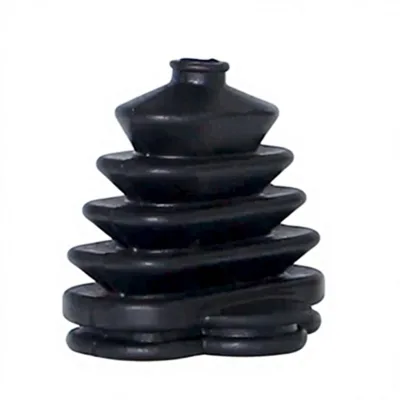
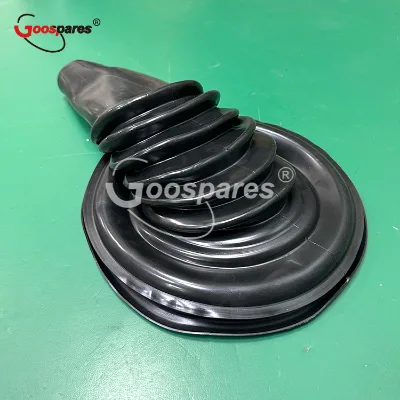
Compare 30 Taiwan Truck Boot options from verified Chinese suppliers. Buyers can review specifications, prices, and lead times for steering gear dust boots and rubber components used in truck maintenance and repair applications; compare the available evidence and request quotations based on your requirements.
Updated
Key considerations
Products List


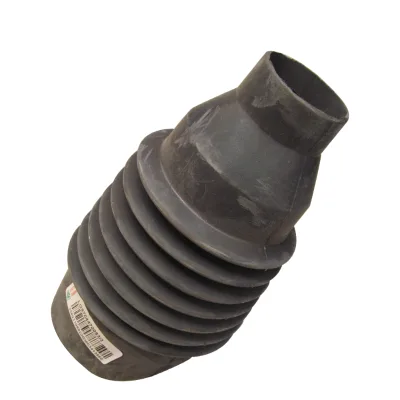
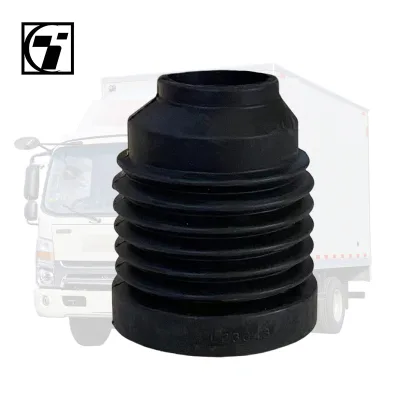
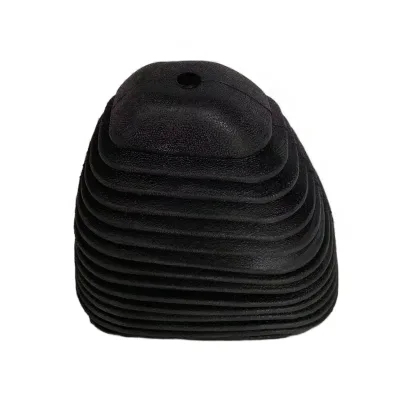
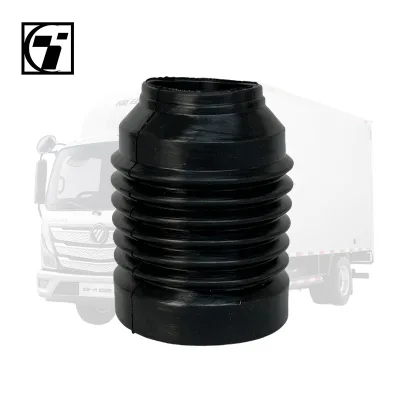
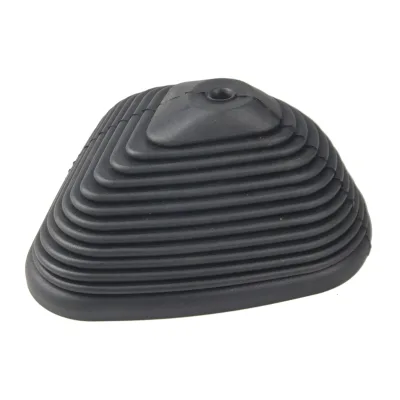
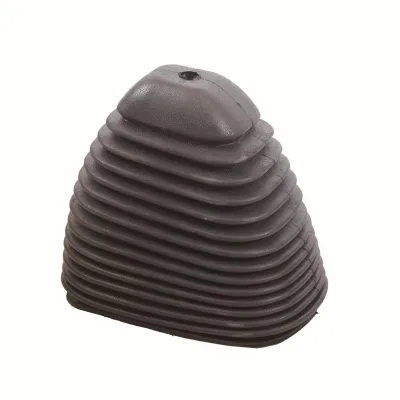
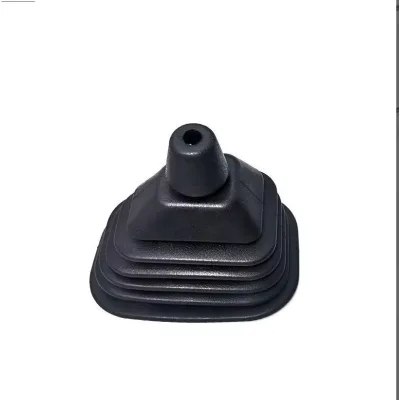


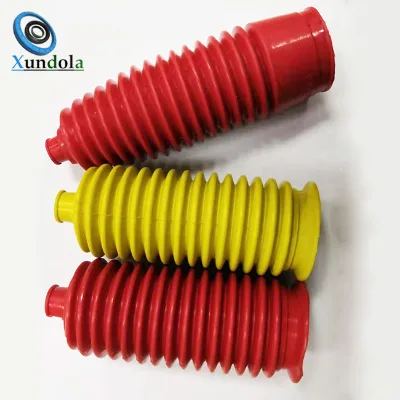
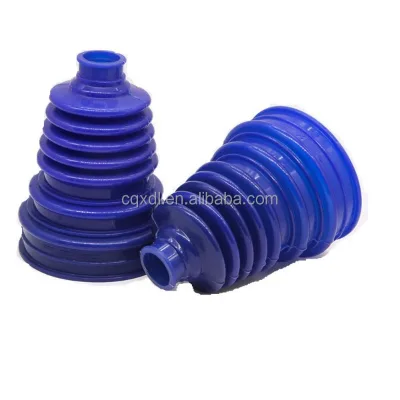
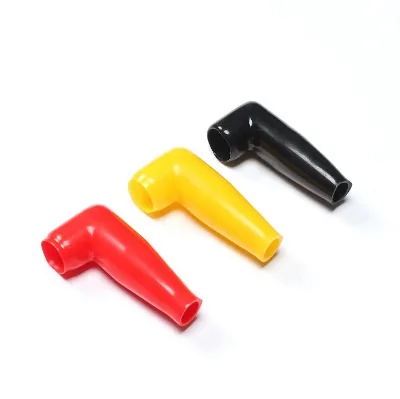
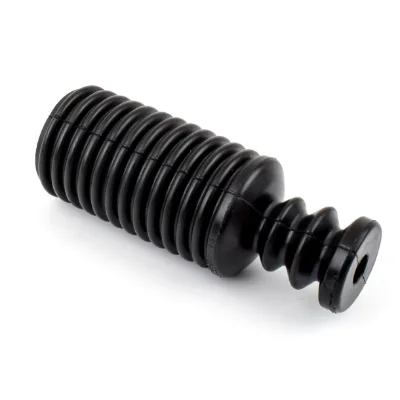
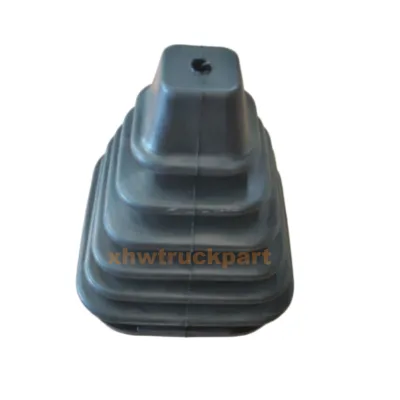
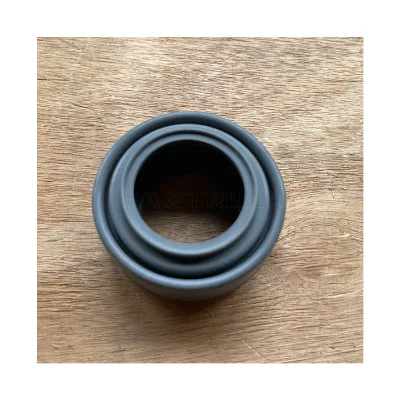
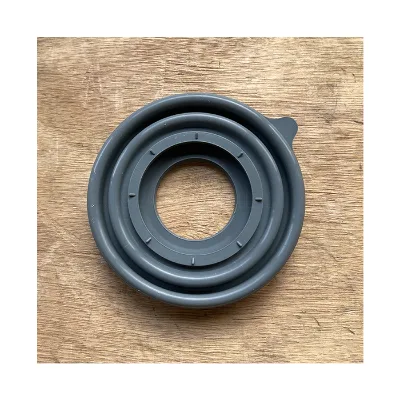

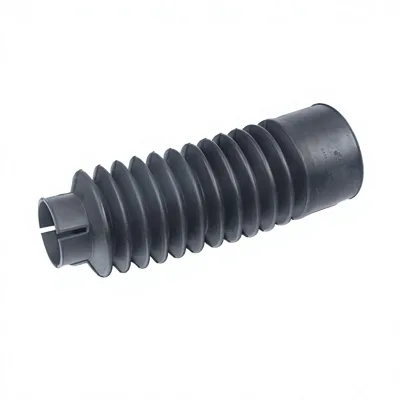
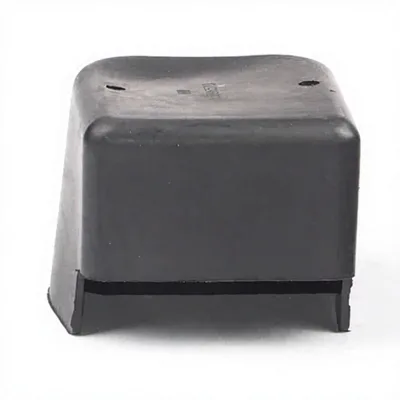

Comprehensive Sourcing Guide
Taiwan Truck Boot Sourcing Guide
Sourcing replacement components for heavy-duty commercial vehicles requires a disciplined approach to identifying compatible parts that meet rigorous operational standards. The global market for truck boots, particularly those designed for steering systems, is dominated by manufacturers in China who supply a wide array of models for various truck brands. Buyers must navigate a complex landscape where part numbers, material compositions, and fitment specifications vary significantly between suppliers. This guide provides a structured framework for evaluating these products, ensuring that procurement decisions are based on verified data rather than marketing claims. Understanding the specific attributes of each listing is crucial for maintaining fleet reliability and minimizing downtime.
The following sections detail the critical factors involved in selecting the right truck boot, from technical specifications to commercial terms. By focusing on observable listing signals and verified supplier qualifications, buyers can mitigate the risks associated with counterfeit or substandard components. The guidance herein is derived from actual market data and standard procurement practices, offering a practical roadmap for sourcing high-quality steering system parts. This approach ensures that every purchase contributes to the overall safety and efficiency of the vehicle fleet, aligning with best practices in industrial procurement.
Product Scope and Observed Listing Signals
The current market for truck boots includes a diverse range of products, primarily originating from China, with specific manufacturing hubs in Shandong, Beijing, Anhui, and Zhejiang provinces. Listings frequently highlight compatibility with major truck brands such as Howo, Foton, and JAC, indicating a strong focus on aftermarket replacement for these specific vehicle lines. The observed product attributes reveal a variety of models, including 68D885, K04279, and 562.7461, each tailored to different steering gear configurations. Buyers should carefully cross-reference these model numbers with their vehicle’s service manual to ensure precise fitment, as generic descriptions can often lead to compatibility issues.
Pricing and minimum order quantities (MOQ) vary widely, with observed prices ranging from $0.01 to $20 USD and MOQs from 1 to 500 pieces. This variance suggests a market segmented by volume discounts and part complexity, where single-item purchases are available for urgent repairs while bulk orders offer cost efficiencies. Packaging details, such as neutral cartons, standard cartons, or pallets, also differ, impacting logistics and storage requirements. Understanding these listing signals helps buyers estimate total landed costs and plan inventory levels effectively, ensuring that procurement aligns with both immediate repair needs and long-term stock strategies.
Technical Specifications to Verify
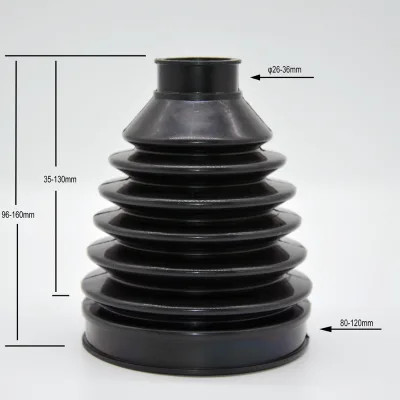
Technical verification is paramount when sourcing truck boots, as material composition and dimensional accuracy directly impact performance and longevity. The supplied data indicates that materials range from rubber to metal, with specific mentions of high-quality rubber for durability and flexibility. Buyers must verify the exact material grade, as inferior rubber can degrade quickly under harsh operating conditions, leading to premature failure. Additionally, specifications such as single package sizes (e.g., 30x25x25 cm or 10x10x12 cm) and gross weights (ranging from 0.330 kg to 2.000 kg) are critical for calculating shipping costs and warehouse space requirements. These physical attributes must be confirmed with the supplier to avoid discrepancies between ordered and delivered goods.
Fitment specifications are equally important, with listings providing detailed OE numbers and part codes such as AZ9725477060, WG9925471076, and 1703121E0. These codes serve as the primary reference for compatibility, linking the boot to specific steering gear models like the JAC1040S or Howo trucks. Buyers should insist on documentation that explicitly states the fitment for their vehicle’s make and model, as generic claims can be misleading. Verifying the standard dimensions and ensuring that the product is marked as "New" and intended for "replace/repair" purposes further reduces the risk of installing defective or incompatible components.
Compliance and Safety Documentation
Compliance with international standards is a key indicator of product quality and supplier reliability. The observed listings mention ISO certification, which suggests that the manufacturing facilities adhere to recognized quality management systems. However, buyers should request valid certification documents to verify the scope and validity of these claims, as mere assertions are insufficient for rigorous procurement processes. Additionally, standards such as "9'*9'*7'" and "rubber" are listed, but their specific technical meaning must be clarified with the supplier. Understanding these standards helps buyers assess whether the product meets the regulatory requirements of their operating region, particularly for safety-critical components like steering system boots.
Safety documentation should also include material safety data sheets (MSDS) and test reports, especially for rubber components that may be exposed to extreme temperatures and chemicals. Buyers should inquire about the testing procedures used to validate the boot’s resistance to wear, tear, and environmental factors. While the supplied data does not provide specific test results, requesting this information is a standard due diligence step. Ensuring that the product is manufactured in facilities that comply with environmental and safety regulations further mitigates legal and operational risks, providing peace of mind for fleet managers and procurement officers.
Cost Drivers and Commercial Terms
Cost drivers for truck boots include material costs, manufacturing complexity, and logistics expenses. The observed price range of $0.01 to $20 USD reflects these variables, with lower prices often associated with simpler designs or bulk production efficiencies. Buyers should analyze the total cost of ownership, including shipping, customs duties, and potential storage costs, rather than focusing solely on the unit price. The MOQ of 1 to 500 pieces allows for flexibility, but larger orders may offer better per-unit costs. Understanding these cost drivers helps buyers negotiate better terms and optimize their procurement strategy based on volume and frequency of need.
Commercial terms such as payment methods and delivery times are also critical factors in the sourcing decision. The supplied data indicates that T/T (Telegraphic Transfer) is a common payment method, with delivery times ranging from 15 to 30 days. These terms can impact cash flow and inventory planning, so buyers should align them with their operational requirements. Additionally, warranty terms, such as the observed 3-month warranty, provide a safety net against defects. Buyers should clarify the warranty conditions, including coverage for shipping damages and manufacturing defects, to ensure that their investment is protected.
Supplier Qualification and Quality Control
Supplier qualification is a foundational step in ensuring the reliability of the supply chain. Buyers should verify the supplier’s business license, manufacturing capabilities, and quality control processes. The observed listings mention brands such as SINOTURK, Foton, and JAC, but buyers must confirm that these are authorized distributors or manufacturers, not unauthorized resellers. Requesting factory audits or third-party verification reports can provide additional assurance of the supplier’s legitimacy and operational standards. This due diligence helps prevent fraud and ensures that the products meet the expected quality levels.
Quality control measures should be explicitly defined in the purchase agreement, including inspection protocols and acceptance criteria. Buyers should specify the required quality standards, such as the "100% Guaranteed" claim observed in some listings, and define the consequences of non-conformance. Implementing a robust quality control process, including pre-shipment inspections and random sampling, helps identify defects before the goods are delivered. This proactive approach reduces the risk of receiving substandard products and ensures that the fleet remains operational with minimal interruptions.
Long-Term Procurement Checks
Long-term procurement success depends on continuous monitoring and evaluation of supplier performance. Buyers should establish key performance indicators (KPIs) such as on-time delivery rates, product defect rates, and responsiveness to issues. Regularly reviewing these metrics helps identify potential problems early and allows for corrective actions to be taken. Building a relationship with reliable suppliers fosters trust and can lead to better pricing and priority service. This long-term perspective ensures that the procurement process remains efficient and cost-effective over time.
Additionally, buyers should stay informed about market trends and technological advancements in truck boot manufacturing. This knowledge can help identify new opportunities for cost savings or performance improvements. Regularly updating the supplier base and diversifying sources can also mitigate risks associated with supply chain disruptions. By maintaining a proactive and informed approach to procurement, buyers can ensure that their fleet remains well-maintained and operational, supporting the overall success of their business operations.
FAQs
How long does delivery take for Taiwan Truck Boot orders?
Standard delivery time is 15 to 30 days after order confirmation, depending on order quantity and production scheduling. Buyers needing faster shipment should confirm lead time with the supplier before placing an order. Larger volumes or customized variants may extend the timeline, so planning ahead helps avoid downtime for truck repair or replacement programs.
What material is used for these steering gear dust boots?
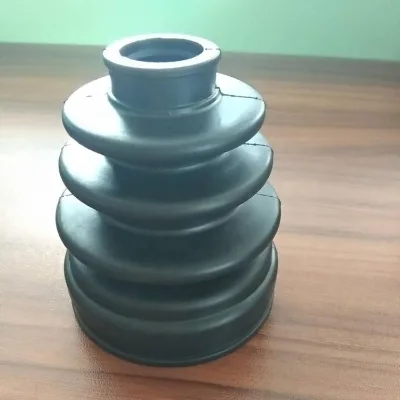
The steering gear dust boots are made of rubber, with some listings noting high quality rubber construction and metal components in certain variants. Rubber provides flexibility and resistance to dust, moisture, and road debris around the steering system. Buyers should confirm the exact rubber compound and any performance requirements with the supplier for their specific truck model.
Which truck models can these steering dust boots fit?
Listed products are applied to trucks including Howo, with specifications covering part numbers such as AZ9725477060, WG9925471076, and others, plus JAC1040S car model references. Compatibility depends on the exact OE number or specification you require. Always match the part number against your vehicle documentation before ordering to ensure a correct fit.
Can I order a small quantity for replacement purposes?
Yes, some listings show a minimum order quantity of 1 piece, making them suitable for replace or repair purposes. Other listings may carry higher MOQs, so check each product page before ordering. Small trial orders are a practical way to verify fit and quality before committing to bulk purchases for fleet maintenance.
What payment and packaging terms are available?
Payment terms listed include T/T, and packaging options include neutral carton, carton, and pallet depending on the product. Neutral packaging is useful for distributors who resell under their own branding. Confirm payment conditions, packaging preference, and shipping arrangement with the supplier at the quotation stage to avoid misunderstandings.
How can I get customization for Taiwan Truck Boot products?
Customization is listed as available on the product pages. Buyers can typically request adjustments to specifications, packaging, or branding, subject to supplier confirmation and possible MOQ changes. Provide drawings, samples, or OE numbers such as WG9925471085 or AZ9719471145 when inquiring so the supplier can assess feasibility and quote accurately.
What quality assurance do these truck boots include?
Product pages list ISO certification and quality described as 100% guaranteed, with some products carrying a 3 months warranty. New condition products are packed in cartons or on pallets for protection. Buyers should request specific test documentation or inspection reports from the supplier when quality requirements are critical for their application.