Source Taiwan Trousers Hooks for Garments, Bags, and Suspenders
Find 30 listings for Taiwan Trousers Hooks suitable for trousers, garments, and suspenders. Compare metal options including brass and ordinary styles with features like anti-corrosion and eco-friendly plating. View pricing from $0 to $2.50 and MOQs ranging from 200 to 50,000 sets.
Updated
Key considerations
Products List


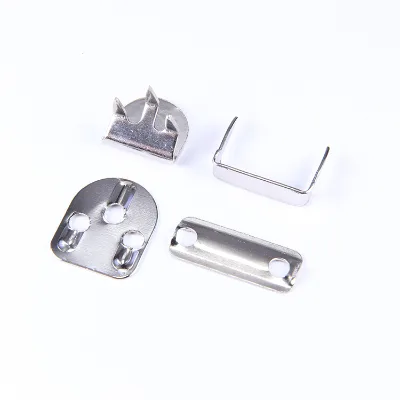
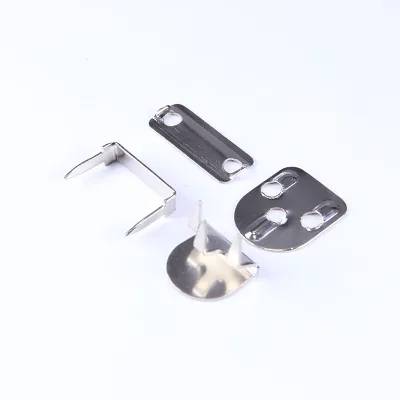
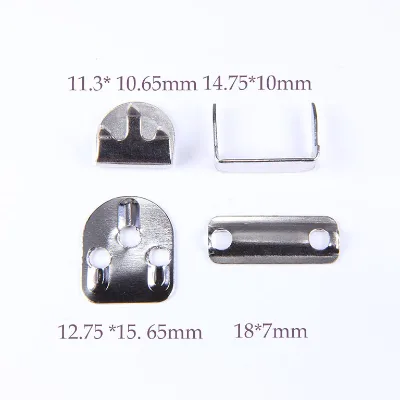
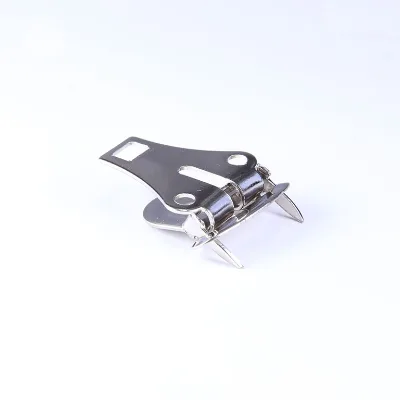
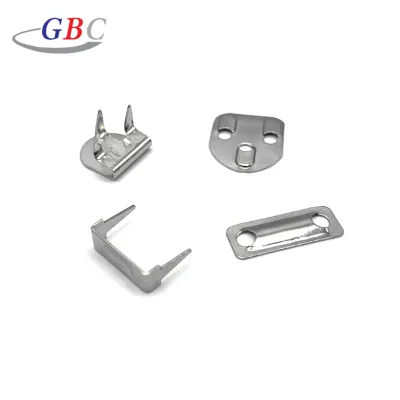
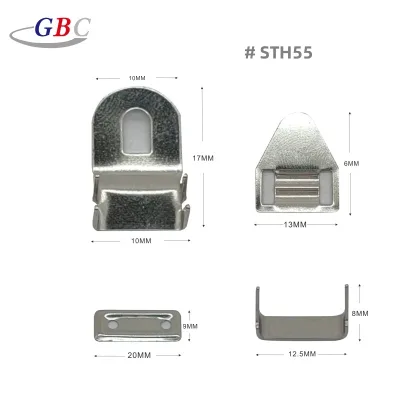
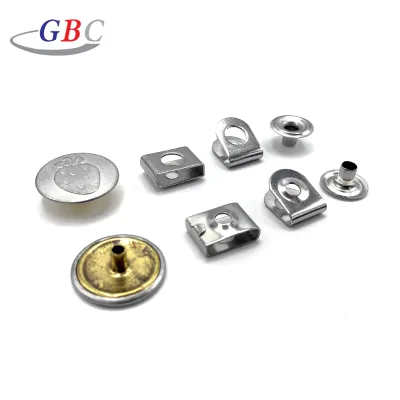
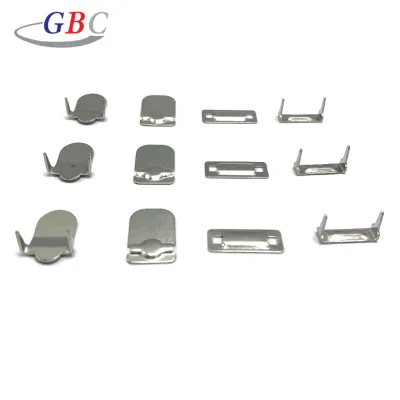
Durable 4-Part Steel Truss Hook Low-Traiff Made in Taiwan for Skirts and Trousers T205
$0.0205 - $0.0512
MOQ: 288 sets
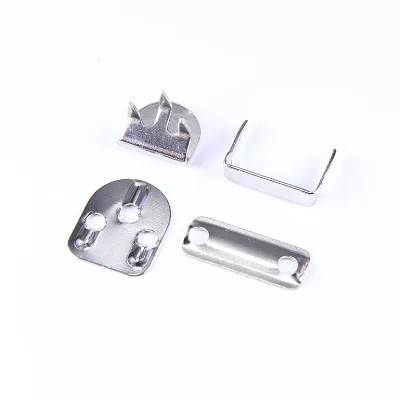
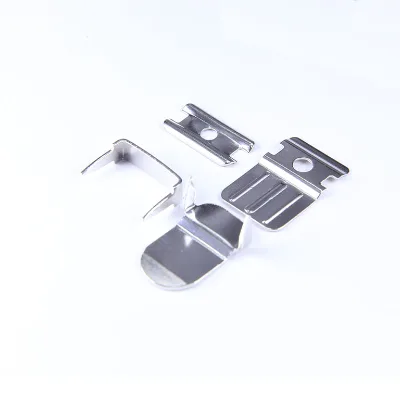
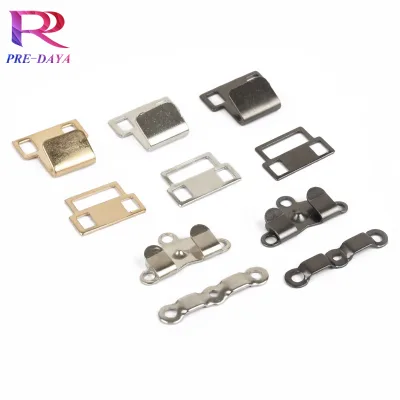
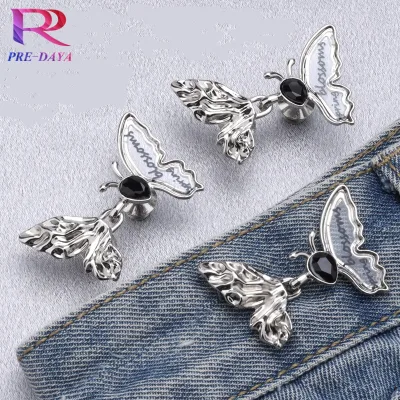
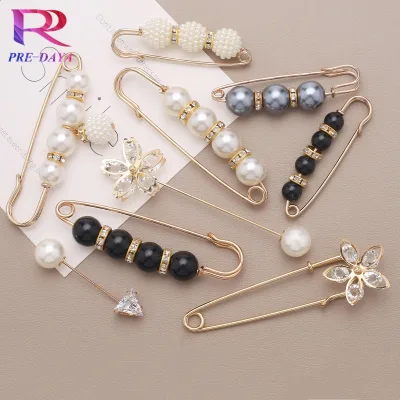
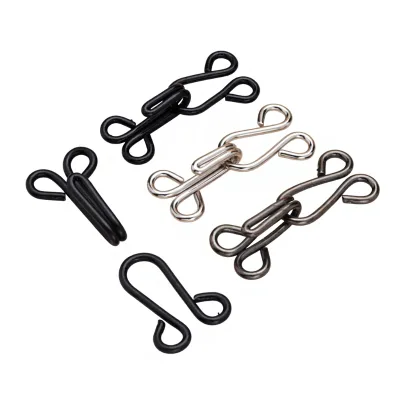
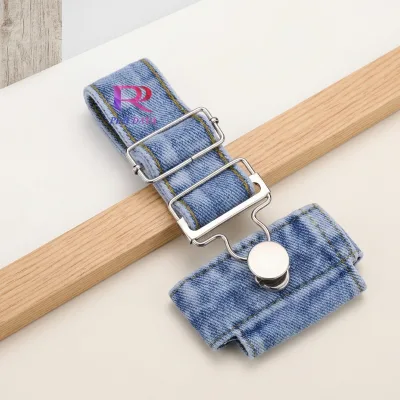
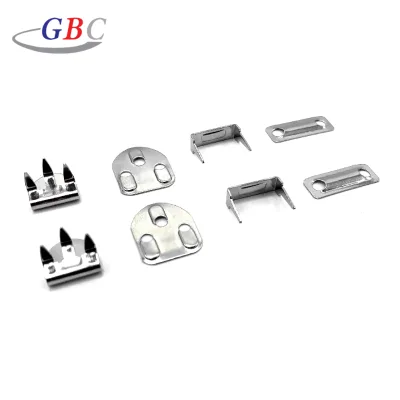
Comprehensive Sourcing Guide
Taiwan Trousers Hooks Sourcing Guide
Sourcing high-quality fasteners for apparel requires a nuanced understanding of regional manufacturing strengths and specific component requirements. While the core keyword highlights Taiwan, the available data indicates that primary production for these items often originates from Zhejiang, China. Buyers must navigate this geographical distinction carefully, ensuring that the supplier’s location aligns with their logistical and compliance expectations. The focus remains on durable, functional metal hooks designed for trousers, suspenders, and other garments, where reliability is paramount.
Procurement teams should prioritize suppliers who offer customization options, as off-the-shelf solutions may not meet specific design aesthetics or functional needs. The market offers both stock and non-stock items, with lead times varying significantly based on inventory status. Understanding whether a supplier maintains ready stock or operates on a made-to-order basis is critical for managing production schedules. This guide provides a framework for evaluating these variables to ensure a smooth sourcing process for essential garment components.
Product Scope and Observed Listing Signals
The current market landscape for trousers hooks reveals a diverse range of product attributes tailored to different garment applications. Listings indicate that these fasteners are primarily constructed from metal, with brass being a notable material choice for its durability and aesthetic appeal. The style is predominantly hook-based, designed for secure closure in trousers, skirts, and suspenders. Buyers will observe variations in color, including color-matching and monocolor options, which allow for seamless integration into various fabric designs.
Usage scenarios extend beyond simple trousers to include bags, caps, shoes, and belts, highlighting the versatility of these components. The observed product models range from ordinary designs to specialized items like "Trousers Metal Hook Button" and "Four Claw" sets. Some listings emphasize eco-friendly features, such as nickel-free plating, which appeals to brands with strict sustainability mandates. Understanding these specific product signals helps buyers filter suppliers effectively and identify those who can meet their precise technical and aesthetic requirements.
Technical Specifications to Verify
Verifying technical specifications is crucial to ensure the hooks meet functional demands and durability standards. Key attributes to confirm include the separation strength, which should be assessed to ensure it meets the stress requirements of the intended garment. The main processing way often involves stamping and plating, with surface treatments like polished, chrome, or zinc finishes available. Buyers must verify that the chosen surface treatment provides adequate anti-corrosion properties, especially for items exposed to moisture or frequent washing.
Size and set configurations vary, with options including two-piece sets, four-piece sets, and OEM sizes. It is essential to confirm whether the hooks are adjustable or non-adjustable, as this impacts the fit and comfort of the final garment. Additionally, the packing details, such as 144 sets per box or 50 boxes per carton, should be aligned with the buyer’s storage and handling capabilities. Ensuring these specifications are clearly defined in the purchase order prevents discrepancies and ensures the received goods match the design intent.
Compliance and Safety Documentation
Compliance with safety and environmental standards is increasingly important in the global apparel supply chain. Buyers should request documentation confirming that the metal hooks are nickel-free, as nickel allergies are a common concern in garment manufacturing. While OEKO-TEX is mentioned in background contexts, buyers must verify if the specific supplier holds relevant certifications for their plating processes and materials. This verification ensures that the components do not introduce harmful substances into the final product, protecting brand reputation and consumer safety.
Eco-friendly claims, such as those related to eco-plating or washable features, should be substantiated with technical data sheets or third-party test reports. Buyers must also confirm that the supplier adheres to any specific regional regulations regarding heavy metals or chemical usage in metal finishes. Understanding the standard of the product, whether it is ordinary or customized, helps in assessing the level of compliance documentation required. Proactive verification of these documents mitigates the risk of regulatory non-compliance and potential product recalls.
Cost Drivers and Commercial Terms
Several factors influence the cost structure of trousers hooks, including material choice, plating complexity, and order volume. Brass and specialized plating processes like chrome or zinc can increase unit costs compared to standard metal options. The minimum order quantity (MOQ) is a significant commercial term, with observed ranges varying from 200 to 50,000 sets. Buyers with smaller volume requirements may face higher per-unit costs or need to negotiate flexible MOQ terms with suppliers who maintain stock.
Pricing is also affected by customization levels, such as OEM/ODM acceptance, logo engraving, or custom packing. Suppliers offering sample-free options can reduce initial prototyping costs, but buyers should clarify any associated shipping or handling fees. Understanding the packing specifications, such as 144 sets per box, helps in calculating total landed costs, including freight and storage. Clear communication of these commercial terms ensures accurate budgeting and prevents unexpected expenses during the procurement process.
Supplier Qualification and Quality Control
Evaluating supplier qualifications is essential to ensure consistent quality and reliable delivery. Buyers should assess the supplier’s manufacturing capabilities, particularly their proficiency in stamping and plating processes. Factories with in-house quality control teams are preferable, as they can monitor production stages more effectively. It is also important to verify the supplier’s experience in producing hooks for reputable brands, which often indicates a higher standard of quality and attention to detail.
Quality control checks should include visual inspections for surface defects, such as scratches or uneven plating, and functional tests for hook strength and durability. Buyers may request pre-shipment inspections or third-party audit reports to verify compliance with agreed specifications. Understanding the supplier’s stock status and production lead times helps in planning inventory levels and avoiding production delays. Establishing a robust quality control framework ensures that the received hooks meet the required standards for performance and appearance.
Long-Term Procurement Checks
Establishing long-term procurement relationships requires ongoing monitoring of supplier performance and product consistency. Buyers should regularly review quality metrics, such as defect rates and customer feedback, to identify potential issues early. Maintaining open communication with suppliers regarding any changes in materials, processes, or standards is crucial for ensuring continued compliance. Regular audits and performance reviews help in maintaining high standards and fostering a collaborative partnership with the supplier.
As market trends evolve, buyers should stay informed about new materials, finishes, and sustainability practices in the hook manufacturing industry. Adapting to these changes can provide competitive advantages and meet evolving consumer demands. It is also important to diversify the supplier base to mitigate risks associated with single-source dependencies. By implementing these long-term checks, buyers can ensure a stable, efficient, and compliant supply chain for their trousers hooks and other garment components.
FAQs
What materials are commonly used for trousers hooks in this listing?
The listed trousers hooks are made of metal, with brass offered for some trouser hook button models. Metal construction supports durability and a clean finish, and surface treatments such as polished, chrome, zinc, or painted coatings are applied after stamping. Buyers can request color matching or monocolor finishes depending on the garment application.
Can I customize the size, logo, or finish of trousers hooks?
Yes, customization is available. Sizes can be produced to OEM specifications, and logos can be added through engraving or punching according to your design. Surface treatments include polished, chrome, zinc, or painted options, and OEM and ODM designs are accepted. Free samples are offered so you can verify the finish and fit before committing to a bulk order.
What is the typical packaging for trouser hooks and skirt hooks?
Packaging varies by product type. Trousers hooks are commonly packed as four pieces per set with 144 sets per box, while some skirt hook styles use two pieces per set with 100 sets per box. Orders are packed into cartons for shipment, and customer-specified packing arrangements can be discussed when placing a bulk order.
Which features make these hooks suitable for garment use?
Several listed hooks are described as eco-friendly, nickel-free, and washable, which suits garments with skin contact or frequent laundering. Some models also carry an anti-corrosion feature, and plating processes such as eco-plating or polish support corrosion resistance. Typical applications include trousers, skirts, bags, suspenders, caps, bras, shoes, and belts.
What MOQ should I expect when ordering trousers hooks?
Minimum order quantities vary by model. The overall observed MOQ range across these listings starts at 200 pieces, while one trousers hook set listing specifies 50,000 sets. Because requirements differ by product and customization level, confirm the exact MOQ with the supplier for the specific hook style, size, and finish you need.
How are the hooks manufactured and finished?
The main processing method is stamping followed by plating. After the hook shape is stamped from metal or brass, surface treatments such as polished, chrome, zinc, or painted finishes are applied. Eco-plating and polish techniques are also listed, supporting eco-friendly, nickel-free, and washable characteristics for garment applications.
Where are these trouser hooks produced?
The listed products originate from Zhejiang, China. Sourcing from this region gives access to manufacturers experienced in stamping and plating garment accessories. Since some items are stocked and others made to order, check stock status, production lead time, and shipping arrangements with individual suppliers before finalizing your order.
Can I get samples before placing a bulk order?
Yes, free samples are offered on listings that mention sample availability. Requesting a sample lets you check the hook style, separation strength, plating quality, and color match against your garment. Because stock status differs by item, confirm whether sample units come from inventory or require a short production run before shipment.