Source Taiwan Stone Beaded Bracelet for Gifts, Weddings, and Parties
Compare 30 listings of Taiwan Stone Beaded Bracelet options featuring materials like crystal, jade, and tiger eye. Buyers can evaluate customization, certifications, and pricing for formal or informal occasions.
Key considerations
Products List


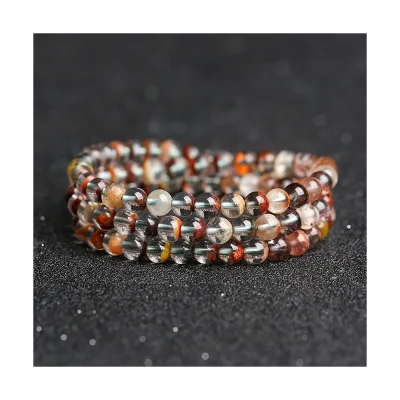


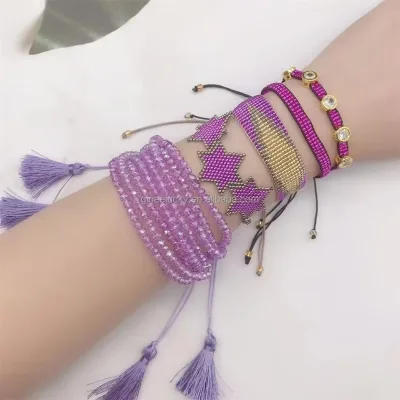

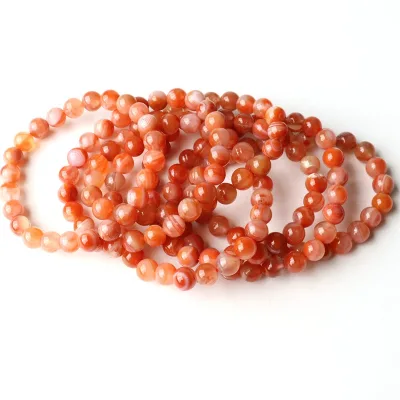


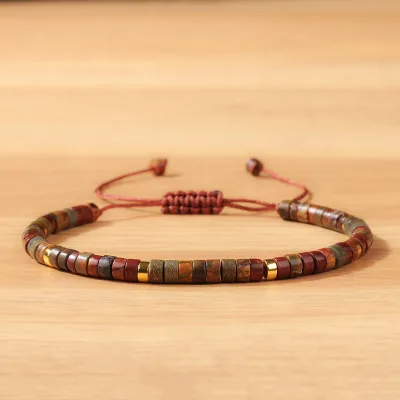
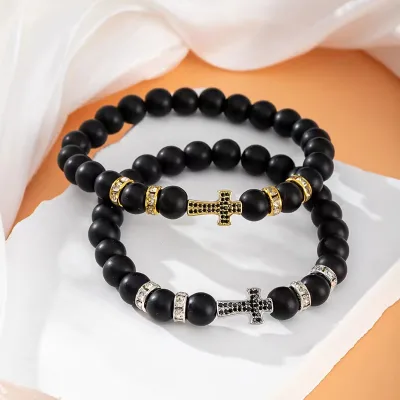
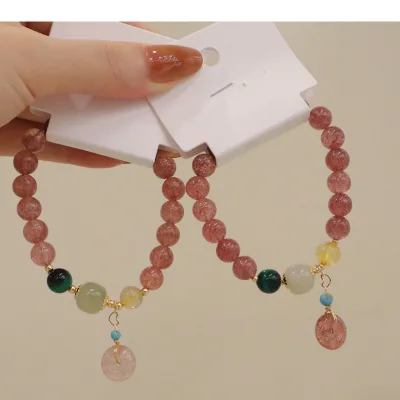
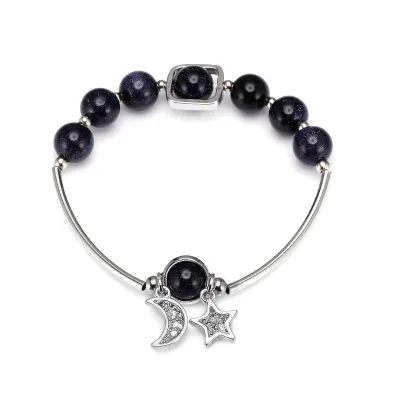
Retro Blue sandstone bracelet girls' simple lovers jewelry natural stone bracelet
$1.49 - $1.79
MOQ: 12 Minimum

Comprehensive Sourcing Guide
Strategic Sourcing Guide for Taiwan Stone Beaded Bracelets
Understanding Product Attributes and Technical Specifications
When sourcing stone beaded bracelets, particularly those associated with the "Taiwan stone" designation, buyers must first establish a clear understanding of the physical and technical attributes that define the product category. The term "Taiwan stone" often refers to specific semi-precious stones or beads sourced or processed in the region, known for their distinct coloration and texture. Based on observed market data, these bracelets frequently utilize materials such as crystal, jade, and various natural beads. The technical specifications are critical for defining the product's fit and aesthetic appeal.
The size of the beads is a primary specification, with common observations indicating diameters of 4mm, 6mm, and potentially larger variations depending on the design intent. The overall length of the bracelet is another crucial dimension, with standard measurements often cited around 7 inches (approximately 18cm). However, buyers should verify if the product offers custom length options, as the market data indicates that "customed" standards are available for certain models. The shape of the beads is equally significant; while some designs feature irregular shapes to achieve a natural aesthetic, others may utilize uniform spacer styles to create a consistent look.
Color variations are extensive in this category. Observed listings include multicolour options, specific single hues like green and white, and combinations featuring Tiger Eye, Rose Quartz, Amethyst, and Crystal. The style of the stones can range from simple and natural to more elaborate designs suitable for formal occasions. It is important to note that while some products are marketed for formal wear, others are designed for informal occasions, meaning the buyer must align the product style with the intended usage context. The weight of the bracelet is another tangible metric, with observed weights ranging from 20g to 25g, which can influence the perceived quality and comfort of the final piece.
Compliance, Certification, and Safety Standards
In the B2B procurement of jewelry, compliance with international safety standards is non-negotiable. Buyers must ensure that the stone beaded bracelets they source meet rigorous testing requirements to prevent liability issues and ensure consumer safety. The market data highlights several critical certifications and testing protocols that are commonly associated with reputable suppliers in this sector.
Safety testing for heavy metals is a primary concern. Products are frequently tested to ensure they are nickel-free, lead-free, and cadmium-free. These attributes are essential for preventing allergic reactions and ensuring the jewelry is safe for prolonged skin contact. The presence of "Lead Free" and "Nickle Free" declarations in product specifications indicates a commitment to these safety standards. Furthermore, specific testing for these elements is often conducted by third-party laboratories.
Certifications from recognized international bodies serve as a proxy for quality and ethical manufacturing practices. The observed data lists several prominent certifications, including BSCI (Business Social Compliance Initiative), SGS, BV (Bureau Veritas), and Intertek. These certifications cover various aspects of the supply chain, from social compliance and labor standards to product quality and material safety. For instance, SGS and Intertek are globally recognized for their rigorous testing and inspection services, while BSCI focuses on the ethical treatment of workers in the supply chain.
Buyers should verify that the supplier can provide valid, up-to-date certificates for each batch of products. The "Quality Standard" mentioned in some listings refers to the "Us Standard," which implies adherence to specific American market requirements. However, buyers must confirm if the supplier can also meet standards for other target markets, such as the European Union or Russia, as the "Main Market" data indicates these regions are key destinations for such products. It is imperative to request proof of these certifications before finalizing any order to ensure that the products will not face regulatory hurdles in the destination country.
Cost Drivers and Pricing Structures
The pricing of stone beaded bracelets is influenced by a complex interplay of factors, including material costs, labor, customization, and certification. The observed price range for these products spans from $0.29 to $62.96 USD, a wide spectrum that reflects the diversity in materials, craftsmanship, and branding. Understanding the drivers behind this range is essential for budgeting and negotiation.
Material cost is a primary driver. Bracelets featuring high-quality natural stones like jade or rare crystal varieties will naturally command a higher price point compared to those made from standard glass beads or synthetic materials. The specific type of stone, such as Tiger Eye or Rose Quartz, also impacts the cost. Additionally, the weight of the bracelet, ranging from 20g to 25g in observed samples, correlates with the amount of material used, directly influencing the unit cost.
Labor and craftsmanship are significant cost components. Hand-strung bracelets with irregular shapes or intricate designs require more time and skill than machine-made uniform pieces. The "Natural" and "Simple" styles often imply a level of artisanal work that increases the price. Customization is another major factor. The availability of OEM (Original Equipment Manufacturing) and ODM (Original Design Manufacturing) services allows buyers to tailor the product to their specific needs, but this service typically incurs additional costs. The ability to customize packing, such as using specific OPP bags or custom packaging, also adds to the overall price.
Minimum Order Quantity (MOQ) plays a crucial role in the final unit price. The observed MOQ range is from 1 to 1000 units. Generally, higher order volumes result in lower per-unit costs due to economies of scale. Buyers should be aware that while low MOQs offer flexibility for testing the market, they often come with a higher price per unit. Conversely, large orders can secure better pricing but require a significant upfront investment.
Typical Applications and Market Segmentation
Stone beaded bracelets are versatile accessories suitable for a wide array of applications and market segments. The product attributes indicate that these items are designed for various occasions, ranging from formal events to informal daily wear. This versatility makes them attractive to buyers targeting different consumer demographics.
For formal occasions, bracelets with a "Natural" style and high-quality stones like Amethyst or Crystal are ideal. These pieces are often used as gifts for weddings, engagements, or other significant life events. The "Suitable for" attributes list "Engagement, Gift, Party, Wedding," highlighting their role in celebratory contexts. The "Decoration" and "Health" usage claims suggest that some bracelets are marketed not just for aesthetics but also for perceived wellness benefits, appealing to consumers interested in holistic health and spirituality.
The target market data indicates a strong presence in Europe, North America, and Russia. These regions have established markets for fashion accessories and jewelry, with a growing demand for sustainable and ethically sourced products. The "Main Market" data suggests that suppliers are well-positioned to serve these regions, but buyers must ensure that the product design and marketing align with local preferences. For instance, the "Informal Occasions" category might appeal to a younger demographic looking for everyday wear, while "Formal Occasions" targets a more mature or luxury-seeking audience.
The "Suitable for" attributes also include both "Male" and "Female" segments, indicating that these bracelets are unisex or available in gender-specific designs. This broad appeal allows buyers to stock a diverse inventory that caters to different customer bases. The "Usage" as a "Gift" is particularly strong, making these bracelets a popular choice for corporate gifts, promotional items, or holiday sales.
Supplier Evaluation and Sourcing Strategy
Selecting the right supplier is a critical step in the procurement process. Buyers should evaluate potential partners based on their capabilities, certifications, and track record. The location of the supplier is a key factor, with observed origins including China (Mainland), specifically Zhejiang and Yiwu. These regions are known for their robust manufacturing ecosystems and expertise in jewelry production.
When evaluating suppliers, buyers should look for those who offer comprehensive OEM and ODM services. The ability to customize products, including packing and design, is a significant advantage. Suppliers that accept custom requests for packing, such as "One Psc with One OPP Bag" or specific custom packaging, demonstrate flexibility and a customer-centric approach. The "OEM&ODM: Accept" and "Accepted" attributes in the data confirm that many suppliers are willing to collaborate on custom projects.
Certifications are a vital part of supplier evaluation. Buyers should prioritize suppliers who hold valid BSCI, SGS, BV, and Intertek certificates. These certifications indicate a commitment to quality, safety, and ethical practices. It is also important to verify the supplier's testing capabilities, ensuring they can provide evidence that their products are nickel-free, lead-free, and cadmium-free.
Lead times and production capacity are other critical considerations. While specific lead times are not provided in the data, buyers should inquire about the supplier's ability to meet deadlines, especially for large orders. The MOQ range of 1 to 1000 suggests that suppliers can accommodate both small and large orders, but buyers should confirm the production timeline for their specific order volume.
Quality Control and Long-Term Procurement Considerations
Ensuring consistent quality is paramount in long-term procurement. Buyers should implement a robust quality control (QC) strategy that includes pre-production samples, in-process inspections, and final random inspections. The "Quality Standard: Us Standard" mentioned in the data provides a benchmark, but buyers should define their own specific quality criteria based on their market requirements.
Quality control should focus on several key areas. First, the physical integrity of the bracelet, including the strength of the stringing and the durability of the beads. Second, the consistency of the color and size of the stones, ensuring that the "Multicolour" or specific color options match the agreed-upon samples. Third, the safety of the materials, verifying that the "Lead Free" and "Nickle Free" claims are substantiated by recent test reports.
Long-term procurement considerations involve building a sustainable relationship with the supplier. This includes negotiating favorable terms for future orders, establishing clear communication channels, and maintaining a shared understanding of quality expectations. Buyers should also consider the environmental impact of their sourcing decisions, looking for suppliers who prioritize eco-friendly practices and sustainable materials.
The "Eco-Friendly" attributes, such as being "Lead Free, Nickle Free, Cadmium Free," align with growing consumer demand for sustainable products. Buyers should encourage suppliers to adopt further eco-friendly practices, such as using recyclable packaging or sourcing materials from responsible mines.
Comparative Analysis of Product Variants
To facilitate decision-making, buyers can compare different product variants based on key attributes. The following table summarizes the observed differences in specifications, materials, and certifications across the product range.
| Attribute | Variant A (ESB012156) | Variant B (ESB01218) | Variant C (TRSL0714042) | Variant D (TRSL0714003) |
|---|---|---|---|---|
| Material | Crystal | Jade | Beads | Beads |
| Color | Multicolour | Green | White | White |
| Stone Color | Tiger Eye, Rose Quartz, Amethyst | N/A | N/A | N/A |
| Size | 6mm | 4mm, 6mm | N/A | N/A |
| Length | 7" | 7" | 18CM | Custom |
| Weight | N/A | N/A | 20g | 25g |
| Style | Natural | Simple | N/A | N/A |
| Occasion | Formal Occasions | Informal Occasions | N/A | N/A |
| Certification | BSCI, SGS, BV, Intertek | SGS, BV, Intertek | SGS, BV, Intertek | N/A |
| Safety | Nickel & Lead Free | N/A | Lead Free, Nickle Free, Cadmium Free | N/A |
| Origin | China | Zhejiang, China (Mainland) | Zhejiang, China (Mainland) | Yiwuzhejiang |
This comparison highlights the diversity within the product category. Buyers can use this table to identify the specific variant that best meets their requirements regarding material, size, and certification. For instance, if a buyer requires a jade bracelet for informal occasions, Variant B would be the most suitable choice. Conversely, if a buyer needs a crystal bracelet for formal events with comprehensive safety certifications, Variant A would be the preferred option.
In conclusion, sourcing stone beaded bracelets requires a meticulous approach that balances technical specifications, compliance, cost, and supplier capabilities. By understanding the nuances of the product attributes and leveraging the available market data, buyers can make informed decisions that align with their business objectives and customer expectations.
FAQs
Can I customize the packaging for these bracelets?
Yes, suppliers can create packaging according to your specific request. This customization is available for models like ESB012156 and TRSL0714042, allowing you to use custom OPP bags or other branded materials to meet your brand standards.
What certifications do these bracelets typically hold?
Reputable suppliers provide certifications such as BSCI, SGS, BV, and Intertek for these products. These documents verify compliance with social standards and material safety, ensuring the bracelets are nickel-free, lead-free, and cadmium-free for international markets.
Which stone colors are available for these bracelets?
Available stone colors include Tiger Eye, Rose Quartz, Amethyst, Crystal, Green, and White. The bracelets often feature multicolour options or specific single hues depending on the model, such as the 6mm or 4mm bead sizes found in the current listings.
What is the typical price range for these items?
The observed price range for these bracelets spans from 0.29 to 62.96 USD per unit. This wide variation depends on factors like material quality, whether the item is jade or crystal, and the specific customization or order volume you require.
How do I find suppliers with low minimum order quantities?
You can find suppliers offering minimum order quantities as low as one unit. The market data shows an MOQ range from 1 to 1000, allowing you to test products with small batches before committing to larger production runs for formal or informal occasions.
Are these bracelets suitable for both male and female buyers?
Yes, the product attributes indicate suitability for both male and female customers. The designs range from simple and natural styles to those suitable for formal occasions, making them versatile gifts for engagements, parties, or weddings.
What is the standard length and bead size for these bracelets?
Standard specifications often include a length of 7 inches or 18cm with bead sizes of 4mm or 6mm. Some models offer custom length standards, but the typical irregular shape and spacer style maintain a consistent aesthetic across the product line.