Source Taiwan Truck Door Hinge for Dump Trailers, Cargo Trucks, and Doors
Find and compare 30 Taiwan Truck Door Hinge options from verified Chinese manufacturers. Buyers can review specifications, certifications like ISO/TS16949, and pricing for applications including dump trailers, cargo trucks, and general doors.
Key considerations
Products List


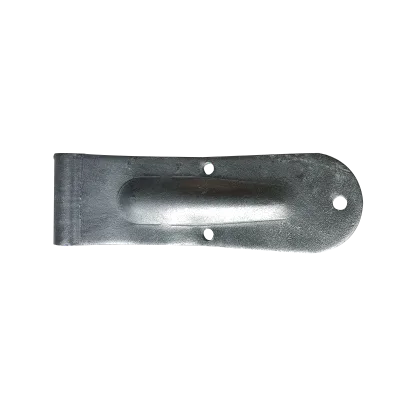
Truck Door Heavy Hinge, Trailer Door Hinge, Trailer Parts, Truck Body Parts
$2.00 - $5.00
MOQ: 500 Pieces


Dump Hinge Container Door Hinge Trailer/Truck Door Hinge Heavy Duty Hinge
$0.20 - $6.50
MOQ: 500 Pieces




Comprehensive Sourcing Guide
Strategic Sourcing Guide for Taiwan Truck Door Hinge Components
Understanding Component Specifications and Variability
When sourcing truck door hinges, particularly for the Taiwan market or components destined for vehicles operating in that region, buyers must first navigate a landscape of diverse technical specifications. The product data indicates that "Taiwan Truck Door Hinge" is not a monolithic item but a category encompassing various models, materials, and configurations. Observed product models in the relevant supply chain include specific identifiers such as 11110, 11480, 11130, and 11080, alongside specialized codes like HDCT069 and HDCT067. These alphanumeric codes often correspond to specific vehicle platforms, such as Sinotruk HOWO truck spare parts, which are frequently utilized in heavy-duty transport scenarios.
The physical attributes of these hinges vary significantly based on their intended application. Weight is a critical differentiator, with observed values ranging from 0.2kg to 1.1kg, and in some heavy-duty contexts, weights can exceed 1000kg for entire assemblies or specialized machinery components. The material composition is predominantly steel or stainless steel, with carbon steel also appearing in specific listings. For applications requiring high corrosion resistance, zinc plating is a common surface treatment observed in the supply data. The manufacturing process is frequently cited as forging, which generally implies a higher grain structure integrity compared to casting, though metal fabrication involving welding, bending, and stamping is also a standard method for certain hinge variants.
Buyers must verify the exact model number against their vehicle's service manual. The data shows that some products are designated as "OEM" models, while others are "Non-Customized." This distinction is vital; a non-customized hinge may fit a standard range of trucks, whereas an OEM-specific part is engineered for a particular chassis. Furthermore, the placement of the hinge is a key specification, with "Rear" placement being a documented attribute for certain truck door assemblies. The color of the finished product is typically silver, though "as your request" customization is available for specific orders. Understanding these granular details prevents the procurement of incompatible parts that could compromise vehicle safety or operational efficiency.
Compliance, Certification, and Standard Verification
In the heavy vehicle sector, compliance is not merely a formality but a prerequisite for operational legality and safety. The supply data reveals a mix of certifications and standards that buyers must validate. High-confidence certifications observed include ISO/TS16949, which is the automotive industry's specific quality management standard, and ISO/TS16949, CCC, and ISO. Additionally, TUV and GS certifications are noted, indicating adherence to German safety standards, while CS, GL, and RS certifications suggest classification society approvals often relevant for maritime or heavy transport equipment.
Regarding technical standards, the observed data lists a broad array of international and regional specifications, including BS, ANSI, JIS, GB, GOST, ASTM, and DIN. This diversity underscores the importance of verifying which standard applies to the specific truck model in question. For instance, a truck originally manufactured to JIS (Japanese Industrial Standards) may require components that strictly adhere to those tolerances, even if the supplier claims compliance with DIN or ASTM. The product standard is sometimes listed simply as "Steel" or "OEM," which requires the buyer to cross-reference the material grade and dimensional tolerances with the vehicle manufacturer's requirements.
It is crucial to note that while some listings mention "CE" or "EN1935" in background contexts, these should not be assumed as guaranteed attributes without direct supplier confirmation. Buyers should request valid, current certificates for the specific batch of hinges being purchased. The presence of ISO/TS16949 is a strong indicator of a supplier's capability to manage automotive quality systems, but it does not automatically validate the specific hinge design. Verification should focus on whether the certification covers the specific manufacturing process (e.g., forging) and the specific material grade (e.g., carbon steel) used in the hinge.
Cost Drivers and Pricing Dynamics
The pricing for truck door hinges is influenced by a complex interplay of material costs, manufacturing complexity, and order volume. The observed price range in the market spans from $0.04 to $10.00 USD. This wide variance suggests that the unit price is highly dependent on the specific model, material grade, and finishing processes applied. A basic steel hinge may fall at the lower end of this spectrum, while a stainless steel, zinc-plated, or custom-forged component will command a higher price.
Order Volume is the most significant driver of cost efficiency. The Minimum Order Quantity (MOQ) observed ranges from 1 unit to 2000 units. Suppliers often offer tiered pricing structures where the unit cost decreases as the MOQ increases. For example, an order of 500 units, which is a common MOQ for specialized truck parts, may yield a different price point than an order of 2000 units. Buyers should be aware that extremely low MOQs, such as 1 unit, often carry a premium per unit due to the overhead of handling small batches.
Material costs also play a substantial role. The shift from standard steel to stainless steel or carbon steel with specific surface treatments like zinc plating increases the raw material and processing costs. Additionally, the manufacturing process affects the price; forging is generally more expensive than simple stamping due to the equipment and energy required. Customization is another cost factor. While "Customization" is listed as available, and "Custom" is marked as acceptable, these services invariably add to the base cost. Buyers must balance the need for specific customizations against the budget constraints, understanding that non-customized, standard OEM parts are typically the most cost-effective option.
Typical Applications and Operational Context
Truck door hinges serve critical functions in the logistics and transport sectors, primarily ensuring the secure and smooth operation of cargo doors. The data indicates that these components are used in "Dump Trailer," "Dump Truck," "Cargo," and "Door" applications. This suggests a heavy-duty environment where the hinges must withstand frequent opening and closing cycles, vibration, and potential exposure to harsh weather conditions.
The specific application of "Metal Straightening Machinery" is also noted, indicating that some hinge-related components or the manufacturing process itself is utilized in industrial machinery beyond just vehicle doors. However, for the core keyword of truck door hinges, the primary context remains heavy transport. The "Rear" placement specification points to their use in tailgates or rear cargo doors, which are subject to significant mechanical stress during loading and unloading.
The condition of the parts is consistently listed as "New," implying that the market is dominated by fresh manufacturing rather than refurbished or used components. This is standard for safety-critical vehicle parts. The "After-Sales Service" of one year is a notable attribute, suggesting that suppliers are willing to stand behind the durability of their products. The "Quality" is described as "Good," but this is a subjective term that buyers must substantiate through their own quality control protocols. Understanding the specific operational environment—whether the truck operates in coastal regions requiring corrosion resistance or in mountainous terrain requiring high-strength forged hinges—is essential for selecting the right component.
Supplier Evaluation and Manufacturing Capabilities
Evaluating a supplier for truck door hinges requires a deep dive into their manufacturing capabilities and logistical reliability. The data indicates that the primary origin of these products is China, with specific mentions of Shandong as a production hub. This region is known for its heavy industry and automotive parts manufacturing. The manufacturing process is identified as "Forging" for some items and "Metal Fabrication with Welding+Bending+Stamping" for others. Buyers should verify which process is used for their specific order, as forging generally offers superior strength for high-stress applications.
The supplier's ability to handle customization is a key evaluation metric. The data shows that "Customization" is available, and "Custom" is acceptable, with options for specific colors and packing. However, there are also listings for "Non-Customized" items. A robust supplier should be able to handle both standard OEM requests and bespoke requirements. The packing methods vary from "Crate," "Carton+Pallet," "Pallet+Box," "Wooden Box Transportation," to "Customized" and "Cartons+Bubble Film." The choice of packing often reflects the value and fragility of the product; heavy or high-value hinges may require wooden boxes or crates to prevent damage during transit.
Lead time is another critical factor in supplier evaluation. The observed lead times range from 25-30 days to 30 days. This consistency suggests a relatively stable production cycle, but buyers should confirm if these times include shipping or are strictly production lead times. The "D/T" (Delivery Time) is noted as 30 days in some contexts. Suppliers with shorter lead times may offer a competitive advantage for urgent procurement needs, but buyers must ensure that speed does not compromise quality. The "Quality" attribute being "Good" should be validated through sample testing and audit reports rather than accepted as a given.
Quality Control and Long-Term Procurement Strategy
Implementing a rigorous quality control (QC) strategy is essential for long-term procurement success. The observed certifications, such as ISO/TS16949, provide a framework for quality management, but they do not replace the need for incoming inspection. Buyers should establish a protocol for verifying the material composition (Steel/Stainless Steel/Carbon Steel) and the surface treatment (Zinc Plated) upon receipt. The weight specifications, ranging from 0.2kg to 1.1kg, should be checked to ensure they match the technical drawings or purchase order requirements.
Long-term procurement considerations involve building a relationship with suppliers who can provide consistent quality and reliable lead times. The "After-Sales Service" of one year is a positive indicator, but buyers should clarify the scope of this service. Does it cover replacement of defective parts, or does it include technical support for installation? The "Standard" listed as "See the details page" for some items highlights the need for clear communication; buyers should insist on explicit standard documentation (e.g., specific DIN or ASTM numbers) rather than vague references.
To mitigate risks, buyers should consider a phased approach to sourcing. Start with a small batch to verify the product against the observed specifications (model numbers, weight, material) before committing to larger orders. The wide MOQ range (1-2000) allows for this flexibility. Additionally, maintaining a buffer stock of critical hinge models, such as 11110 or HDCT069, can prevent production delays. The "Customized" packing options should be utilized to ensure that parts arrive in optimal condition, reducing the risk of damage-related claims. By focusing on verified specifications, robust supplier relationships, and strict QC protocols, buyers can secure a reliable supply chain for truck door hinges that meets the demanding standards of the heavy transport industry.
FAQs
What certifications do Taiwan Truck Door Hinge suppliers typically hold?
Suppliers typically hold ISO/TS16949, TUV, GS, CCC, and ISO certifications. Some listings also mention CS, GL, and RS approvals. Buyers must verify that the specific batch matches these standards before purchase.
Which materials are used for manufacturing taiwan truck door hinges?
Materials include steel, stainless steel, carbon steel, and general metal. The specific grade depends on the model and application. Zinc plating is often applied to steel variants for corrosion resistance.
Can I customize the Taiwan Truck Door Hinge color and packaging?
Yes, customization is available for color and packing methods. Options include silver, custom requests, crates, cartons, pallets, and wooden boxes. Non-customized standard OEM parts are also available for immediate needs.
How long is the lead time for Taiwan Truck Door Hinge orders?
Lead times generally range from 25 to 30 days. Some specific listings indicate a delivery time of 30 days. This duration covers production but may not include shipping transit time.
What is the minimum order quantity for Taiwan Truck Door Hinge parts?
The minimum order quantity ranges from 1 to 2000 units depending on the supplier. A common MOQ for specialized parts is 500 units. Lower quantities may incur higher per-unit costs.
Where are Taiwan Truck Door Hinge manufacturers primarily located?
Manufacturers are primarily located in China, with specific hubs in Shandong. The origin is consistently listed as China for the observed product data. Buyers should confirm the specific factory location for logistics planning.
Which models are available for Taiwan Truck Door Hinge replacements?
Available models include 11110, 11480, 11130, 11080, HDCT069, and HDCT067. These correspond to specific vehicle platforms like Sinotruk HOWO. Buyers must match the model number to their vehicle service manual.