Source Telecommunication SJT Electrical Extension Cord for Home, Office, and Industry
Compare 30 Telecommunication SJT Electrical Extension Cord options featuring copper conductors, PVC insulation, and customizable lengths. Buyers can evaluate specifications like NEMA plugs, outlet counts, and delivery times for electronic equipment and home appliance applications.
Key considerations
Products List


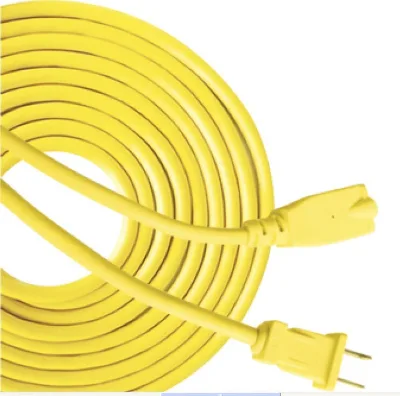
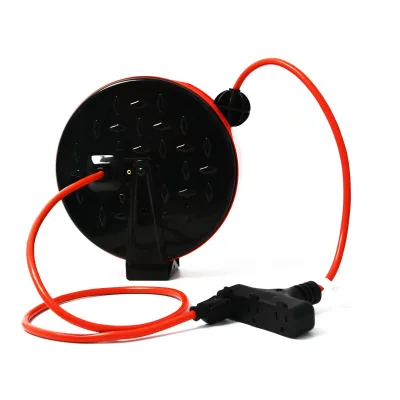
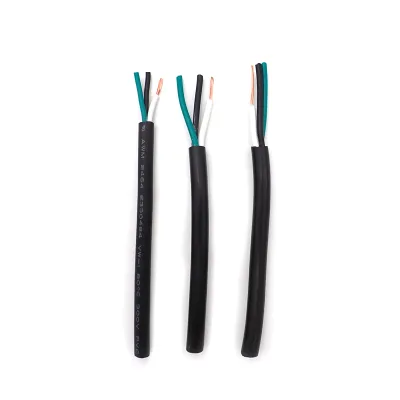
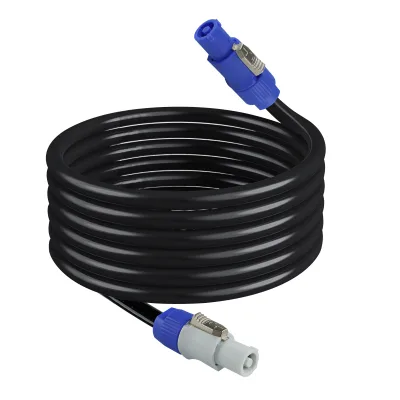
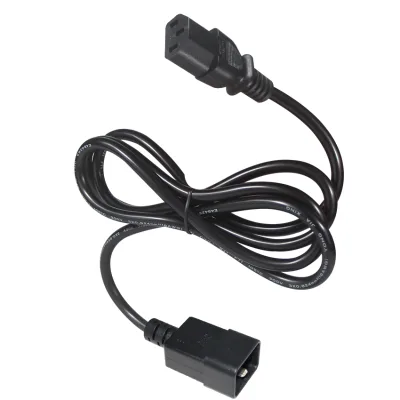
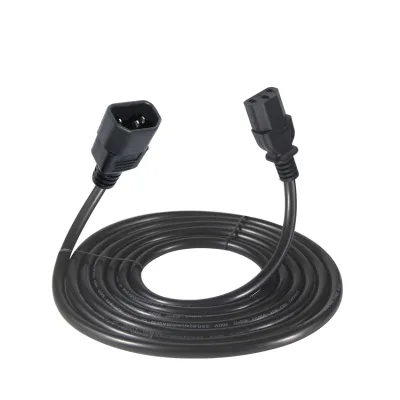
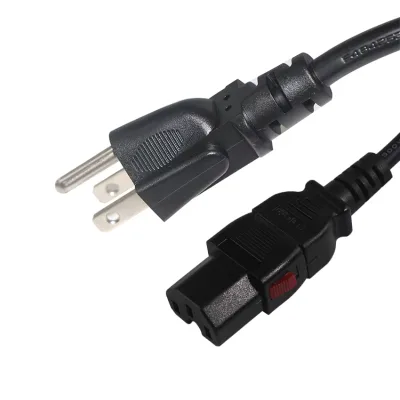
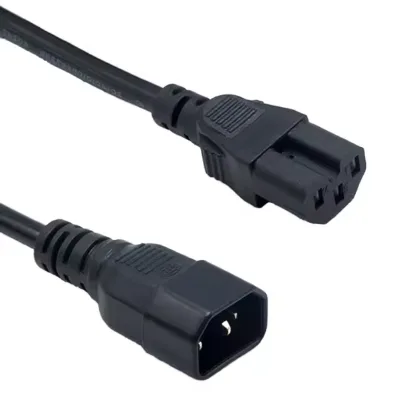
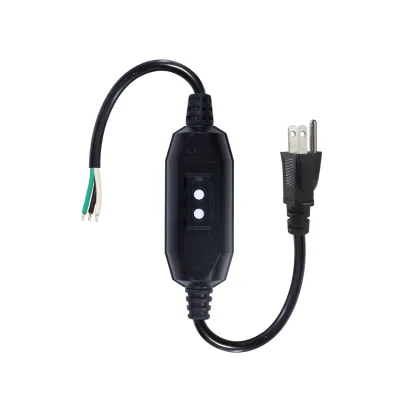


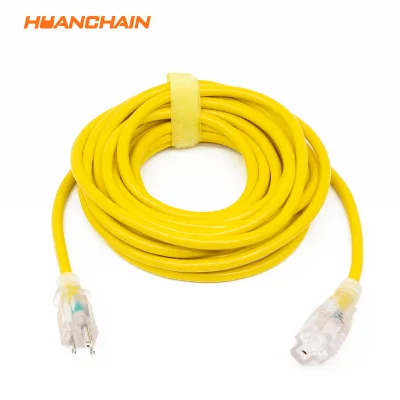
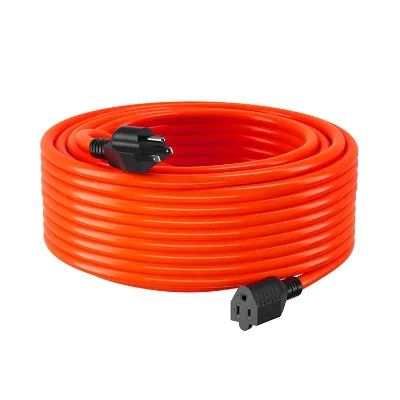
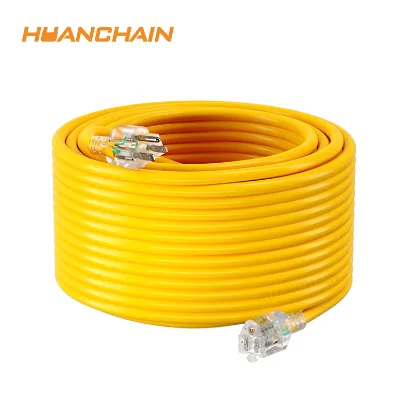
Comprehensive Sourcing Guide
Strategic Sourcing Guide for Telecommunication SJT Electrical Extension Cords
The procurement of SJT (Junior Hard Service) electrical extension cords for telecommunication and general electronic applications requires a rigorous understanding of material science, regulatory compliance, and supply chain logistics. In the B2B sector, buyers often conflate general power cords with specialized telecommunication infrastructure cabling. However, the specific designation of SJT cords indicates a product designed for portable use in demanding environments, characterized by a copper conductor, PVC insulation, and a robust jacket suitable for temporary power distribution. This guide synthesizes verified product attributes and industry standards to provide a structured approach for sourcing these critical components without relying on unverified marketing claims.
Technical Specifications and Material Composition
The foundational requirement for any SJT extension cord is the verification of its physical and electrical construction. Based on available product data, the conductor material is consistently identified as copper, which is the industry standard for ensuring low resistance and high conductivity in AC power applications. The conductor type is specified as stranded, a critical feature that provides the necessary flexibility for extension cords that will be frequently coiled, uncoiled, and routed around equipment. Unlike solid-core wire, stranded copper prevents fatigue failure at bend points, a common failure mode in telecommunication setups where cords are moved regularly.
The insulation and jacket materials are equally vital. The supplied facts indicate that the insulation material is PVC (Polyvinyl Chloride), and the jacket is also described as PVC. This material choice offers a balance of electrical insulation properties, mechanical durability, and cost-effectiveness. The product shape is confirmed as round wire, which is standard for SJT classifications. Buyers must verify that the specific jacket thickness meets the "Junior Hard Service" rating, which typically implies a heavier gauge than standard household cords to withstand abrasion and environmental stress.
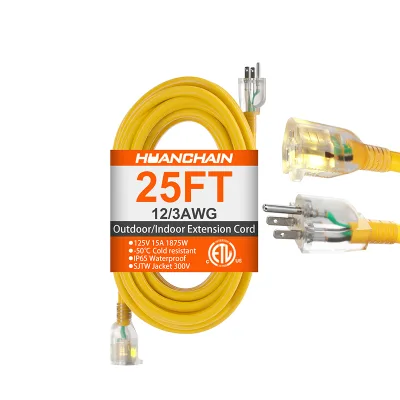
Length specifications vary significantly in the market. Data points show options for custom lengths, as well as standard offerings such as 20ft and 30ft. The packaging format is frequently listed as rolls, with specific lengths like 610m per roll, or as spools wrapped in stretch film. This variability necessitates a clear definition of the required length before engaging suppliers. Furthermore, the color of the cord is available in standard options like white or yellow, but customization to "any colors" is often an accepted attribute, allowing for color-coding in complex telecommunication racks or industrial sites.
Compliance, Certification, and Regulatory Standards
Navigating the regulatory landscape is perhaps the most critical step in sourcing electrical components. The provided facts highlight a robust set of certifications and standards that buyers should look for to ensure market access and safety. The most frequently cited certifications include VDE, RoHS, CCC, CE, and ISO. These acronyms represent different regulatory bodies and safety protocols: VDE (German Institute for Electrical, Electronic and Information Technologies), RoHS (Restriction of Hazardous Substances), CCC (China Compulsory Certification), and CE (Conformité Européenne).
In addition to product-specific certifications, factory management standards are essential indicators of a supplier's reliability. The data explicitly mentions ISO9001:2015 and ISO 9001 as factory management standards. This suggests that the manufacturing facilities adhere to international quality management systems, which is a prerequisite for consistent product quality. Regarding environmental compliance, the production standard is listed as RoHS & Reach, ensuring that the PVC materials used do not contain restricted hazardous substances and comply with European chemical regulations.
It is important to distinguish between the product standard and the factory standard. While the factory may be ISO 9001 certified, the product itself must meet specific safety standards like UL (underwriters Laboratories) or IEC (International Electrotechnical Commission) depending on the destination market. The supplied text mentions "prod_standard: customize," indicating that some suppliers offer tailored compliance, but buyers must verify that any custom standard still meets the legal requirements of the importing country. The plug standard is also a key variable; the data references US plugs, but for global telecommunication projects, buyers must confirm compatibility with local socket types (e.g., NEMA, IEC, or local equivalents).
Cost Drivers and Pricing Dynamics
Understanding the cost structure of SJT extension cords is essential for budgeting and negotiation. The observed price range in the market spans from $0.02 to $22.00 USD. This wide disparity is not indicative of a single product type but rather reflects variations in length, gauge, plug configuration, and order volume. A cord priced at $0.02 is likely a short, low-gauge sample or a component of a larger assembly, whereas the $22.00 figure likely represents a fully assembled, longer extension cord with multiple outlets and specialized plugs.
The Minimum Order Quantity (MOQ) is a significant cost driver. The observed MOQ range is 10 to 5,000 units. For large-scale telecommunication deployments, an MOQ of 3,000 meters (as noted in the data) or 5,000 units may be required to access the lower end of the price spectrum. Buyers purchasing smaller quantities will face a higher unit cost. Additionally, the selling units are sometimes defined as multiples of 200, which can impact the total order value if the required quantity does not align perfectly with these increments.
Other factors influencing cost include customization. The availability of OEM/ODM services and custom colors adds a premium to the base price. Custom packaging, such as carton or specific roll wrapping, also contributes to the final cost. The weight of the product, listed as 3.4kgs per roll, is a critical factor for logistics. Heavier rolls incur higher shipping costs, which can erode the savings gained from a lower unit price. Therefore, the total landed cost must be calculated by factoring in the weight, the origin location (e.g., Zhangzhou or Shandong, China), and the specific shipping terms.
Typical Applications and Range of Use
While the core keyword includes "telecommunication," the product data reveals a broader range of applications. The listed applications include the internal wiring of electronic and electrical equipment, home appliances, and mining operations. This versatility makes SJT cords a staple in various industries. In the context of telecommunications, these cords are typically used for powering base stations, server racks, and temporary network infrastructure setups where flexibility and durability are paramount.
The "Mine" application listed in the data suggests that the cords are robust enough for harsh environments, a feature that is highly transferable to industrial telecommunication sites. The "Home Appliance" designation indicates suitability for consumer electronics, which may be relevant for data centers or office environments where equipment is powered via extension cords. The product type is explicitly identified as "AC Power Cord" and "Extension Cord," confirming their role in distributing alternating current power.
For telecommunication buyers, the specific configuration of the cord is crucial. The data mentions an AC outlets quantity of 3 outlets and a female end type of NEMA. This suggests that the extension cords often serve as power distribution units (PDUs) or multi-outlet strips. When sourcing for telecom, buyers should verify if the cord supports the specific amperage and voltage requirements of their equipment. The "Internal Wiring" application also implies that these cords can be used for permanent or semi-permanent installations within equipment enclosures, provided they meet the fire safety ratings of the specific enclosure.
Supplier Evaluation and Verification Protocols
Evaluating a supplier for SJT extension cords requires a multi-faceted approach that goes beyond price comparison. The first step is verifying the "Place of Origin." The data points to specific regions in China, such as Zhangzhou and Shandong. While these are established manufacturing hubs, buyers should confirm the specific factory location to assess logistical feasibility and potential trade risks.
Supplier reliability is often indicated by their production capacity and delivery capabilities. The data cites an annual capacity of 300,000 kilometers, which is a strong indicator of a high-volume manufacturer capable of handling large orders. However, capacity does not guarantee on-time delivery. Buyers must scrutinize the "Delivery Time" metrics. The data shows a range of 7-10 days for samples and 7-30 days for mass production. Some entries mention a delivery time of 7-12 days, while others state 3-5 days for sample time. These variations highlight the need for a clear, written agreement on lead times before placing an order.
The availability of samples is a critical evaluation tool. The data confirms that free samples are available and that samples are supplied. A prudent buyer should always request a physical sample to verify the copper quality, PVC jacket thickness, and plug integrity before committing to a bulk order. The "Customization" attribute being available is a positive sign, but it requires a detailed specification sheet to ensure the custom features (color, length, plug type) are accurately produced.
Quality Control and Long-Term Procurement Considerations
Quality control (QC) in the manufacturing of SJT cords must be rigorous to prevent electrical failures. Buyers should demand evidence of testing against the stated standards, such as RoHS and Reach. The "Factory Management Standard" of ISO9001:2015 suggests a structured QC process, but it is not a substitute for product-specific testing. Buyers should inquire about the specific tests performed on the copper conductivity, insulation resistance, and flame retardancy of the PVC jacket.
Long-term procurement considerations involve the stability of the supply chain. The "Standard of Production" is listed as "RoHS & Reach," but buyers should verify if these standards are current and if the supplier has a history of compliance updates. The "OEM/ODM" acceptance indicates that the supplier can adapt to changing requirements, which is valuable for long-term contracts. However, buyers must ensure that the customization process does not compromise the core safety features of the cord.
The packaging method, described as "Roll or Spool Packing, Stretch Film Wrapping, Car," is also a QC factor. Proper packaging prevents damage during transit, which is essential for maintaining the integrity of the copper conductors and the PVC jacket. The "Weight" of 3.4kgs per roll should be verified to ensure that the packaging is robust enough to support the weight without crushing the spool.
Comparative Analysis of Product Attributes
To facilitate decision-making, the following table summarizes the key attributes observed in the market for SJT electrical extension cords, highlighting the variability buyers must navigate.
| Attribute Category | Observed Values / Options | Procurement Implication |
|---|---|---|
| Conductor Material | Copper | Standard for conductivity; verify purity. |
| Conductor Type | Stranded | Essential for flexibility; check strand count. |
| Insulation/Jacket | PVC | Common and cost-effective; verify thickness. |
| Certifications | VDE, RoHS, CCC, CE, ISO | Verify specific market requirements (e.g., CE for EU). |
| Factory Standard | ISO 9001:2015 | Indicates quality management system maturity. |
| Length | Custom, 20ft, 30ft, 610m/Roll | Define exact length to avoid waste or shortage. |
| MOQ | 10 - 5,000 units | Higher volume reduces unit cost; check multiples. |
| Lead Time | 7-30 days (Mass Production) | Plan inventory buffers for production delays. |
| Packaging | Roll, Spool, Carton, Stretch Film | Ensure packaging protects against moisture/abrasion. |
| Color | White, Yellow, Any (Custom) | Custom colors may increase lead time and cost. |
| Plug Type | NEMA, US Standard | Verify compatibility with local outlets. |
Conclusion
Sourcing SJT electrical extension cords for telecommunication applications requires a disciplined approach that balances technical specifications, regulatory compliance, and logistical realities. The market offers a wide array of options, from standard 20ft cords to custom 610m rolls, with varying certifications and price points. Buyers must prioritize the verification of copper quality, PVC insulation integrity, and the validity of certifications like RoHS and CE. By carefully evaluating supplier capacity, lead times, and quality control protocols, procurement teams can secure a reliable supply of extension cords that meet the demanding requirements of modern telecommunications infrastructure. The key to success lies in defining precise specifications early and maintaining clear communication with suppliers regarding customization and compliance standards.
FAQs
What certifications are required for Telecommunication SJT Electrical Extension Cord?
The product typically holds VDE, RoHS, CCC, CE, and ISO certifications. Buyers must verify that the specific batch matches these standards, as factory management often follows ISO9001:2015 while production adheres to RoHS and Reach regulations for environmental safety.
Can I get a free sample of Telecommunication SJT Electrical Extension Cord?
Yes, free samples are available for most suppliers. The delivery time for these samples usually ranges from 3 to 10 days, allowing buyers to verify the copper conductor quality and PVC jacket durability before committing to a bulk order.
Which customization options are available for Telecommunication SJT Electrical Extension Cord?
Suppliers accept OEM and ODM requests for custom colors, lengths, and packaging. The product shape is round wire with stranded copper conductors, and buyers can request specific roll lengths or spool packing to fit their telecommunication infrastructure needs.
How long does mass production take for Telecommunication SJT Electrical Extension Cord?
Mass production delivery time typically spans 7 to 30 days depending on order volume. Some suppliers offer faster turnaround of 7 to 12 days, but buyers should confirm lead times based on their specific MOQ requirements and customization requests.
What is the minimum order quantity for Telecommunication SJT Electrical Extension Cord?
The minimum order quantity varies between 10 and 5000 units, with some suppliers requiring 3000 meters as a baseline. Buyers should check specific vendor policies as selling units may be defined as multiples of 200, affecting total order calculations.
Where are Telecommunication SJT Electrical Extension Cord manufacturers located?
Manufacturers are primarily located in Zhangzhou and Shandong, China. These regions support an annual capacity of 300,000 kilometers, ensuring supply stability for large-scale telecommunication projects requiring consistent quality and volume.
What materials are used in Telecommunication SJT Electrical Extension Cord construction?
The cord uses copper for stranded conductors and PVC for both insulation and the outer jacket. This combination ensures flexibility and durability, with the product shape confirmed as round wire suitable for internal wiring of electronic equipment.