Source Twin-color Car Wheel Cover for Audi, BMW, and AC Schnitzer
Source Twin-color Car Wheel Cover options from verified Chinese manufacturers. Compare 19 listings featuring ABS, PP, and PE materials with custom logos and sizes for Audi, BMW, and commercial trucks. Request quotes for OEM branding and bulk orders; compare the available evidence and request quotations based on your requirements.
Key considerations
Products List
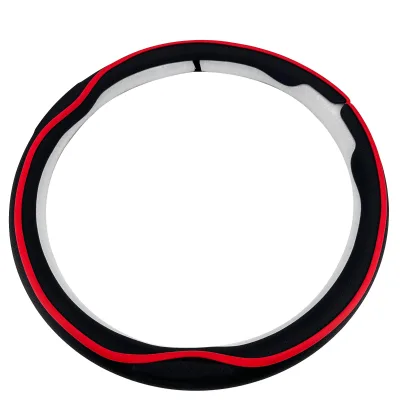


Negotiable
MOQ: 500 Pieces

Negotiable
MOQ: 500 Pieces


Comprehensive Sourcing Guide
Twin-color Car Wheel Cover Sourcing Guide
The Twin-color Car Wheel Cover market presents a diverse array of options ranging from standard ABS/PP constructions to specialized PE materials designed for specific aesthetic finishes. Buyers must navigate a landscape where product attributes vary significantly, with observed listings featuring color combinations like Red and Black, Silver and Double Color, or White and Transparent. These variations often correlate with distinct manufacturing processes, such as black electrostatic powder coating or seamless welding techniques, which directly influence the final visual appeal and durability of the component.
Procurement decisions should prioritize the specific fitment requirements of the target vehicle fleet, as observed data indicates compatibility with brands like Audi, BMW Brilliance, and Aachen Schnitzer. The availability of customization for logos and thickness suggests that buyers can tailor these covers to match corporate branding or specific model requirements. However, the wide range of observed diameters, from 19-20 inches to 430mm, necessitates a rigorous verification step to ensure the selected twin color design aligns precisely with the wheel specifications of the intended application before placing any bulk order.
Product Scope and Observed Listing Signals
Buyers should first analyze the observed listing signals to understand the breadth of the available inventory, noting that product counts and price ranges fluctuate between 0.1 and 16.5 USD depending on the specific configuration. The market includes items with varying spoke counts, such as the four-spoke design, and diverse packaging standards ranging from single items to sets of four in color boxes. This variability implies that a single supplier may offer multiple product lines, requiring the buyer to clearly distinguish between standard off-the-shelf items and those requiring custom manufacturing parameters.
The scope of available products also extends to different material compositions, including new ABS/PP and PE, which offer distinct advantages in terms of weight and resistance to environmental factors. Some listings highlight specific finishing processes like rust-proof treatments or smooth burr-free edges, which are critical for commercial applications involving trucks and trailers. Buyers must carefully review the single package size and gross weight, such as the 45x42x8 cm dimensions and 0.550 kg weight, to accurately calculate logistics costs and ensure the product fits within their existing supply chain constraints.
Technical Specifications to Verify
Verification of technical specifications is paramount, particularly regarding the diameter and standard size compatibility, which are listed as 12-16 inches or customized sizes in various listings. The observed data includes specific model numbers like 206081 and YS3263, alongside outer diameter measurements of 113mm, indicating that buyers must cross-reference these exact identifiers with their vehicle's wheel hub dimensions. Failure to match the precise diameter, whether it is 430mm or the 19-20 inch range, will result in fitment failures that render the twin color aesthetic irrelevant to the end user.
Buyers must also scrutinize the material composition and surface treatment details, as the choice between ABS/PP and PE materials affects the longevity and finish quality of the wheel cover. The presence of black electrostatic powder coating and rust-proof capabilities suggests a focus on durability, yet the specific application context, such as hub painting or commercial truck use, dictates which material properties are most critical. Additionally, the availability of inner tube configurations, ranging from without inner tube to full-size spare tire types, requires careful alignment with the vehicle's tire system to ensure the wheel cover functions correctly without compromising safety.
Compliance and Safety Documentation
Compliance and safety documentation serve as the foundation for validating the quality and legality of the twin color car wheel covers in international markets. The observed listings reference a robust set of certifications including ISO, TUV, VIA, DOT, and CE, which are essential for demonstrating adherence to international safety and quality standards. Buyers should request current certification documents for every batch of products to ensure that the specific models, such as those with model numbers 206084 or 206087, meet the regulatory requirements of the destination country.
Beyond general certifications, buyers must verify that the specific finishing processes, such as CNC stamping and seamless welding, have been validated through appropriate testing protocols. The documentation should confirm that the rust-proof and smooth burr-free treatments meet the necessary performance thresholds for the intended application, whether for passenger cars or commercial vehicles. It is critical to ensure that the supplier can provide traceable test results for the specific color combinations and material blends, as these factors directly impact the product's ability to withstand road conditions and environmental exposure over time.
Cost Drivers and Commercial Terms
Cost drivers in the Twin-color Car Wheel Cover market are heavily influenced by the level of customization required, including printed logos and specific thickness adjustments. The observed MOQs range widely from 200 sets to 100,000 units, creating a significant variance in unit pricing and total order value. Buyers must balance the desire for custom branding, such as OEM logos, against the economic impact of higher minimum order quantities, which can tie up capital in inventory if demand forecasts are inaccurate.
Commercial terms also hinge on the lead time and delivery logistics, with observed delivery windows spanning 25 to 30 days for production and shipping. The packaging standards, which vary from export standard cartons to inner plastic bag packing, add layers of cost that must be factored into the total landed cost calculation. Buyers should negotiate clear terms regarding the single package size and gross weight to optimize container utilization, ensuring that the cost per unit remains competitive while maintaining the integrity of the product during transit.
Supplier Qualification and Quality Control
Supplier qualification requires a deep dive into the manufacturing origins and capabilities, as observed data points to production facilities in Guangdong and Zhejiang, China. Buyers should verify the supplier's capacity to handle the specific processing technologies mentioned, such as CNC stamping and seamless welding, to ensure consistent quality across large production runs. The presence of multiple model numbers and color options suggests a flexible manufacturing environment, but this flexibility must be backed by rigorous quality control systems to prevent defects in the twin color finishes.
Quality control protocols must extend to the verification of material consistency, ensuring that the new ABS/PP or PE materials meet the specified standards for durability and appearance. Buyers should implement a pre-shipment inspection process that checks for surface treatment defects, such as uneven powder coating or visible burrs, which could indicate a lapse in the manufacturing process. Establishing a clear communication channel for addressing non-conformities is essential, especially when dealing with customized orders where the margin for error is significantly lower than with standard inventory items.
Long-Term Procurement Checks
Long-term procurement checks focus on the sustainability of the supply relationship and the ability of the supplier to maintain consistent product quality over time. Buyers should establish a schedule for periodic audits of the supplier's production lines to ensure that the customization capabilities, such as logo printing and thickness adjustments, remain stable and reliable. This proactive approach helps mitigate the risk of supply chain disruptions and ensures that the twin color wheel covers continue to meet the evolving aesthetic and functional requirements of the market.
Additionally, buyers must monitor the supplier's adherence to the observed standards and certifications, verifying that these credentials remain valid throughout the contract period. The ability to scale production from small batches to large volumes, as suggested by the wide MOQ range, is a key indicator of a supplier's long-term viability. Regular performance reviews should assess the supplier's responsiveness to quality issues and their capacity to innovate, ensuring that the procurement strategy remains aligned with the dynamic needs of the automotive aftermarket.
FAQs
What materials are used for twin color car wheel covers?
Manufacturers typically use New ABS/PP or PE plastic for these wheel covers. These materials provide durability and resistance to impact. Some products feature a black electrostatic powder coating for rust-proof protection. The choice of material ensures the cover remains lightweight while maintaining structural integrity during vehicle operation.
Can I customize the logo on twin color car wheel covers?
Yes, customization is available for most Twin-color Car Wheel Cover orders. Buyers can request OEM logos or specific brand names like Anma. The printing process supports customized thickness and printed logo bases. This allows businesses to brand their products effectively for specific markets or corporate requirements.
What certifications do twin color car wheel covers have?
Products often carry ISO, TUV, VIA, DOT, and CE certifications. These standards ensure compliance with international safety and quality regulations. Buyers should verify specific certification documents with suppliers before ordering. Certified products are suitable for commercial and truck applications requiring strict regulatory adherence.
What is the typical lead time for twin color car wheel covers?
The standard delivery time is usually 25-30 days. This timeframe accounts for production, quality control, and packaging processes. Buyers should plan their inventory accordingly to avoid stockouts. Expedited shipping options may be available depending on the supplier's current capacity and order volume.
What is the MOQ for twin color car wheel covers?
The minimum order quantity is typically 200 sets. Some suppliers may accept lower MOQs for sample orders or specific configurations. Bulk orders often benefit from reduced unit pricing. Buyers should confirm the exact MOQ with the supplier to ensure it aligns with their procurement budget and storage capacity.
Which car brands fit twin color car wheel covers?
These covers are designed for fitment with Audi, BMW Brilliance, and AC Schnitzer vehicles. The diameter specifications often match standard wheel sizes like 19-20 inches. Buyers must verify the exact model compatibility before purchase. Proper fitment ensures secure attachment and optimal aesthetic appearance on the vehicle.