Source Telescopic Steering Shaft for Truck, Trailer, Bus
Find 30 Telescopic Steering Shaft for Truck options from verified suppliers. Compare specifications including drive type, material, and application for heavy trucks, trailers, and special vehicles to ensure precise steering performance.
Key considerations
Products List


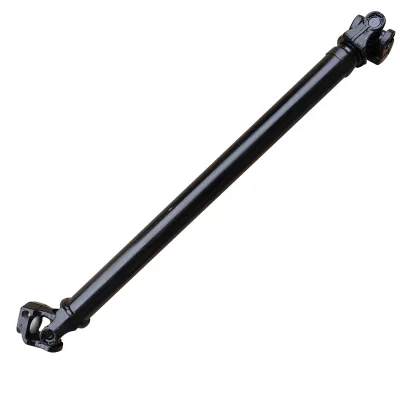
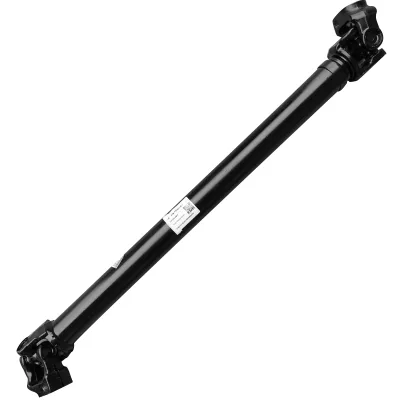
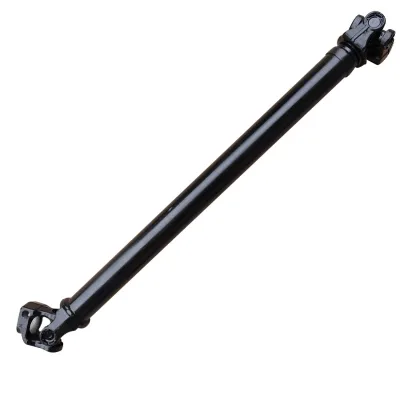


Comprehensive Sourcing Guide
Strategic Sourcing Guide for Telescopic Steering Shafts in Heavy Commercial Vehicles
The procurement of a Telescopic Steering Shaft for Truck applications represents a critical decision point in the maintenance and assembly of heavy commercial vehicles. Unlike standard rigid shafts, telescopic designs accommodate the dynamic movement between the steering column and the steering gear, ensuring smooth operation despite chassis flex and suspension travel. For buyers in the B2B sector, understanding the specific technical attributes, material compositions, and compliance requirements is essential to mitigate risk and ensure operational reliability. This guide synthesizes observed market data and verified product attributes to provide a structured approach to sourcing these vital components.
Technical Specifications and Material Integrity
The core functionality of a telescopic steering shaft relies heavily on its dimensional precision and material strength. In the current market, observed specifications for heavy-duty applications often include specific model numbers such as DZ95319430021 and AZ9719470044, which indicate compatibility with specific truck chassis architectures. Buyers must verify that the shaft's structural form aligns with the vehicle's requirements, such as the multi-pitch drive shaft configuration or direct drive shaft transmission modes.
Material composition is a primary determinant of longevity. Market observations indicate that high-performance shafts are frequently manufactured from 40cr steel, an alloy known for its superior tensile strength and fatigue resistance. In some contexts, alloy materials are also utilized to balance weight and durability. The surface finish is typically painted to protect against corrosion, a critical factor for components exposed to the undercarriage environment.
Dimensional accuracy is non-negotiable. Specifications such as a 20-inch steering wheel diameter or a 2-inch shaft diameter suggest the need for precise matching with the steering column and gear assembly. The length of the shaft, observed in some listings as 30 inches, must be calculated based on the specific truck model's geometry. Furthermore, the end connection type, often a flange end, must be verified to ensure a secure fit with the steering rack. Buyers should also check the orientation, which is typically designated for the front axle steering, and the installation position, such as the front left, to avoid compatibility issues during installation.
Compliance, Certification, and Standard Verification
Navigating the regulatory landscape is a fundamental step in B2B procurement. While specific certification statuses can vary by supplier, high-confidence data points to the presence of TUV and GS certifications in the market for these components. These certifications indicate that the product has undergone rigorous testing for safety and quality, which is particularly important for steering systems where failure can lead to catastrophic outcomes.
Standards compliance is equally critical. Products are often manufactured according to the specific truck model, ensuring that the part fits the intended vehicle without modification. However, generic standards such as "Standard" or specific dimensional standards like 9501010mm and 1.2*0.3 may also appear in product descriptions. Buyers must distinguish between model-specific standards and general manufacturing tolerances. It is imperative to verify that the product meets the relevant national or international safety standards for commercial vehicle steering systems.
The origin of the product is a significant factor in compliance. The majority of observed data points to China, specifically the Jinan, Shandong region, as a primary manufacturing hub. While this location offers competitive advantages, buyers must ensure that the manufacturing processes in these facilities adhere to the claimed certifications. Additionally, the presence of a "100% Test" attribute suggests a commitment to quality assurance, where every unit undergoes inspection before shipment. Buyers should request test reports to validate these claims, ensuring that the product meets the required safety thresholds.
Cost Drivers and Pricing Dynamics
Understanding the cost structure of telescopic steering shafts is essential for budgeting and negotiation. The observed price range in the market spans from $1 to $5,000 USD, a wide variance that reflects differences in material quality, manufacturing complexity, and brand positioning. The lower end of the spectrum may correspond to standard replacements or smaller components, while the higher end likely encompasses heavy-duty, custom-engineered solutions for specialized vehicles.
Several factors drive these costs. The material used, such as 40cr steel versus standard steel or other alloys, significantly impacts the price. Customization availability is another major cost driver; products that offer tailored specifications, such as specific lengths or connection types, often command a premium. The packaging requirements, ranging from paper boxes to wooden cases and containers, also add to the final cost, particularly for international shipping.
Minimum Order Quantity (MOQ) plays a crucial role in the total cost of ownership. The observed MOQ range is from 1 to 600 units. Suppliers with an MOQ of 1 offer flexibility for small-scale repairs or testing, whereas those requiring 600 units are geared towards large-scale fleet replacements or manufacturing partners. Buyers should evaluate their volume needs against the MOQ to optimize procurement costs. Additionally, payment terms, such as a 30% deposit and 70% upon delivery, affect cash flow and should be factored into the financial planning.
Typical Applications and Vehicle Compatibility
Telescopic steering shafts are integral to a wide array of heavy commercial vehicles. The primary applications observed include trucks, trailers, special vehicles, and buses. The specific application context dictates the required performance characteristics. For instance, a shaft designed for a heavy truck must withstand higher torque loads and more frequent stress cycles than one intended for a standard bus.
The drive type is another critical application factor. Double reduction drive types are common in heavy-duty applications, requiring shafts that can handle significant power transmission without failure. The steering system type, typically hydraulic power steering, influences the design of the shaft to ensure smooth operation under varying pressure conditions. The deck configuration, such as a double deck, may also be relevant for specific vehicle types, affecting the mounting and alignment of the steering system.
Compatibility with specific truck models is paramount. The model number, such as HOWO, serves as a key identifier for buyers. Ensuring that the shaft matches the exact model number of the vehicle is essential to prevent installation issues and ensure optimal performance. The application field, whether it is a heavy truck or a special vehicle, should be clearly defined in the product specifications to avoid mismatches.
Supplier Evaluation and Quality Assurance
Selecting the right supplier is as important as selecting the right product. Buyers should prioritize suppliers who demonstrate a commitment to quality through rigorous testing and certification. The "100% Test" attribute is a strong indicator of a supplier's dedication to quality control, suggesting that every unit is inspected for defects before leaving the factory.
Supplier evaluation should also consider the production capabilities and lead times. The observed delivery time of 20-30 days provides a benchmark for planning. Buyers should verify if this timeline is consistent with their operational needs and if the supplier can accommodate rush orders if necessary. The location of the supplier, specifically in Jinan, Shandong, should be factored into logistics planning, as shipping times and costs can vary based on the destination.
Transparency in product attributes is another key evaluation criterion. Suppliers should provide clear information on materials, dimensions, and certifications. The availability of customization options allows buyers to tailor the product to their specific needs, which can be a significant advantage in complex procurement scenarios. Buyers should also review the supplier's history and reputation in the market to ensure reliability and consistency.
Long-Term Procurement and Maintenance Considerations
Sourcing a telescopic steering shaft is not just a one-time transaction; it is an investment in the long-term reliability of the vehicle fleet. Buyers should consider the durability and maintenance requirements of the component. The dynamic fatigue test, which indicates a lifespan of more than 2 million times, is a critical metric for assessing longevity. This data point suggests that the shaft is designed to withstand extensive use without failure, reducing the frequency of replacements and downtime.
Steering angle deviation is another important consideration. A deviation of ≤0.5° indicates high precision, which is essential for maintaining vehicle stability and safety. Buyers should verify that the shaft maintains this level of precision over its entire lifespan, as wear and tear can affect performance.
Packaging and storage are also long-term considerations. The availability of various packaging options, such as wooden boxes, pallets, and containers, ensures that the product is protected during transit and storage. Proper packaging prevents damage and corrosion, extending the shelf life of the component.
Finally, buyers should establish a relationship with suppliers that offers ongoing support and technical assistance. This includes access to spare parts, replacement services, and technical guidance for installation and maintenance. A strong supplier relationship can significantly reduce the total cost of ownership and ensure the continued reliability of the vehicle fleet. By focusing on these long-term factors, buyers can make informed decisions that benefit their operations for years to come.
Comparative Analysis of Key Product Attributes
To facilitate decision-making, the following table summarizes the key attributes observed in the market for telescopic steering shafts. This comparison highlights the diversity of options available and the specific requirements buyers should verify.
| Attribute Category | Observed Value / Range | Verification Requirement |
|---|---|---|
| Material | 40cr Steel, Alloy, Steel | Confirm material grade and heat treatment process. |
| Certification | TUV, GS | Request valid certification documents and test reports. |
| MOQ | 1 - 600 Units | Align order volume with supplier minimums. |
| Lead Time | 20-30 Days | Confirm current production capacity and shipping schedule. |
| Steering Angle | ≤0.5° Deviation | Verify precision tolerance for specific vehicle models. |
| Fatigue Life | >2 Million Cycles | Check test data for dynamic fatigue resistance. |
| Application | Truck, Trailer, Bus, Special Vehicle | Ensure compatibility with specific vehicle chassis. |
| Packaging | Paper Box, Wooden Box, Pallet, Container | Select packaging based on shipping and storage needs. |
This table serves as a quick reference for buyers to compare different offerings and ensure that all critical parameters are met. By systematically evaluating these attributes, buyers can identify the most suitable telescopic steering shaft for their specific needs, balancing cost, quality, and performance.
FAQs
What certifications do telescopic steering shafts for truck typically have?
High-confidence data indicates that telescopic steering shafts for truck often carry TUV and GS certifications. These marks confirm the product has undergone rigorous safety and quality testing, which is essential for critical steering components in heavy commercial vehicles.
Can I customize the specifications of a Telescopic Steering Shaft for Truck?
Yes, customization is available for telescopic steering shafts for truck to meet specific vehicle requirements. Buyers can request tailored dimensions or connection types, though this may affect the final price and lead time depending on the manufacturer's capacity.
What is the typical lead time for ordering a Telescopic Steering Shaft for Truck?
The typical delivery time for a Telescopic Steering Shaft for Truck ranges from 20 to 30 days. This timeline allows for production and quality checks, such as the 100% test attribute observed in the market, before the goods are shipped to the buyer.
Which material is used to manufacture telescopic steering shafts for truck?
Telescopic steering shafts for truck are frequently manufactured from 40cr steel or other alloy materials. These materials provide the necessary tensile strength and fatigue resistance, with some products also featuring a painted surface finish to protect against corrosion.
How does the dynamic fatigue test affect the lifespan of a Telescopic Steering Shaft for Truck?
Products undergo a dynamic fatigue test indicating a lifespan of more than 2 million times. This high cycle count ensures the shaft can withstand extensive use without failure, reducing the frequency of replacements and maintaining vehicle stability over time.
What is the minimum order quantity for a Telescopic Steering Shaft for Truck?
The minimum order quantity for a Telescopic Steering Shaft for Truck ranges from 1 to 600 units. Suppliers with an MOQ of 1 offer flexibility for small repairs, while higher MOQs cater to large fleet replacements or manufacturing partners requiring bulk orders.
Where are telescopic steering shafts for truck typically manufactured?
Most telescopic steering shafts for truck originate from China, specifically the Jinan, Shandong region. This location is a primary manufacturing hub, offering competitive advantages while adhering to specific truck model standards and quality assurance protocols.