Source Temperature Regulating Soldering Iron for Electronics Repair
Find 30 Temperature Regulating Soldering Iron options with adjustable heat settings and multiple power outputs. Compare specs for models like FK-K25 and FB-936S to find the right tool for machinery repair and precision soldering tasks; compare the available evidence and request quotations based on your requirements.
Updated
Key considerations
Products List


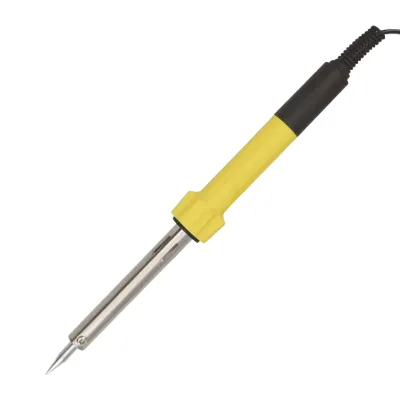

Wholesale Soldering Machine, Precision Temperature Control Soldering Iron
$2.53 - $2.92
MOQ: 100 Pieces


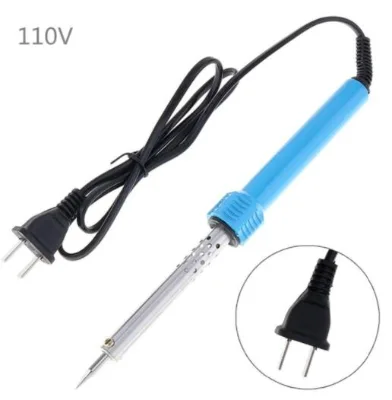
30W 40W 60W electric soldering iron external heating type electric soldering iron
$0.6238 - $1.3494
MOQ: 10 Minimum
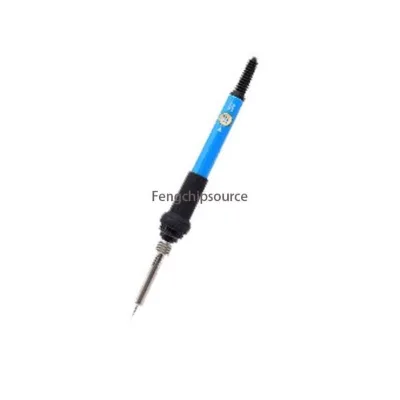
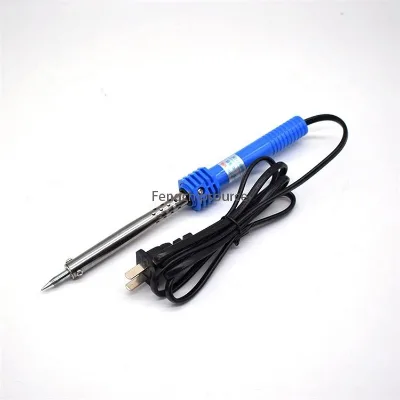
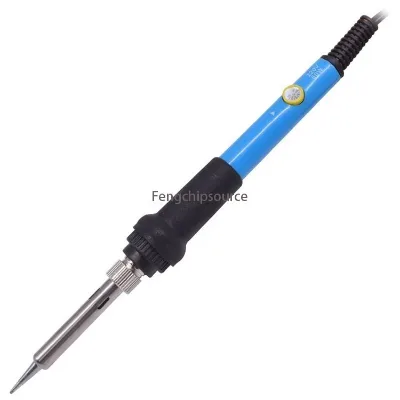
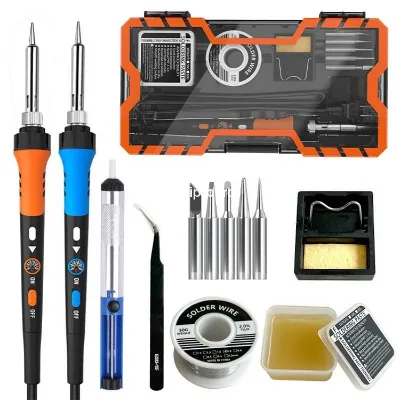
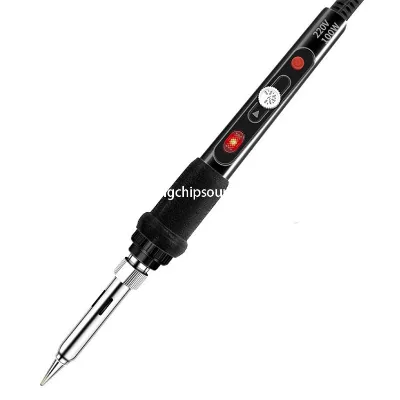
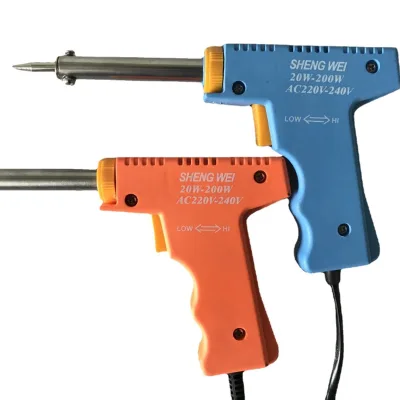
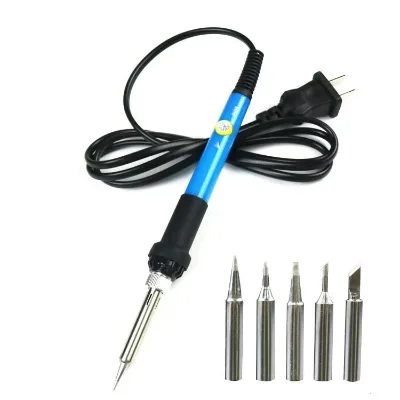
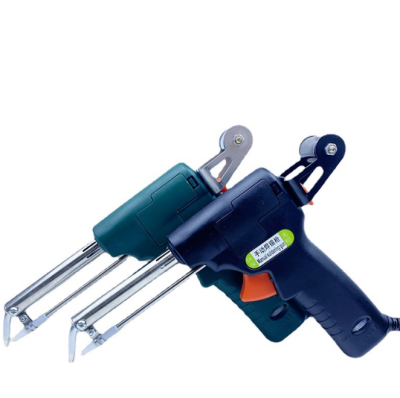
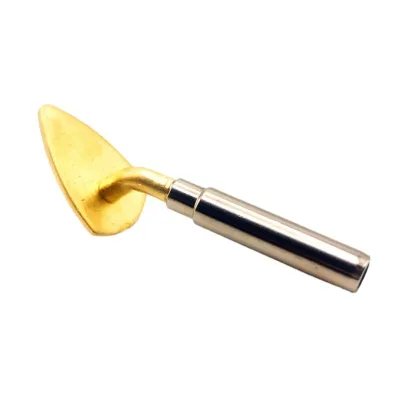
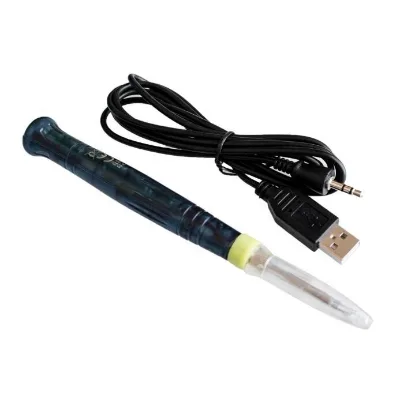


Comprehensive Sourcing Guide
Temperature Regulating Soldering Iron Sourcing Guide
Buyers evaluating temperature regulating soldering irons must first distinguish between single-point and multi-functional units based on specific production needs. The available market data indicates a clear split between basic internal heating models and advanced kits featuring LCD displays or automatic functions. Procurement teams should prioritize units with adjustable internal thermal capabilities when precision is required for machinery repair shops, while acknowledging that some listings offer customizable colors and packaging variations that may influence branding strategies.
The observed product landscape reveals significant variance in power ratings and temperature stability, ranging from 30W to 80W output with maximum temperatures between 450℃ and 500℃. Sourcing decisions should be grounded in the specific thermal requirements of the application, as some units offer constant temperature control while others provide adjustable stability ranges. Buyers must carefully cross-reference the listed output power against the actual wattage claims, noting that some specifications list multiple power options like 30W/40W/50W/60W, which requires clarification during the supplier negotiation phase to ensure the delivered unit matches the intended operational load.
Product Scope and Observed Listing Signals
When analyzing product scope, buyers should note that the core keyword encompasses both standalone soldering irons and comprehensive kits, such as the 14-in-1 sets observed in the data. These kits often include multiple accessories and are designed for versatile use, whereas single units focus on specific welding spot numbers, typically listed as single-point applications. The presence of features like automatic preheating times of 3-5 minutes and LCD displays suggests a higher tier of functionality that may justify a different procurement strategy compared to basic plastic-handled models.
Listing signals also reveal distinct packaging and origin patterns that affect logistics and presentation. Most units originate from Zhejiang, China, and are shipped in card blister packages or single blister card packing, which influences the unboxing experience and retail readiness. Buyers must verify if the "Customized Color" option is available for branding purposes, as this attribute appears alongside standard blue and yellow options. Understanding these listing signals helps in filtering suppliers who can meet specific aesthetic or logistical requirements without compromising the core functionality of the temperature regulating mechanism.
Technical Specifications to Verify
Technical verification begins with confirming the rated voltage and power input, as listings show variations between 110V and 220V, with some units supporting a broad range of 110V~230V. It is critical to ensure the selected unit matches the local electrical infrastructure to prevent damage or inefficient operation. Buyers should also scrutinize the weight specifications, which range from 0.5 Kg to 1.5 Kg, as heavier units may offer better heat retention but could cause operator fatigue during extended precision soldering tasks.
Temperature control capabilities require rigorous validation against the stated maximums and stability ranges. While some products claim a maximum temperature of 500℃, others list 480℃ or a range of 200-450℃, necessitating a clear definition of the required thermal ceiling for the specific soldering alloy being used. The distinction between "Constant Temperature" and "Controlling Temperature" modes is vital for process consistency. Procurement teams must request detailed performance data to confirm that the temperature stability claims align with the actual operational needs of the machinery repair shops or electronics assembly lines where these tools will be deployed.
Compliance and Safety Documentation
Safety documentation for these tools often references core component warranties and material safety, though explicit certification status varies in the available data. While some background context mentions CE and RoHS, these should not be assumed as guaranteed attributes without direct verification from the supplier. Buyers must explicitly request current certification documents to ensure the product meets the safety standards of their target market, particularly regarding electrical insulation and material toxicity in the plastic handles and internal components.
The warranty status of core components presents a significant risk factor that requires immediate clarification. The data shows a mix of "1 Year" warranties and "Not Available" or "Unavailable" statuses, indicating a lack of standardized protection across the market. Procurement teams should prioritize suppliers who offer a defined warranty period for critical parts like the heating element or temperature sensor. Without a clear warranty agreement, the total cost of ownership may increase due to the lack of recourse for premature failure, making the verification of after-sales service provisions a non-negotiable step in the sourcing process.
Cost Drivers and Commercial Terms
Cost drivers in this category are heavily influenced by the complexity of the temperature control system and the inclusion of additional accessories. Units featuring LCD displays, automatic functions, or multi-piece kits command higher price points compared to basic internal heating models. The observed price range of 0.2 to 16.9 USD suggests a wide disparity in value, where the lower end likely represents simple, single-function tools, while the higher end includes comprehensive kits with enhanced features and packaging.
Commercial terms such as Minimum Order Quantity (MOQ) and lead times are critical variables that impact the total procurement cost. The data indicates an MOQ range of 10 to 2000 units, requiring buyers to align their order volume with supplier capabilities to secure favorable pricing. Additionally, the absence of overseas after-sales service in many listings means that buyers must factor in the potential cost of local maintenance or replacement parts. Understanding these commercial terms allows for a more accurate budgeting process and helps in negotiating better terms based on the specific volume and service requirements of the organization.
Supplier Qualification and Quality Control
Supplier qualification should focus on the ability to provide video outgoing-inspection services and detailed product specifications. The availability of video inspections is a strong indicator of a supplier's transparency and confidence in their manufacturing process, allowing buyers to verify the physical condition and assembly quality before shipment. This step is particularly important given the variance in product conditions, where some items are listed as "New" while others lack clear condition descriptions, making visual verification essential for maintaining quality standards.
Quality control protocols must also address the consistency of core components and material quality. Buyers should verify the source of the "Acc" core components and the durability of the plastic handles, as these are critical for long-term performance. The presence of marketing types labeled as "Ordinary Product" suggests that some listings may lack premium quality assurances. Establishing a robust quality control framework that includes pre-shipment inspections and material testing is necessary to mitigate the risks associated with the observed variability in product attributes and supplier reliability.
Long-Term Procurement Checks
Long-term procurement checks should prioritize the availability of replacement parts and the consistency of supply chain performance. Given that some listings indicate "No Overseas Service Provided," buyers must assess the risk of supply chain disruption and the availability of spare parts for the heating elements or temperature sensors. Establishing a relationship with a supplier who can guarantee a steady supply of compatible components is essential for maintaining operational continuity in machinery repair and electronics assembly environments.
Buyers should also monitor the evolution of product specifications and standards over time to ensure continued compliance with industry requirements. The data shows a standard value of "1" for some products, but this may not reflect the latest international safety or performance standards. Regular audits of the supplier's production capabilities and adherence to updated standards are necessary to prevent obsolescence. By maintaining a proactive approach to supplier management and quality assurance, organizations can ensure that their Temperature Regulating Soldering Iron inventory remains reliable and effective for years of continuous use.
FAQs
What is the power output range for these soldering irons?
The output power ranges from 30W to 60W depending on the specific model selected. Some units offer 55W or 80W rated power for different heating needs. This variability allows buyers to choose the appropriate wattage for their specific soldering tasks and material requirements.
Can the temperature be adjusted on these soldering irons?
Yes, the temperature is adjustable across a range from room temperature up to 450°C or 500°C. The devices feature constant temperature control and adjustable stability settings. This ensures precise heat management for various soldering applications and delicate electronic components.
What is the maximum temperature these soldering irons can reach?
The maximum temperature reaches up to 500°C for certain models, while others max out at 480°C. The output temperature generally spans from room temperature to 450°C. This high heat capacity supports efficient melting of solder for robust connections.
Where are these temperature regulating soldering irons manufactured?
These soldering irons originate from Zhejiang, China. The products are manufactured with specific dimensions and weights, such as 0.5 Kg or 1.5 Kg. Buyers can expect consistent production standards from this established manufacturing region for reliable supply chain integration.
Is customization available for these soldering iron products?
Customization is available for these products, including customized colors like blue or yellow. Buyers can also request specific packaging options such as card blister packages. This flexibility allows for branding alignment and tailored logistical requirements for bulk procurement orders.
What is the minimum order quantity for these soldering irons?
The minimum order quantity ranges from 10 to 2000 units depending on the supplier and product variant. This wide MOQ range accommodates both small trial orders and large-scale industrial procurement. Buyers should verify specific MOQ requirements with individual suppliers before finalizing purchase agreements.