OLED Mobile Phone LCD Suppliers and Manufacturers
Source OLED Mobile Phone LCD from 12 verified suppliers in China Guangdong. Compare response times, lead times, MOQs, and certifications like ISO 9001. Request quotes to evaluate pricing and customization options for your electronic components needs; review the available evidence before requesting comparable quotations from suitable candidates.
Suppliers List

Dongguan Bibuke Electronic Technology CO.,LTD
- Verified by SGS
- Trading Company,Manufacturer/Factory,Group Corporation
- China Guangdong
- Lead time23 days
- Avg. response≤ 2h
Main productsLCD Display, TFT LCD Display, LCD Module Display, OLED Display, COB LCD Display, Cog LCD Display, Buzzer, Other Electronic Materials
Main marketsSouth America,Eastern Europe,Mid East,North America,Southeast Asia,Eastern Asia,Oceania,Western Europe,Africa

Juhuaxin (Foshan) Technology Co., Ltd.
- Trading Company
- China Guangdong
- Lead time15 days
- Avg. response≤ 5h
Main productsSpeaker
Main marketsSouth America,Europe,North America

Guangzhou CVT-SRVI Technology Co., Ltd.
- Verified by SGS
- Trading Company
- China Guangdong
- Lead time15 days
- Avg. response≤ 7h
Main marketsSouth America

Guangzhou Anyfine Electronic Technology Co., Ltd.
- Verified by BV
- Trading Company,Manufacturer/Factory,Other
- China Guangdong
- Lead time15 days
- Avg. response≤ 8h
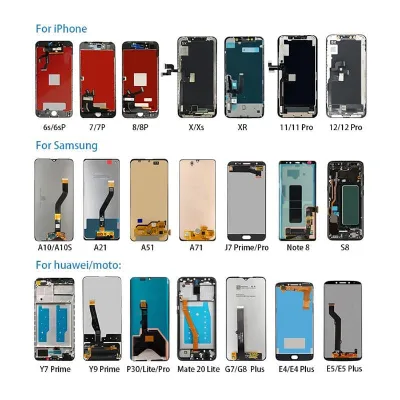
Main productsCell Phone Accessory, Cell Phone Case, Cell Phone, Mobile Phone Accessories, Cell Phone Accesssories, Cell Phone Spare Parts, Phones, Mobile Phone LCD& Display, Mobile Phone Housings, Mobile Phone Flex Cables
Main marketsSouth America,Eastern Europe,Mid East,North America,Southeast Asia,Eastern Asia,Oceania,Western Europe,Africa

Original Celular Pantallas Para Cellphone LCD Screen OLED for Mobile Phone LCD Incell Display
$4.00 - $170.00
MOQ: 20 pieces


for S7 Edge LCD Display for S7 Edge Screen for S7 Edge Display LCD Screen Cell Phone LCD Manufact
$42.40 - $45.00
MOQ: 20 pieces


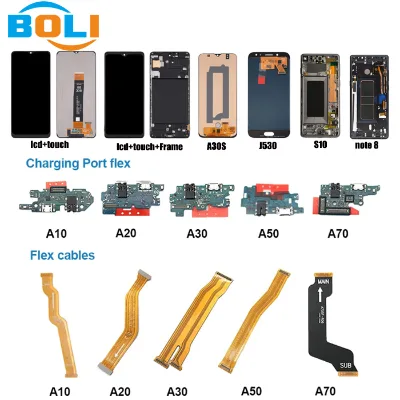
Guangzhou Boli Electronic Technology Co., Ltd.
- Manufacturer
- Guangdong, China
- Lead time0 days
- Avg. response≤ 3h
Main productsMobile Phone LCDs,Mobile Phone Parts,Cell Phone Battery,Mobile Phone Touch Screen,Phone Screen
Main marketsSouth Asia(10.00%), Northern Europe(10.00%), Central America(10.00%), Western Europe(10.00%), Eastern Asia(10.00%), North America(10.00%), Domestic Market(5.00%), Oceania(5.00%), Southern Europe(5.00%), Africa(5.00%), Southeast Asia(5.00%), Eastern Europe(5.00%), South America(5.00%), Mid East(5.00%)
Guangzhou Luodi Electronics Co., Ltd.
- Verified by TüVRheinland
- Trading Company
- Lead time3 days
Main productsLCD, Electronics Repair Parts
Main marketsSouth America(25%), North America(20%), Eastern Europe(5%)

Guangzhou Huangrui Electronic Technology Co., Ltd.
- Manufacturer
- Guangdong, China
- Lead time3 days
- Avg. response≤ 4h
Main productsmobile phone lcd,mobile phone touch screen,mobile phone spare,mobile Glass&OCA,mobile phone battery
Main marketsSouth America(35.00%), North America(15.00%), Africa(10.00%), Mid East(10.00%), Southern Europe(5.00%), Northern Europe(5.00%), Central America(5.00%), Western Europe(5.00%), Eastern Europe(5.00%), Oceania(5.00%)

Mobile Phone Lcd for TCL 5087 Lcd for TCL 5087 Screen for TCL 5087 Display
$13.83 - $15.36
MOQ: 2 pieces


Guangzhou Youyuan Electronics Technology Co., Ltd.
- Trading Company, Distributor/Wholesaler
- Guangdong, China
- Lead time3 days
- Avg. response≤ 4h
Main productsMobile phone Parts,Mobile phone LCD,Mobile phone Touch,Mobile phone Cable,Mobile phone Charger
Main marketsNorth America(35.00%), Western Europe(18.00%), South America(15.00%), Eastern Europe(15.00%), Southern Europe(7.00%), Central America(5.00%), Africa(3.00%), Domestic Market(2.00%)
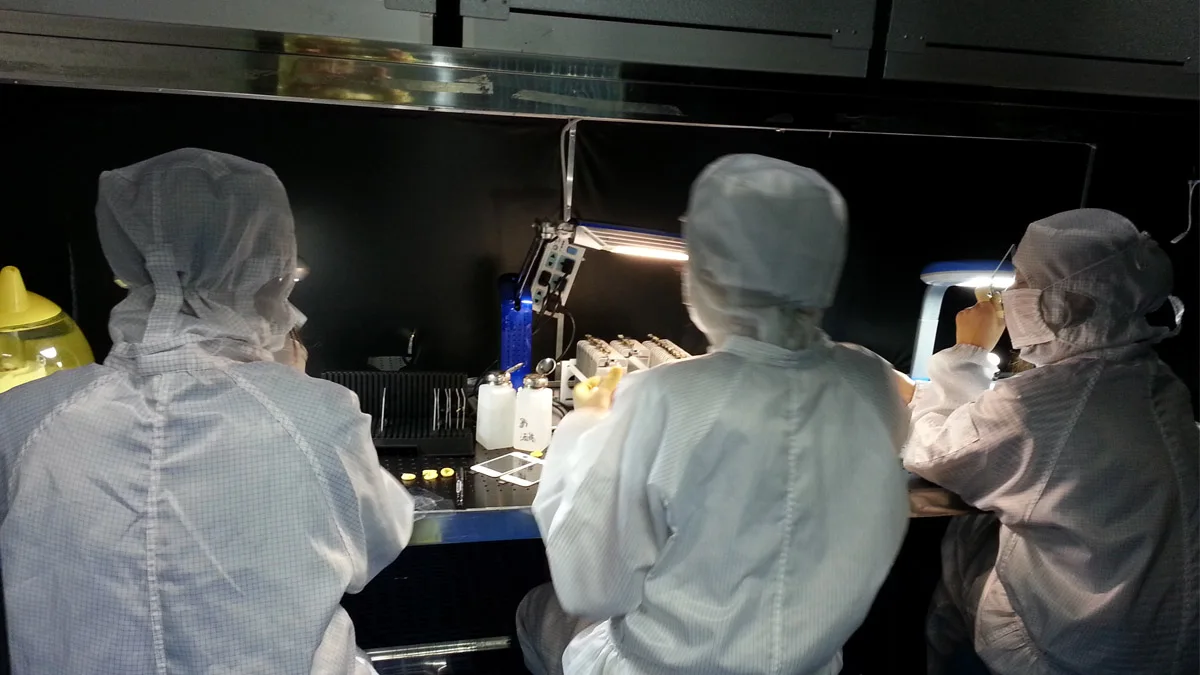
Guangzhou Gds Electronics Technology Co., Ltd.
- Manufacturer, Trading Company, Distributor/Wholesaler
- Guangdong, China
- Lead time3 days
- Avg. response≤ 6h
Main productsMobile phone Lcds,Mobile phone housings,pantallas de celulares,Aftermarket phone product,Cell phone parts
Main marketsNorth America(18.00%), South America(15.00%), Southeast Asia(8.50%), South Asia(7.50%), Mid East(6.50%), Southern Europe(6.50%), Western Europe(6.50%), Central America(5.50%), Eastern Asia(5.50%), Northern Europe(5.00%), Africa(5.00%), Eastern Europe(4.50%), Oceania(4.50%), Domestic Market(1.50%)

Wenling Shellmax Equipment Manufacturing Co., Ltd.
- Combined
- China Zhejiang
- Lead time15 days
- Avg. response≤ 22h
Main productsGarage Equipments, Welding Machine, Quartz Machinery, Feeding Machine, Spot Welder, Fuel Saver Kit, Electric Motor, Aerator, Auto Parts, OEM Products
Main marketsSouth America,Southeast Asia/ Mideast,North America

MOQ: 1 Pieces

MOQ: 1 Pieces

Guangzhou Chuang Li You Machinery Co., Ltd.
- Combined
- China Guangdong
- Lead time15 days
- Avg. response≤ 4h
Main productsBonding Machine, Bonding Machine Head, Bonding Machine Price, Bonding Machine Manufacturer, Bonding Machine LCD, Bonding Machine Camera, Bonding Machine for LED TV, Cof Bonding Machine Aliexpress, Acf Bonding Machine, Adhesive Bonding Machine Operators
Main marketsAfrica,Southeast Asia/ Mideast,North America

Blueriver Electronic Technology Trading Co., Limited
- Trading Company,Manufacturer/Factory
- China Guangdong
- Lead time15 days
- Avg. response≤ 5h
Main productsMobile Phone LCD, Cell Phone LCD, Display Screen, Mobile LCD, LCD Screen, Mobile Phone Parts, Mobile Phone LCD Screen, Mobile Phone Display, Cell Phone Spare Parts, Phone LCD Screen
Main marketsSouth America,Eastern Europe,Mid East,North America,Southeast Asia,Eastern Asia,Oceania,Western Europe,Africa




Comprehensive Sourcing Guide
OLED Mobile Phone LCD Supplier Concentration and Factory Types
The current supplier landscape for OLED Mobile Phone LCD components reveals a distinct concentration of manufacturing and trading entities within specific industrial hubs. Evidence indicates that a significant portion of these suppliers are located in China Guangdong, a region widely recognized for its robust electronics supply chain infrastructure. This geographic clustering is not accidental but rather a result of decades of industrial development, where specialized factories, trading companies, and group corporations have established dense networks to support rapid prototyping and mass production. Buyers evaluating OLED Mobile Phone LCD sources should recognize that this concentration offers advantages in terms of component availability and logistical efficiency, yet it also requires careful vetting to distinguish between genuine manufacturers and intermediaries. The presence of both Trading Companies and Manufacturer/Factory types in the results suggests a mixed market where direct factory access may be limited to certain tiers of suppliers. Understanding this dynamic is crucial for buyers who need to determine whether they are engaging with the actual production facility or a reseller, as this distinction directly impacts pricing structures, communication clarity, and control over quality assurance processes.
Within this concentrated ecosystem, the types of entities offering OLED Mobile Phone LCD solutions vary significantly in their operational focus and capabilities. The observed data highlights that many suppliers identify as Group Corporations or Manufacturer/Factories, which often implies a broader capacity for Original Equipment Manufacturer (OEM) and Original Design Manufacturer (ODM) services. These entities typically possess the internal research and development capabilities necessary to customize display modules for specific consumer electronics applications. In contrast, Trading Companies may offer a wider variety of compatible parts, such as speaker components or general electronic materials, alongside the primary display products. This diversification can be beneficial for buyers seeking a single source for multiple electronic components, but it may also indicate a lack of deep specialization in OLED Mobile Phone LCD technology. Buyers must assess whether the supplier’s primary focus aligns with their specific needs, as a company primarily dealing in trading may have less direct oversight over the manufacturing nuances of AMOLED or TFT display technologies. The interplay between these different company types creates a complex sourcing environment where due diligence is essential to ensure that the supplier’s stated capabilities match their actual operational reality.
How to Verify OLED Mobile Phone LCD Suppliers
Verifying the legitimacy and capability of OLED Mobile Phone LCD suppliers requires a multi-layered approach that goes beyond simple profile reviews. One critical step is to examine the verification status provided by third-party inspection agencies. In the current results, some suppliers are marked as verified by SGS, a globally recognized standard for quality and integrity. This verification serves as a preliminary indicator that the supplier has undergone specific audits regarding their business operations and product quality systems. However, buyers should not rely solely on this badge; it is essential to understand the scope of the verification. Does the SGS verification cover the specific OLED Mobile Phone LCD production lines, or is it a general company audit? Buyers should request detailed verification reports or certificates to confirm that the specific products they intend to purchase meet the required technical specifications. Additionally, checking for system certifications such as ISO 9001, ISO 14001, TS 16949, and OHSAS/OHSMS 18001 can provide further assurance of the supplier’s commitment to quality management and environmental standards. These certifications are particularly important for OLED Mobile Phone LCD manufacturers, as they indicate a structured approach to production consistency and regulatory compliance.
Beyond certifications, buyers must actively engage with suppliers to assess their responsiveness and technical expertise. The response time metric is a valuable indicator of a supplier’s operational efficiency and customer service quality. In the observed data, response times vary, with some suppliers showing a response time of 1.13, while others show 4.95. A faster response time often correlates with a more agile and attentive sales team, which is crucial for resolving technical queries regarding OLED Mobile Phone LCD specifications, such as drive modes, resolution, and compatibility. Buyers should test this responsiveness by asking specific technical questions about the products, such as the difference between AMOLED and TFT technologies or the customization options available for specific models. Furthermore, verifying the supplier’s main products is essential to ensure they are not just a general trader but have a genuine focus on displays and optoelectronics. By cross-referencing the supplier’s stated main products with the specific OLED Mobile Phone LCD items they offer, buyers can gauge the depth of their expertise. This verification process helps mitigate the risk of engaging with suppliers who may lack the necessary technical knowledge to support complex electronic component orders.
What to Compare Across OLED Mobile Phone LCD Suppliers
When evaluating multiple suppliers for OLED Mobile Phone LCD components, buyers must systematically compare key operational metrics to identify the most suitable partner. One of the most critical factors is the minimum order quantity (MOQ), which can vary significantly across different suppliers and product lines. For instance, some OLED Mobile Phone LCD products may have an MOQ of 1000 units, while others might require a range of 1000 to 10000 units, or even as low as 50 units for specific replacement screens. This variation directly impacts the buyer’s inventory management and cash flow, especially for small to medium-sized enterprises. Buyers should compare these MOQs against their projected sales volumes to determine which suppliers offer the most flexible ordering terms. Additionally, the price range for these components is another vital comparison point. Prices for OLED Mobile Phone LCD displays can range from as low as $0.22 to over $6.00 per unit, depending on the size, technology, and customization level. Buyers must analyze these price points in conjunction with the MOQ to calculate the total cost of acquisition, ensuring that they are getting the best value for their specific requirements.
Lead time and response speed are also essential metrics for comparison, as they influence the overall supply chain efficiency. The observed data shows lead times ranging from 15 to 23 days, which can significantly impact the buyer’s ability to meet market demand. Suppliers with shorter lead times may be better suited for urgent orders or just-in-time manufacturing strategies. Similarly, response times, which can vary from 1.13 to 4.95, indicate how quickly a supplier can address inquiries and resolve issues. Buyers should compare these metrics across different suppliers to identify those that offer the best balance of speed and reliability. Furthermore, the customization capabilities of each supplier should be evaluated. Some suppliers offer OEM and ODM services, allowing for tailored solutions, while others may only provide standard products. Buyers should assess whether the supplier’s customization options align with their product design needs, such as specific drive modes, resolutions, or form factors. By systematically comparing these operational metrics, buyers can make informed decisions that optimize their sourcing strategy for OLED Mobile Phone LCD components.
Common OLED Mobile Phone LCD Sourcing Risks
Sourcing OLED Mobile Phone LCD components involves several inherent risks that buyers must proactively manage to ensure supply chain stability and product quality. One significant risk is the potential for quality inconsistencies, particularly when dealing with suppliers who offer a wide range of electronic materials alongside their primary display products. If a supplier’s main focus is not strictly on OLED Mobile Phone LCD technology, there may be a lack of specialized expertise in handling delicate display modules, leading to higher defect rates. Buyers should be cautious of suppliers who do not provide detailed technical specifications or who are vague about their manufacturing processes. Another risk is the discrepancy between advertised specifications and actual product performance. For example, some products may claim to be AMOLED displays but may actually be TFT or FSTN/CSTN variants. Buyers must verify the drive mode and display technology of each product to ensure it meets their technical requirements. This verification is crucial, as using the wrong type of display can lead to functional issues in the final consumer electronics product.
Another common risk is the reliability of the supplier’s logistics and packaging practices. The observed data indicates that some suppliers use specific packing methods, such as "Ari" or "Air," which may refer to anti-static or protective packaging. However, the lack of standardized packaging information can lead to damage during transit, especially for fragile OLED Mobile Phone LCD screens. Buyers should inquire about the specific packaging methods used to protect the displays during shipping and ensure that the supplier has a robust quality control process in place. Additionally, the risk of intellectual property infringement is a concern, particularly when sourcing customized OLED Mobile Phone LCD components. Buyers must ensure that the supplier has the necessary rights to produce and sell the customized designs, especially if they involve proprietary technologies or brand-specific designs. Finally, the risk of payment fraud or non-delivery is always present in international trade. Buyers should use secure payment methods and consider using escrow services to protect their financial interests. By identifying and mitigating these risks, buyers can establish a more secure and reliable sourcing relationship for their OLED Mobile Phone LCD needs.
OLED Mobile Phone LCD Regional Sourcing and Logistics
The geographic location of suppliers plays a pivotal role in the logistics and cost structure of sourcing OLED Mobile Phone LCD components. As noted in the supplier data, a significant concentration of these suppliers is located in China Guangdong, a region that serves as a major hub for electronic manufacturing. This regional concentration offers logistical advantages, such as proximity to major ports and established shipping routes, which can reduce transit times and costs. However, buyers must also consider the implications of sourcing from this specific region, including potential geopolitical factors and supply chain disruptions. Understanding the local infrastructure and logistics capabilities of suppliers in China Guangdong can help buyers optimize their shipping strategies. For instance, suppliers in this region may have established relationships with freight forwarders and customs brokers, facilitating smoother international shipments. Buyers should leverage this regional expertise by working with suppliers who have a proven track record of efficient export operations.
In addition to regional advantages, buyers must evaluate the logistics options provided by individual suppliers. The observed data shows that some suppliers offer various shipping methods, including DHL, EMS, Post, and FedEx, which can impact the speed and cost of delivery. Buyers should compare these logistics options to determine the most suitable method for their specific needs, considering factors such as urgency, budget, and package size. Furthermore, the packaging standards employed by suppliers are critical for ensuring the safe arrival of OLED Mobile Phone LCD components. Suppliers may use different packing materials, such as bubble bags, foam boxes, and cartons, to protect the displays during transit. Buyers should verify that the supplier’s packaging methods meet international shipping standards to minimize the risk of damage. Additionally, buyers should consider the environmental impact of the packaging materials, as many consumers and retailers are increasingly demanding sustainable packaging solutions. By carefully evaluating the regional and logistical aspects of sourcing OLED Mobile Phone LCD components, buyers can enhance the efficiency and reliability of their supply chain.
OLED Mobile Phone LCD Commercial Terms and Order Planning
Effective order planning for OLED Mobile Phone LCD components requires a thorough understanding of the commercial terms offered by suppliers. Payment terms are a critical aspect of this planning, as they can impact cash flow and financial risk. The observed data indicates that some suppliers accept payment methods such as T/T in advance, Western Union, and PayPal. Buyers should evaluate these payment options in the context of their financial policies and risk tolerance. For larger orders, negotiating more favorable payment terms, such as partial payments or letters of credit, may be necessary to mitigate financial exposure. Additionally, the warranty and after-sales support provided by suppliers are essential considerations. Some suppliers offer warranties, such as 12 months, which can provide peace of mind and protection against product defects. Buyers should clarify the terms of these warranties, including the process for claiming replacements or repairs, to ensure that they are adequately protected.
Lead time and production capacity are also key factors in order
FAQs
What does an OLED Mobile Phone LCD supplier typically offer?
Suppliers in this category typically offer OLED display modules, TFT LCD screens, and touchscreen assemblies for mobile devices. Many also produce smaller OLED panels in sizes like 0.96 inch and 1.3 inch for consumer electronics. Buyers should confirm which product lines a supplier actually manufactures versus sources through trading operations before committing to volume orders.
What is a typical minimum order quantity for OLED phone display modules?
Minimum order quantities commonly range from 50 pieces for replacement phone screens to 1,000 pieces or more for OLED modules. Some listings specify MOQ tiers between 1,000 and 10,000 units depending on customization. Always confirm the exact MOQ for your chosen model, since standard panels and customized versions often carry different order requirements.
How long does production usually take for OLED and LCD display orders?
Lead times listed by suppliers in this category range from roughly 15 to 23 days after order confirmation. Customized panels may require additional time for tooling, sampling, and quality checks before mass production begins. Request a written production schedule that includes sample approval stages so you can plan downstream assembly timelines accurately.
What price range should buyers expect for OLED and LCD display modules?
Listed prices span from about $0.22 to $1.50 per piece for small OLED and LCD modules, while larger mobile phone replacement screens run around $6 to $6.40 each. Pricing depends heavily on panel size, resolution, drive mode, and order volume. Obtain itemized quotations that separate unit cost, tooling fees, and shipping to compare offers fairly.
Can suppliers customize OLED display modules for specific applications?
Yes, many listings mark customization as available, including OEM and ODM services for display modules. Customization can cover size, resolution, interface, and touch integration, though it usually affects MOQ and lead time. Provide detailed specifications such as drive mode, dimensions, and application environment, then request samples to verify the customized design before mass production.
Which certifications should a display module supplier hold?
Relevant certifications include ISO 9001 for quality management, ISO 14001 for environmental management, and TS 16949 for automotive-grade processes, all reported among suppliers in this category. Product-level standards like CE, FCC, and RoHS also appear on specific display models. Verify current certificate validity and scope directly, because listing claims should always be confirmed with documented evidence.
How quickly do display suppliers typically respond to inquiries?
Response times reported in this category range from about one hour to roughly five hours on average. Faster responders are generally better partners for time-sensitive sampling and production troubleshooting. Send a detailed technical inquiry covering panel specifications, target quantity, and delivery requirements, since complete questions help suppliers respond faster and more accurately.
Do suppliers offer warranties and inspection on mobile phone screens?
Some suppliers of phone replacement screens state a 12-month warranty with 100% touch testing and dark spot inspection before shipment. Warranty terms can vary significantly between standard modules and replacement parts, so review them carefully. Ask whether warranty coverage includes shipping costs for defective units and whether inspection reports can be provided with each batch.