Source Thermoforming Acrylic Sheet for signs, displays, and lighting
Compare 30 Thermoforming Acrylic Sheet options from verified suppliers in China. Buyers can evaluate thickness, color, tensile strength, and delivery times for custom fabrication needs.
Key considerations
Products List


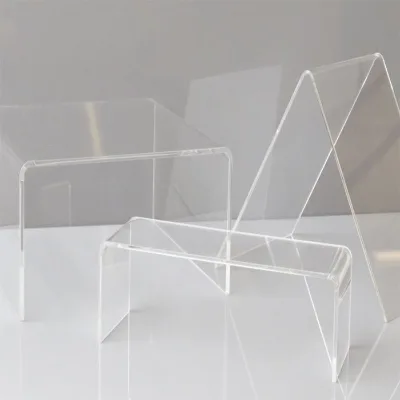


Transparent Acrylic Sheets 2mm, High Temperature Acrylic Sheet
$1.80 - $2.30
MOQ: 500 kilograms
Jiangsu Daokang Acrylic New Macro Molecule Material Co., Ltd.


Comprehensive Sourcing Guide
Strategic Sourcing Guide for Thermoforming Acrylic Sheet
Understanding Material Properties and Technical Specifications
When sourcing Thermoforming Acrylic Sheet, the primary objective is to identify materials that balance optical clarity with the mechanical flexibility required for complex forming processes. The core material in question is Polymethyl Methacrylate (PMMA), often referred to as acrylic. In the current market, this material is available in high-grade formulations suitable for both indoor and outdoor applications. Buyers must recognize that not all acrylic sheets are identical; the production process significantly dictates the final physical properties. The supply chain features both cast and continuous casting technologies, each offering distinct advantages for thermoforming. Cast acrylic is frequently preferred for its superior chemical resistance and ability to withstand the thermal stresses of vacuum forming without cracking.
The physical specifications of the sheet are critical for procurement planning. Thickness is a primary variable, with standard offerings ranging from 2mm to 50mm, though specific product lines may focus on a narrower band such as 2mm to 30mm. For thermoforming applications, thickness tolerance is a vital metric; high-quality sheets typically maintain a tolerance within 0.2mm, ensuring uniform heating and consistent forming results. The density of the material generally falls between 1.19 and 1.2 g/cm³, contributing to its lightweight nature, which is often cited as being less than half the weight of glass. This characteristic is particularly beneficial for applications where structural load reduction is necessary.
Optical performance is another defining attribute. High-grade acrylic sheets boast a light transmittance of approximately 93%, rivaling that of glass while offering superior impact resistance. The surface finish can vary to meet aesthetic or functional requirements, including glossy, matte, frost, or metal effect finishes. Color options are extensive, ranging from clear and white to specific hues like red, green, blue, black, and opal. Some suppliers offer color pastes imported from specific regions to ensure consistency, while others provide standard clear options. The material's water absorption rate is low, typically between 0.2% and 0.4%, which prevents degradation in humid environments. Additionally, the tensile strength varies by grade, with observed ranges between 41-50 MPa and 51-80 MPa, indicating different levels of mechanical robustness depending on the specific manufacturing batch or product line.
Compliance, Certification, and Regulatory Standards
Navigating the regulatory landscape is essential for B2B procurement, particularly when the end product will be used in consumer-facing applications or exported to regions with strict environmental and safety standards. While specific certification statuses vary by supplier, buyers should verify the presence of recognized international standards. Common certifications found in the market include ISO9001:2008 for quality management systems, RoHS for compliance with restrictions on hazardous substances, and SGS for independent testing and verification. These certifications serve as a proxy for the supplier's commitment to consistent quality and adherence to safety protocols.
Environmental compliance is increasingly important, especially for products intended for outdoor use. The material must demonstrate excellent resistance to weathering, UV radiation, and temperature fluctuations. Some product descriptions highlight the ability to withstand outdoor exposure for extended periods, such as ten years, when used for UV printing or signage. However, buyers must verify these claims against actual test data rather than relying solely on marketing statements. The material is generally described as safe and odorless, making it suitable for applications where human contact is frequent.
Standardization of dimensions is another aspect of compliance that affects logistics and manufacturing integration. While the market offers a variety of specifications, common standard sizes include 12202440mm, 12201830mm, and 2000*3000mm. Adherence to these standard dimensions can simplify inventory management and reduce waste during the cutting and forming process. Buyers should confirm that the supplier's production standards align with the specific dimensions required for their thermoforming machinery. Furthermore, the origin of the raw material, such as PMMA sourced from reputable manufacturers like Lucite or Mitsubishi, can be a factor in ensuring the material meets international quality benchmarks.
Cost Drivers and Pricing Dynamics
The pricing of Thermoforming Acrylic Sheet is influenced by a complex interplay of factors, including raw material costs, production technology, and order volume. The market exhibits a wide price range, observed between 1 and 2650 USD, which reflects the diversity in thickness, color, and quality grades. Thicker sheets and those with specialized finishes or custom colors naturally command higher prices due to increased material usage and processing complexity. The choice between cast and continuous casting processes also impacts cost, with cast acrylic often being more expensive due to its superior mechanical properties and optical clarity.
Minimum Order Quantity (MOQ) is a significant cost driver for buyers. While some suppliers offer low MOQs starting at 1 unit or 1 ton, others may require larger commitments to achieve competitive pricing. The observed MOQ range in the market spans from 1 to 2000 units or tons, depending on the supplier's capacity and the specific product configuration. Buyers must balance the need for inventory flexibility with the economies of scale offered by larger orders. Additionally, customization services, such as cutting small sizes per requirement or applying specific surface treatments, can add to the overall cost.
Lead times and delivery logistics also play a role in the total cost of ownership. Standard delivery times typically range from 7 working days after deposit to 15-25 days, depending on the supplier's location and production schedule. Suppliers located in major manufacturing hubs, such as Jinhua in Zhejiang Province, China, may offer faster turnaround times due to established supply chains and high production capacity. However, expedited shipping or custom orders may incur additional charges. Buyers should also consider the packaging requirements, which often involve PE film, kraft paper, and wooden pallets or iron pallets to prevent damage during transit. These packaging standards, while necessary, add to the final cost and must be factored into the budget.
Typical Applications and Forming Capabilities
Thermoforming Acrylic Sheet is a versatile material utilized across a broad spectrum of industries due to its unique combination of clarity, durability, and formability. The material's ability to be easily bent and formed makes it ideal for creating complex shapes that would be difficult or impossible to achieve with glass. Common applications include signage, display cases, and point-of-purchase (POP) displays, where high optical clarity and aesthetic appeal are paramount. The material's resistance to weathering and UV radiation also makes it suitable for outdoor signage and architectural elements that must withstand harsh environmental conditions.
In the automotive and transportation sectors, acrylic sheets are used for interior trim, instrument panels, and lighting covers. The lightweight nature of the material contributes to fuel efficiency, while its impact resistance enhances safety. The manufacturing process allows for vacuum forming, polishing, and silk-screen printing, enabling the creation of intricate designs and functional components. The surface finish can be tailored to specific needs, with options ranging from glossy to matte or frost, allowing for customization in lighting applications where diffusion is required.
The versatility of the material extends to the medical and laboratory fields, where its safe, odorless properties and ease of sterilization are valued. Acrylic sheets are used for medical device housings, laboratory equipment, and protective barriers. The material's high light transmittance ensures visibility in applications where monitoring is critical. Additionally, the sheet can be used for laser cutting, engraving, and printing, facilitating the creation of custom parts and prototypes. The ability to use the material for a variety of processes, including vacuum forming and polishing, underscores its adaptability to diverse manufacturing requirements.
Supplier Evaluation and Selection Criteria
Selecting the right supplier is a critical step in the procurement process, requiring a thorough evaluation of their capabilities, reputation, and operational standards. Buyers should prioritize suppliers who demonstrate a strong production capacity and a track record of delivering high-quality products. The presence of certifications such as ISO9001:2008, RoHS, and SGS indicates a commitment to quality management and regulatory compliance. Suppliers that source raw materials from reputable manufacturers, such as Lucite or Mitsubishi, are more likely to provide consistent and reliable products.
The supplier's ability to offer customization is another key factor. Buyers should assess whether the supplier can accommodate specific requirements, such as custom thicknesses, colors, or surface finishes. The availability of services like cutting small sizes per requirement and the ability to produce sheets with specific thickness tolerances are indicators of a supplier's flexibility and technical expertise. Additionally, the supplier's export experience and knowledge of international standards are important, especially for buyers operating in global markets.
Lead time and delivery reliability are also crucial considerations. Buyers should evaluate the supplier's ability to meet delivery schedules, particularly for time-sensitive projects. The observed delivery times of 7 to 25 days suggest that suppliers vary in their operational efficiency. A supplier with a shorter lead time and a reliable logistics network can help minimize production delays and reduce inventory holding costs. Finally, the supplier's customer service and responsiveness to inquiries or issues should be assessed to ensure a smooth procurement experience.
Quality Control and Long-Term Procurement Considerations
Implementing a robust quality control (QC) process is essential to ensure that the Thermoforming Acrylic Sheet meets the required specifications and performance standards. Buyers should establish clear acceptance criteria based on the observed technical parameters, such as tensile strength, water absorption, and thickness tolerance. Regular inspections and testing, including visual checks for surface defects and mechanical tests for strength and flexibility, can help identify potential issues before the material enters the production line. The use of third-party testing services, such as SGS, can provide an additional layer of verification and confidence in the material's quality.
Long-term procurement considerations involve building a sustainable relationship with suppliers that can support the buyer's growth and evolving needs. This includes evaluating the supplier's ability to scale production, maintain consistent quality, and adapt to changing market demands. Buyers should also consider the environmental impact of their procurement decisions, seeking suppliers who prioritize sustainable practices and offer recyclable or eco-friendly materials. The durability and longevity of the acrylic sheet, particularly in outdoor applications, should be a key factor in the selection process to minimize replacement costs and waste.
Finally, buyers should stay informed about market trends and technological advancements in acrylic manufacturing. The continuous casting process and other innovations may offer new opportunities for cost reduction or performance improvement. By maintaining a proactive approach to supplier evaluation and quality control, buyers can ensure a steady supply of high-quality Thermoforming Acrylic Sheet that meets their operational and strategic objectives.
FAQs
What is the light transmittance of Thermoforming Acrylic Sheet?
High-grade acrylic sheets boast a light transmittance of approximately 93%, rivaling that of glass. This optical clarity is maintained across various thicknesses and colors, making the material ideal for applications requiring high visibility and aesthetic appeal in both indoor and outdoor settings.
How thick can thermoforming acrylic sheets be produced?
Standard offerings range from 2mm to 50mm, with specific product lines focusing on thicknesses like 2mm to 30mm. High-quality sheets typically maintain a thickness tolerance within 0.2mm, ensuring uniform heating and consistent forming results for complex thermoforming processes.
Which certifications are available for Thermoforming Acrylic Sheet suppliers?
Recognized international standards include ISO9001:2008 for quality management, RoHS for hazardous substance compliance, and SGS for independent testing. These certifications indicate a supplier's commitment to consistent quality and adherence to safety protocols for global export markets.
Can Thermoforming Acrylic Sheet be used outdoors for extended periods?
Yes, the material demonstrates excellent resistance to weather and UV radiation, suitable for outdoor use for up to ten years. This durability, combined with its safe and odorless properties, makes it ideal for outdoor signage and architectural elements exposed to harsh conditions.
What is the typical delivery time for Thermoforming Acrylic Sheet orders?
Standard delivery times typically range from 7 working days after deposit to 15-25 days depending on the supplier. Suppliers in major manufacturing hubs like Jinhua, Zhejiang Province, often offer faster turnaround times due to established supply chains and high production capacity.
How does the weight of acrylic compare to glass?
Acrylic is less than half as heavy as glass, with a density generally falling between 1.19 and 1.2 g/cm³. This lightweight nature is particularly beneficial for applications where structural load reduction is necessary while maintaining high impact resistance and optical clarity.
What customization services are available for acrylic sheet orders?
Suppliers offer services such as cutting small sizes per requirement and applying specific surface treatments like glossy, matte, or frost finishes. Customization options also include various colors and the ability to source raw materials from reputable manufacturers like Lucite or Mitsubishi for specific quality needs.