Source Thermo King Replacement Compressor Coupling for truck, refrigeration, and transport
Compare 30 Thermo King Replacement Compressor Coupling options from verified suppliers. View details on model numbers like 77-2509 and 78-1026, certifications including TS16949, and lead times for truck and refrigeration applications.
Key considerations
Products List
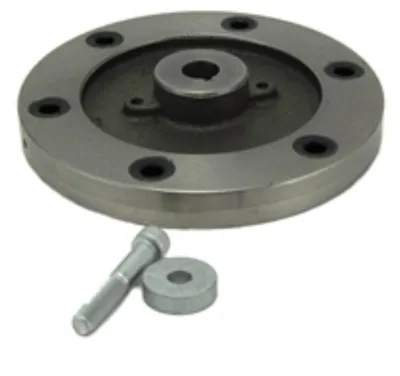
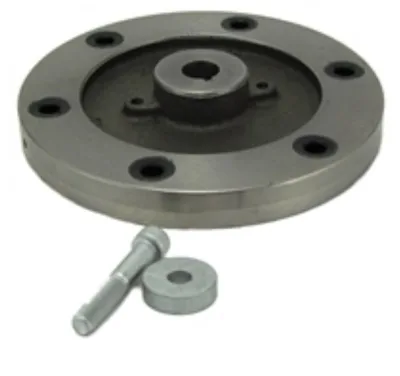
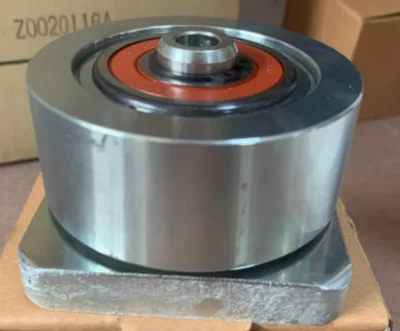
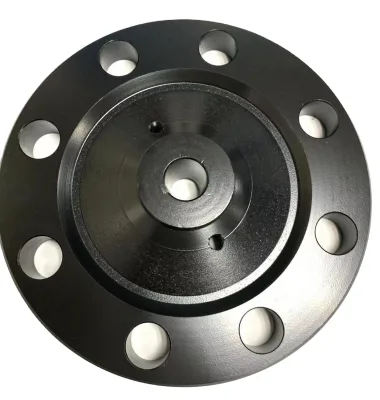
Auto Replacement Parts 77-2509 Coupling with Bolt and Spacer Thermo King
$36.72 - $37.23
MOQ: 10 pieces
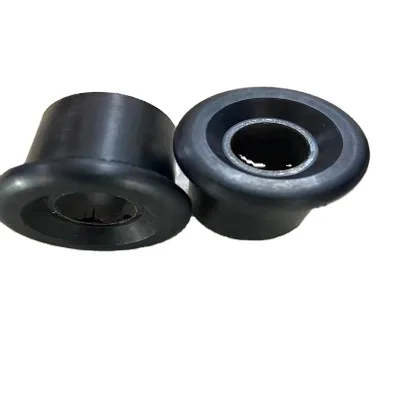
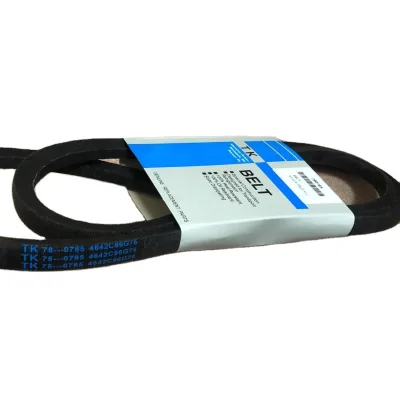


Comprehensive Sourcing Guide
Strategic Sourcing Guide for Thermo King Replacement Compressor Couplings
Understanding Technical Specifications and Compatibility
When sourcing a replacement compressor coupling for Thermo King units, the primary objective is to ensure precise mechanical compatibility and operational reliability. The market offers various components that may appear similar visually but differ significantly in internal geometry and load-bearing capacity. Based on current market data, the core product category includes items explicitly labeled as "Clutch Bushing Drive Coupling" and "Coupling Compressor Drive Large Shaft with Bolt." These components are designed specifically for the "truck" vehicle category, indicating their application in heavy-duty refrigeration transport systems.
A critical aspect of technical specification verification is the identification of the correct part number. The supply chain currently features several distinct model numbers associated with Thermo King compatibility, including 77-2509, 77-2760, 77-2506, 77-2900, and 78-1026. Buyers must cross-reference these numbers against their specific unit's service manual, as the OE (Original Equipment) numbers often dictate the exact fitment. For instance, the model 77-2509 is explicitly linked to the OE number 77-2509, while 78-1026 appears in listings with a specific voltage rating of 12V, suggesting potential electrical integration points or sensor compatibility within the coupling assembly.
The physical dimensions of the coupling are equally vital. Listings indicate a wide variance in packaging dimensions, ranging from compact 1x1x1 cm units to larger 53x38x34 cm packages. This discrepancy often reflects whether the item is a small bushing or a complete shaft assembly. The "standard size" designation is frequently used, but buyers should not rely on this generic term alone. Instead, verification of the single package size and gross weight is necessary. For example, a unit with a gross weight of 1.000 kg differs significantly from one weighing 8.000 kg, implying different material densities or component complexity. The "standard" size specification must be validated against the physical space available in the compressor housing to prevent interference with adjacent cooling fins or drive belts.
Compliance and Certification Verification
In the commercial vehicle refrigeration sector, adherence to international quality management standards is non-negotiable. Sourcing guides must prioritize suppliers who can demonstrate compliance with rigorous industry certifications. The available product data highlights two primary certification types: ISO9001 and TS16949. TS16949 is particularly significant as it is the specific quality management standard for the automotive industry, ensuring that the manufacturing process meets the high reliability requirements of vehicle components.
Buyers should verify that the supplier holds a valid TS16949 certificate, as this indicates a commitment to defect prevention and continuous improvement in the production of automotive parts. Some listings also mention ISO9001 / TS16949, suggesting a dual compliance status. While ISO9001 provides a general framework for quality management, TS16949 offers the specific technical requirements for automotive supply chains. It is essential to request current certification documents directly from the supplier rather than relying solely on product page assertions.
Furthermore, the "Standard Component" classification implies that the part is designed to meet established industry norms rather than being a proprietary or custom-designed item. However, the presence of "Customized" and "Customization: Available" attributes in the data suggests that some suppliers offer tailored solutions. Buyers must exercise caution here; while customization is available, it introduces variables that can affect lead times and quality consistency. For standard replacement needs, selecting a component that adheres strictly to the "Standard Component" definition and carries the TS16949 certification is generally the safer procurement path. The warranty terms, ranging from 12 to 13 months in observed listings, also serve as an indirect indicator of the manufacturer's confidence in their compliance and quality control processes.
Cost Drivers and Pricing Dynamics
The pricing landscape for Thermo King replacement couplings is characterized by a broad range, observed between $0.50 and $600.00 USD. This wide variance is not arbitrary but is driven by several distinct factors, including the complexity of the component, the material composition, and the packaging requirements. A low-cost item, potentially priced at the lower end of the spectrum, is likely a simple bushing or a small rubber component, whereas the higher price points likely correspond to complete assemblies involving large shafts, bolts, and precision-machined metal parts.
Material composition is a primary cost driver. The data identifies "Rubber" as a raw material for specific products, such as the "Rubber Coupling." Rubber components are generally less expensive than metal assemblies but are subject to wear and tear, necessitating more frequent replacement. Conversely, metal couplings, which may include the "Large Shaft with Bolt," involve more complex machining processes and higher material costs, justifying a higher price point. The "Single gross weight" serves as a useful proxy for material volume; items weighing 8.000 kg will inherently cost more than those weighing 1.000 kg due to the raw material and shipping expenses involved.
Packaging and logistics also influence the final cost. The observed "Single package size" varies dramatically, from 1x1x1 cm to 53x38x34 cm. Larger packages incur higher shipping costs and may require specialized handling, which can be reflected in the unit price. Additionally, the "Selling Units" attribute indicates that most items are sold as single units, which simplifies the cost calculation but may increase the per-unit price compared to bulk purchasing. Buyers should analyze the total cost of ownership, including shipping and potential inventory holding costs, rather than focusing solely on the unit price. The "MOQ" (Minimum Order Quantity) range of 1 to 200 pieces also impacts cost; higher MOQs often result in lower per-unit prices, but they require a larger upfront capital outlay.
Typical Applications and Operational Context
The primary application for these components is the replacement and repair of refrigeration systems in truck-mounted units. The "Purpose" is explicitly stated as "for replace/repair," confirming their role in maintenance and restoration rather than initial manufacturing. The "Car Model" field specifies "truck" and "Thermo King," narrowing the scope to heavy-duty transport refrigeration units. These couplings are critical for transmitting power from the compressor drive to the cooling mechanism, ensuring that the refrigerant is compressed efficiently to maintain the required temperature for perishable goods.
The "Function" of some listed components includes "Monitor Pressure," suggesting that certain advanced coupling assemblies may integrate sensors or pressure monitoring capabilities. This adds a layer of complexity to the application, as the coupling must not only transmit mechanical torque but also interface with the unit's electronic control systems. The "Voltage: 12V" specification further supports the integration of electrical components within the assembly, which is common in modern refrigeration units that utilize electronic controls for temperature regulation.
The "Service Life" is described as "Standard," which implies that the component is expected to last for a typical operational cycle before requiring replacement. However, the actual service life depends heavily on operating conditions, such as vibration levels, temperature extremes, and the frequency of start-stop cycles. Buyers should consider the "Sealing" type, with "O-Ring" mentioned in the data, as a critical factor in preventing refrigerant leaks and maintaining system integrity. The "Condition" is listed as "New," ensuring that buyers receive fresh components without prior wear, which is essential for maintaining the reliability of the refrigeration system.
Supplier Evaluation and Geographic Considerations
When evaluating potential suppliers, the "Place of Origin" is a key data point. The majority of the observed products originate from "Hunan, China" or generally "China." This geographic concentration suggests a robust manufacturing hub for automotive and refrigeration components in this region. Buyers should verify the specific factory location within China to assess the supplier's logistical capabilities and potential for site audits. While the "Brand Name" varies, with "Weili" and "Chinese Brand" appearing in the data, the emphasis should be on the manufacturer's track record rather than the brand name itself.
Supplier evaluation should also consider the "Delivery Time," which is observed as "4-5 Days" for some items. This lead time is relatively short and indicates efficient logistics, which is crucial for minimizing downtime in commercial transport operations. However, buyers must distinguish between the production lead time and the shipping time. The "Customized" attribute suggests that custom orders may have longer lead times, which could impact the overall procurement schedule.
The "Warranty" period, ranging from 12 to 13 months, is another critical factor in supplier evaluation. A longer warranty period often indicates a higher level of confidence in product quality and a willingness to stand behind the product. Buyers should ensure that the warranty terms are clearly defined, including coverage for defects, return policies, and the process for claiming warranty support. The "Selling Units" being "Single item" suggests that suppliers are flexible in their order sizes, which can be beneficial for small-scale repairs or testing.
Quality Control and Long-Term Procurement Strategies
Effective quality control is paramount when sourcing replacement couplings for critical refrigeration systems. Buyers should implement a rigorous inspection process that includes verifying the "Model NO." and "Part NO." against the original equipment specifications. The presence of multiple model numbers, such as 77-2509, 77-2760, and 78-1026, underscores the need for precise identification to avoid mismatches. Visual inspection of the "Single package size" and "Single gross weight" upon receipt can also serve as a quick check for authenticity and completeness.
Long-term procurement strategies should focus on building relationships with suppliers who offer consistent quality and reliable lead times. The "Standard Component" status suggests that these parts are widely available, but buyers should prioritize suppliers who can guarantee consistent supply and maintain inventory levels to prevent stockouts. The "Customization" availability should be leveraged carefully, ensuring that any custom modifications do not compromise the "Standard Component" integrity or the "TS16949" compliance.
Buyers should also consider the "Service Life" and "Sealing" attributes when planning maintenance schedules. Regular inspection of the "O-Ring" sealing and monitoring of the "Pressure" function can help predict when a replacement is needed, allowing for proactive procurement rather than reactive emergency ordering. The "13 months" and "12 Months" warranty periods provide a safety net, but buyers should not rely solely on warranties; instead, they should implement a quality assurance program that includes periodic testing and performance monitoring of the installed couplings.
Comparative Analysis of Key Product Attributes
To facilitate decision-making, the following table summarizes the key attributes observed in the market for Thermo King replacement compressor couplings. This comparison highlights the diversity in specifications and helps buyers identify the most suitable options for their specific needs.
| Attribute | Observation 1 | Observation 2 | Observation 3 | Observation 4 |
|---|---|---|---|---|
| Model Number | 77-2509 | 77-2760 | 77-2900 | 78-1026 |
| Product Name | Clutch Bushing Drive Coupling | Coupling Compressor Drive Large Shaft | Rubber Coupling | Coupling Compressor Drive Large Shaft |
| Material | Not Specified | Not Specified | Rubber | Not Specified |
| Single Gross Weight | 1.000 kg | 3.000 kg | 8.000 kg | Not Specified |
| Package Size | 1x1x1 cm | 53x38x34 cm | 20x20x20 cm | 1x11x1 cm |
| Warranty | 13 Months | 12 Months | 3 Months | 12 Months |
| Certification | TS16949 | ISO9001 / TS16949 | Not Specified | Not Specified |
| Voltage | Not Specified | Not Specified | 12V | Not Specified |
| Function | Not Specified | Not Specified | Monitor Pressure | Not Specified |
| Place of Origin | Hunan, China | China | China | China |
This table illustrates the significant variation in product characteristics. Buyers must carefully match these attributes to their specific operational requirements. For instance, a system requiring pressure monitoring should prioritize the "Rubber Coupling" with the "Monitor Pressure" function and "12V" voltage rating. Conversely, a system requiring a robust mechanical drive might prioritize the "Large Shaft" assembly with the higher gross weight and specific model numbers like 77-2900.
Final Procurement Considerations
In conclusion, sourcing a Thermo King Replacement Compressor Coupling requires a meticulous approach that balances technical specifications, compliance standards, and cost considerations. The market offers a wide array of options, from simple rubber bushings to complex shaft assemblies, each with distinct attributes and applications. Buyers must verify the model numbers, certifications, and physical dimensions to ensure compatibility and reliability. By focusing on suppliers with TS16949 certification and clear warranty terms, buyers can mitigate risks and ensure the long-term performance of their refrigeration systems. The strategic selection of components based on the observed data will lead to more efficient maintenance operations and reduced downtime in the critical transport refrigeration sector.
FAQs
What certifications do Thermo King Replacement Compressor Coupling suppliers hold?
Suppliers typically hold TS16949 and ISO9001 certifications for automotive quality. These standards ensure defect prevention and continuous improvement in production. Buyers should verify current certificates directly from the manufacturer rather than relying on product page assertions alone.
Which model numbers are compatible with Thermo King truck units?
Compatible model numbers include 77-2509, 77-2760, 77-2506, 77-2900, and 78-1026. These numbers correspond to specific OE numbers and must be cross-referenced against the service manual. Selecting the exact number prevents mechanical interference with cooling fins or drive belts.
How long is the warranty period for these replacement couplings?
The warranty period ranges from 12 to 13 months for most listed items. This duration indicates the manufacturer's confidence in product quality and reliability. Buyers must ensure warranty terms clearly define coverage for defects and the process for claiming support.
Can I find customized Thermo King Replacement Compressor Coupling options?
Customization is available for specific requirements, but it may affect lead times and quality consistency. Standard components adhering to TS16949 are generally safer for routine replacements. Buyers should carefully evaluate if custom modifications compromise the standard integrity of the part.
What is the typical delivery time for these components from China?
The observed delivery time is approximately 4 to 5 days for standard items. This lead time reflects efficient logistics but may vary for customized orders. Buyers must distinguish between production time and shipping time to minimize downtime in commercial transport operations.
Which raw materials are used in thermo king replacement compressor couplings?
Rubber is a primary raw material for specific products like the Rubber Coupling. Metal assemblies involving large shafts and bolts also exist and command higher prices. The material composition significantly influences the cost and expected service life of the component.