Source Thermocouple Protection Zirconia Ceramic Plunger for Industry
Find and compare 30 Thermocouple Protection Zirconia Ceramic Plunger options from verified suppliers. Evaluate features like high hardness, wear resistance, and custom sizes for industrial applications.
Key considerations
Products List


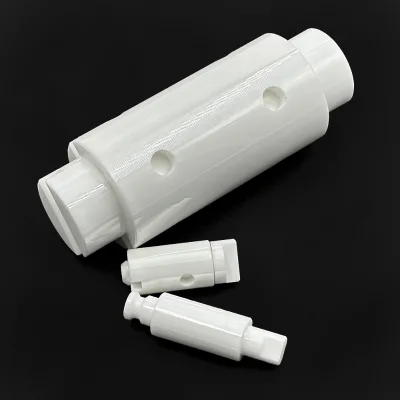
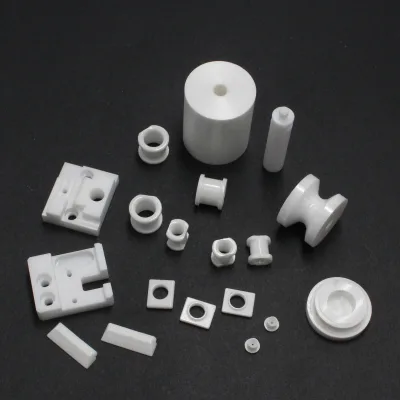
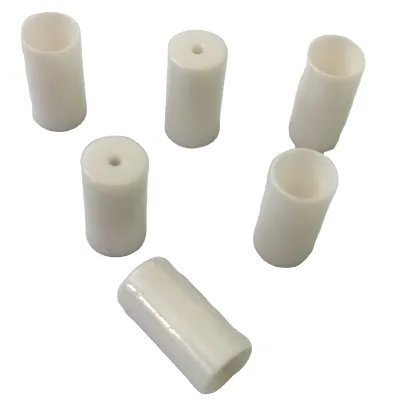
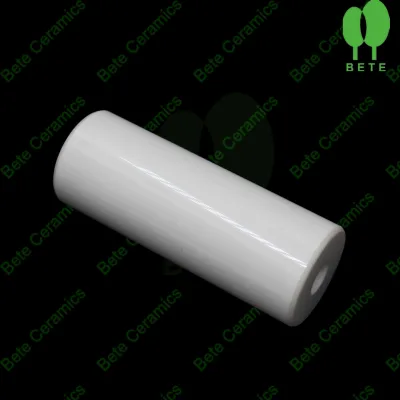
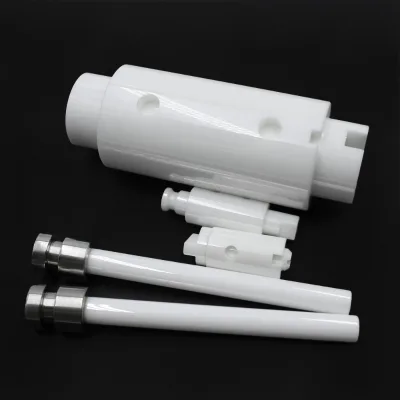


China Factory Custom High Precision Zro2 Zirconia Ceramic Plunger for Pump
$5.00 - $100.00
MOQ: 10 Pieces





Comprehensive Sourcing Guide
Thermocouple Protection Zirconia Ceramic Plunger Sourcing Guide
Sourcing high-performance ceramic components for industrial applications requires a precise understanding of material properties, manufacturing capabilities, and commercial terms. The market for zirconia-based ceramics is diverse, ranging from structural components to decorative items, which can complicate the identification of suppliers capable of producing precision-engineered parts like plunger assemblies. Buyers must navigate a landscape where product listings often mix unrelated categories, such as refractory materials, hydraulic pumps, and decorative ceramics, under broad keywords. This guide focuses on the specific technical and commercial considerations necessary to procure reliable zirconia ceramic plungers, ensuring that the selected components meet the rigorous demands of high-temperature and high-wear environments.
The procurement process for these components involves verifying that the supplier’s actual manufacturing capabilities align with the specific technical requirements of the application. While many suppliers offer customization and a wide range of ceramic products, not all possess the precision machining or quality control systems required for critical mechanical parts. This guide provides a structured approach to evaluating suppliers, interpreting product specifications, and establishing clear commercial terms. By focusing on evidence-based verification steps, buyers can mitigate the risk of receiving substandard components that fail under operational stress, thereby protecting their downstream operations and maintaining system integrity.
Product Scope and Observed Listing Signals
The current market landscape for zirconia ceramic products includes a wide variety of items, from decorative ceramics to heavy-duty industrial components. Observed listings frequently feature products labeled as "Zirconia Ceramic Plunger," "Ceramic Shaft Plunger," and "Zirconia Ceramic Piston," indicating a focus on mechanical sealing and pumping applications. These products are often described with attributes such as "High Hardness," "Good Wear Resistance," and "High Toughness," which are critical for components subjected to friction and abrasive environments. Additionally, some listings mention applications in "Refractory" and "Ceramic Decorations," suggesting that suppliers may have diverse production lines, but buyers must carefully distinguish between decorative items and functional mechanical parts.
Price and minimum order quantity (MOQ) signals vary significantly across the market, with observed price ranges extending from very low values to several hundred dollars per unit. MOQs are typically flexible, ranging from single units to hundreds, which allows for both prototyping and bulk procurement. However, the presence of low-cost items with high MOQs may indicate mass-produced, lower-tolerance components, whereas higher-priced items with lower MOQs might represent custom-engineered solutions. Buyers should be cautious of listings that combine unrelated attributes, such as "Hydraulic Driven Reciprocating Pump" structures with "Ceramic Tube" types, as this may signal a lack of specialization or inaccurate product descriptions.
Technical Specifications to Verify
Material composition is the most critical technical factor when sourcing zirconia ceramic plungers. Trusted category knowledge indicates that high-performance zirconia ceramics often utilize a stabilized formulation, such as 95% ZrO2 with 5% Y2O3, to enhance toughness and thermal stability. Buyers should verify the specific raw material grade provided by the supplier, as variations in yttria content can significantly impact the material’s density, hardness, and resistance to thermal shock. The observed density of approximately 6.0 g/cm³ is a key indicator of material purity and compaction quality, and deviations from this value may suggest the presence of impurities or porosity that could compromise performance.
Dimensional accuracy and surface finish are equally important for ensuring proper fit and function within mechanical assemblies. Specifications such as tolerances of 0.05mm or 0.1mm are often cited, indicating the level of precision machining available. Buyers must confirm whether the supplier offers fine polishing or specific surface treatments, as a smooth finish reduces friction and wear in dynamic applications. Additionally, the availability of customized sizes and shapes is a common feature, but buyers should verify the supplier’s capability to maintain tight tolerances across different dimensions, especially for complex geometries like plunger shafts or pistons.
Compliance and Safety Documentation
While specific certification statuses are not universally listed for all ceramic components, buyers should request documentation that verifies the material’s compliance with relevant industry standards. For applications involving high temperatures or contact with specific media, material safety data sheets (MSDS) and chemical composition reports are essential. These documents should confirm the absence of harmful substances and verify the stability of the zirconia formulation under operational conditions. Buyers must also inquire about any internal quality control certifications held by the supplier, such as ISO 9001, which indicate a structured approach to manufacturing consistency and traceability.
Safety considerations extend beyond material composition to include the mechanical integrity of the finished product. Buyers should ask for test reports or quality assurance protocols that demonstrate the component’s ability to withstand expected loads and thermal cycles. Although specific test results are not provided in general listings, reputable suppliers should be able to provide evidence of rigorous testing, including hardness tests, flexural strength measurements, and thermal shock resistance evaluations. This documentation is crucial for ensuring that the ceramic plungers will perform reliably in demanding industrial environments without unexpected failure.
Cost Drivers and Commercial Terms
The cost of zirconia ceramic plungers is influenced by several factors, including material purity, machining complexity, and order volume. High-purity zirconia powders and precise machining processes, such as grinding and polishing to tight tolerances, increase production costs. Buyers should expect price variations based on the level of customization required, with standard sizes typically being more cost-effective than unique geometries. Additionally, the choice of packaging, such as plastic bags or wooden boxes, can impact shipping costs and protection during transit, so buyers should clarify packaging requirements to avoid damage and additional expenses.
Commercial terms, including payment methods, lead times, and warranty policies, vary among suppliers. Buyers should negotiate clear terms that define the responsibilities of both parties, including provisions for defective products or non-conforming deliveries. It is advisable to establish a trial order to assess the supplier’s reliability and product quality before committing to larger volumes. Buyers should also clarify the process for handling custom orders, including design approval timelines and any additional costs associated with tooling or setup fees.
Supplier Qualification and Quality Control
Evaluating a supplier’s manufacturing capabilities is essential to ensuring consistent product quality. Buyers should verify the supplier’s experience in producing zirconia ceramic components, particularly those with similar mechanical requirements. Questions should focus on the supplier’s production processes, including powder preparation, pressing, sintering, and post-processing steps like cutting, bending, and polishing. Suppliers with advanced equipment and skilled technicians are more likely to deliver high-quality products that meet strict dimensional and surface finish specifications.
Quality control systems should be robust and transparent, with clear procedures for inspecting raw materials and finished products. Buyers should inquire about the supplier’s inspection protocols, including the use of coordinate measuring machines (CMM) or other precision instruments to verify dimensions. Additionally, suppliers should have a documented process for handling non-conforming products, including root cause analysis and corrective actions. Establishing a strong relationship with a supplier that prioritizes quality control can lead to long-term benefits, including improved product reliability and reduced risk of supply chain disruptions.
Long-Term Procurement Checks
Building a sustainable supply chain for zirconia ceramic components requires ongoing monitoring and evaluation of supplier performance. Buyers should establish key performance indicators (KPIs) to track metrics such as on-time delivery, product defect rates, and responsiveness to issues. Regular audits or site visits, if feasible, can provide valuable insights into the supplier’s operational practices and commitment to quality. Maintaining open communication with the supplier can also help identify potential issues early and foster a collaborative relationship focused on continuous improvement.
As technology and industry standards evolve, buyers should stay informed about advancements in zirconia ceramic materials and manufacturing techniques. This includes monitoring developments in material formulations, machining processes, and testing methods that could offer improved performance or cost efficiencies. By staying proactive and engaged with the supplier, buyers can ensure that their procurement strategy remains aligned with their operational needs and industry best practices, ultimately supporting the long-term success of their applications.
FAQs
What material is used for the zirconia ceramic plunger?
The plunger is made from Zirconia Ceramic, specifically a raw material of 95% ZrO2 plus 5% Y2O3. This composition ensures high hardness and good wear resistance for demanding industrial applications.
Can the product size be customized for specific needs?
Yes, customization is available for the product size and shape. Buyers can request specific dimensions such as 0.1mm, 0.2mm, or 0.5mm, or other requirements according to their unique project specifications.
Which industries can utilize this ceramic plunger effectively?
This product is applicable for hotels, garment shops, and building material shops. It also serves general industry needs where high temperature resistance and structural ceramic properties are required for operation.
How is the surface finish of the ceramic plunger treated?
The surface undergoes fine polishing to achieve a smooth finish. The product is uncoated but processed through bending, welding, cutting, and punching to meet precise structural and functional requirements.
What is the typical density of the zirconia ceramic material?
The density of the material is 6.0g/cm3. This high density contributes to the small thermal expansion coefficient and high toughness observed in the final ceramic parts and plunger structures.
Where is the place of origin for these ceramic products?
The products originate from Jiangxi, China. This location is the verified place of origin for the zirconia ceramic plunger and related ceramic parts supplied by the manufacturer.
What packaging options are available for shipping the plunger?
Products are packed in plastic bags and wooden boxes for protection. The single package size is typically 10x9x8 cm with a gross weight of 0.020 kg per item.