Source Thermochromic Low Temperature Sensitive Ink for Packaging, Textiles, and Security
Compare 30 listings for Thermochromic Low Temperature Sensitive Ink from verified suppliers. Buyers can evaluate viscosity, drying methods, and customization options for applications on plastic, wood, metal, and film surfaces.
Key considerations
Products List


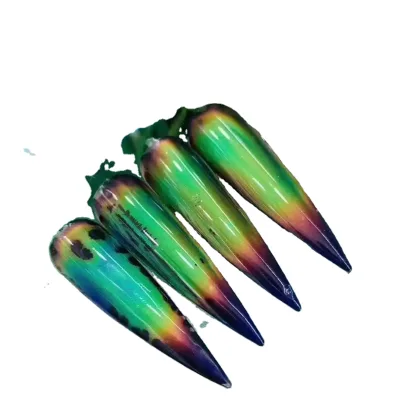
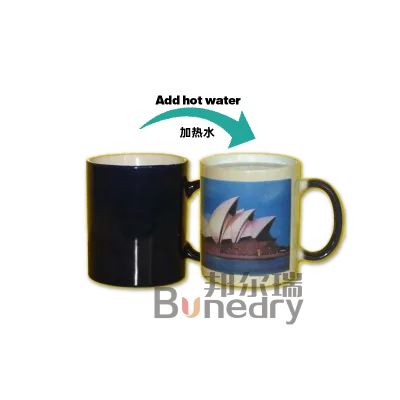
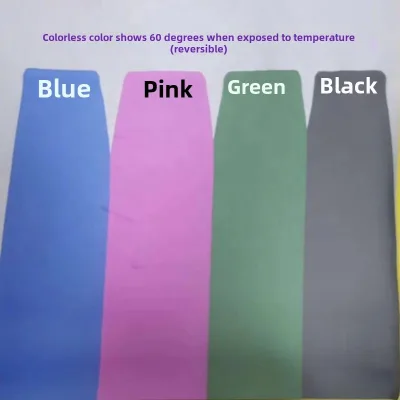


Reversible Thermochromic Pigment Heat Sensitive Thermochromic Pigment for Painting Ink
$0.30 - $0.40
MOQ: 100 Grams


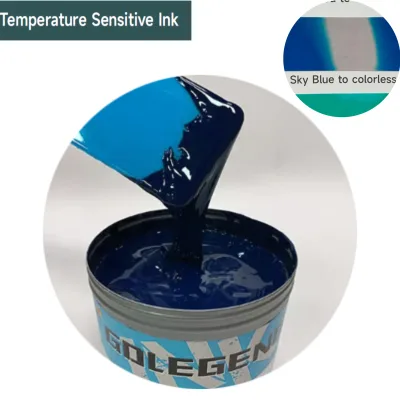
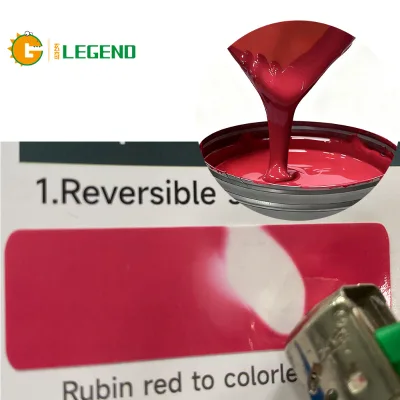
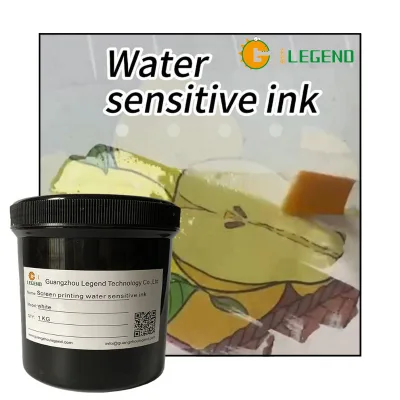
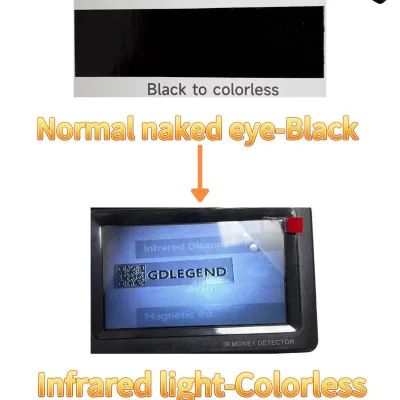


Thermochromic Pigment Heat Sensitive Paint Temperature Color Change Powder Pigments
$100.50 - $300.50
MOQ: 1 kg


Comprehensive Sourcing Guide
Strategic Sourcing Guide for Thermochromic Low Temperature Sensitive Ink
Procuring Thermochromic Low Temperature Sensitive Ink requires a nuanced understanding of phase-change chemistry, substrate compatibility, and supply chain reliability. This guide synthesizes available market data to assist procurement professionals in evaluating potential suppliers and defining technical requirements. The focus is on materials that exhibit color-shifting properties at specific temperature thresholds, often transitioning from color to colorless or between mixed colors. Buyers must navigate a landscape where product attributes vary significantly between water-based, solvent-based, and plastisol formulations, each demanding distinct application protocols.
Technical Specifications and Formulation Variations
The fundamental characteristic of thermochromic ink is its ability to change color in response to temperature fluctuations. In the current market, observed formulations include water-based, solvent-based, and plastisol types. The water-based variants are often described as having a penetration drying mechanism, which is critical for specific substrate adhesion. Conversely, solvent-based and plastisol options offer different drying profiles and durability characteristics.
A key technical observation is the "one ink shifting many colors" advantage, which allows for complex visual effects without requiring multiple ink layers. The color transition can manifest as colorless to color, color to colorless, or mixed color shifts. Specific temperature thresholds are a primary specification; market listings indicate packages available for 35-degree and 40-degree Celsius transitions. The physical form of the raw material is often an ultra-fine colored powder, which is then processed via direct dispersion or grinding to create the final ink.
The following table outlines the observed formulation types and their associated processing characteristics based on available product data:
| Ink Type | Drying Mechanism | Primary Form | Typical Transition Thresholds |
|---|---|---|---|
| Water Based | Penetration Drying | Ultra-Fine Colored Powder | 35°C, 40°C |
| Solvent Based | Not Specified | Liquid Dispersion | Variable |
| Plastisol | Not Specified | Liquid Dispersion | 35°C |
Buyers must verify the specific viscosity and printing method compatibility for their production lines. The observed data indicates compatibility with screen printing, flexography, gravure, and inkjet printing. However, the specific viscosity required for each method varies, and the ink must be tested against the buyer's specific printing equipment to ensure proper flow and curing.
Compliance, Certification, and Safety Verification
When sourcing thermochromic inks, particularly those intended for consumer goods or food-adjacent applications, compliance verification is paramount. While the supplied data does not list specific certification bodies or regulatory standards for the products observed, buyers must independently verify that the supplier adheres to relevant regional safety standards. The ink is described as having a "High Quality" designation in some listings, but this is a marketing observation rather than a certified status.
Procurement teams should request Safety Data Sheets (SDS) for every batch to confirm the chemical composition, particularly regarding volatile organic compounds (VOCs) in solvent-based inks or heavy metal content in pigments. The origin of the raw materials is a critical factor; observed products list origins in Guangzhou, Shanghai, and Guangdong, China. Buyers should confirm the specific factory location for each order, as manufacturing standards can vary between facilities even within the same region.
Furthermore, the "Standard Specifications or Customized" nature of the product means that compliance is not guaranteed by default. Buyers must explicitly state their regulatory requirements during the inquiry phase. If the ink is intended for packaging or toys, specific migration limits and toxicity tests may be required. The absence of listed certifications in general product descriptions necessitates a proactive approach to third-party testing before mass production begins.
Cost Drivers and Economic Factors
The pricing for thermochromic inks exhibits a wide range, observed between 0.30 and 863.39 USD. This variance is driven by several factors, including the concentration of the thermochromic microcapsules, the volume of the order, and the specific formulation complexity. The Minimum Order Quantity (MOQ) also plays a significant role in unit economics, with observed ranges from 1 unit to 100 units, and specific MOQs listed as 1kg for certain suppliers.
Supply ability is another economic driver, with some suppliers listing a capacity of 1000 kilograms per month. For large-scale procurement, this capacity limit may necessitate staggered ordering or the selection of multiple suppliers to ensure continuity. The packaging details, such as bottles or drums, and the single gross weight (observed at 1.500 kg and 0.600 kg) affect shipping costs and logistics planning.
Lead times are another variable cost component. While some listings suggest delivery within 5-7 working days, this is likely applicable to stock items or small custom orders. For customized formulations or large volume orders, lead times may extend significantly. Buyers should clarify the distinction between sample lead times and production lead times to avoid budget overruns. Payment terms, ranging from UnionPay and PayPal to TT and Credit Cards, also influence cash flow management and should be negotiated based on the order value and supplier relationship.
Typical Applications and Substrate Compatibility
Thermochromic Low Temperature Sensitive Ink is versatile, finding applications across various industries. The observed usage data specifies compatibility with plastic, wood, metal, and film surfaces. This broad substrate compatibility makes the ink suitable for promotional items, security features, and interactive packaging.
In the security sector, the "Security Ink" keyword highlights its use in anti-counterfeiting measures. The ability to change color upon touch or exposure to heat provides a simple yet effective verification method for high-value goods. In the consumer goods market, the "color changing by temperature" feature is utilized for novelty items, such as mugs, toys, and clothing, where the visual effect adds value to the product.
The choice of printing method dictates the application scope. Screen printing is frequently cited, making it ideal for textiles and rigid substrates. Flexography and gravure are better suited for high-volume flexible packaging applications, while inkjet printing offers precision for detailed graphics on various surfaces. Buyers must ensure that the selected ink type (water-based, solvent-based, or plastisol) is chemically compatible with the substrate to prevent issues like cracking, peeling, or poor adhesion.
Supplier Evaluation and Verification Protocols
Evaluating suppliers for thermochromic ink requires a rigorous due diligence process. The market contains multiple brands, including "HUE," "Bonedry," and "Bunedry," indicating a competitive landscape. However, buyers should not rely solely on brand names; instead, they should verify the manufacturing capabilities and quality control systems of the specific production facility.
Key evaluation criteria include the supplier's ability to offer OEM and ODM customization. The data confirms that customization is available, allowing buyers to tailor the transition temperature, color palette, and viscosity to their specific needs. Buyers should request samples of the "Ultra-Fine Colored Powder" or the final ink to test the color shift performance under controlled conditions.
The "Standard Packaging or Customized" option suggests flexibility, but buyers must confirm the integrity of the packaging to prevent degradation during transit. The single package size varies (e.g., 15x10x25 cm, 20x20x10 cm), and this impacts storage and handling. Additionally, the port of dispatch, observed as Shanghai port, should be factored into logistics planning. Buyers should also assess the supplier's response time and communication clarity, as these are indicators of their reliability in handling custom orders and resolving technical issues.
Quality Control and Long-Term Procurement Strategy
Maintaining consistent quality is essential for thermochromic ink, as the performance of the color shift can degrade over time or with improper storage. Quality control measures should include testing the ink for viscosity stability, color shift reversibility, and adhesion strength. The observed "High Quality" claim should be validated through independent testing rather than accepted as a given.
For long-term procurement, establishing a clear specification document is crucial. This document should define the exact temperature threshold, the color transition behavior, the substrate compatibility, and the required drying time. Buyers should also consider the shelf life of the ink and the storage conditions required to maintain its properties. The "Single gross weight" and "Single package size" data points are useful for inventory management but should be verified against actual product specifications to ensure accurate forecasting.
Furthermore, buyers should develop a contingency plan for supply chain disruptions. Given the observed supply ability of 1000 kilograms per month, a single supplier may not suffice for large-scale production. Diversifying the supplier base and maintaining a buffer stock of critical materials can mitigate risks. Regular audits of the supplier's quality control processes and adherence to the agreed-upon specifications will ensure that the long-term procurement relationship remains productive and reliable.
In conclusion, sourcing Thermochromic Low Temperature Sensitive Ink involves balancing technical requirements with economic and logistical constraints. By carefully evaluating formulation types, verifying compliance, understanding cost drivers, and implementing robust quality control measures, buyers can secure a supply chain that supports their specific application needs. The flexibility of customization and the wide range of available substrates make this category a valuable asset for innovative product development, provided that due diligence is maintained throughout the procurement process.
FAQs
What drying mechanism does the water-based thermochromic ink use?
The water-based thermochromic ink utilizes a penetration drying mechanism. This characteristic is critical for ensuring proper adhesion to substrates like plastic, wood, and metal surfaces during the printing process.
Which printing methods are compatible with this thermochromic ink?
This ink is compatible with screen printing, flexography, gravure, and inkjet printing. Buyers must verify specific viscosity requirements for their equipment to ensure proper flow and curing on the intended surface.
Can buyers customize the transition temperature and color of the ink?
Yes, customization is available for both OEM and ODM requirements. Suppliers can tailor the transition temperature thresholds, such as 35 or 40 degrees Celsius, and the specific color shift behavior to match product needs.
What is the minimum order quantity for purchasing this ink?
The minimum order quantity is typically 1 kilogram for certain suppliers. However, observed ranges vary from 1 to 100 units depending on the specific vendor and packaging configuration selected for the order.
How does the ink change color in response to temperature?
The ink changes color by shifting between mixed colors, colorless to color, or color to colorless. This feature allows for one ink to shift many colors, creating dynamic visual effects on various substrates.
What packaging formats are available for shipping the ink?
Packaging details include bottles and drums with standard or customized options. Single package sizes vary, such as 15x10x25 cm or 20x20x10 cm, with gross weights ranging from 0.600 kg to 1.500 kg.
Where are the manufacturing facilities for this ink located?
Products originate from locations in Guangzhou, Shanghai, and Guangdong, China. Buyers should confirm the specific factory location for each order as manufacturing standards may vary between these different regional facilities.