Source Thermometer Sterilization Probe Covers for Medical, Clinical, and Home Use
Find 30 verified listings for Thermometer Sterilization Probe Covers suitable for medical, clinical, and home applications. Buyers can compare specifications, certifications, and pricing from multiple Chinese manufacturers offering customizable options.
Key considerations
Products List


Premium Sterile Safe Easy Use Digital Thermometer Sheaths Disposable Probe Covers
$0.01 - $0.03
MOQ: 20000 Piece


Hot Sale Factory Supplying Thermometer Probe Cover for Ear Thermometer
$0.01 - $0.02
MOQ: 20000 Pieces

Hot Sale Disposable Ear Thermometer Cover/Ear Thermometer Cover/Probe Cover
$0.01 - $0.02
MOQ: 20000 Pieces


Comprehensive Sourcing Guide
Strategic Sourcing Guide for Thermometer Sterilization Probe Covers
Procuring Thermometer Sterilization Probe Covers requires a nuanced understanding of the intersection between infection control protocols, regulatory compliance, and supply chain logistics. These disposable barriers are critical components in medical settings, ensuring that digital thermometers remain free from cross-contamination between patients. The market offers a diverse array of options ranging from generic plastic sleeves to specialized covers designed for specific device models. Buyers must navigate a landscape defined by varying material compositions, sterilization methods, and certification requirements to ensure the selected products meet the rigorous standards of healthcare environments.
Technical Specifications and Material Composition
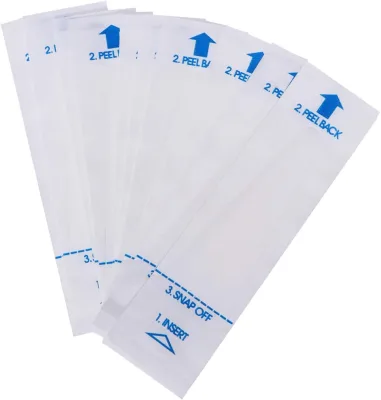
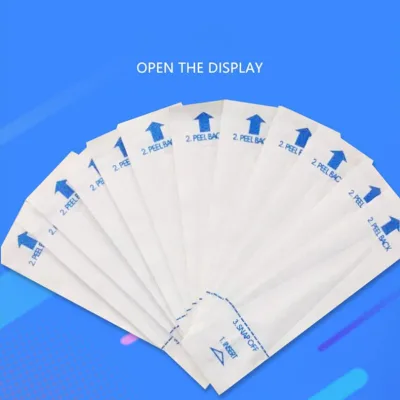
The foundation of a reliable thermometer probe cover lies in its physical and chemical properties. The primary material observed in the current market is plastic, specifically formulated to be BPA-free to eliminate health risks associated with bisphenol A exposure. The material must offer a "soft touch" feature, ensuring patient comfort during insertion while maintaining structural integrity to prevent tearing during use. Dimensions are a critical specification; typical sizes observed include 12.5 cm by 2.8 cm and 12 cm by 2.8 cm, tailored to fit various thermometer probe heads. Some products are explicitly engineered to fit specific brands, such as Braun Thermoscan devices, with standards defining the fit as "Fit for braun thermoscan."
Packaging configurations vary significantly based on the intended volume of use. Common packing formats include 100 pieces per box, 200 pieces per box, or bulk cartons containing up to 20,000 pieces. For smaller clinical settings, smaller packs of 20 pieces per box are available. The physical dimensions of the packaging itself, such as paper bags measuring 9.5 cm by 2.5 cm or cartons sized 30x20x15 cm, are essential for storage planning. Buyers should verify that the product model numbers, such as UL-th, ULIFE, UL-1153, Ym-L017, Ym-L022, PH1025, and PH05-027, correspond to the specific thermometer models in their inventory. The color is typically transparent, allowing medical staff to visually confirm the presence of the cover on the probe tip.
Compliance and Certification Verification
In the medical device sector, certification is not merely a formality but a prerequisite for market entry and procurement eligibility. The supplied data indicates that suppliers often hold ISO13485 certification, which is the international standard for quality management systems specific to medical devices. Additionally, SGS certification is frequently cited, providing third-party validation of product quality and safety. Other critical certifications include CE marking, indicating conformity with health, safety, and environmental protection standards for products sold within the European Economic Area, and ISO standards for packaging.
Specific standards governing the packaging and sterility of these covers include ISO11607 and EN868. These standards ensure that the sterile barrier system maintains its integrity until the point of use. It is vital for buyers to distinguish between products that have undergone Ethylene Oxide (EtO) sterilization and those that are supplied without it. While some listings confirm "Ethylene Oxide Sterilization," others explicitly state "Without Ethylene Oxide Sterilization." This distinction dictates the storage and handling procedures required by the end-user. Furthermore, the presence of a "Certificate: Ce, ISO" or "ISOSGS" suggests a higher level of regulatory adherence, though buyers must verify the validity of these documents against the specific batch of goods ordered.
Cost Drivers and Economic Factors
The pricing structure for thermometer probe covers is influenced by several variables, including material quality, certification status, and order volume. The observed price range in the market spans from $0.01 to $4.00 USD per unit, a wide variance that reflects differences in product complexity and packaging. The Minimum Order Quantity (MOQ) is a significant economic driver, ranging from as low as 20 units for sampling or small clinics to 100,000 units for large-scale distributors. Specific high-volume orders, such as those for Braun-compatible covers, may have an MOQ of 20,000 pieces, which can significantly impact the unit cost through economies of scale.
Logistics and origin also play a role in the final landed cost. The products originate primarily from China, with specific manufacturing hubs identified in Zhejiang. Buyers must factor in shipping costs, which are dependent on the weight and volume of the packaging, such as the 20,000 pieces per carton configuration. The availability of stock is another economic factor; products marked as "Stock: Yes" may offer faster delivery times compared to made-to-order items, potentially reducing inventory holding costs. Additionally, the option for free samples allows buyers to evaluate quality before committing to large orders, mitigating the financial risk of purchasing non-compliant goods.
Typical Applications and Usage Scenarios
Thermometer probe covers are designed for disposable use, making them essential in high-throughput medical environments where infection control is paramount. The primary application is in clinical settings such as hospitals, clinics, and nursing homes, where thermometers are shared among multiple patients. The covers serve as a barrier to prevent the transmission of pathogens via the probe. The product group classifications indicate suitability for "All" patients, "Anyone," and specifically "Adult" populations, suggesting versatility in application across different demographic groups.
The specific usage scenarios depend on the thermometer type. Ear thermometers require covers with specific dimensions, such as 12 cm by 2.8 cm, to ensure a snug fit within the ear canal. General thermometer probes may utilize the 12.5 cm by 2.8 cm variants. The "Soft Touch" feature is particularly relevant for pediatric or sensitive patient applications, reducing discomfort during measurement. The "Logo Printing" capability allows healthcare facilities to brand the covers, which can aid in inventory management and reinforce institutional identity. The "Quality Guarantee Period" of one to five years suggests that the materials are durable enough for long-term storage, provided they are kept in appropriate conditions.
Supplier Evaluation and Selection Criteria
Selecting a reliable supplier requires a rigorous evaluation of their capabilities and track record. Buyers should prioritize suppliers who offer OEM (Original Equipment Manufacturer) services, as this indicates flexibility in customizing product specifications, packaging, and branding to meet specific institutional needs. The availability of customization is a key attribute, allowing for tailored solutions that standard off-the-shelf products may not provide. When evaluating suppliers, the consistency of certification documentation is paramount. A supplier claiming ISO13485 and CE certification must be able to provide valid certificates for the specific products being sourced.
The production capacity is another critical factor. Given the wide range of MOQs, from 20 to 100,000 units, buyers must ensure the supplier can scale production to meet demand without compromising quality. The lead time and stock availability are also vital; suppliers with "Stock: Yes" can fulfill urgent orders, while those requiring production runs may need longer lead times. The "Group: All" or "Group: Anyone" classification suggests a broad market reach, but buyers should verify if the supplier has specific experience with the medical device sector. The presence of a "Quality Guarantee Period" of up to five years indicates a supplier's confidence in their product's shelf life and stability.
Quality Control and Long-Term Procurement Considerations
Implementing a robust quality control (QC) process is essential for maintaining the integrity of the supply chain. Buyers should verify that the products adhere to the stated standards, such as ISO11607 and EN868, which govern the sterile barrier system. Regular audits of the supplier's manufacturing processes can ensure that the "BPA Free" and "Plastic" material claims are consistently met. The "Ethylene Oxide Sterilization" status must be clearly documented for each batch, as this affects the safety profile of the product.
For long-term procurement, establishing a relationship with a supplier who offers a "Quality Guarantee Period" is beneficial. This period, ranging from one to five years, implies that the supplier stands behind the durability and safety of their products over time. Buyers should also consider the "Sample: Free" option as a strategic tool for initial quality assessment. By testing samples for fit, material strength, and sterility integrity, procurement teams can validate the supplier's claims before entering into a long-term contract. Finally, maintaining a diverse supplier base can mitigate risks associated with supply chain disruptions, ensuring a steady flow of essential medical consumables.
Comparative Analysis of Product Attributes
To facilitate informed decision-making, the following table summarizes key attributes observed across different product models and specifications. This comparison highlights the variability in packaging, certification, and intended use, allowing buyers to match products to their specific operational needs.
| Attribute | Product Model A (UL-th) | Product Model B (ULIFE) | Product Model C (Braun Compatible) | Product Model D (Ym-L017) |
|---|---|---|---|---|
| Material | Plastic | Plastic | Plastic | Plastic |
| Certification | ISO13485, SGS | ISOSGS, CE | CE, ISO | ISO13485 |
| Sterilization | Ethylene Oxide | Ethylene Oxide | Without EtO | Without EtO |
| Packing | 100PCS/Box | Carton | 20000PCS/Carton | 20PCS/box |
| Size | 12.5*2.8cm | 12*2.8cm | Fit for braun thermoscan | 12.5*2.8cm |
| MOQ | 20-100000 | 20-100000 | 20000PCS | 20-100000 |
| Guarantee | 5 Years | 5 Years | One Year | 5 Years |
| Customization | Available | Available | Accept OEM | Available |
This comparative view underscores the importance of aligning specific product attributes with procurement requirements. For instance, a facility requiring high-volume, pre-sterilized units for a specific brand of thermometer might prioritize the Braun-compatible model with its 20,000-piece carton packing. Conversely, a smaller clinic might prefer the 20-piece box option with a flexible MOQ. By carefully analyzing these attributes, buyers can optimize their procurement strategy to balance cost, compliance, and operational efficiency.
FAQs
What certifications do Thermometer Sterilization Probe Covers typically hold?
These covers typically hold ISO13485, CE, and SGS certifications. Some listings also reference ISO11607 and EN868 standards for packaging integrity. Buyers should verify specific batch certificates to ensure compliance with medical device regulations.
Can I find Thermometer Sterilization Probe Covers with Ethylene Oxide sterilization?
Yes, some models are available with Ethylene Oxide sterilization. However, other listings explicitly state they are without Ethylene Oxide sterilization. You must confirm the sterilization status before ordering to match your infection control protocols.
Which packaging sizes are available for Thermometer Sterilization Probe Covers?
Packaging varies from 20 pieces per box to 20,000 pieces per carton. Common configurations include 100 or 200 pieces per box. Bulk options often utilize cartons sized 30x20x15 cm to optimize storage and shipping efficiency.
How do I find Thermometer Sterilization Probe Covers that fit Braun Thermoscan?
Look for models explicitly labeled as fitting Braun Thermoscan devices. Specific product standards define the fit for this brand. Ensure the model number matches your device requirements before placing a bulk order.
What is the minimum order quantity for Thermometer Sterilization Probe Covers?
The minimum order quantity ranges from 20 units to 100,000 units depending on the supplier. Some specific high-volume models require a minimum of 20,000 pieces. Smaller clinics may find options with lower MOQs for sampling.
Can I get custom logo printing on Thermometer Sterilization Probe Covers?
Yes, customization with logo printing is available for many models. Suppliers often accept OEM requests to tailor packaging and branding. This allows healthcare facilities to reinforce their institutional identity on the disposable covers.
Where are Thermometer Sterilization Probe Covers manufactured?
These products are primarily manufactured in China, with specific hubs in Zhejiang. The origin is listed as China for most models. Buyers should consider shipping logistics from these locations when calculating total landed costs.