Source Thermoplastic Fluorescent Optical Brightener OB for PVC PE PP
Find 30 listings for Thermoplastic Fluorescent Optical Brightener OB suitable for whitening PVC, PE, and PP resins. Compare specifications like purity, melting point, and packaging options from verified Chinese manufacturers.
Key considerations
Products List

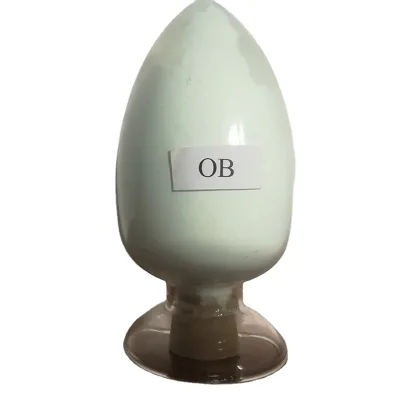
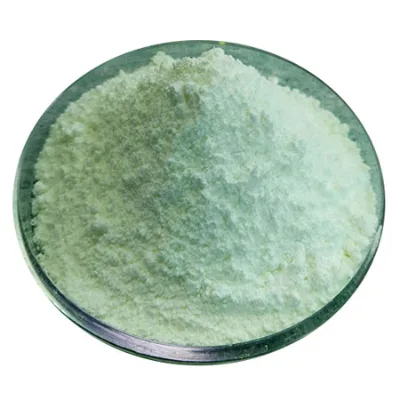


Plastics Additive Optical Brightening Agent Ob (Fluorescent Brightener 184) Oba
$20.00 - $25.00
MOQ: 1000 kg




Comprehensive Sourcing Guide
Strategic Sourcing Guide for Thermoplastic Fluorescent Optical Brightener OB
Understanding the Product Profile and Technical Specifications
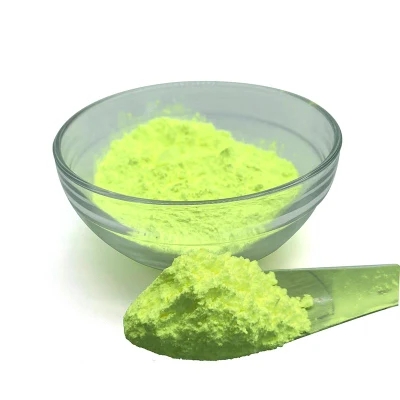
The core keyword "Thermoplastic Fluorescent Optical Brightener OB" refers to a specialized class of chemical additives designed to enhance the visual whiteness and brightness of plastic substrates. Based on the available market data, this product is primarily identified by the model number OB and is chemically characterized as a synthetic organic pigment. The physical form is consistently observed as a powder, though specific listings describe the color as ranging from light green or milky white to light yellow and even pure white. This variation in observed color attributes suggests that the raw powder may appear differently depending on the specific batch or the concentration of the fluorescent agent within the matrix, but the functional identity remains the Optical Brightener Agent OB.
The chemical identity of this agent is critical for procurement teams to verify. The molecular formula is recorded as C26H26N2O2S, and the substance is associated with the CAS No. 7128-64-5. In regulatory contexts, the EINECS No. 230-426-4 is frequently cited, providing a standardized reference for European inventory and compliance tracking. The product is also known by alternative names such as FBA 184 or simply "Fluorescent brightener OB." From a technical performance standpoint, the melting point is a vital parameter for processing. Data indicates a melting range of 356-360 degrees Celsius for certain specifications, while other entries note a range of 196-202 degrees. This discrepancy highlights the necessity for buyers to confirm the specific grade and thermal stability requirements of their processing equipment before placing an order. The purity is a key quality indicator, with observed specifications exceeding 98.5% and some listings claiming greater than 99.0%.
Regulatory Compliance and Environmental Standards
When sourcing industrial chemicals for thermoplastic applications, verifying compliance with environmental and safety standards is paramount. The product data explicitly states that "Environmental Protection" is a feature of the listed items, suggesting that the formulations are designed to meet specific regulatory thresholds regarding hazardous substances. However, buyers must not assume that all listed products automatically satisfy every international standard without verification. The presence of the EINECS number (230-426-4) is a positive indicator of registration within the European inventory, but it does not replace the need for a current Certificate of Analysis (CoA) or a Material Safety Data Sheet (MSDS) specific to the shipment.
Furthermore, the product is described as having a "Standard Exporting Package" and is often packed in 25kg drums. While the packaging is standard, the internal standards of the product itself require scrutiny. The molecular weight is noted as 414 in some contexts, which serves as a reference point for chemical consistency. Buyers should request documentation confirming that the specific batch adheres to the stated purity levels and that the product does not contain prohibited heavy metals or restricted azo dyes, which are common concerns in the plastics industry. The "Environmental Protection" attribute implies a commitment to lower toxicity, but this must be validated against the specific regulations of the destination market, such as REACH in Europe or TSCA in the United States.
Cost Drivers and Pricing Dynamics
The pricing landscape for thermoplastic fluorescent brighteners is influenced by several factors, including purity, packaging, and order volume. The observed listed price range in the current market spans from 1 to 51.52 USD. This wide variance is not necessarily indicative of quality differences alone but often reflects the unit of measure, the specific supplier's pricing strategy, or the inclusion of shipping costs in the displayed figure. For instance, a price at the lower end of the spectrum might represent a bulk wholesale rate for a high-volume order, while the higher end could reflect a smaller, single-item purchase or a premium grade with higher purity.
The Minimum Order Quantity (MOQ) is another significant cost driver. The observed MOQ range is substantial, varying from 1 unit up to 1000 units, with a specific, high-confidence fact noting an MOQ of 25kg. This suggests that while some suppliers may accommodate trial orders of smaller quantities, the standard commercial transaction for this chemical is likely based on the 25kg drum format. The single gross weight for a standard package is recorded as 2.000 kg in some instances and 1.050 kg in others, which may indicate different packaging densities or the inclusion of different container sizes. Buyers should calculate the total landed cost, including freight and duties, rather than focusing solely on the unit price. The "Selling Units" are often listed as "Single item," which can be misleading if the item is a drum containing 25kg of powder. Clarifying the price per kilogram is essential for accurate budgeting.
Typical Applications and Material Compatibility
The primary application of Fluorescent Brightener OB is for whitening a wide array of thermoplastic materials. The product data lists specific compatibility with polyvinyl chloride (PVC), polyethylene (PE), polypropylene (PP), acrylonitrile butadiene styrene (ABS), acetate fiber (CA), polyamide (PA), acrylic resin, and polymethyl methyl methacrylate (PMMA). This versatility makes it a critical additive for manufacturers producing white or bright-colored plastic goods, including consumer electronics housings, automotive components, and packaging materials.
The usage extends beyond just the polymer matrix; the agent is also applicable in paints, coatings, and inks. The "Main usage" description emphasizes its role in whitening thermoplastic resins, while the "Application" section reiterates its utility in PVC, PE, PP, PS, ABS, and SAN. The mechanism involves the absorption of ultraviolet light and its re-emission as visible blue light, which counteracts the natural yellowing of plastics and creates a visual perception of enhanced whiteness. When integrating this agent into a production line, the processing temperature must align with the melting point of the brightener. Given the observed melting points of 196-202°C and 356-360°C, the lower range is more typical for standard extrusion or injection molding processes involving PE and PP, whereas the higher range might require specialized high-temperature processing or indicate a different chemical variant.
Supplier Evaluation and Origin Verification
Sourcing this chemical requires careful evaluation of the supplier's origin and capabilities. The data consistently identifies the place of origin as China, with specific mentions of Zhejiang Province. This region is a known hub for chemical manufacturing, but it also necessitates rigorous due diligence regarding supplier reliability. The brand name "TK" appears in the data, but buyers should not limit their search to a single brand or assume that all products with this brand name are identical. The "Type" is listed as "Synthetic," and the "Style" is categorized as "Organic Pigment," which are standard industry classifications.
When evaluating potential suppliers, buyers should verify the consistency of the product attributes. For example, discrepancies in the "Appearance" description (ranging from powder to light green or milky white) should be clarified with the supplier to ensure the physical form matches the requirements of the mixing process. The "Single package size" varies between 32x32x12 cm and 15x15x15 cm, indicating different packaging configurations. A reliable supplier will provide clear documentation on packaging dimensions and weights to facilitate logistics planning. Additionally, the "Customization" attribute is listed as "Available," suggesting that some suppliers may offer tailored formulations or packaging solutions. However, buyers must confirm the feasibility and lead times associated with such customizations, as they can significantly impact the procurement timeline.
Quality Control and Long-Term Procurement Considerations
Ensuring consistent quality is the cornerstone of a successful procurement strategy for optical brighteners. The "Purity" is a critical metric, with observed values exceeding 98.5% and 99.0%. Buyers should establish a quality control protocol that includes requesting a Certificate of Analysis (CoA) for every batch received. This document should verify the molecular weight, melting point, and purity levels against the agreed-upon specifications. The "Solubility" attribute is mentioned but lacks specific details in the provided data; therefore, buyers must test the solubility of the agent in their specific processing solvents or polymer melts to ensure proper dispersion.
Long-term procurement considerations involve building a relationship with suppliers who can guarantee supply stability and consistent quality. The "Lead time" is not explicitly defined in the data, but the "MOQ" of 25kg suggests a standard production cycle. Buyers should negotiate contracts that account for potential fluctuations in raw material costs, which can affect the price range of 1-51.52 USD. It is also advisable to maintain a safety stock of the brightener to mitigate supply chain disruptions. The "Standard Exporting Package" is a good baseline, but for long-term contracts, buyers might consider negotiating for bulk packaging or specialized labeling to streamline their internal inventory management. Finally, regular audits of the supplier's manufacturing processes and adherence to environmental protection standards will help ensure that the product remains compliant with evolving global regulations.
Summary of Key Product Attributes
To assist buyers in quickly comparing the essential characteristics of the Thermoplastic Fluorescent Optical Brightener OB, the following table summarizes the key attributes derived from the available data. This summary serves as a checklist for verification during the supplier selection process.
| Attribute Category | Observed Value / Range | Verification Requirement |
|---|---|---|
| Product Name | Fluorescent brightener OB, Optical Brightener Agent | Confirm CAS No. 7128-64-5 |
| Chemical Formula | C26H26N2O2S | Verify against CoA |
| Physical Form | Powder (Light Green, Milky White, Light Yellow) | Visual inspection upon receipt |
| Melting Point | 196-202°C or 356-360°C | Confirm grade specific to processing temp |
| Purity | >98.5% or >99.0% | Request batch-specific CoA |
| MOQ | 1 to 1000 (Standard: 25kg) | Confirm unit of measure (kg vs. drum) |
| Origin | China (Zhejiang) | Verify supplier location and export license |
| Packaging | 25kg/Drum, Standard Exporting Package | Check gross weight and dimensions |
| Applications | PVC, PE, PP, ABS, PA, PMMA, Paints, Inks | Ensure compatibility with target resin |
| Environmental | Yes (Environmental Protection) | Request REACH/TSCA compliance docs |
By adhering to these guidelines and verifying the specific attributes against the supplier's documentation, buyers can secure a reliable supply of high-quality fluorescent brighteners that meet the stringent requirements of modern thermoplastic manufacturing.
FAQs
What is the purity level of Thermoplastic Fluorescent Optical Brightener OB?
The purity exceeds 98.5 percent, with some grades reaching over 99.0 percent. Buyers should request a batch-specific Certificate of Analysis to verify the exact purity percentage before placing an order.
Which melting point range applies to this optical brightener agent?
The melting point ranges from 196 to 202 degrees Celsius or 356 to 360 degrees Celsius depending on the specific grade. Processing equipment must be set to match the specific thermal stability of the selected variant.
Can this agent be used for whitening PVC and PE plastics?
Yes, it is designed for whitening thermoplastic materials including PVC, PE, PP, ABS, and acrylic resins. It is also suitable for use in paints, coatings, and inks to enhance visual brightness.
What is the standard minimum order quantity for this chemical?
The standard minimum order quantity is 25 kilograms per drum. While some suppliers may accept smaller trial orders, the 25kg drum format is the typical commercial unit for this product.
How is the product typically packaged for export?
The product comes in a standard exporting package, often a 25kg drum. Packaging dimensions vary, with common sizes including 32x32x12 cm or 15x15x15 cm configurations for shipping efficiency.
Where is the origin of this fluorescent brightener agent located?
The place of origin is China, specifically the Zhejiang province region. Buyers should verify the supplier's location and export license to ensure compliance with international shipping regulations.
Is customization available for this thermoplastic additive?
Customization is available from certain suppliers for tailored formulations or packaging solutions. However, buyers must confirm the feasibility and lead times associated with such custom requests before finalizing the order.