Source Tinned Copper Grounding Busbar for Automotive, Agriculture, Machinery
Find 30 verified listings for Tinned Copper Grounding Busbar with options for tin or nickel plating and various certifications. Buyers can compare specifications, surface treatments, and origins from Ningbo, Guangdong, and Jiangsu to find the right fit for line fittings and telecommunication needs.
Updated
Key considerations
Products List


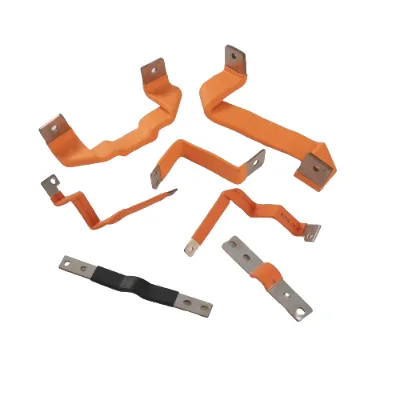
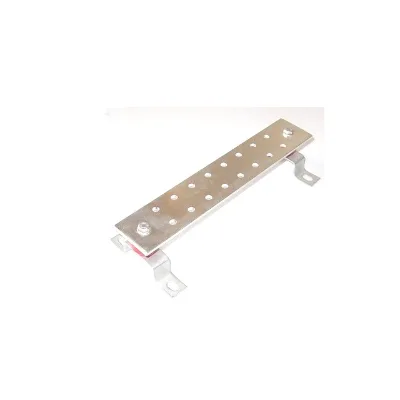
All Sizes of Tinned Custom Copper Bus Bar for Power Distribution Equipment
$0.1314 - $9.90
MOQ: 1000 Pieces


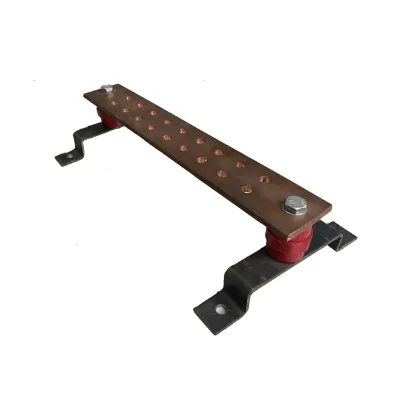
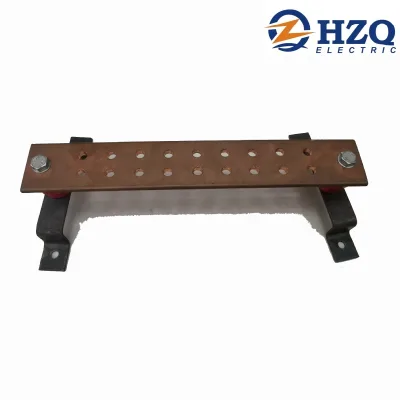


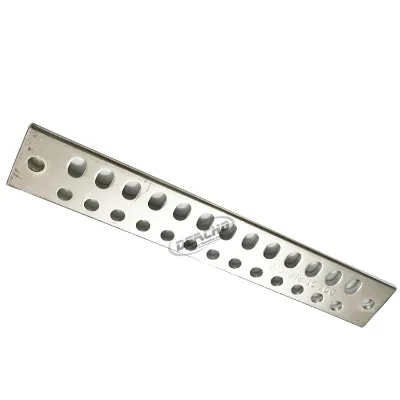
Comprehensive Sourcing Guide
Tinned Copper Grounding Busbar Sourcing Guide
Procuring tinned copper grounding busbars requires a disciplined approach to material verification and surface treatment validation. Buyers must prioritize suppliers who explicitly confirm the use of high-conductivity copper alloys paired with a uniform tin plating process. This specific combination ensures optimal electrical conductivity while providing robust resistance against oxidation and corrosion in diverse environmental conditions. The tin layer acts as a critical barrier, preserving the integrity of the copper substrate over extended operational lifespans.
Sourcing decisions should be grounded in observable listing signals rather than generic marketing claims. Current market data indicates a wide price range from 0.1 to 100 USD, reflecting variations in thickness, width, and plating quality. Minimum order quantities typically span from 1 to 1000 units, allowing for both prototype testing and large-scale deployment. Understanding these baseline metrics helps buyers establish realistic budget expectations and negotiate favorable terms with potential vendors.
Product Scope and Observed Listing Signals
The observed product landscape includes various configurations such as ball eye Qn type fittings and standard grounding bars. Listings frequently highlight customization options, allowing buyers to specify dimensions and connector types like adaptors for specific installation needs. Some suppliers offer free samples, which serves as a practical method for evaluating physical quality before committing to bulk orders. This flexibility is particularly valuable for projects requiring precise fitment within complex electrical assemblies.
Packaging methods vary significantly across suppliers, ranging from carton and pallet arrangements to exportation standard packages. Proper packaging is essential to prevent damage during transit, especially for delicate plated surfaces. Buyers should verify that the chosen packaging method aligns with their logistical requirements and storage capabilities. Additionally, some products are marketed for specific industries such as automotive, agriculture, furniture, and machinery, indicating versatile application potential beyond traditional electrical infrastructure.
Technical Specifications to Verify
Verifying the conductor material is the first critical step in technical validation. Buyers must ensure that the core material is pure copper, as this directly impacts electrical performance and thermal dissipation capabilities. The presence of nickel plating on some variants suggests alternative corrosion resistance strategies, but for tinned busbars, the tin layer must be uniform and free of defects. Insulation materials, if present, should also be verified for compatibility with the operating environment and voltage requirements.
Surface treatment processes such as tin plating, nickel plating, and electroplating require careful scrutiny. The thickness and adhesion of the plating layer are crucial for long-term reliability. Buyers should request detailed specifications regarding the plating process, including pre-treatment steps like stamping, forming, and dipping. These manufacturing steps influence the final mechanical strength and electrical continuity of the busbar. Confirming these details ensures that the product meets the rigorous demands of high-current applications.
Compliance and Safety Documentation
Certification verification is paramount for ensuring regulatory compliance and safety. Common certifications observed in the market include CE, RoHS, and ISOGB standards. These certifications indicate that the product meets specific environmental and safety requirements, which is essential for international trade and installation in regulated markets. Buyers should request valid certification documents from suppliers to confirm that the products have undergone independent testing and approval processes.
Standards such as ASTM and GB provide a framework for quality and performance expectations. While specific standards like IEC 61439 are mentioned in background contexts, buyers should verify which exact standards apply to their specific procurement needs. Compliance with these standards ensures that the busbars perform reliably under specified conditions. Documentation should clearly state the applicable standards and any relevant test results that support the compliance claims.
Cost Drivers and Commercial Terms
Several factors influence the final cost of tinned copper grounding busbars. The primary drivers include the grade of copper used, the thickness and quality of the tin plating, and the complexity of the manufacturing process. Customized dimensions and special surface treatments can significantly increase production costs. Buyers should analyze the cost breakdown to understand how each component contributes to the final price and identify areas for potential optimization.
Commercial terms such as FOB, CFR, and CIF define the responsibilities and risks associated with shipping. These terms impact the total landed cost and should be carefully considered during procurement planning. Minimum order quantities also play a role in pricing, with larger orders often benefiting from economies of scale. Understanding these commercial dynamics allows buyers to negotiate better terms and manage their supply chain more effectively.
Supplier Qualification and Quality Control
Supplier qualification involves assessing their manufacturing capabilities and quality control systems. Buyers should verify that suppliers have established processes for surface treatment, including electroplating and dipping, to ensure consistent product quality. The presence of multiple manufacturing steps, such as stamping and forming, indicates a comprehensive production capability. Suppliers with robust quality control measures are more likely to deliver products that meet specified technical requirements.
Quality control checks should include visual inspections for plating defects and electrical continuity tests. Buyers may request third-party inspection reports or conduct their own sampling tests upon receipt. Establishing clear quality acceptance criteria with suppliers helps prevent disputes and ensures that only compliant products are used in critical applications. Regular audits of supplier facilities can further enhance confidence in the supply chain.
Long-Term Procurement Checks
Long-term procurement success depends on continuous monitoring of supplier performance and product reliability. Buyers should track key performance indicators such as delivery times, defect rates, and responsiveness to issues. Maintaining open communication with suppliers facilitates quick resolution of any problems that arise during production or delivery. Regular reviews of supplier capabilities ensure that they can meet evolving project requirements and maintain consistent quality standards.
Market trends and technological advancements may influence the availability and performance of tinned copper grounding busbars. Buyers should stay informed about new materials, plating technologies, and industry standards that could impact their procurement strategy. Adapting to these changes helps maintain a competitive edge and ensures that the selected products remain suitable for future applications. Proactive management of the procurement process minimizes risks and supports long-term operational efficiency.
FAQs
What certifications are available for tinned copper grounding busbars?
Available certifications include CE, RoHS, ISOGB, and ISORoHS. These standards ensure compliance with international safety and environmental regulations. Buyers should verify specific certification requirements with suppliers to match their regional compliance needs and project specifications.
Can I request custom specifications for copper grounding busbars?
Yes, customization is available for models and standards. Suppliers offer tailored solutions to meet specific engineering requirements. This flexibility allows for precise adaptation to unique application needs, ensuring optimal performance and fit within complex electrical systems.
What surface treatments are used on copper grounding busbars?
Common surface treatments include tin plating, nickel plating, and silver plating. These treatments enhance conductivity and corrosion resistance. The choice depends on environmental conditions and electrical performance requirements, with tin and nickel being widely used for durability.
Where are tinned copper grounding busbars typically manufactured?
Manufacturing origins include Ningbo and Guangdong in China, as well as Jiangsu. These regions are known for robust industrial production capabilities. Buyers can source from these locations, considering logistics and supply chain efficiency when selecting suppliers for bulk orders.
What packaging options are provided for copper grounding busbars?
Packaging options include carton with pallet, exportation standard packages, and wooden cases. These methods ensure safe transit and protection against damage. Suppliers often customize packaging based on order size and destination, adhering to international shipping standards for secure delivery.
What is the typical MOQ for copper grounding busbars?
The observed MOQ range is 1 to 1000 units. This flexibility accommodates both small trial orders and large-scale industrial procurement. Buyers can negotiate quantities based on their specific project needs, with suppliers often offering free samples for evaluation purposes.