Source Tinned Copper Battery Charger Cable for EVs, Solar, and Industrial
Find and compare 30 listings for Tinned Copper Battery Charger Cable designed for automotive, industrial, and power applications. Options include PVC and nylon insulation with IP67 ratings, customizable lengths, and IATF16949 certified manufacturing from Guangdong, China; compare the available evidence and request quotations based on your requirements.
Updated
Key considerations
Products List
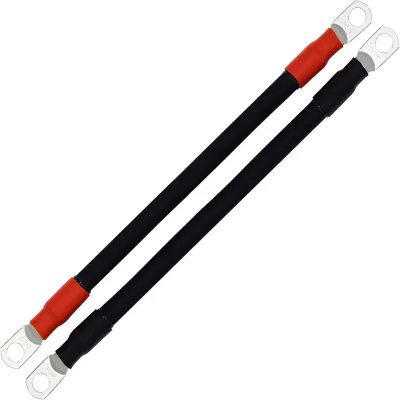
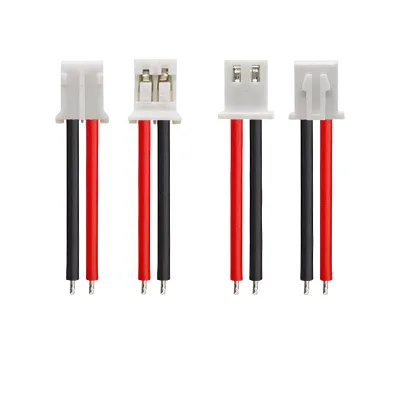
Copper Conductor Lithium Battery Terminal Cable for Electrical Equipment
$0.03 - $0.22
MOQ: 100 Minimum
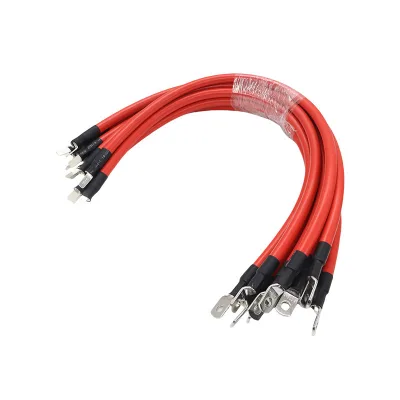
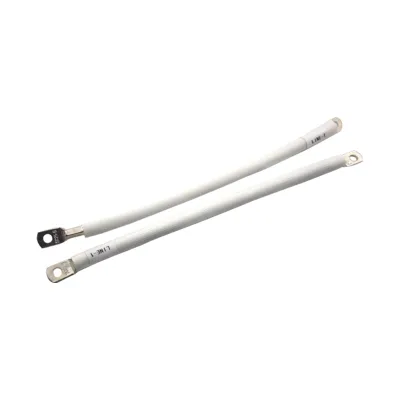
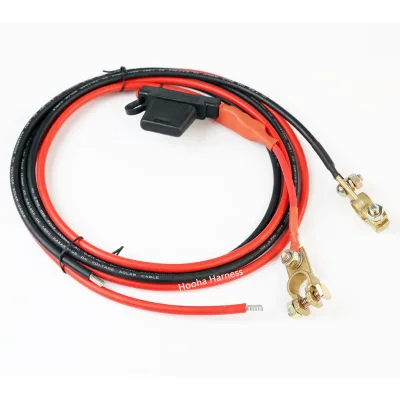
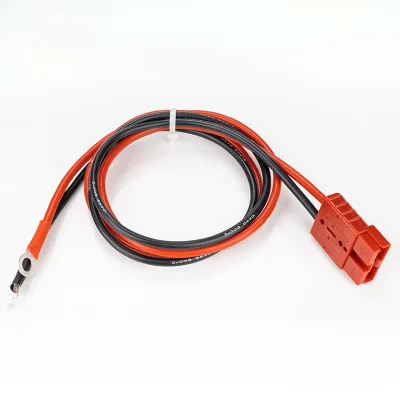
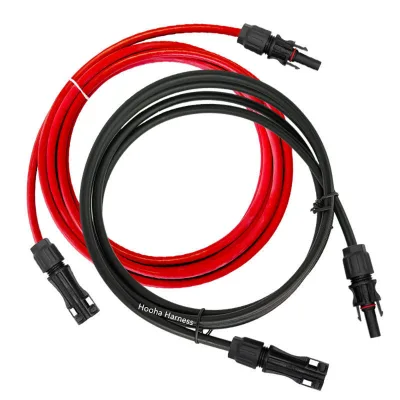
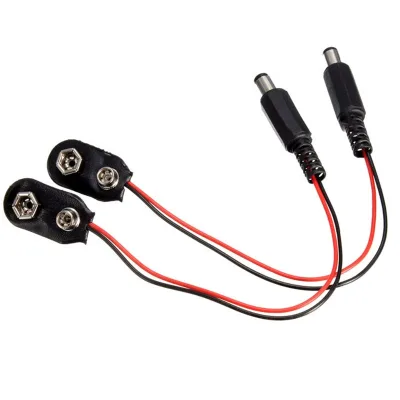
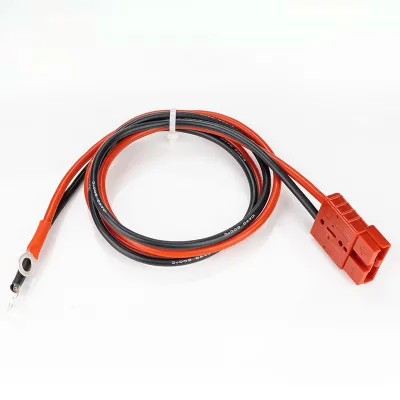
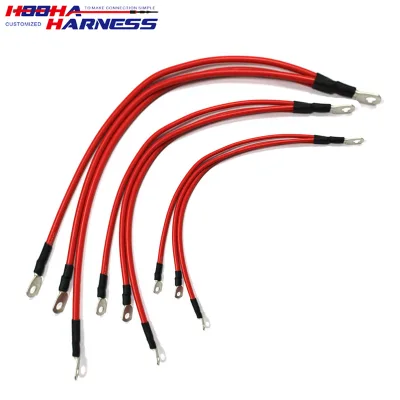


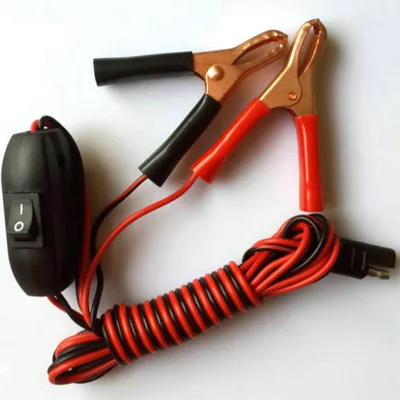
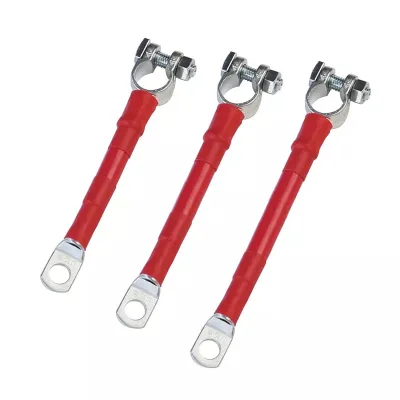
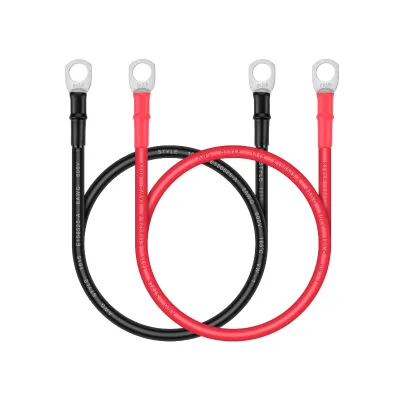
Battery Cable - 8 AWG 8 Gauge 1/0 Gauge Wire Made with Tinned Copper Wire
$2.7122 - $12.8267
MOQ: 50 Minimum
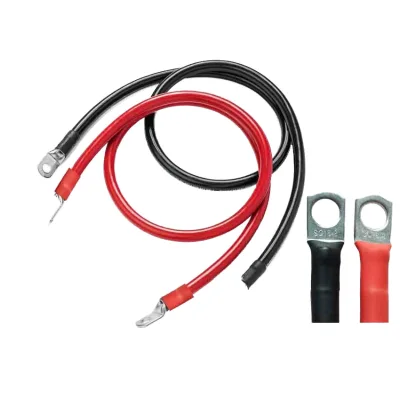
35mm2 Battery Cable High Current 50mm2 PVC Wire M8 Cable Lugs to Connect Batteries
$4.1454 - $4.663
MOQ: 20 Minimum
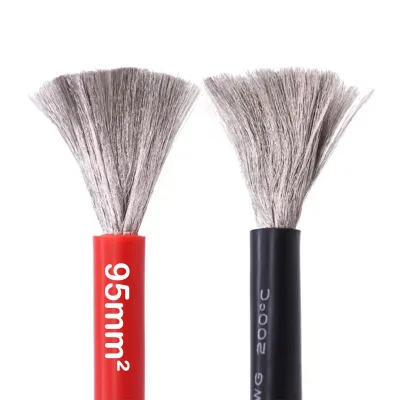

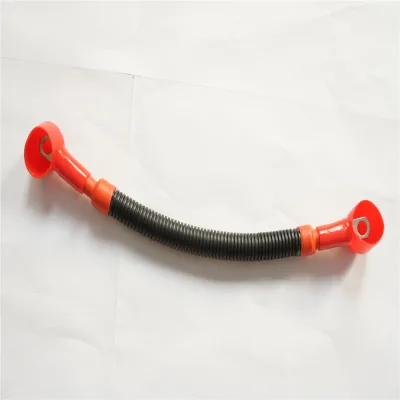

Comprehensive Sourcing Guide
Tinned Copper Battery Charger Cable Sourcing Guide
Sourcing tinned copper battery charger cables requires a disciplined approach to material verification and application matching. Buyers must prioritize conductors that offer superior corrosion resistance, which is critical for long-term reliability in automotive and industrial power systems. The supplied data indicates that tinned copper is a specific variant available, distinct from bare copper options, ensuring better performance in humid or chemically aggressive environments. Procurement teams should explicitly request material certificates to confirm the tin plating thickness and adhesion, as these factors directly influence the cable’s lifespan and electrical continuity under thermal cycling conditions.
Beyond material composition, the insulation and jacketing materials play a pivotal role in the cable’s overall durability. Observations from current listings show a variety of insulation materials, including PVC, PP, and Nylon, each offering different thermal and mechanical properties. Buyers must align the insulation choice with the specific operating temperature and chemical exposure of their end-use application. For instance, Nylon may provide better abrasion resistance for machinery, while PVC offers flexibility for general industrial wiring. Verifying these material specifications against the product datasheet is essential to prevent premature failure and ensure the cable meets the rigorous demands of battery charger systems.
Product Scope and Observed Listing Signals
The current market landscape for battery charger cables presents a diverse range of product configurations, reflecting varied industrial needs. Listings indicate a wide price range from $0.03 to $30 USD, suggesting significant variation in quality, length, and connector complexity. Minimum order quantities (MOQs) typically span from 1 to 1,000 units, allowing both prototype development and large-scale production runs. Buyers should note that some suppliers offer customized lengths and colors, which can be crucial for specific harnessing requirements. Understanding these market signals helps in budgeting accurately and selecting suppliers who can accommodate the desired volume without compromising on material integrity or delivery schedules.
Connector types and pin configurations are another critical aspect of the product scope. Available options include industrial wiring harnesses and battery connectors with pin counts ranging from 2P to 10P. The presence of IP67 rated components in some listings highlights the availability of weatherproof solutions for outdoor or harsh environment applications. Buyers must carefully match the connector type and pin configuration to their battery charger’s interface requirements. Additionally, the availability of free samples for standard products allows for preliminary testing before committing to larger orders. This flexibility in product scope enables buyers to find solutions that precisely fit their technical and operational constraints.
Technical Specifications to Verify
Voltage and current ratings are fundamental technical parameters that must be strictly verified for battery charger applications. Listings show rated voltages ranging from 110 V to 600 V, with some products specified at 0.6 kV for medium voltage applications. It is crucial to ensure the selected cable can handle the maximum current load without excessive voltage drop or overheating. The observed rated current of 200A in some products indicates high-capacity options are available. Buyers should cross-reference these ratings with their charger’s output specifications to prevent undersizing, which could lead to safety hazards or inefficient charging performance.
Conductor cross-section and length customization are also key technical details to confirm. Some listings specify sizes like 2*2.5 mm², while others offer fully customizable lengths. The working temperature rating of 85℃ is a common specification that must be considered in relation to the ambient operating conditions. Buyers should verify if the cable’s temperature rating exceeds the expected operating temperature to ensure safety margins. Additionally, the availability of drawing-based customization allows for precise engineering integration. Confirming these technical specifications with the supplier ensures that the cable will perform reliably under the specific electrical and environmental loads of the battery charger system.
Compliance and Safety Documentation
Certification and compliance documentation are non-negotiable for battery charger cables, especially in regulated industries. Suppliers may provide certification reports supported by various standards, including IATF16949, ISO13485, and BSCI for management systems. Quality management systems such as ISO 9001, along with CE, ROHS, and FCC marks, indicate adherence to international safety and environmental standards. Buyers must request these documents to verify that the manufacturer maintains rigorous quality controls. The presence of a one-year warranty further suggests a commitment to product reliability, providing an additional layer of protection for the buyer against early failures.
Specific safety standards like UL 1063 are mentioned in background contexts, highlighting the importance of recognized safety certifications. Buyers should explicitly ask if the cables meet relevant UL or other regional safety standards for battery charging equipment. Compliance with ROHS ensures the absence of hazardous substances, which is critical for environmental sustainability and regulatory compliance in many markets. Verifying these certifications not only ensures legal compliance but also enhances the credibility of the end product. Buyers should maintain a checklist of required certifications and ensure they are provided before finalizing any purchase agreement.
Cost Drivers and Commercial Terms
Several factors influence the final cost of tinned copper battery charger cables, including material costs, customization, and order volume. The use of tinned copper, compared to bare copper, adds to the material expense but offers long-term value through corrosion resistance. Customization options, such as specific lengths, colors, and connector types, can also impact pricing. Buyers should negotiate based on volume, as higher quantities often lead to better unit prices. The observed MOQ range of 1 to 1,000 units provides flexibility, allowing buyers to start with smaller orders to test quality before scaling up.
Commercial terms such as sample availability and warranty policies are also significant cost considerations. Many suppliers offer free samples for standard products, which can reduce initial testing costs. A one-year warranty provides assurance against defects, potentially lowering long-term maintenance expenses. Buyers should also inquire about expedited order options for urgent requirements, as this may incur additional fees. Understanding these cost drivers and commercial terms helps in creating a comprehensive total cost of ownership model. This approach ensures that the procurement decision is based on both upfront costs and long-term value, rather than just the initial price tag.
Supplier Qualification and Quality Control
Supplier qualification is a critical step in ensuring the reliability of tinned copper battery charger cables. Buyers should verify the supplier’s manufacturing capabilities, including factory visits if possible, as suggested by some listings. The presence of a "source factory" indicates direct manufacturing, which can offer better quality control and pricing. Buyers should assess the supplier’s quality assurance processes, including their adherence to ISO 9001 and other relevant standards. Requesting detailed quality control reports and inspection procedures helps in evaluating the supplier’s commitment to consistency and defect prevention.
Quality control measures should also include incoming material inspections and final product testing. Buyers should ask about the supplier’s procedures for verifying conductor material, insulation integrity, and connector performance. The availability of customized certification reports suggests that suppliers can tailor documentation to specific buyer requirements. Additionally, the option to provide drawings for customization indicates a level of engineering support that can be valuable for complex projects. By thoroughly qualifying suppliers and verifying their quality control processes, buyers can mitigate risks and ensure a steady supply of high-quality cables.
Long-Term Procurement Checks
Long-term procurement success depends on continuous monitoring of supplier performance and product quality. Buyers should establish key performance indicators (KPIs) such as delivery times, defect rates, and responsiveness to issues. Regular audits of the supplier’s quality management system can help identify potential problems before they impact production. Maintaining open communication with the supplier regarding any changes in specifications or standards is also crucial. This proactive approach ensures that the supplier remains aligned with the buyer’s evolving needs and regulatory requirements.
Additionally, buyers should periodically review market trends and alternative suppliers to ensure competitive pricing and availability. The dynamic nature of the cable industry means that new materials and technologies may emerge, offering improved performance or cost savings. By staying informed and maintaining a diversified supplier base, buyers can mitigate supply chain risks. Regularly updating the procurement strategy based on performance data and market insights ensures that the organization continues to receive high-quality tinned copper battery charger cables that meet their technical and commercial objectives.
FAQs
What is the rated voltage for these tinned copper battery charger cables?
The rated voltage is 220 V, 600V, 240 V, or 110 V depending on the specific model configuration. These cables are designed for industrial and automotive applications, ensuring safe power transmission. The insulation material is typically PVC or PP, providing reliable performance under various electrical loads and environmental conditions.
Can I get free samples for tinned copper battery charger cables?
Yes, standard products often provide free samples or negotiable sample terms. This allows buyers to verify the tin-plated copper conductor quality and insulation integrity before placing bulk orders. It is advisable to confirm sample availability and shipping costs with the supplier directly to ensure smooth procurement processes.
What is the minimum order quantity for customized battery cables?
The minimum order quantity is typically 100 pieces for standard configurations. For customized lengths or specific connector types, MOQs may vary. Buyers should consult the supplier for exact requirements based on their specific drawing or specification needs, as customization can impact production scheduling and initial order thresholds.
Which certifications are supported for these industrial wiring harnesses?
Certification reports are supported, and the quality management system includes ISO 9001, CE, ROHS, and FCC standards. Additionally, IATF16949 and BSCI certifications may apply depending on the factory capabilities. These ensure compliance with international safety and quality requirements for automotive and electronic applications.
How long is the warranty period for these battery cables?
The product comes with a one-year warranty to assure quality and reliability. This coverage applies to manufacturing defects and material integrity under normal usage conditions. Buyers should retain purchase records and follow installation guidelines to maintain warranty validity for their industrial or automotive battery charger cable investments.
What conductor material is used in these tinned copper cables?
The conductor material is tin-plated copper, which offers excellent conductivity and corrosion resistance. This material ensures efficient power transmission for battery charging applications. The insulation is typically PVC or PP, providing durability and flexibility for various industrial and automotive wiring harness installations.
Are urgent orders expedited for these battery charger cables?
Yes, orders can be expedited to meet urgent delivery requirements. The source factory welcomes visits and supports accelerated production schedules for time-sensitive projects. Buyers should communicate their deadlines early to facilitate priority handling and ensure timely shipment of customized or standard battery cable configurations.