Motor Starting Duty Thermal Fuse Suppliers and Manufacturers
Source Motor Starting Duty Thermal Fuse from 27 verified suppliers in Guangdong, China. Compare lead times, MOQs, and UL certifications to find the right fit. Contact suppliers directly to request quotes and samples; review the available evidence before requesting comparable quotations from suitable candidates.
Updated
Suppliers List

Dongguan Tianrui Electronics Co., Ltd.
- Combined
- China Guangdong
- Lead time15 days
- Avg. response≤ 6h
Main productsFuse, Thermal Fuse, Auto Fuse, Thermal Protector, Fuse Holder, Auto Circuit Breaker
Main marketsSouth America,Africa,Others(foreignTradeCapacity.exportBusinessCapacityMarketOther),Southeast Asia/ Mideast,Domestic,Europe,Australia,North America
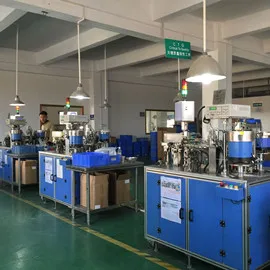
Dongguan Tianrui Electronics Co., Ltd.
- Manufacturer, Trading Company
- Guangdong, China
- Lead time7 days
- Avg. response≤ 5h
Main productsFuse,Fuse holder,Thermal Protector,Temperature sensor,Circuit Breaker.
Main marketsSouth America(30.00%), Domestic Market(20.00%), Western Europe(15.00%), Southeast Asia(15.00%), Eastern Europe(10.00%), Mid East(10.00%)

- Verified by SGS
- Manufacturer/Factory
- China Guangdong
- Lead time23 days
- Avg. response≤ 1h
Main productsFuse, SMD Fuse Micro Fuses, High Voltage Fuses, PTC Self-Resettable Fuses, Ntc Temperature Sensors/Ntc Sensors, Inductor/Resistive Fuses, Fuse Holder/Auto Fuse Holder, Thermostat/Temperature Switch, Tvs - Varistors Movs/Resistor, Ntc Thermistor
Main marketsSouth America,Eastern Europe,Mid East,North America,Southeast Asia,Eastern Asia,Oceania,Western Europe,Africa


Thermal Fuse 76º C~160º C 1A 3A 250VAC Alloy Temperature Fuse 1A 3A 250V Thermal Fuse
$0.09 - $0.19
MOQ: 1000 Pieces

76º C~160º C 1A 3A 250VAC Alloy Temperature Fuse 1A 3A 250V Thermal Fuse
$0.09 - $0.19
MOQ: 1000 Pieces
Yueqing Daier Electron Co., Ltd.
- Manufacturer, Trading Company
- Lead time旺季: "100 - 100000":31,"> 100000":"To be negotiated", 淡季: "100 - 100000":31,"> 100000":"To be negotiated"
- Avg. response≤ 2h
Main productsPush Button, Rocker Switch, Toggle Switch, Terminal Blocks, Relay
- Manufacturer
- Taiwan, China
- Lead time0 days
- Avg. response≤ 6h
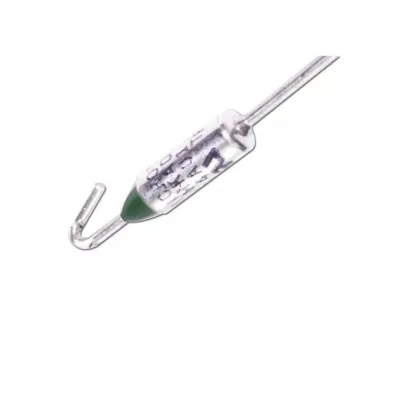
Main productsWater Heater Thermostat,Thermal Switch,Thermometer,Power Supply,Capillary Thermostat
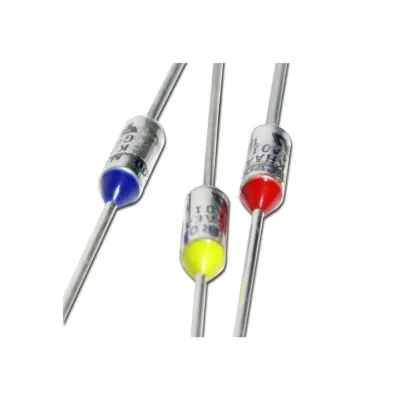
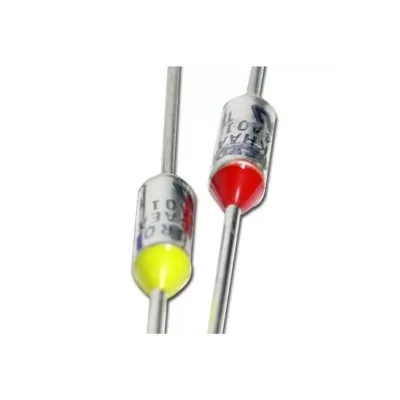
$0.40
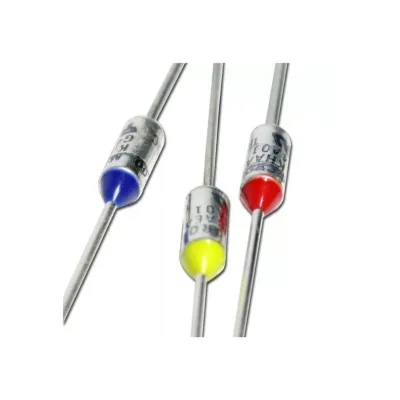

Dongguan City Heng Hao Electric Co., Ltd.
- Verified by SGS
- Combined
- China Guangdong
- Lead time15 days
- Avg. response≤ 8h
Main productsBimetal Thermostat, Thermal Protector, Temperature Switch, Auto Reset Thermostat, Thermal Cut out Switch, Temperature Controller Switch, Thermostat, Temperature Sensor Switch, Manual Reset Thermostat, Heating Thermostat
Main marketsDomestic,Europe

Thermal Limited Switch for Lighting Temperature Controller Thermal Fuse
$0.26 - $0.50
MOQ: 1000 Pieces

Thermal Protector Thermal Fuse Temperature Switch Temperature Controller
$0.16 - $0.20
MOQ: 1000 Pieces


Jaye Heater Technology (Huizhou) Co., Ltd.
- Verified by BV
- Trading Company
- China Guangdong
- Lead time23 days
- Avg. response≤ 3h
Main productsIndustrial Heater, Silicone Rubber Heater, Domestic Heating Elements, Machinery Parts, Thermostat, Band Heater, Hot Run Heater, Cartridge Heater, Finned Tubular Heater, Quarts Heater
Main marketsSouth America,Africa,Southeast Asia/ Mideast,East Asia(Japan/ South Korea),Europe,Australia,North America

Focus Sensing and Control Technology Co., Ltd.
- Combined
- China Anhui
- Lead time30 days
- Avg. response≤ 11h
Main productsTemperature Sensor, Ntc PTC Thermistors, Rtd Sensor Probes PT100 PT1000, Digital Temp Sensor Ds18b20 Im35 Sts35, Thermocouple, Water Oil Fuel Level Sensor Auto Part, ABS Sensor, Medical Body Temperture Sensor, Automobile Temperature Sensors, Thermal Fuse
Main marketsSouth America,Africa,Southeast Asia/ Mideast,East Asia(Japan/ South Korea),Domestic,Europe,Australia,North America


High Precision Iron Thermal Fuse Non-Resetting Protective Device Thermal Fuse Resistor
$0.01 - $1.00
MOQ: 100 Pieces


Jiangxi Yoojo Technology Co., Ltd.
- Verified by SGS
- Combined
- China Jiangxi
- Lead time15 days
- Avg. response≤ 3h
Main productsFuse, Fuse Holder, Circuit Breaker, Fuse Box, Bus Bar, Ntc, Wiring Harness, Connector
Main marketsDomestic


High-Performance Customizable 15A 600VDC Thermal Fuse for DC Applications
$3.08 - $3.15
MOQ: 500 Pieces
Dongguan Reomax Electronics Technology Co., Ltd.
- Manufacturer, Trading Company
- Guangdong, China
- Lead time5 days
- Avg. response≤ 9h
Main productsfuses,fuse holders,thermal protectors,ntc,fuse boxes
Main marketsDomestic Market(40.00%), North America(10.00%), Western Europe(5.00%), Eastern Asia(5.00%), Mid East(5.00%), Oceania(5.00%), South Asia(5.00%), Southeast Asia(5.00%), Eastern Europe(5.00%), South America(4.00%), Africa(3.00%), Southern Europe(3.00%), Northern Europe(3.00%), Central America(2.00%)
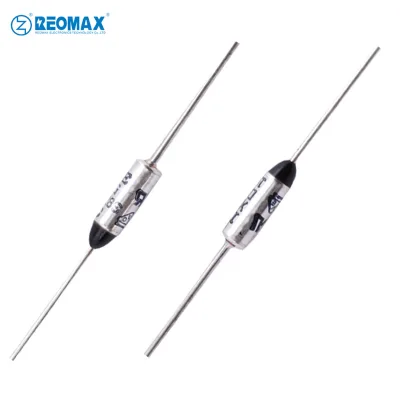
DF141S 250 Vac 16 Amps 141c Thermal Fuse
$0.08 - $0.15
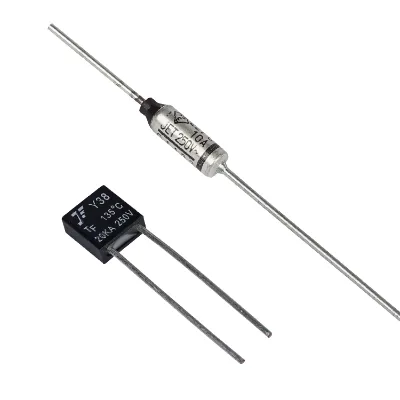
250V 10 Amp RY Type RY227 227 Degree Thermal Fuse
$0.08 - $0.15
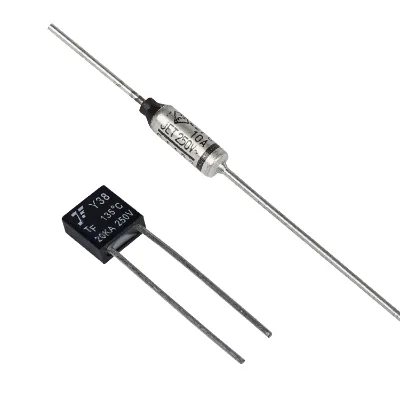
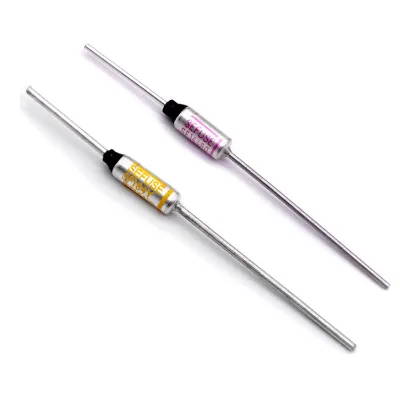
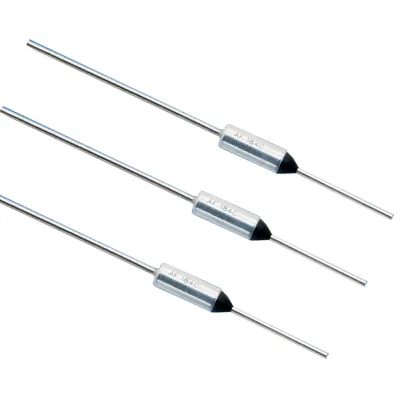
AC 220V 250V 10A 15A 16A Temperature Cutoff Link Thermal Fuse for Popcorn Machine
$0.06 - $0.10
MOQ: 1000

Shenzhen Topmay Electronic Co., Ltd.
- Verified by BV
- Trading Company
- China Guangdong
- Lead time15 days
- Avg. response≤ 4h
Main productsCapacitor, Metallized Polyester Film Capacitor Cl21, Metallized Polypropylene Film X2 Capacitor, Aluminum Electrolytic Capacitor, Ceramic Capacitor, Tantalum Capacitor, Super Capacitor, Resistor, Passive Components, MKP Capacitor
Main marketsSouth America,Africa,Southeast Asia/ Mideast,Europe,North America
Jiangsu Baile Electric Co., Ltd.
- Manufacturer, Trading Company
- Jiangsu, China
- Lead time10 days
- Avg. response≤ 1h
Main productsThermal fuse,ksd thermostat,thermal protector,thermal fuse link,capillary thermostat
Main marketsNorth America(15.00%), Southern Europe(10.00%), Northern Europe(10.00%), Central America(10.00%), Western Europe(10.00%), South Asia(10.00%), Southeast Asia(10.00%), Eastern Europe(10.00%), South America(10.00%), Africa(5.00%)
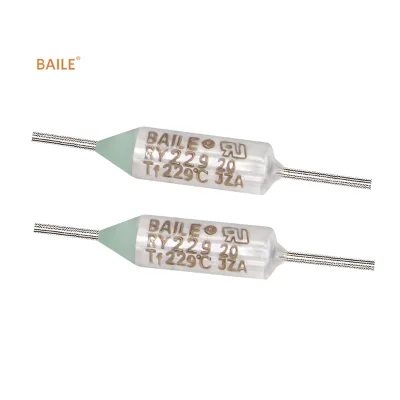
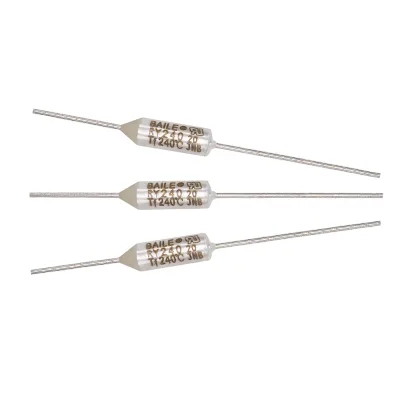
China Manufacturer Price 240c 120v 15a Thermal Fuse for Popcorn Machine
$0.062 - $0.0931
MOQ: 1000 pieces

Huizhou Reomax Electronics Co., Ltd.
- Verified by CTI
- Combined
- China Guangdong
- Lead time15 days
- Avg. response≤ 2h
Main productsFuse, Fuse Holder, Fuse Link, Fuse Box, Fuse Components, Auto Relay, Electronic Components, Car Accessories
Main marketsSouth America,Africa,Southeast Asia/ Mideast,East Asia(Japan/ South Korea),Domestic,Europe,Australia,North America

50℃-250℃ Degree C Thermal Switch 10A/15A 250V Ry Thermal Fuse with Lead
$0.055 - $0.07
MOQ: 1000 Pieces

Temperature Fuse Switch 50℃-240℃ Degree 1A/2A/3A/5A/10A/15A 250V Ceramic Thermal Fuse with Leads
$0.055 - $0.07
MOQ: 1000 Pieces


Thermal International Co., Ltd.
- Verified by TUVRHEINLAND
- Manufacturer/Factory
- China Guangdong
- Lead time23 days
- Avg. response≤ 2h
Main productsThermostat, Heating Element, Timer, Switch, Indicated Lamp, Pressed Parts, Copper Parts, Motor, Pressure Controller, Pressure Gauge
Main marketsSouth America,Eastern Europe,Mid East,North America,Southeast Asia,Eastern Asia,Oceania,Western Europe,Africa

Quick Response Ry216 250V 15A TF216℃ Metal Thermal Fuse with 3c Certificate
$0.10 - $0.14
MOQ: 5000 Pieces

Quick Response 250V 16A Ry216 Thermal Fuse for High Temperature Heating Equipment
$0.10 - $0.14
MOQ: 5000 Pieces

Thermal Cut-off Ry227 250V16atf227℃ Metal Temperature Fuse for Small Industrial Motors
$0.10 - $0.14
MOQ: 5000 Pieces

Temperature Sensitive Thermal Fuse Ry227 250V16atf227℃ for High Temperature Industrial Motors
$0.10 - $0.14
MOQ: 5000 Pieces
Yueqing Daier Electron Co., Ltd.
- Manufacturer, Trading Company
- Lead time旺季: "100 - 100":7,"> 100":"To be negotiated", 淡季: "100 - 100":7,"> 100":"To be negotiated"
- Avg. response≤ 2h
Main productsPush Button Switch, Auto Switch, Indicator Light, Terminal Block, Fuse Block
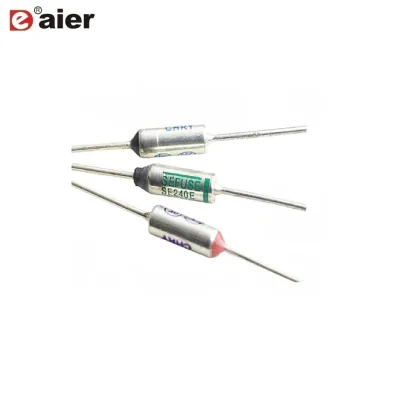
15A 250VAC Low Breaking Capacity Thermal Fuse for Coffee Maker with Lead
$0.08 - $0.096
MOQ: 500 pieces
Nanjing Aibeiwin Technology Co., Ltd.
- Trading Company
- Jiangsu, China
- Lead time3 days
- Avg. response≤ 2h
Main productsChiller spare parts,refrigeration parts,compressor,fuse,expansion valve
Main marketsDomestic Market(50.00%), Southeast Asia(10.00%), Mid East(10.00%), Eastern Asia(6.00%), South Asia(5.00%), Northern Europe(5.00%), North America(5.00%), South America(5.00%), Africa(2.00%), Central America(1.00%), Western Europe(1.00%)
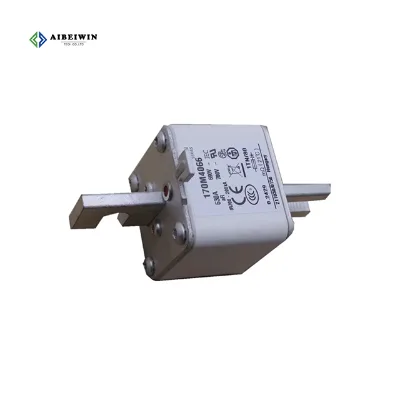
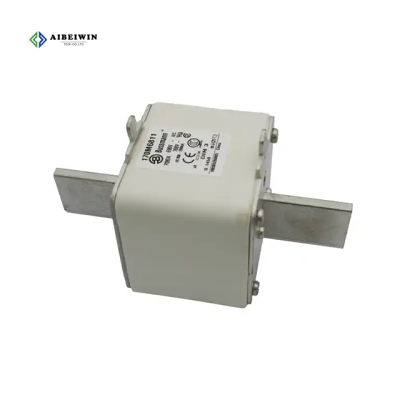
Service Fuse 400A 690V 170M4062 Power Electronic Components Auto Fuse Box Thermal Fuse Types
$22.00 - $36.00
MOQ: 5 pieces
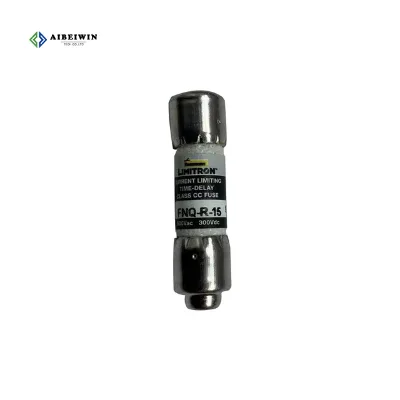
Bussmann Fuse-link FNQ-R-15 FNQ R 15 New and Original High Quality Original Time Delay Fuse
$3.00 - $5.00
MOQ: 1 pieces
Zhejiang Grl Electric Co., Ltd.
- Verified by TüVRheinland
- Manufacturer, Trading Company
- Lead time15 days
- Avg. response≤ 3h
Main productsFuse Switch Disconnector, Vertical Fuse Switch Disconnector, Photovoltaic Combiner Box, Low Voltage Busbar System, Fuse Link
Main marketsDomestic Market(70%), South Asia(11%), Africa(10%)
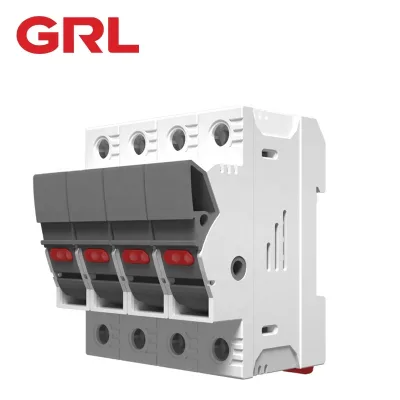
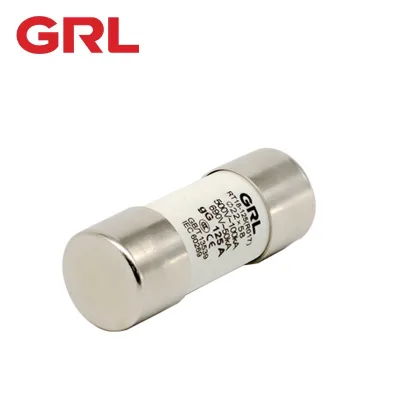
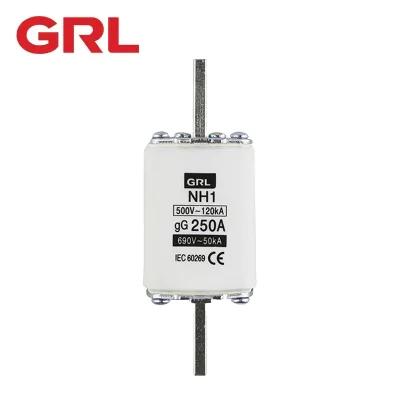
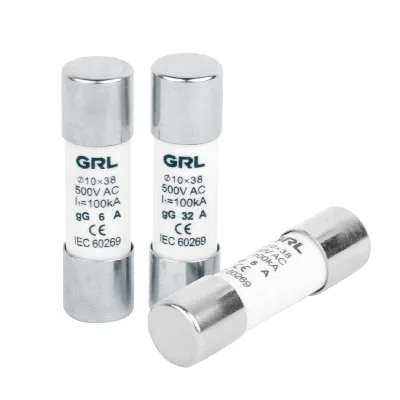
Low Voltage Electric Automotive Fuse with Switch
$1.79 - $1.99
Dongguan Reomax Electronics Technology Co., Ltd.
- Manufacturer, Trading Company
- Lead time旺季: "1 - 1000":10,"> 1000":"To be negotiated", 淡季: "1 - 1000":10,"> 1000":"To be negotiated"
- Avg. response≤ 2h
Main productsFuse,Fuse Holder,Car Accessories,Electronic Components,Electrical Supplies
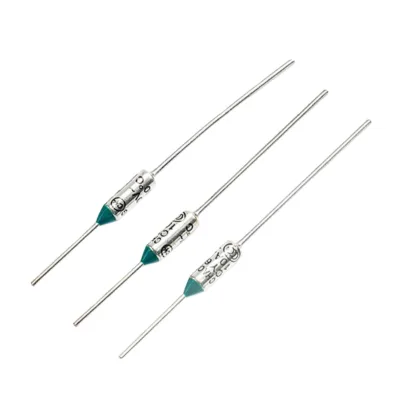
$0.0517 - $0.0724
MOQ: 1000 pieces
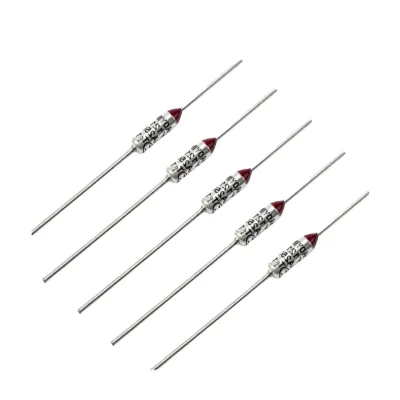
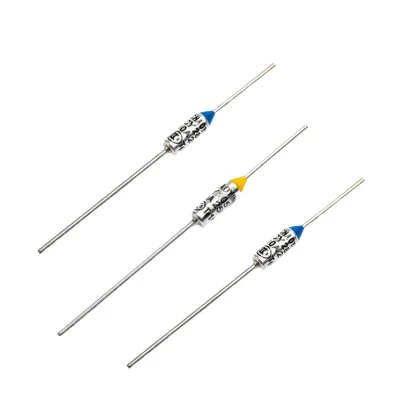
$0.0517 - $0.0724
MOQ: 500 pieces
Shenzhen Allnewsemi Electronic Co., Ltd.
- Trading Company
- Guangdong, China
- Lead time3 days
- Avg. response≤ 7h
Main productsIC -Integrated Circuits-CHIP supplier,Electronic component supplier,BOM list One stop supporting services,Cooling fan,Smart accessories
Main marketsWestern Europe(30.00%), North America(20.00%), South America(10.00%), Domestic Market(5.00%), Eastern Europe(5.00%), Northern Europe(5.00%), Southern Europe(5.00%), Southeast Asia(5.00%), Eastern Asia(3.00%), Mid East(3.00%), South Asia(3.00%), Oceania(2.00%), Central America(2.00%), Africa(2.00%)

Yueqing Barfuse Electric Co., Ltd.
- Combined
- China Zhejiang
- Lead time15 days
- Avg. response≤ 20h
Main productsfuse switch disconnector
Main marketsSoutheast Asia/ Mideast
Jinrongda Electronics (Shenzhen) Co., Ltd.
- Trading Company
- Guangdong, China
- Lead time3 days
- Avg. response≤ 17h
Main productsIntegrated circuit,Circuit board,connector,switch,Charging cable
Main marketsMid East(20.00%), Southeast Asia(20.00%), Northern Europe(10.00%), Southern Europe(10.00%), Western Europe(10.00%), Eastern Asia(10.00%), South America(10.00%), Domestic Market(10.00%), Africa(10.00%), North America(10.00%), Eastern Europe(10.00%), South Asia(6.00%), Central America(6.00%), Oceania(2.00%)
Zhejiang Yunteng Electric Co.,ltd.
- Manufacturer, Trading Company
- Zhejiang, China
- Lead time7 days
- Avg. response≤ 1h
Main productsLV Fuse; HV Fuse; HRC Fuse; FUSE Switch; New Energy Fuse
Main marketsDomestic Market(28.00%), Western Europe(10.00%), North America(8.00%), South America(8.00%), Africa(8.00%), Eastern Asia(8.00%), Eastern Europe(8.00%), Central America(5.00%), South Asia(5.00%), Southeast Asia(5.00%), Oceania(3.00%), Northern Europe(2.00%), Mid East(1.00%), Southern Europe(1.00%)

Hangzhou Huantong Auto Parts Co., Ltd
- Verified by SGS
- Trading Company
- China Zhejiang
- Lead time15 days
- Avg. response≤ 1h
Main productsFuse, High Voltage Relay, Msd, Auto Fuse
Main marketsDomestic

Guangzhou Ruihu Electric Co., Ltd.
- Trading Company,Individuals/Soho,Manufacturer/Factory,Other
- China Guangdong
- Lead time15 days
- Avg. response≤ 25h
Main productsPower Capacitor, Cable Accessories, Transformer Components, Pad Mounted Transformer Componesnts, Rmu, Bushing, Arrest, Gis Rmu, AIS Rmu, Battery
Main marketsMid East,North America,Africa
Shenzhen Chengfangchip Electronic Technology Co., Ltd.
- Verified by Intertek
- Trading Company
- Lead time0 days
- Avg. response≤ 3h
Main productsPCBA, ICs, Transistor, IGBT, Development Board
Main marketsNorth America(40%), Southeast Asia(20%), Mid East(20%)
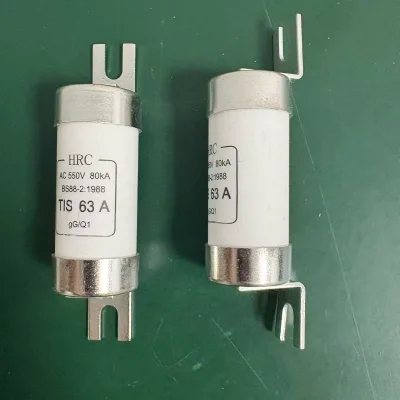
Original BUSSMAN N Fuse BS88:4 Fuse Link 35/40/50/63/71/80/100FE FEa 690V
$1.9998 - $2.0418
MOQ: 1 pieces
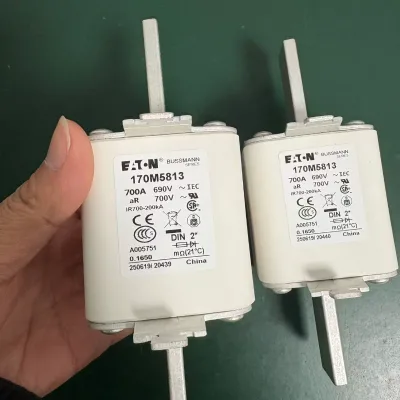
New Original 170M58134 Fuse 170M5808 170M5809 170M5810 170M5811 170M5812 170M5813
$22.6977 - $23.213
MOQ: 1 pieces

- Manufacturer/Factory,Group Corporation,Other
- China Zhejiang
- Lead time0 days
- Avg. response≤ 25h
Main productsDropout Fuse, Insulators, Poleline Hardwares, Arrester, LV Fuses, Distribution Box, Plugs&Sockets, Disconnector Switches, Junction Boxes, Fuse Links
Main marketsSouth America,Eastern Europe,Mid East,North America,Southeast Asia,Eastern Asia,Oceania,Western Europe,Africa

- Manufacturer/Factory
- China Zhejiang
- Lead time23 days
- Avg. response≤ 25h
Main productsBreakers, Contactors, Relays, Push Button, Current Transformer, Transformer, Electrical Accessories, Meter, Solar Light, Voltage Stabilizer
Main marketsSouth America,Eastern Europe,Mid East,North America,Southeast Asia,Eastern Asia,Oceania,Western Europe,Africa








Comprehensive Sourcing Guide
Motor Starting Duty Thermal Fuse Supplier Concentration and Factory Types
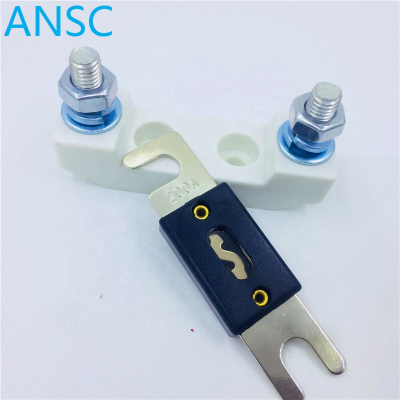
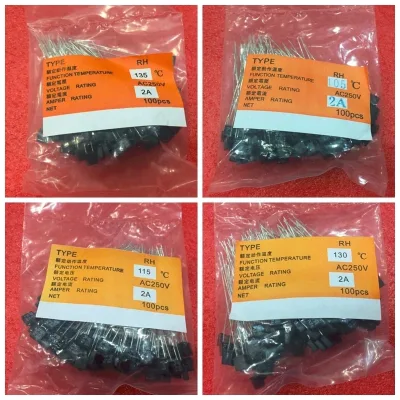
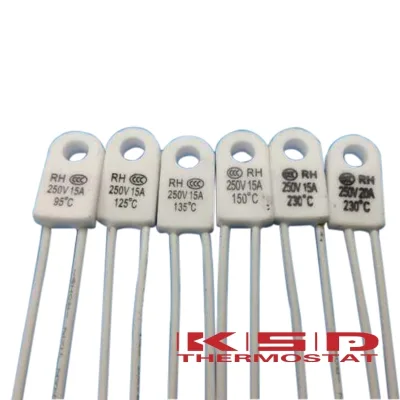
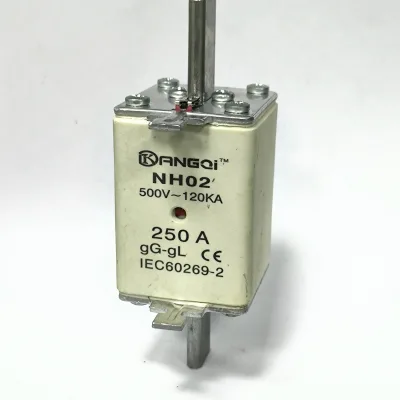
The current supplier landscape for thermal fuses is heavily concentrated in Guangdong, China, a region that serves as a primary manufacturing hub for electrical components. This geographic clustering allows for efficient supply chain logistics and rapid prototyping, which are critical for buyers seeking specialized components like motor starting duty thermal fuses. The available data indicates that suppliers in this region offer a diverse range of product types, including thermal fuses, thermal protectors, and auto circuit breakers. This concentration suggests that buyers can find multiple vendors capable of meeting specific technical requirements within a single logistical zone, reducing shipping times and costs. The presence of both manufacturers and trading companies in this area provides flexibility for different procurement strategies, whether a buyer needs direct factory pricing or the additional services of a trading entity.
Supplier types in this market vary significantly, with many entities operating as combined entities that function as both manufacturers and trading companies. This dual role can offer advantages such as broader product catalogs and more flexible order terms, but it also requires careful verification to ensure quality control standards are maintained. Some suppliers specialize in OEM and ODM services, allowing for custom branding and specific technical modifications to standard thermal fuse designs. The availability of customization options is a key differentiator, with many suppliers offering tailored solutions for low voltage applications. Buyers should assess whether a supplier’s combined model aligns with their need for direct factory interaction or if the added value of a trading company’s logistical support is more beneficial for their specific supply chain needs.
How to Verify Motor Starting Duty Thermal Fuse Suppliers
Verifying the legitimacy and capability of thermal fuse suppliers requires a multi-layered approach that goes beyond basic company profiles. Buyers should prioritize suppliers who provide clear evidence of their manufacturing capabilities, such as detailed product specifications and certifications. The presence of safety standards like UL and IEC in product attributes is a strong indicator of compliance with international safety requirements. Additionally, buyers should look for suppliers who explicitly state their approval processes, including CQC and RoHS certifications, which are crucial for ensuring that the thermal fuses meet environmental and safety regulations. It is essential to cross-reference these claims with independent verification services or request direct documentation from the supplier to confirm authenticity.
Response time and communication efficiency are also critical indicators of supplier reliability. A quick response time, such as the 5.48 hours observed in some results, suggests a well-organized customer service team that can address technical queries and order issues promptly. Buyers should test this responsiveness by sending detailed inquiries about motor starting duty thermal fuses, including specific voltage and current requirements. Furthermore, verifying the supplier’s establishment year and company type can provide insights into their stability and experience. Suppliers with a longer track record and a clear manufacturer or trading company designation are often more reliable partners. Buyers should also check for any discrepancies in the supplier’s stated location versus their actual operational base to avoid potential logistical surprises.
What to Compare Across Motor Starting Duty Thermal Fuse Suppliers
When evaluating multiple suppliers, buyers must compare key operational metrics such as lead time, minimum order quantity (MOQ), and pricing structures. Lead times can vary significantly, with some suppliers offering as little as 7 days while others may require 15 days or more. This difference can impact inventory management and production schedules, making it crucial to align supplier lead times with project deadlines. MOQs also vary, ranging from small quantities like 5 pieces to larger bulk orders of 5000 pieces. Buyers should assess whether their order volume aligns with the supplier’s MOQ to avoid unnecessary costs or stockouts. Understanding these operational constraints helps in selecting a supplier that fits the buyer’s specific procurement volume and timeline requirements.
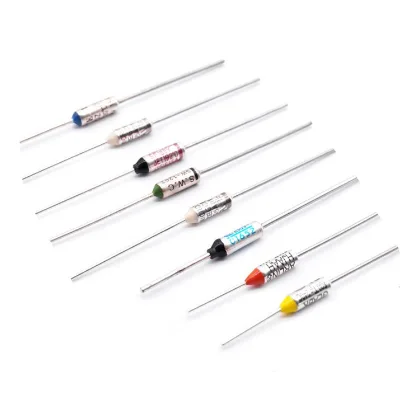
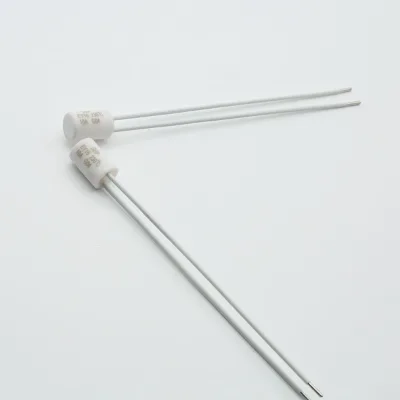
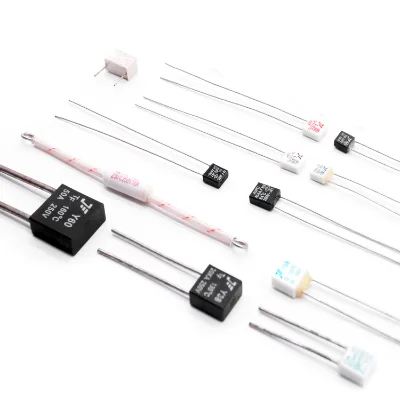
Pricing and product specifications are equally important factors in supplier comparison. Prices for thermal fuses can range from as low as $0.035 to over $0.50 per unit, depending on the model, material, and customization options. Buyers should compare not just the unit price but also the total cost of ownership, including shipping and handling fees. Product attributes such as temperature range, breaking capacity, and fusing speed should be matched against the specific requirements of the motor starting duty application. Additionally, buyers should consider the supplier’s capacity for customization, such as offering different main body materials like plastic, ceramic, or metal. A comprehensive comparison of these factors ensures that the selected supplier offers the best balance of cost, quality, and service for the buyer’s needs.
Common Motor Starting Duty Thermal Fuse Sourcing Risks
One of the primary risks in sourcing thermal fuses is the potential for mismatched technical specifications. Buyers must ensure that the thermal fuses they order are compatible with the specific motor starting duty requirements, including voltage, current, and temperature ratings. Incorrect specifications can lead to premature failure or safety hazards, making it essential to verify product attributes such as rated load and temperature range. Another risk is the variability in quality control standards among suppliers. While some suppliers may offer high-quality products with robust certifications, others may not adhere to the same rigorous standards. Buyers should request samples and conduct thorough testing before committing to large orders to mitigate this risk.
Logistical and supply chain disruptions are also significant risks, particularly when sourcing from international suppliers. Delays in production or shipping can impact project timelines, especially if the supplier has a longer lead time or limited production capacity. Buyers should assess the supplier’s supply ability and contingency plans for handling unexpected demand spikes. Additionally, there is a risk of intellectual property infringement if buyers work with suppliers who produce unauthorized copies of branded thermal fuses. To mitigate this, buyers should ensure that their suppliers have proper authorization to produce and sell the specific models they require. Clear contracts and quality assurance agreements can help protect buyers from these common sourcing risks.
Motor Starting Duty Thermal Fuse Regional Sourcing and Logistics
Sourcing thermal fuses from Guangdong, China, offers logistical advantages due to the region’s well-developed infrastructure and proximity to major ports. The concentration of suppliers in this area facilitates efficient transportation and reduces shipping times, which is beneficial for buyers seeking quick delivery. Buyers should consider the port of dispatch options, such as Shenzhen, Guangzhou, or Hong Kong, when planning their logistics strategy. These ports provide access to global shipping routes, enabling efficient distribution to various international markets. Understanding the regional logistics landscape helps buyers optimize their supply chain and reduce transportation costs.
However, buyers must also account for potential logistical challenges, such as customs clearance and import regulations in their home country. Different regions have varying requirements for electrical components, including safety certifications and labeling standards. Buyers should ensure that their suppliers can provide the necessary documentation to facilitate smooth customs clearance. Additionally, buyers should consider the impact of currency fluctuations and trade policies on their sourcing costs. Working with suppliers who have experience in international shipping can help mitigate these risks. By carefully planning their logistics strategy, buyers can leverage the advantages of regional sourcing while minimizing potential disruptions.
Motor Starting Duty Thermal Fuse Commercial Terms and Order Planning
Commercial terms and order planning are critical components of successful supplier engagement. Buyers should negotiate clear payment terms, such as escrow services or letters of credit, to protect their financial interests. Escrow services provide a secure transaction method, ensuring that payment is only released upon satisfactory delivery of the goods. Buyers should also clarify the supplier’s return and warranty policies to address any potential quality issues. Understanding these commercial terms helps buyers manage their financial risk and ensure a smooth transaction process. Additionally, buyers should plan their orders based on the supplier’s lead time and MOQ to avoid stockouts or excess inventory.
Order planning should also consider the supplier’s production capacity and customization capabilities. Buyers who require customized thermal fuses should allow for additional lead time to accommodate the customization process. It is essential to communicate specific requirements clearly to the supplier to ensure that the final product meets their expectations. Buyers should also establish a regular communication schedule with their supplier to monitor production progress and address any issues promptly. By carefully planning their orders and establishing strong commercial terms, buyers can build a reliable and efficient supply chain for motor starting duty thermal fuses. This proactive approach helps mitigate risks and ensures consistent supply of high-quality components.
FAQs
What is the typical lead time for thermal fuses?
Suppliers in Guangdong, China, generally offer a lead time of 7 to 15 days for thermal fuse orders. This timeframe allows for production and quality checks before dispatch. Buyers should confirm specific delivery schedules with the supplier to ensure alignment with project timelines and avoid potential delays in manufacturing operations.
What is the minimum order quantity for thermal fuses?
The minimum order quantity varies by supplier, typically ranging from 5 to 5000 pieces. Some manufacturers accept small orders starting at just 5 units, while others require bulk purchases of 2000 or 5000 units. Buyers should verify the specific MOQ with the supplier to match their inventory needs.
What certifications are available for thermal fuses?
Many thermal fuses carry UL, IEC, CQC, and RoHS certifications. These approvals ensure compliance with international safety and environmental standards. Buyers should request valid certification documents from the supplier to verify that the products meet the specific regulatory requirements for their target markets and end-use applications.
What is the price range for thermal fuses?
Prices for thermal fuses typically range from $0.035 to $0.51 per unit. The cost depends on the model, current rating, and certification level. Buyers can find options starting at $0.05 for standard units. Bulk orders may offer better pricing, so requesting a detailed quote is recommended for accurate budgeting.
What is the response time for supplier inquiries?
Suppliers on this platform generally respond to inquiries within 5 to 5.5 hours. This quick response time helps buyers get timely quotes and technical support. Prompt communication ensures that questions about specifications, pricing, and shipping are addressed efficiently, facilitating smoother procurement processes for thermal fuse components.
What materials are used in thermal fuse construction?
Thermal fuses are commonly constructed from plastic, ceramic, or metal materials. The main body material affects heat resistance and durability. Some models use copper or metal fusible links for specific applications. Buyers should select the material based on the operating temperature and environmental conditions of their intended use.