Source Toner Cartridges for HP, Samsung, and Brother printers
Source Toner Cartridges from 30 verified listings compatible with HP, Samsung, and Brother devices. Compare Grade A quality options, OEM and neutral packing, and delivery times of 3 to 7 workdays to find the right supply for your business needs.
Updated
Key considerations
Products List


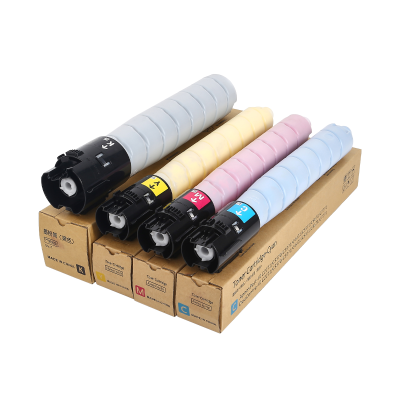
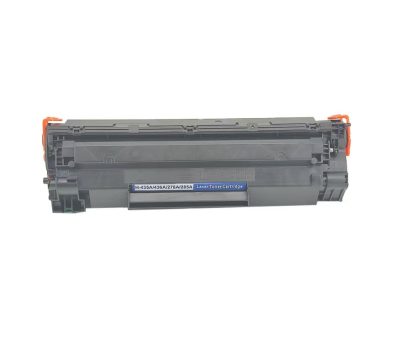
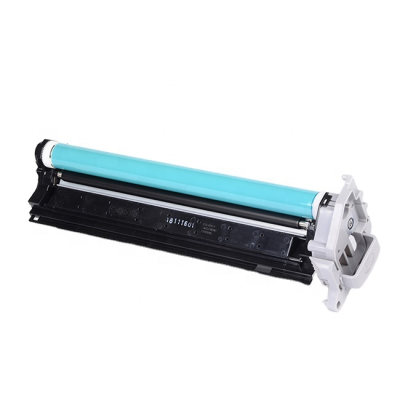
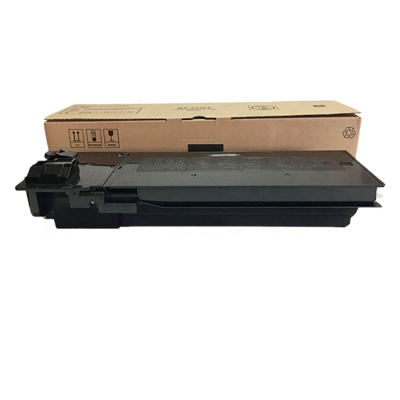
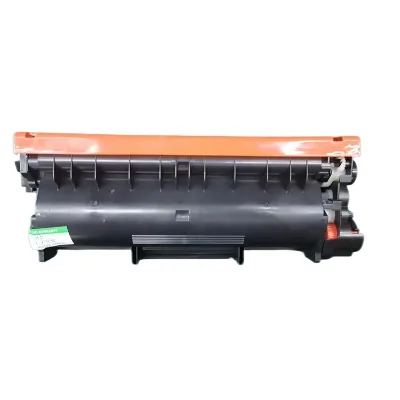
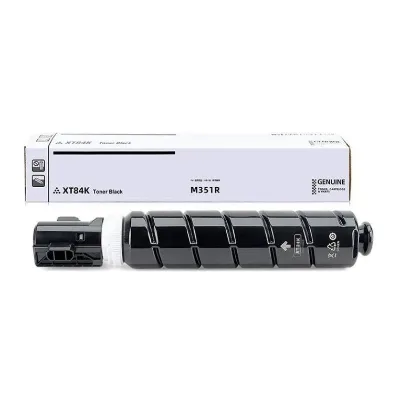
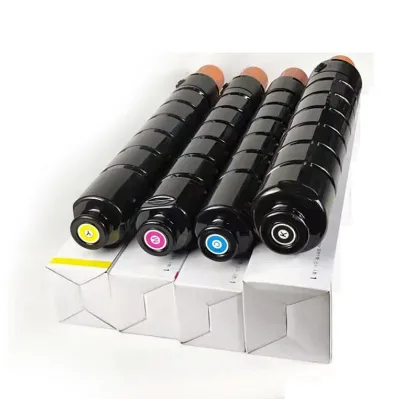
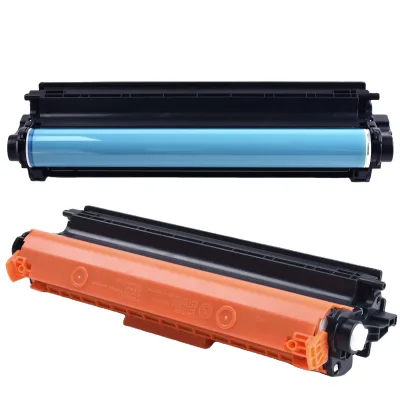
China Premium Toner Manufacturer Compatible Toner Cartridge Printer Toner From China
$3.0952 - $20.6358
MOQ: 1 Minimum
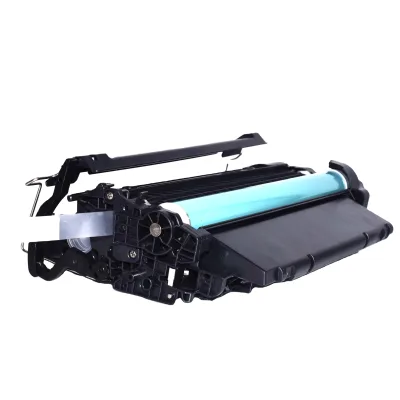
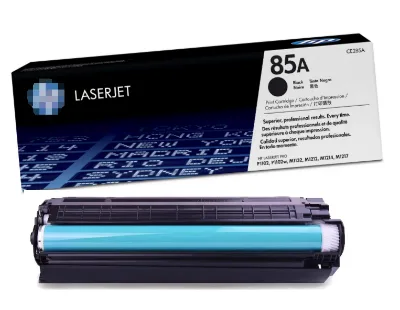
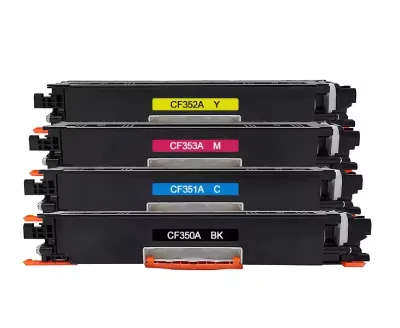
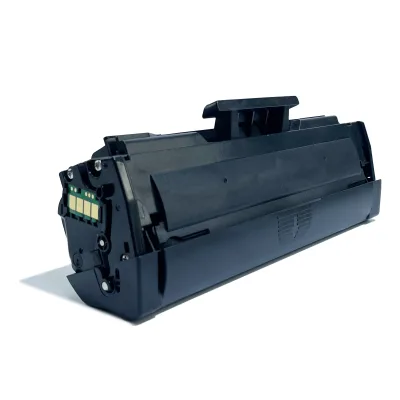
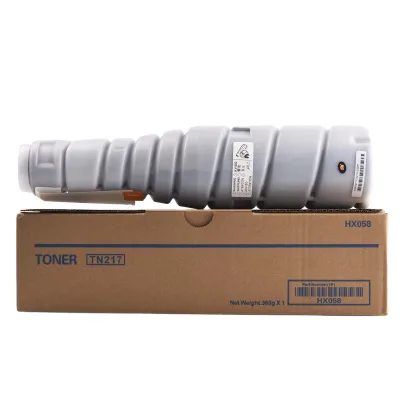
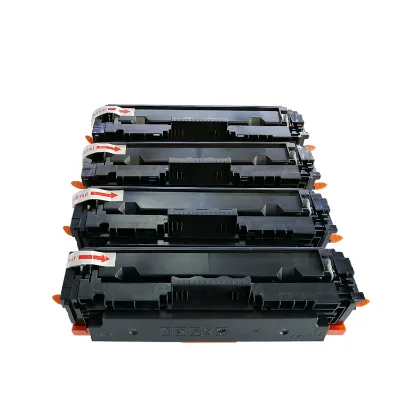

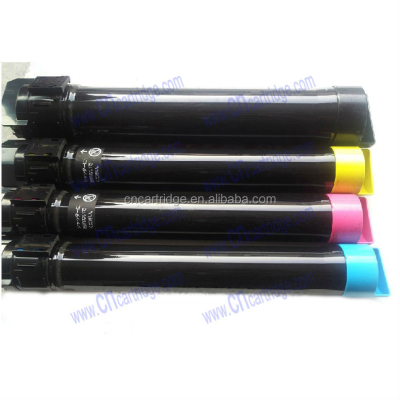
Comprehensive Sourcing Guide
Toner Cartridges Sourcing Guide
Sourcing Toner Cartridges requires a disciplined approach to aligning technical compatibility with commercial reliability. Buyers must navigate a fragmented market where generic and original components coexist, demanding precise verification of printer brand alignment. The observed product landscape includes options for major brands such as HP, Samsung, and Brother, indicating a broad but complex supply chain. Procurement teams need to establish clear criteria for compatibility to avoid operational disruptions in office environments.
This guide outlines the essential steps for evaluating suppliers and products based on observed market signals. It focuses on technical specifications, compliance documentation, and commercial terms that directly impact total cost of ownership. By adhering to these evidence-based procurement strategies, buyers can mitigate risks associated with poor print quality or supply chain delays. The following sections provide a structured framework for making informed decisions in the toner cartridge market.
Product Scope and Observed Listing Signals
The current market offers a diverse range of Toner Cartridges, with observed price points spanning from one to one hundred eighty thousand USD. This wide variance suggests significant differences in product class, volume, and supplier positioning. Buyers should interpret these figures as indicative of the broader market spectrum rather than a uniform pricing structure for standard units. Understanding this range helps in setting realistic budget expectations and identifying potential outliers in supplier quotations.
Minimum order quantities (MOQ) typically range from one to fifty pieces, offering flexibility for both small-scale trials and bulk procurement. Many suppliers indicate customization availability, allowing buyers to tailor products to specific operational needs. Shipping methods frequently include air cargo, sea freight, and express delivery, with lead times generally falling between three to seven workdays. These logistical parameters are critical for inventory planning and ensuring continuous printer operation without significant downtime.
Technical Specifications to Verify
Verifying model compatibility is the most critical technical step in sourcing Toner Cartridges. Observed listings highlight specific models such as 19A, 219A, 76A, 276A, and CE285A/85A for HP printers, alongside options for Samsung and Brother devices. Buyers must cross-reference these model numbers with their existing printer hardware to ensure seamless integration. Incorrect model selection can lead to hardware damage or suboptimal print performance, making precise identification essential before placing any order.
Additional technical attributes include the type of drum unit, with OPC drums being a common component in the observed inventory. Toner load capacity is another key specification, with some products listing a loaded weight of 675g, which influences yield and cost-per-page calculations. Buyers should also verify the origin of refill powders, such as those sourced from Japan, as this can impact print consistency and longevity. Confirming these details ensures that the purchased cartridges meet the required performance standards for high-volume printing environments.
Compliance and Safety Documentation
Quality standards play a pivotal role in determining the reliability of Toner Cartridges. Observed products frequently reference Grade A quality and specific standards such as ISO9001:2008 and ISO9001:ISO14001. Buyers should request valid certification documents to verify that suppliers adhere to recognized quality management systems. These certifications indicate a structured approach to production consistency and environmental responsibility, which are vital for maintaining brand reputation and operational efficiency.
Safety and regulatory compliance are equally important, with some listings mentioning SGS standards. Buyers must ensure that all imported Toner Cartridges meet the safety regulations of their destination country. This includes verifying that materials used in cartridge construction do not contain hazardous substances prohibited in local markets. Proper documentation not only facilitates smoother customs clearance but also protects the buyer from potential legal liabilities associated with non-compliant products.
Cost Drivers and Commercial Terms
Several factors influence the final cost of Toner Cartridges beyond the base unit price. The type of packaging, whether original, neutral, or OEM, can affect both the unit cost and the perceived value of the product. Buyers should consider the total cost of ownership, including shipping fees, customs duties, and potential returns due to quality issues. Understanding these cost drivers helps in negotiating better terms and selecting suppliers that offer the best value proposition.
Warranty and replacement policies are significant commercial terms that impact risk management. Observed listings often provide warranties ranging from one to twenty-four months, with some suppliers offering a one-to-one replacement policy. These terms provide a safety net against defective products, reducing the financial impact of quality failures. Buyers should clearly define warranty conditions and replacement procedures in their purchase agreements to ensure swift resolution of any issues that may arise during the product lifecycle.
Supplier Qualification and Quality Control
Evaluating supplier qualifications is essential for establishing a reliable supply chain. Buyers should verify the supplier's location, with observed origins including Shenzhen, Zhongshan, and Xiamen in China. Proximity to manufacturing hubs can influence lead times and communication efficiency. Additionally, checking for established business credentials and past performance records helps in assessing the supplier's stability and reliability. A qualified supplier should demonstrate consistent quality and adherence to agreed-upon specifications.
Quality control processes should be rigorously assessed before finalizing any procurement deal. Buyers should inquire about the supplier's internal testing procedures and quality assurance protocols. Observing the production process or requesting third-party inspection reports can provide valuable insights into the manufacturing standards. Establishing a clear quality control framework ensures that the delivered products meet the required specifications and reduces the likelihood of receiving defective or substandard Toner Cartridges.
Long-Term Procurement Checks
Building a sustainable procurement strategy requires ongoing monitoring and evaluation of supplier performance. Buyers should regularly review key performance indicators such as delivery times, product quality, and customer service responsiveness. Consistent performance in these areas indicates a reliable partnership, while deviations may signal underlying issues that need immediate attention. Regular audits and feedback loops help in maintaining high standards and fostering continuous improvement in the supply chain.
Adapting to market changes is crucial for long-term success in toner cartridge procurement. Buyers should stay informed about technological advancements and new product releases that may offer improved performance or cost savings. Maintaining a diversified supplier base can mitigate risks associated with single-source dependencies. By continuously evaluating and optimizing their procurement processes, buyers can ensure a steady supply of high-quality Toner Cartridges that support their operational goals and business growth.
FAQs
What printer brands are supported by these Toner Cartridges?
These Toner Cartridges are compatible with major printer brands including HP, Samsung, and Brother. Specific models such as 19A, 219A, 76A, and CE285A are available for HP Laserjet devices. Additionally, options exist for Brother and Toshiba E-Studio series printers, ensuring broad compatibility across different office equipment types.
Can I customize the packaging for bulk toner cartridge orders?
Yes, customization is available for bulk orders. Buyers can choose from original packing, neutral packing, or OEM packaging options. This flexibility allows businesses to maintain their brand identity or meet specific logistical requirements. The supplier supports various packing styles to suit different distribution and storage needs effectively.
What is the typical delivery time for toner cartridge shipments?
The typical delivery time ranges from 3 to 7 workdays depending on the specific product and shipping method. Options include air cargo, sea cargo, and express delivery services. This ensures timely availability for urgent restocking needs while offering flexible logistics solutions for standard inventory replenishment cycles across global markets.
What warranty and quality standards apply to these Toner Cartridges?
Products generally come with a one-year or 24-month warranty, depending on the specific model. Quality is rated as Grade A, and some items carry ISO9001 or SGS certifications. A 1:1 replacement policy is often provided, ensuring that buyers receive reliable performance and support for their printing operations.
What is the minimum order quantity for these Toner Cartridges?
The minimum order quantity is typically 1 piece, allowing for flexible purchasing. This low MOQ supports both trial orders and small-scale procurement needs. Buyers can start with single units to test compatibility and quality before committing to larger bulk orders, reducing initial investment risks for new suppliers or products.
Where are these Toner Cartridges manufactured and shipped from?
These Toner Cartridges are manufactured in China, with origins in cities like Shenzhen, Zhongshan, and Xiamen. The products are shipped via air cargo, sea freight, or express services. This geographic concentration ensures efficient supply chain management and competitive pricing for international buyers seeking reliable sourcing partners in the Asian manufacturing hub.