Source Touchscreen Lightweight Garden Gloves for Gardening, Electrical, and Household Tasks
Find and compare 30 options for Touchscreen Lightweight Garden Gloves designed for general purpose, gardening, and household electrical appliance tasks. These products feature customized sizes, colors, and logos with CE and EN388 certifications available from suppliers in Shandong, China.
Key considerations
Products List


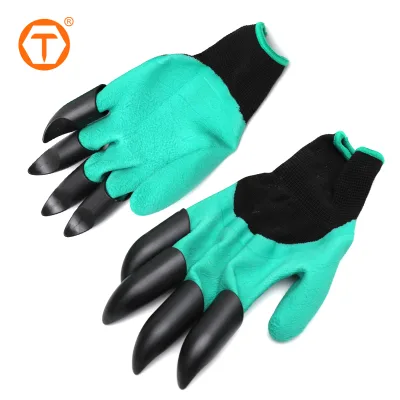
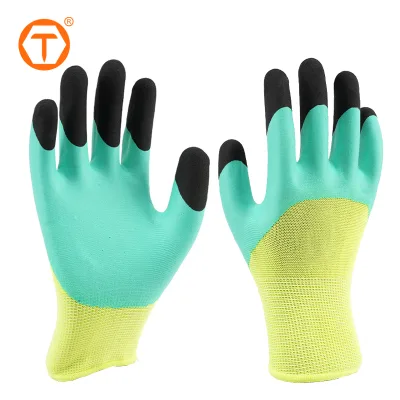
Flexible Touchscreen Winter Gloves Windproof Non-Slip Palm Lightweight Outdoor Gloves
$2.30 - $2.40
MOQ: 3000 Pairs
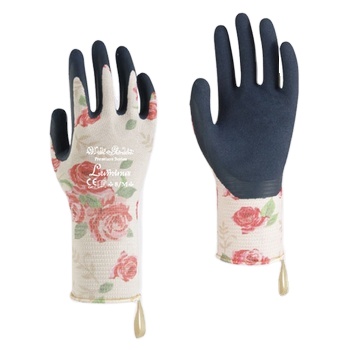
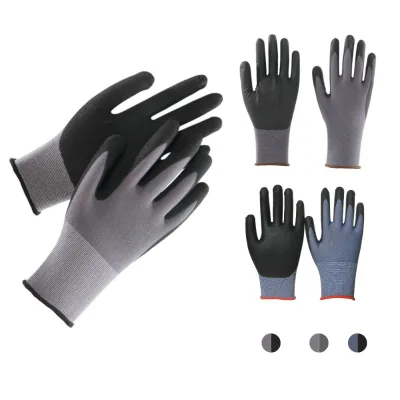
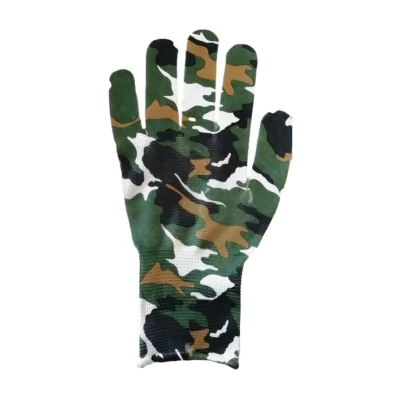


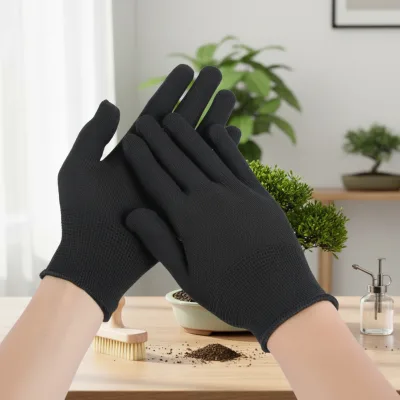




Comprehensive Sourcing Guide
Strategic Sourcing Guide for Touchscreen Lightweight Garden Gloves
Understanding the Product Category and Technical Specifications
When sourcing Touchscreen Lightweight Garden Gloves, buyers must first distinguish between general-purpose workwear and specialized equipment designed for precision tasks. The core product category encompasses gloves that balance protection with dexterity, allowing users to interact with capacitive screens while performing gardening or light industrial tasks. Based on observed market data, these products frequently utilize microfiber or polyester-based materials, often blended with leather or additional synthetic layers to enhance durability without sacrificing flexibility.
Technical specifications for this category vary significantly depending on the intended application. A common material composition observed in the market includes microfiber alone or a blend of polyester and microfiber. For more rugged applications, blends incorporating leather are available, offering a "leather palm" variant that provides superior abrasion resistance. The palm construction is a critical differentiator; suppliers may offer "padding palm," "reinforced palm," or "durable palm" options. These features directly influence the glove's ability to withstand friction and impact during gardening activities.
The sizing and fit are equally important for usability. While some models come in standard sizes, the market frequently supports "customized size" options to accommodate diverse hand dimensions. Length variations also exist, with some models described as "medium" length, while others may extend further for wrist protection. The thickness of the material is another key specification; "thickened" variants are available for heavy-duty tasks, whereas lightweight versions prioritize breathability and tactile sensitivity. The inclusion of a "breather" feature in the product description suggests an emphasis on ventilation to reduce hand fatigue during prolonged use.
Compliance, Certification, and Safety Standards
For B2B procurement, verifying compliance with international safety standards is non-negotiable. The primary certification observed in this product category is the CE mark, which indicates conformity with health, safety, and environmental protection standards for products sold within the European Economic Area. Specifically, the EN388 standard is a critical benchmark for mechanical risks, covering abrasion, cut, tear, and puncture resistance. While the EN388 standard is a recognized industry reference, buyers must verify that specific product listings explicitly state compliance with this standard rather than assuming it applies to all items in the category.
In addition to CE, some products may carry specific model numbers that correlate with their certification status, such as BSP-37 or BSP-43. These identifiers often serve as internal references for manufacturers to track specific production runs or material compositions. When evaluating suppliers, procurement teams should request test reports that validate the glove's performance against the claimed EN388 ratings. It is essential to understand that "CE" and "EN388" are not automatic guarantees; they must be substantiated by documentation provided by the manufacturer.
Safety features extend beyond certification to physical design elements. The "safety wrist" cuff is a common attribute designed to prevent debris from entering the glove and to ensure a secure fit. Reinforced wrists are also noted in several product descriptions, offering additional structural integrity. These features are particularly relevant for gardeners working in environments with sharp branches or abrasive soil. Buyers should ensure that the selected gloves meet the specific safety requirements of their operational environment, whether that involves general purpose tasks or more hazardous conditions.
Cost Drivers and Pricing Dynamics
The pricing of Touchscreen Lightweight Garden Gloves is influenced by a complex interplay of material costs, customization levels, and order volume. The observed price range in the market spans from approximately $0.07 to $10.00 per pair, reflecting the vast diversity in quality and specification. The lower end of this spectrum typically corresponds to basic microfiber or polyester models with minimal customization, while the higher end often includes premium blends, leather reinforcements, and extensive branding options.
Material composition is a primary cost driver. Gloves made from 100% polyester or simple microfiber blends generally cost less than those incorporating leather or advanced synthetic reinforcements. The "polyester+leather" combination, for instance, commands a higher price point due to the cost of raw materials and the complexity of the manufacturing process. Similarly, the inclusion of specialized features like "padding palm" or "reinforced palm" adds to the production cost, which is passed on to the buyer.
Customization is another significant factor affecting the final price. The availability of "customized color," "customized logo," and "customized packing" allows buyers to tailor products to their brand identity, but these services often incur additional charges. The minimum order quantity (MOQ) also plays a crucial role in unit pricing. MOQs observed in the market range from as low as 3 pairs to as high as 50,000 pairs. Generally, higher order volumes result in lower per-unit costs, making bulk purchasing a viable strategy for large organizations. However, buyers must balance the cost savings against inventory holding costs and storage requirements.
Typical Applications and Functional Requirements
Touchscreen Lightweight Garden Gloves are designed for a wide array of applications, ranging from domestic gardening to industrial maintenance. The "general purpose" classification indicates suitability for a broad spectrum of tasks, including planting, pruning, and general landscaping. For more specific needs, the market offers "gardening gloves" and "safety gloves" tailored to distinct environments. The "multi-purpose" designation suggests versatility, allowing these gloves to be used in household electrical appliance maintenance, gardening, and other light industrial tasks.
Functionality is paramount in this category. The "anti-scratch" and "wear-resistant" features are essential for protecting hands from thorns, sharp tools, and abrasive surfaces. The "durable" and "flexible" attributes ensure that the gloves can withstand repeated use without losing their shape or tactile sensitivity. The "breathable" nature of the material is particularly important for outdoor activities, as it helps regulate hand temperature and reduces sweat accumulation.
The touchscreen capability is a unique functional requirement that sets these gloves apart from traditional workwear. This feature allows users to operate smartphones, tablets, and other capacitive devices without removing the gloves, which is invaluable for gardeners who need to reference digital guides or communicate while working. The "non-disposable" nature of these gloves indicates they are designed for long-term use, making them a cost-effective solution for recurring tasks. Buyers should assess their specific operational needs to determine which combination of features—such as "anti-slip," "safety," or "flexible"—is most critical for their workforce.
Supplier Evaluation and Sourcing Strategy
Evaluating suppliers for Touchscreen Lightweight Garden Gloves requires a rigorous approach to ensure reliability and quality. The "OEM and ODM" service availability indicates that many manufacturers are capable of producing custom-branded products, which is beneficial for buyers seeking private label solutions. However, the presence of these services does not guarantee quality; buyers must verify the supplier's production capabilities and quality control processes.
Geographic origin is a key consideration in supplier selection. The majority of the observed products originate from Shandong, China, a region known for its textile and glove manufacturing infrastructure. While this location offers competitive pricing and a wide range of options, buyers should conduct due diligence to ensure the supplier adheres to international labor and environmental standards. The "free sample" and "offered sample" options are valuable tools for evaluating product quality before committing to a large order. Buyers should request samples to test the fit, durability, and touchscreen functionality firsthand.
When assessing suppliers, it is crucial to verify their ability to meet specific customization requirements. The "customized logo printing," "customized color," and "customized packing" options suggest a high degree of flexibility, but buyers must confirm that the supplier has the necessary equipment and expertise to execute these requests accurately. Additionally, the "carton" packing method is standard, but buyers should inquire about packaging durability and labeling requirements to ensure the product arrives in optimal condition.
Quality Control and Long-Term Procurement Considerations
Implementing a robust quality control (QC) strategy is essential for maintaining product consistency and minimizing risk. Buyers should establish clear acceptance criteria based on the observed specifications, such as material composition, palm reinforcement, and certification status. Regular inspections, including pre-shipment and in-process checks, can help identify defects early and prevent the distribution of substandard products. The "wear-resistant" and "durable" claims should be validated through physical testing to ensure they meet the buyer's performance expectations.
Long-term procurement considerations involve building a sustainable supply chain that can adapt to changing market demands. The "customized size" and "customized color" options provide flexibility for future product iterations, allowing buyers to respond to evolving customer preferences. However, maintaining a relationship with a supplier that offers these services requires clear communication and agreed-upon timelines. Lead times, while not explicitly detailed in the provided data, are a critical factor in supply chain planning. Buyers should negotiate realistic delivery schedules to avoid production delays.
The "free sample" policy offered by many suppliers is a strategic advantage for initial testing and relationship building. By leveraging this opportunity, buyers can assess the supplier's responsiveness and product quality before scaling up orders. Furthermore, the "non-disposable" nature of the gloves suggests a focus on sustainability and cost-efficiency over time. Buyers should consider the total cost of ownership, including replacement frequency and disposal costs, when selecting a supplier.
Comparison of Key Product Attributes
To facilitate informed decision-making, the following table summarizes the key attributes observed in the Touchscreen Lightweight Garden Gloves market. This comparison highlights the diversity of options available and assists buyers in matching product specifications to their specific needs.
| Attribute | Common Variations | Relevance to Buyer |
|---|---|---|
| Material | Microfiber, Polyester+Microfiber, Polyester+Leather, 100% Polyester | Determines durability, breathability, and cost. |
| Palm Type | Padding Palm, Reinforced Palm, Leather Palm, Durable Palm | Affects grip, protection, and tactile sensitivity. |
| Certification | CE, EN388 (Verified) | Ensures safety compliance and regulatory adherence. |
| Customization | Color, Logo, Size, Packing | Enables branding and fit optimization. |
| MOQ | 3 to 50,000 Pairs | Influences unit cost and inventory management. |
| Feature | Wear Resistant, Anti-Slip, Flexible, Breathable, Anti-scratch | Defines performance in specific working environments. |
| Origin | Shandong, China | Indicates manufacturing hub and potential logistics costs. |
By carefully analyzing these attributes and aligning them with operational requirements, buyers can make strategic sourcing decisions that enhance productivity and safety. The availability of diverse options, from basic microfiber models to advanced leather-reinforced variants, ensures that there is a suitable solution for every application. Ultimately, the success of the procurement process depends on thorough due diligence, clear communication with suppliers, and a commitment to quality assurance.
FAQs
Can I get free samples for Touchscreen Lightweight Garden Gloves?
Yes, free samples are available for many models in this category. Buyers can request these samples to verify fit and quality before placing bulk orders, though some suppliers may offer samples upon request rather than automatically.
What certifications do these gloves typically hold?
Many products carry CE and EN388 certifications to ensure safety compliance. These marks indicate conformity with European health and safety standards, but buyers should verify specific test reports for each model like BSP-37 or BSP-43.
Which customization options are available for these gloves?
Suppliers offer customized colors, logos, sizes, and packing solutions. This allows buyers to tailor the product to their brand identity, with options ranging from customized logo printing to specific carton packaging requirements.
How do material choices affect glove durability?
Materials like microfiber, polyester blends, and leather palms enhance wear resistance. Blends such as polyester plus microfiber or polyester plus leather provide different levels of flexibility and protection depending on the intended application.
What is the minimum order quantity for these gloves?
MOQs vary significantly, ranging from 3 pairs up to 50,000 pairs depending on the supplier. Specific models may have distinct requirements, such as 100 pairs for one model and 3,000 pairs for another.
Where are these gloves typically manufactured?
The majority of these products originate from Shandong, China. This region is a known hub for textile and glove manufacturing, offering competitive pricing and a wide variety of specifications for global buyers.