Source Toyota Oxygen Sensor for Engine Repair and Emissions Control
Find and compare 30 Toyota Oxygen Sensor listings suitable for engine repair, emissions control, and diagnostic replacement. Review specifications such as OE numbers 89465-24210 and 89467-12030, packaging details, and warranty terms to select the right component for your sourcing needs.
Key considerations
Products List


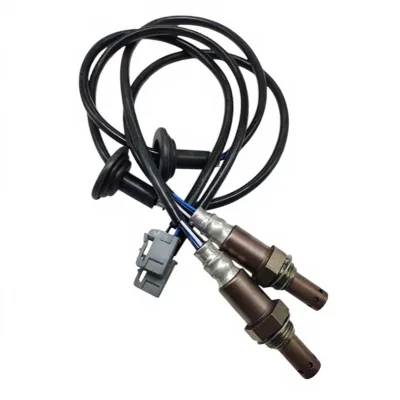
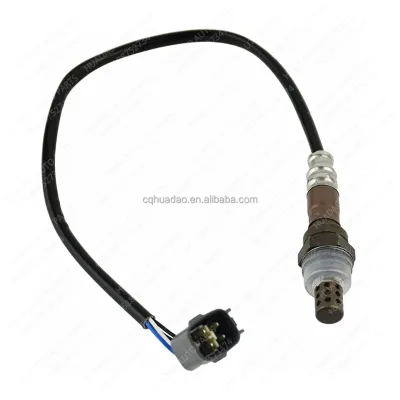
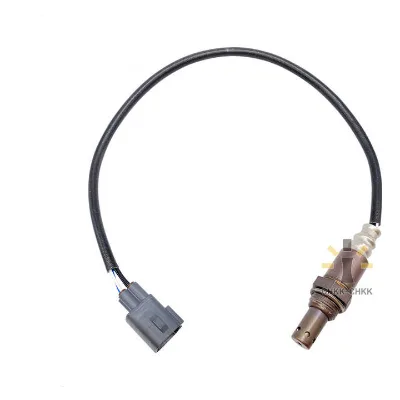
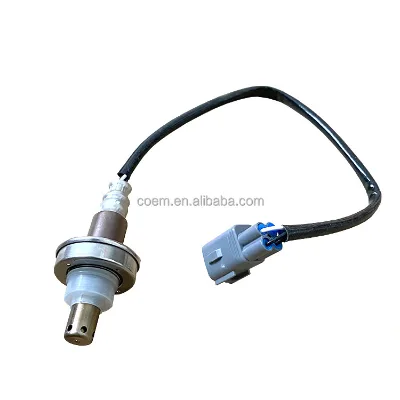
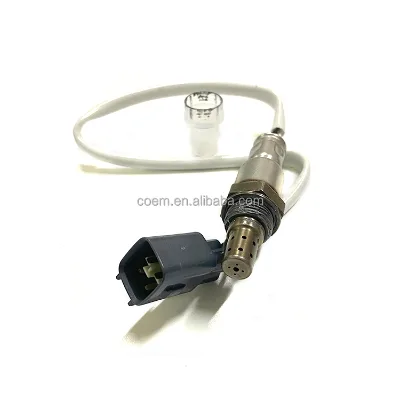
for Toyota Oxygen Sensor, Model 89465-68070, Air-Fuel Ratio Oxygen Sensor
$10.00 - $20.00
MOQ: 1 Pieces

Applicable to Toyota Oxygen Sensor, Model 89465-Bz240, Toyota Oxygen Sensor
$9.00 - $15.00
MOQ: 1 Pieces






Comprehensive Sourcing Guide
Toyota Oxygen Sensor Sourcing Guide
Sourcing replacement oxygen sensors for Toyota vehicles requires a disciplined approach to part identification and supplier verification. The supplied data indicates a primary focus on Toyota-specific fitment, with model numbers such as 89465-24210, 89467-12030, and 89465-68070 appearing frequently in listings. These part numbers correspond to specific exhaust system components, often identified as exhaust pipes or integrated sensor assemblies in the observed product attributes. Buyers must recognize that "Oxygen Sensor" is the stated product name, yet the associated chassis noise attributes and discharge standards suggest a broader exhaust system context. Therefore, the initial sourcing step involves cross-referencing the vehicle’s VIN or existing part number against the observed model codes to ensure mechanical and electrical compatibility.
The market signals observed in the supply chain highlight a concentration of products originating from Guangdong, China, with a significant portion labeled under generic or Chinese brand names. While the listings claim high-quality materials and digital sensor outputs, the absence of logo customization and the presence of neutral packing suggest a market driven by aftermarket replacement rather than OEM direct supply. Procurement teams should treat these listings as aftermarket solutions, verifying that the "Standard Specification" and "As picture shown" standards align with the specific Toyota model year and engine configuration. This distinction is critical, as exhaust system components often vary significantly between different Toyota platforms, and visual inspection alone may not guarantee functional equivalence.
Product Scope and Observed Listing Signals
The observed product range spans a wide variety of model numbers, including 89465-52370, 89465-48170, 89465-60210, and 89465-BZ240, indicating a broad inventory of exhaust-related components. The listings consistently describe the products as "New" condition with a "High Quality" attribute, yet the material is vaguely defined as a "Mixture" or "High Quality Material." This lack of specific metallurgical detail, such as stainless steel grade or ceramic composition, requires buyers to request detailed material certificates or technical datasheets before placing bulk orders. The presence of multiple model numbers under the same general product category suggests that suppliers may be aggregating various exhaust pipe and sensor variants, necessitating careful verification of the exact component type required for the specific Toyota chassis.
Packaging and logistics data provide additional context for the sourcing strategy. The observed packing methods include carton, box, and neutral packing, with single package sizes ranging from 10cm4cm2.9cm to 15X10X8 cm. These dimensions suggest that the products are relatively compact, likely facilitating efficient air freight via carriers like DHL, UPS, or FedEx, which are listed as available shipping ways. The single gross weight of 0.500 kg for some items indicates that shipping costs may be a significant factor in the total landed cost, especially for smaller orders. Buyers should calculate the volumetric weight against the actual weight to optimize freight selection, particularly when sourcing from Guangdong, China, to destinations in the Middle East or other primary markets.
Technical Specifications to Verify
Technical verification must begin with the model number and OE number alignment. The listings explicitly cite OE numbers such as 89465-24210 and 8946524210, which are critical for ensuring fitment. Buyers must verify that the listed model number matches the vehicle’s original equipment specification exactly, as even minor variations in sensor thread pitch, wire length, or connector type can lead to installation failures or engine management errors. The "Car Fitment" attribute is listed as Toyota, but this is a broad category. Procurement teams should confirm the specific Toyota model, engine displacement, and production year to ensure that the digital sensor output and aerodynamic noise characteristics of the replacement part match the original system’s requirements.
The discharge standard and noise source attributes provide further technical parameters to evaluate. The listings mention "Euro I" discharge standards and identify noise sources as "Mechanical Noise and Combustion" or "Aerodynamic Noise." While Euro I is an older emission standard, its presence in the listing may indicate the component’s design basis or a generic classification used by the supplier. Buyers should clarify whether the component meets the emission standards required for the vehicle’s market of registration, as using a part designed for a different regulatory environment could lead to compliance issues. Additionally, the "Transmission Noise" attribute under automobile chassis noise seems inconsistent with an oxygen sensor’s primary function, suggesting that the listing may be aggregating multiple exhaust system components. This discrepancy necessitates a direct request for a technical drawing or wiring diagram to confirm the component’s specific role and electrical interface.
Compliance and Safety Documentation
Certification status is a critical component of the compliance verification process. The observed data lists ISO9001 and CCC certifications, along with ISOCE and TS components. ISO9001 indicates a quality management system, which is a positive indicator for manufacturing consistency, but it does not guarantee that every individual sensor meets performance specifications. Buyers should request valid, up-to-date copies of these certificates and verify their scope to ensure they cover the specific manufacturing of oxygen sensors or exhaust components. The presence of CCC certification suggests compliance with Chinese compulsory product certification, which is relevant for domestic sales but may not be sufficient for export markets. Procurement teams must determine which additional certifications, such as EPA or CARB compliance for the US, or E-mark for Europe, are required for the target market.
Safety and environmental documentation must also be scrutinized. The "Discharge Standard" of Euro I and the "Production Process" of integration suggest a manufactured component, but buyers should inquire about the environmental impact of the materials used, particularly if the sensor contains precious metals or hazardous substances. The "Quality" attribute is listed as "High Quality," but this is a subjective claim. Buyers should request test reports or quality control records that demonstrate the sensor’s response time, voltage output stability, and durability under high-temperature conditions. Without objective test data, the "High Quality" label remains an unverified assertion, and relying on it for critical engine management components poses a risk of premature failure and vehicle downtime.
Cost Drivers and Commercial Terms
The observed price range of 1-60 USD and MOQ of 1-50 pieces indicate a flexible commercial structure suitable for both small-scale repairs and larger inventory replenishment. The "Wholesale Price" is listed as negotiable, suggesting that volume discounts or long-term partnership agreements can influence the final cost. Buyers should leverage this flexibility by requesting tiered pricing based on order quantity, especially if the annual requirement exceeds the lower MOQ thresholds. The payment methods listed, including T/T, PayPal, Western Union, MoneyGram, Cash, and others, offer various options, but buyers should prioritize secure payment methods that offer buyer protection, particularly when dealing with new or unverified suppliers.
Delivery time and logistics costs are additional cost drivers. The listed delivery time of about 3-5 working days is attractive for urgent repairs, but buyers should confirm whether this refers to production time or shipping time. For international shipments, transit times can significantly extend the total lead time. The use of neutral packing and standard packing may reduce packaging costs but could also increase the risk of damage during transit. Buyers should consider the cost of insurance and secure packaging for high-value sensor units. Additionally, the "Selling Units" as single items suggests that bulk orders may require careful consolidation to optimize shipping efficiency and reduce per-unit logistics costs.
Supplier Qualification and Quality Control
Supplier qualification should focus on verifying the manufacturing capabilities and quality control processes. The "Production Process" of integration and the "Material" of mixture or high-quality material require confirmation through factory audits or third-party inspections. Buyers should assess whether the supplier has in-house testing facilities for oxygen sensors, including functional testing of the digital sensor output and durability testing under simulated exhaust conditions. The "Brand Name" being listed as "Chinese Brand" suggests a generic manufacturer, which may offer cost advantages but requires rigorous quality assurance to ensure consistency. Procurement teams should request samples for initial testing before committing to larger orders, using the samples to verify fitment, electrical characteristics, and physical build quality.
Quality control documentation should include inspection reports, batch testing records, and warranty terms. The listed warranty of 6 months provides some protection against defects, but buyers should clarify the claims process and whether replacement parts are provided at no additional cost. The "Purpose" of the product is listed as "for replace/repair," which aligns with aftermarket applications, but buyers should ensure that the warranty covers both parts and labor if applicable. Regular quality audits and performance monitoring of the supplied sensors are essential to maintain vehicle reliability and customer satisfaction. Establishing a clear communication channel with the supplier for technical support and issue resolution is also critical for long-term procurement success.
Long-Term Procurement Checks
Long-term procurement strategies should include periodic reviews of supplier performance and product quality. Buyers should track the failure rate of the supplied oxygen sensors in the field and correlate this data with the supplier’s quality control metrics. If failure rates exceed acceptable thresholds, buyers should initiate corrective action requests or consider alternative suppliers. The "Main Market" of Middle East suggests that the supplier has experience in this region, but buyers should verify if the products are suitable for other markets with different environmental and regulatory conditions. Continuous monitoring of market trends and technological advancements in oxygen sensor technology is also important to ensure that the sourced components remain competitive and compliant.
Contractual agreements should be reviewed annually to ensure they reflect current market conditions and supplier capabilities. Terms related to pricing, delivery times, and quality standards should be renegotiated based on performance data and volume commitments. The "Customization" attribute being available suggests that suppliers may offer tailored solutions, which could be leveraged for specific vehicle models or market requirements. Buyers should explore these customization options to improve fitment and performance, while ensuring that any customizations are clearly documented and tested. Finally, maintaining a diversified supplier base can mitigate risks associated with supply chain disruptions and ensure continuity of supply for critical Toyota exhaust system components.
FAQs
What certifications do the oxygen sensors have?
The oxygen sensors hold ISO9001 and CCC certifications. Some listings also mention ISOCE and TS standards. These certifications ensure the products meet specific quality and safety requirements for automotive components.
Which Toyota models are compatible with these sensors?
These sensors are designed for Toyota vehicles. Specific part numbers like 89465-24210 and 89467-12030 indicate compatibility with various Toyota models. Always verify the OE number against your vehicle specifications before purchasing.
Can I request customization for these oxygen sensors?
Customization is available for these oxygen sensors. Buyers can request specific modifications or branding options depending on the supplier. However, some listings indicate that logo customization may not be available for all items.
How long is the delivery time for these products?
The delivery time is approximately 3 to 5 working days. This lead time applies to standard orders processed by the suppliers. Shipping methods include DHL, UPS, FedEx, and other logistics providers for international delivery.
What is the minimum order quantity for these sensors?
The minimum order quantity is 1 piece for many listings. Some suppliers may have an MOQ range up to 50 pieces depending on the specific product variant. Wholesale pricing is often negotiable for larger orders.
Where are these oxygen sensors manufactured?
These sensors are manufactured in China, specifically in Guangdong. The products originate from Chinese factories that produce automotive parts for global markets. The origin is clearly stated as China in the product specifications.
What warranty is provided for these oxygen sensors?
A 6-month warranty is provided for these oxygen sensors. This warranty covers defects in materials and workmanship under normal usage conditions. Buyers should retain proof of purchase to claim warranty services effectively.