Source Toyota Hiace Ceiling TV for Business, Luxury, and Transport
Explore 30 listings for the Toyota Hiace Ceiling TV, featuring options for business services, luxury interiors, and transport vehicles. Buyers can compare specifications like TV size, installation methods, and materials to find the right fit for their fleet needs.
Key considerations
Products List
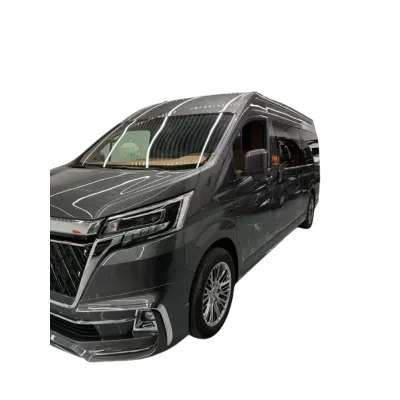
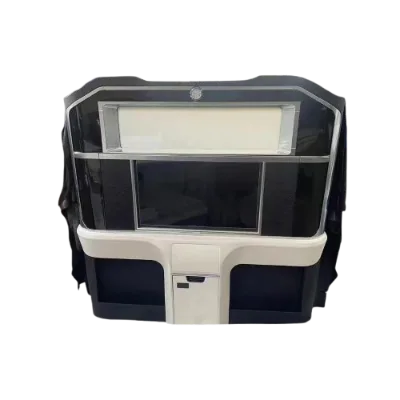
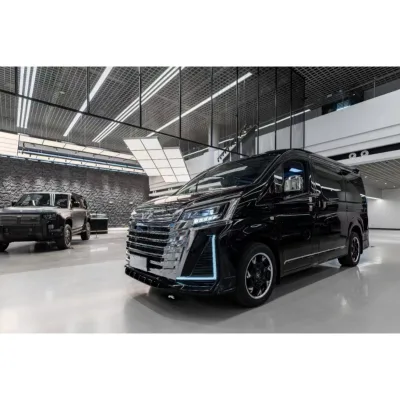
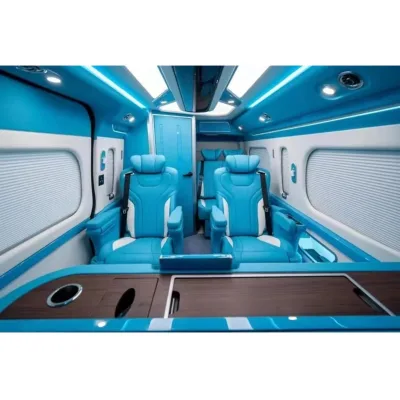


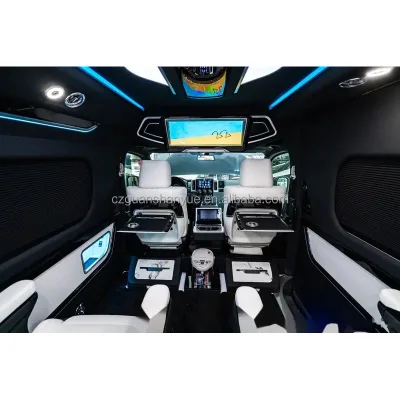
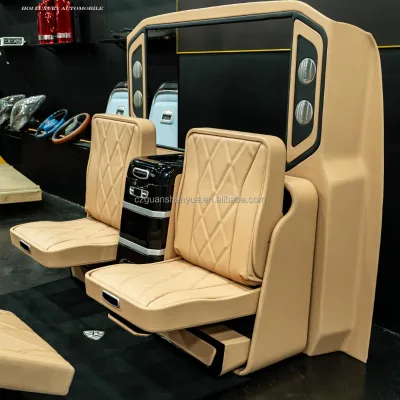
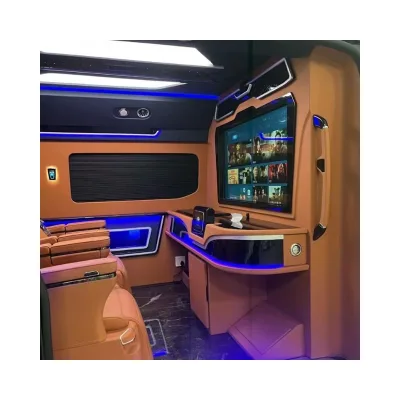
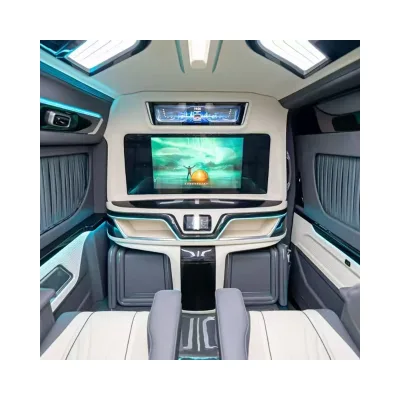

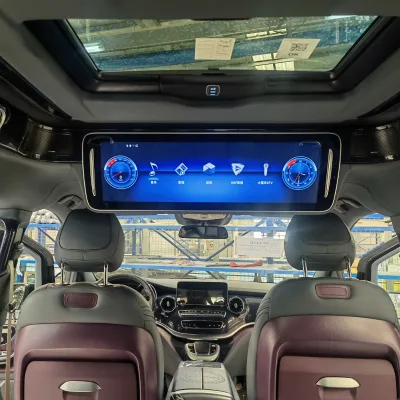


17.3 Inch Car Roof Mount MP5 Monitor 1080P Flip Down Bus Ceiling TV for Coach
$110.00 - $118.00
MOQ: 2 Pieces


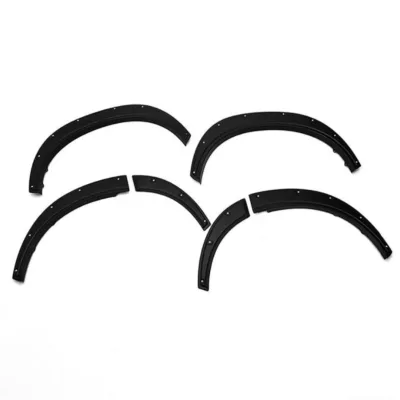
HIACE HOME Use for toyota Townace Lite ACE Van S403 Over Fender Fender Trim
$81.43 - $111.96
MOQ: 10 sets

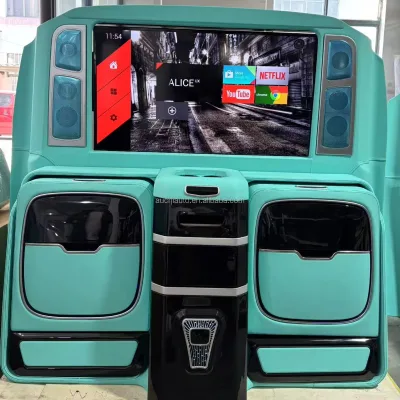


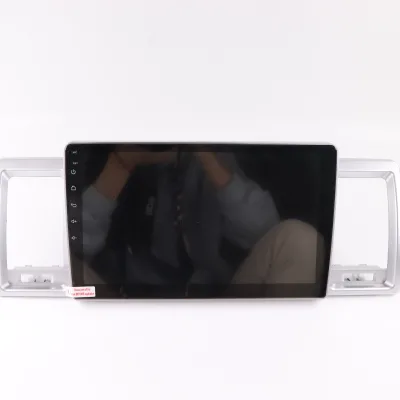
Comprehensive Sourcing Guide
Strategic Sourcing Guide for Toyota Hiace Ceiling TV Systems
The automotive aftermarket sector for luxury interior modifications has seen a significant surge in demand, particularly for the Toyota Hiace. This vehicle is widely utilized for executive transport, luxury shuttle services, and mobile offices, necessitating high-end interior upgrades. Among the most sought-after modifications is the ceiling-mounted television system. For procurement professionals, sourcing these units requires a disciplined approach that balances technical compatibility, material integrity, and supply chain reliability. This guide outlines the critical factors for acquiring ceiling TV systems tailored specifically for the Toyota Hiace, ensuring that buyers can navigate the market with confidence and precision.
Technical Specifications and Compatibility Analysis
When evaluating ceiling TV systems for the Toyota Hiace, the primary technical focus must be on physical fitment and functional integration. The market data indicates that specific models are engineered to fit the Toyota Hiace, alongside related vehicles such as the Mercedes Sprinter, Vito, and V-Class. Buyers must verify that the selected unit explicitly lists "Toyota Hiace" as a primary fitment to avoid installation failures. The physical dimensions of the unit are critical; observed specifications suggest that sizes can vary, with some units described by full partition dimensions while others are defined by specific screen sizes, such as a 29-inch TV.
The mounting mechanism is another vital technical specification. The observed product attributes highlight a "Lift up/down TV" function, which implies a motorized or manual lifting mechanism integrated into the ceiling panel. This feature is essential for reconfiguring the interior space, allowing the vehicle to transition from a media viewing mode to a standard passenger configuration. The installation method is frequently cited as "Easy Installation," suggesting that the design incorporates pre-drilled holes or modular mounting brackets compatible with the Hiace's roof structure. However, buyers should not assume universal compatibility without verifying the specific model number, such as the "AG Haice005" or "AG Haice LM 02," against their specific vehicle year and roof configuration.
Furthermore, the internal composition of the unit affects both weight and durability. Materials observed in this category include resin glass fibre, metal, leather, and ABS plastic. A unit constructed with a combination of metal and leather likely offers superior structural rigidity and a premium aesthetic, whereas ABS components may be used for internal housing or control interfaces. The power requirements for the lift mechanism and the display must also be confirmed to ensure they align with the vehicle's electrical system, particularly for mobile applications where power stability is paramount.
Material Integrity and Design Aesthetics
The visual and tactile quality of the ceiling TV system is a primary driver for luxury vehicle clients. The observed product attributes reveal a diverse range of color options, including Brown, Black, Beige, and Blue, often paired with white accents. The choice of material directly influences the perceived value and longevity of the installation. High-strength materials are essential for the structural frame to support the weight of the television and the lifting mechanism safely.
For the interior finish, leather and ABS are common choices. Leather finishes provide a soft, premium feel that aligns with the "Luxury" and "Business Services" styles observed in the market. These materials must be selected for their resistance to wear, UV degradation, and heat, as the vehicle interior can experience significant temperature fluctuations. The "Resin glass fibre" material noted in some listings suggests a focus on lightweight durability, which is beneficial for reducing the load on the roof structure.
Design styles range from "Business Services" to "Luxury," indicating that the aesthetic should match the intended use case of the vehicle. For executive transport, a seamless integration with the existing interior trim is crucial. The "FullPartition" specification suggests that some units are designed to be part of a larger interior partition system, effectively dividing the cabin. Buyers should ensure that the color and material of the TV unit match the existing interior palette, such as the "Blue+White" or "Beige" options, to maintain a cohesive design language. Customization options, including OEM logos and customized colors, are highly welcomed, allowing fleet operators to brand their vehicles effectively.
Compliance, Certification, and Safety Standards
Safety and regulatory compliance are non-negotiable in the automotive accessories sector. While the market offers a wide array of products, verifying that units meet recognized safety standards is a critical step in the procurement process. The observed data mentions certifications such as TUV and GS. These are significant indicators of quality and safety compliance, particularly for electrical components and structural integrity.
TUV certification typically indicates that the product has undergone rigorous testing for safety, electromagnetic compatibility, and performance. GS certification, a German safety mark, implies that the product meets specific safety requirements and has been tested by an accredited body. Buyers should request valid certification documents for any unit they intend to purchase, ensuring that the certification applies to the specific model number and batch. Relying on unverified claims can lead to liability issues, especially if the lifting mechanism fails or if electrical components cause a short circuit.
In addition to third-party certifications, buyers must consider local regulations regarding vehicle modifications. Different jurisdictions have varying rules about ceiling-mounted equipment, particularly regarding weight distribution and emergency egress. The "Fixing" installation method mentioned in the product attributes suggests a permanent or semi-permanent attachment, which must not obstruct emergency exits or compromise the structural integrity of the vehicle roof. It is advisable to consult with local automotive authorities to ensure that the installed ceiling TV system complies with all regional safety codes.
Cost Drivers and Pricing Structure
The pricing for Toyota Hiace Ceiling TV systems varies significantly, with observed ranges spanning from $0.48 to $37,000. This wide disparity reflects differences in complexity, material quality, and included features. The lower end of the price spectrum may correspond to basic components or partial kits, while the higher end likely includes fully integrated luxury partitions, high-definition displays, and advanced motorized lifting systems.
Several factors drive the cost of these systems. First, the material composition plays a major role; units utilizing metal, leather, and high-grade ABS will command a higher price than those made primarily of plastic or resin. Second, the functionality of the lift mechanism affects the cost; motorized systems with remote controls and safety sensors are more expensive than manual lift options. Third, the level of customization, such as OEM branding, specific color matching, and tailored partition designs, adds to the overall price.
Buyers should also consider the Minimum Order Quantity (MOQ) and its impact on unit pricing. Observed MOQs range from 1 set to 1000 units. For small fleet operators or individual buyers, an MOQ of 1 is advantageous, allowing for single-unit procurement without significant inventory commitment. However, larger orders may benefit from volume discounts, though the specific discount structure must be negotiated directly with suppliers. It is essential to request a detailed breakdown of costs to understand what is included in the price, such as installation hardware, warranty coverage, and shipping.
Supplier Evaluation and Service Capabilities
Selecting the right supplier is as important as selecting the right product. The observed product attributes highlight several service-oriented features, including "On-time" shipment, "Top" quality, and "One Stop" service. These claims indicate a supplier's commitment to reliability and comprehensive support. Buyers should verify these claims by reviewing the supplier's track record, asking for references from previous clients, and checking their response time to inquiries.
The "One Stop" service capability suggests that the supplier can handle multiple aspects of the procurement process, from product selection and customization to logistics and after-sales support. This is particularly valuable for complex projects involving full interior partitions. Additionally, the availability of "OEM/ODM" services allows buyers to tailor the product to their specific needs, such as custom logos or unique color schemes.
Lead time is another critical factor in supplier evaluation. The observed delivery time ranges from 7 to 15 days, which is relatively short for customized automotive parts. However, buyers should confirm this timeline with the specific supplier, as it may vary based on the complexity of the order and current production capacity. A supplier with a consistent track record of meeting delivery deadlines is essential for maintaining project schedules, especially for fleet deployments.
Quality Control and Long-Term Procurement Considerations
Ensuring consistent quality is paramount when sourcing automotive accessories. The "Top" quality attribute observed in the product listings should be treated as a claim that requires verification. Buyers should implement a robust quality control process, which may include requesting pre-shipment samples, conducting factory audits, or engaging third-party inspection services. Key areas to inspect include the structural integrity of the lifting mechanism, the durability of the materials, and the functionality of the electrical components.
Long-term procurement considerations also involve the warranty and after-sales support. The observed data mentions a "1 Year" warranty, which provides a baseline for product reliability. Buyers should clarify the terms of this warranty, including what is covered, the process for filing claims, and the availability of replacement parts. For fleet operators, having a reliable supply chain for spare parts and maintenance services is crucial to minimize vehicle downtime.
Furthermore, the customization options available, such as "Customized Logo" and "Available Customization," offer opportunities for branding and differentiation. However, buyers should ensure that the customization process does not compromise the quality or safety of the product. It is advisable to establish clear specifications and approval processes for any custom elements before production begins.
Conclusion
Sourcing ceiling TV systems for the Toyota Hiace requires a meticulous approach that addresses technical fitment, material quality, compliance, and supplier reliability. By focusing on the specific model numbers, verifying certifications like TUV and GS, and understanding the cost drivers, buyers can make informed decisions that align with their operational needs. The wide range of options available, from basic units to luxury partitions, offers flexibility for various use cases, but careful evaluation is necessary to ensure that the selected product meets the highest standards of safety and performance. With the right supplier partnership and a clear understanding of the product specifications, buyers can successfully enhance the value and functionality of their Toyota Hiace fleet.
FAQs
What materials are used for Toyota Hiace Ceiling TV units?
Materials include resin glass fibre, metal, leather, and ABS plastic. Some units combine metal and leather for structural rigidity, while others use ABS for internal housing. Buyers should verify the specific material composition to ensure durability and aesthetic match.
Which certifications should I look for in these systems?
Look for TUV and GS certifications as indicators of safety and quality compliance. These marks suggest the product has undergone rigorous testing for electrical safety and structural integrity. Always request valid certification documents for the specific model before purchasing.
How long is the delivery time for these products?
The standard delivery time ranges from 7 to 15 days. This timeline applies to customized automotive parts but may vary based on production capacity. Confirm the exact lead time with the supplier to ensure it aligns with your project schedule.
Can I customize the logo and color of the unit?
Yes, OEM logos and customized colors are highly welcomed and available. Suppliers offer customization options to match specific fleet branding or interior palettes. Ensure clear specifications are established before production begins to avoid quality compromises.
What is the minimum order quantity for these units?
The minimum order quantity ranges from 1 set to 1000 units depending on the supplier. An MOQ of 1 allows for single-unit procurement without significant inventory commitment. Larger orders may benefit from volume discounts negotiated directly with the supplier.
Which vehicles are compatible with these ceiling TV systems?
These systems fit the Toyota Hiace, Mercedes Sprinter, Vito, and V-Class. Verify that the specific model number explicitly lists your vehicle as a primary fitment. This ensures proper installation and avoids compatibility failures with your vehicle's roof structure.
What warranty is provided for the ceiling TV system?
A standard warranty of 1 year is typically provided for these products. This baseline covers product reliability but terms vary by supplier. Clarify the warranty coverage, claims process, and spare parts availability to ensure long-term support for your fleet.