Source Toyota Sienna Hybrid for Family, Commercial, and Touring
Compare 30 listings of the Toyota Sienna Hybrid with varying specifications including fuel type, seating capacity, and power output. Buyers can evaluate options for family transport, commercial use, and touring applications based on observed mileage and service life data; compare the available evidence and request quotations based on your requirements.
Key considerations
Products List


Hot Sienna MPV Toyota Cars 2.5L E-CVT Automatic Hybrid 7 Seats Family Business Vehicles
$37200.00 - $41200.00
MOQ: 1 Pieces

Toyota MPV Sienna Large Space Gas-Electric Hybrid MPV Car 7 Seaters New Energy Automobiles
$37200.00 - $41200.00
MOQ: 1 Pieces


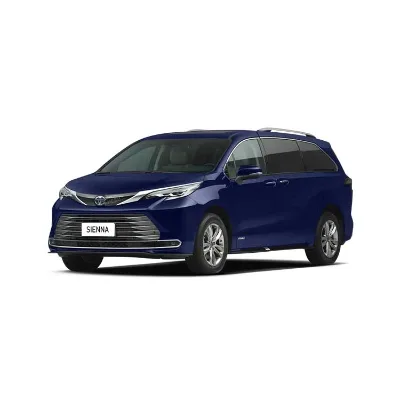

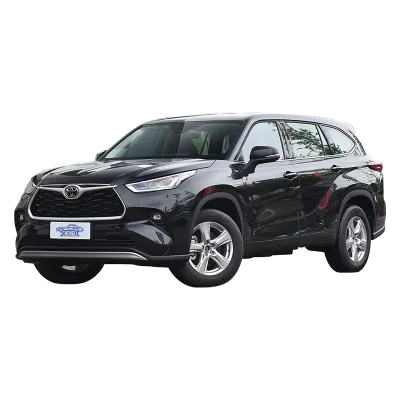
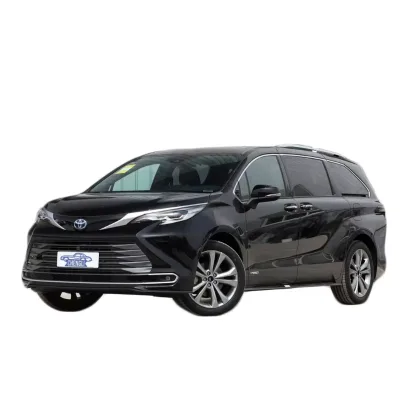
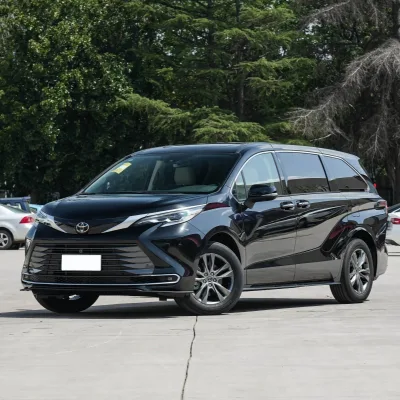

Used Car 2021 Toyota- Sienna 2.5L Hybrid E-CVT Premium MPV 7-Seats
$32999.00 - $36999.00
MOQ: 1 Pieces

Used Car 2021 Toyota- Sienna 2.5L Hybrid E-CVT Comfort Edition 7-Seat MPV
$32999.00 - $37999.00
MOQ: 1 Pieces

Used Car 2024 Toyota- Sienna 2.5L Hybrid E-CVT Supreme Edition 7-Seat MPV
$41999.00 - $43999.00
MOQ: 1 Pieces

Used Car 2024 Toyota- Sienna 2.5L Hybrid E-CVT Platinum Edition 7-Seat MPV
$43999.00 - $46999.00
MOQ: 1 Pieces

Used Car 2024 Toyota- Sienna 2.5L Hybrid E-CVT Comfort Edition 7-Seat MPV
$34999.00 - $46999.00
MOQ: 1 Pieces

Used Car 2024 Toyota- Sienna 2.5L Hybrid E-CVT Awd Luxury Edition 7-Seat MPV
$38999.00 - $41999.00
MOQ: 1 Pieces


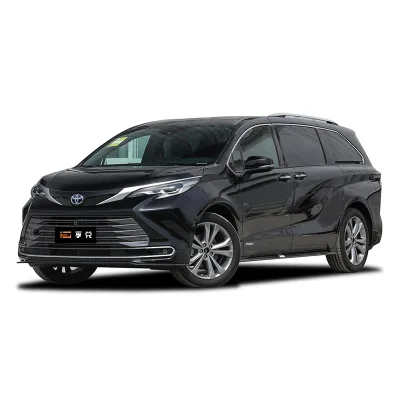
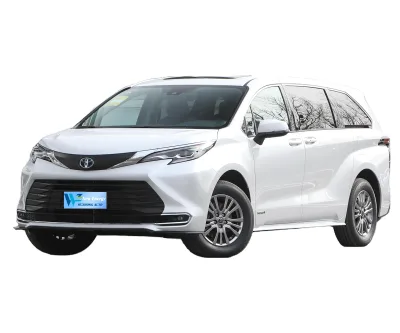
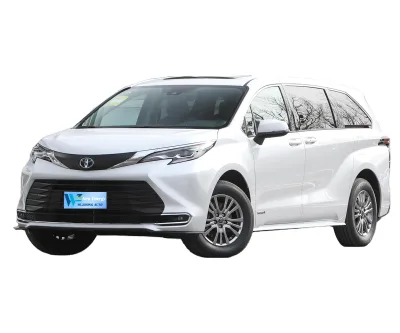
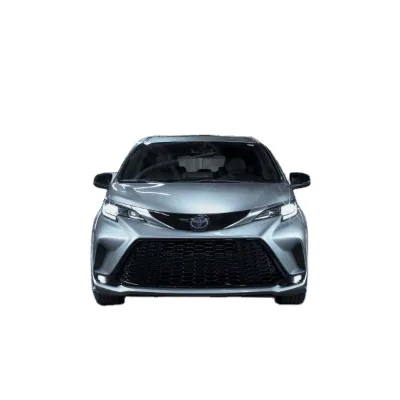
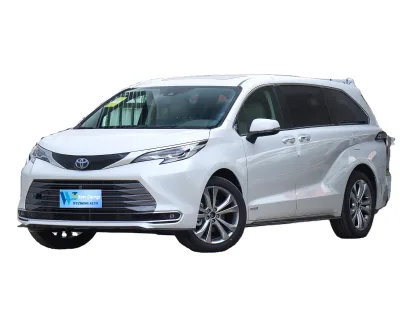
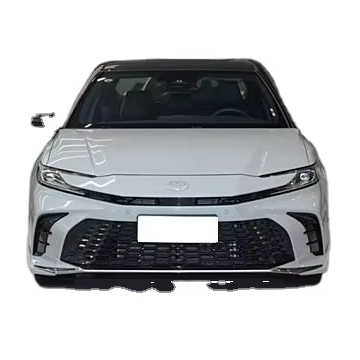

Used Toyota Sienna 2023 Model 2.5L Hybrid Comfort Edition Vehicle SUV
$33571.00 - $40285.00
MOQ: 1 units

Used SUV Toyota Sienna 2.5L 2023 Hybrid Comfort Editionon Auto Vehicle
$33571.00 - $40285.00
MOQ: 1 units


Comprehensive Sourcing Guide
Toyota Sienna Hybrid Sourcing Guide
Sourcing a Toyota Sienna Hybrid requires careful navigation of the current B2B automotive marketplace, where listings often blend distinct vehicle categories and specifications. Buyers must distinguish between the actual hybrid MPV models and other SUV or sedan listings that may appear in aggregated search results. The core keyword suggests a focus on the seven-seater family vehicle, yet observed data includes various types such as medium SUVs and sedans with different engine displacements and fuel types. This discrepancy highlights the need for rigorous verification of the specific model year, drivetrain configuration, and seating capacity before initiating any procurement process.
The procurement strategy should prioritize suppliers who provide transparent, verifiable details about the vehicle’s origin and condition. While some listings indicate a Chinese origin and container shipping methods, others suggest different packing standards like flat rack shipments. Buyers should focus on establishing clear communication channels to confirm whether the vehicle is a new unit, a used import, or a refurbished model. Understanding the true nature of the supply chain is essential for managing expectations regarding delivery timelines, import regulations, and the overall total cost of ownership for fleet or personal use.
Product Scope and Observed Listing Signals
The observed product scope reveals a wide variance in vehicle attributes, ranging from medium SUVs to sedans and MPVs, which complicates the identification of the true Toyota Sienna Hybrid. Listings show diverse specifications, including gasoline-only engines, hybrid systems, and varying displacement ranges from 1.6L to 2.6L. This inconsistency suggests that many search results may include unrelated models or generic templates. Buyers must scrutinize each listing to confirm the presence of the specific hybrid powertrain and the seven-seat configuration that defines the Sienna, rather than accepting broad categorizations that may include four-cylinder sedans or two-wheel-drive SUVs.
Price and minimum order quantity signals further indicate a fragmented market with single-unit procurement options. The observed price range spans from $8,900 to $55,700, reflecting differences in vehicle age, condition, and specific trim levels. Most listings show an MOQ of one, suggesting that individual buyers can procure units without needing to commit to large fleet orders. However, the wide price variance necessitates a detailed comparison of included features, such as all-wheel drive capabilities, advanced safety systems, and interior amenities, to ensure that the quoted price aligns with the actual value and specifications of the vehicle being offered.
Technical Specifications to Verify
Verifying technical specifications is critical to ensuring the vehicle meets operational requirements, particularly regarding the hybrid powertrain and dimensions. Buyers should confirm the exact engine displacement, with observed data pointing to a 2.5L engine in some listings, and verify the combined fuel consumption rates, which may vary between 4.1L/100km and 5.97L/100km depending on the specific model year and driving cycle. It is essential to distinguish between the system maximum power and the engine-only output, as hybrid systems often list combined figures that differ significantly from traditional internal combustion engine specifications.
Dimensional accuracy and drivetrain configuration are equally important for logistics and usage planning. The wheelbase and overall dimensions, such as a wheelbase of 2850mm for SUV variants or 3060mm for MPVs, directly impact cargo capacity and garage fitment. Buyers must verify whether the vehicle is front-wheel drive or all-wheel drive, as this affects traction performance and fuel efficiency. Additionally, confirming the braking system type, whether hydraulic, mechanical, or electromagnetic, ensures compatibility with maintenance protocols and safety standards required for the intended usage environment.
Compliance and Safety Documentation
Compliance with emission standards is a primary concern for international buyers, with observed listings citing China VI standards. Buyers must verify if the vehicle meets the emission regulations of their destination country, as standards vary significantly between regions. Documentation should include proof of compliance, such as certificates of conformity or environmental compliance certificates, to facilitate customs clearance and registration. Without proper documentation, buyers risk facing penalties, vehicle rejection, or additional costs for retrofitting or alternative registration pathways.
Safety and structural integrity documentation must also be thoroughly reviewed to ensure the vehicle meets local safety requirements. Buyers should request detailed inspection reports that cover the body structure, braking performance, and electrical system health, especially for used or imported units. For hybrid vehicles, specific documentation regarding high-voltage battery health and safety is crucial to assess long-term reliability and warranty coverage. Ensuring that all safety features, including airbags, stability control, and advanced driver assistance systems, are functional and documented is essential for protecting occupants and meeting legal obligations.
Cost Drivers and Commercial Terms
Several factors influence the total cost of procurement, including shipping method, vehicle condition, and import duties. Observed packing methods range from container shipping to flat rack shipments, each with different cost implications and handling requirements. Buyers should calculate the total landed cost by including freight, insurance, customs duties, and any potential tariffs that may apply to hybrid vehicles in their jurisdiction. Understanding these cost drivers helps in budgeting accurately and avoiding unexpected expenses that can erode the financial benefits of sourcing from international markets.
Commercial terms such as payment methods, warranty provisions, and after-sales support significantly impact the procurement risk. Buyers should negotiate clear terms regarding payment milestones, ensuring that payments are linked to verifiable milestones such as production completion, shipment, and delivery. Warranty coverage for hybrid components, particularly the battery and electric motor, should be explicitly defined, including the duration and scope of coverage. Additionally, clarifying the availability of spare parts and technical support in the destination country is essential for maintaining the vehicle’s operational efficiency over its service life.
Supplier Qualification and Quality Control
Supplier qualification is paramount to mitigating risks associated with international vehicle procurement. Buyers should conduct thorough due diligence on suppliers, verifying their business licenses, export history, and customer reviews. It is advisable to request references from previous buyers to assess the supplier’s reliability and the quality of their vehicles. Establishing a strong relationship with a reputable supplier can lead to better pricing, priority access to inventory, and improved support throughout the procurement process.
Quality control measures should be implemented at multiple stages, including pre-shipment inspections and post-delivery verification. Buyers should consider hiring third-party inspection agencies to conduct comprehensive checks on the vehicle’s mechanical condition, electrical systems, and cosmetic appearance before payment is finalized. For hybrid vehicles, specialized testing of the battery health and hybrid system performance is recommended to ensure long-term reliability. Implementing a robust quality control protocol helps in identifying and resolving issues early, reducing the risk of receiving a vehicle that does not meet the agreed-upon specifications.
Long-Term Procurement Checks
Long-term procurement success depends on establishing a framework for continuous monitoring and evaluation of vehicle performance and supplier reliability. Buyers should track key performance indicators such as fuel efficiency, maintenance costs, and downtime to assess the vehicle’s operational efficiency over time. Regular reviews of these metrics can help in identifying potential issues early and making informed decisions about future procurement or fleet expansion. Maintaining detailed records of vehicle history and maintenance logs is essential for maximizing resale value and ensuring compliance with warranty requirements.
Building a sustainable supply chain involves fostering ongoing relationships with suppliers and staying informed about market trends and regulatory changes. Buyers should regularly communicate with their suppliers to discuss performance feedback, address any emerging issues, and explore opportunities for improved terms or new models. Staying updated on changes in emission standards, import regulations, and hybrid technology advancements is crucial for adapting procurement strategies to meet evolving market demands. By maintaining a proactive approach to supplier management and vehicle monitoring, buyers can ensure long-term value and operational success.
FAQs
What is the service life of the Toyota Sienna Hybrid?
The service life ranges from 1 to 3 years for some models and extends to 3 to 6 years for others. This variation depends on the specific vehicle configuration and usage conditions provided in the product listing.
Which fuel types are available for the Toyota Sienna Hybrid?
Available fuel types include gasoline, hybrid, and a combination of hybrid and gasoline. Specific models may utilize a 1.8L engine with a motor or a 2.5L engine depending on the variant selected from the inventory.
How is the braking system configured in these vehicles?
The braking systems vary across listings, featuring hydraulic, mechanical, and electromagnetic configurations. Buyers should verify the specific system type required for their intended application before finalizing any procurement decision.
Can I find a Toyota Sienna Hybrid with automatic transmission?
Yes, automatic gearboxes are available for the Toyota Sienna Hybrid models listed. These vehicles are designed for family use and often feature a 2.5L engine with a maximum power output of 139kw.
What is the wheelbase dimension for the Toyota Sienna Hybrid?
Wheelbase dimensions vary between 2850mm and 3060mm depending on the specific model variant. The larger wheelbase is typically associated with the MPV class vehicles listed in the product specifications.
Which emission standard do these vehicles meet?
The vehicles listed meet the China VI emission standard. This ensures compliance with specific environmental regulations for the markets where these used or new models are being sourced and distributed.
How is the Toyota Sienna Hybrid packed for shipping?
Packing methods include container shipping, container film wrapping, and flat rack container shipment. The specific packing method depends on the vehicle type and the logistics requirements of the supplier.