Source Toyota Yaris Long Block Engine for Cars, Trucks, and Engines
Find and compare 30 available options for the Toyota Yaris Long Block Engine. Buyers can review specifications such as cylinder count, fuel type, and warranty terms to select the right unit for automotive repair or replacement needs.
Key considerations
Products List


Manufacturer 2.0L 1az 1az-Fe Engine Long Block for Toyota Engine Assembly
$950.00 - $1050.00
MOQ: 2 Pieces

Good Price Car Engine Complete 2.5L 2ar 2ar Fe Long Block for Toyota Camry
$1480.00 - $1550.00
MOQ: 2 Pieces

Brand New Motor 2.4L 2az Aluminum Engine Long Block for Toyota Camry
$1199.00 - $1280.00
MOQ: 2 Pieces


Toyota Motor Engine Model 5A Long Block Cylinder Head 1.5 Displacement Car Engine
$590.00 - $600.00
MOQ: 1 Pieces
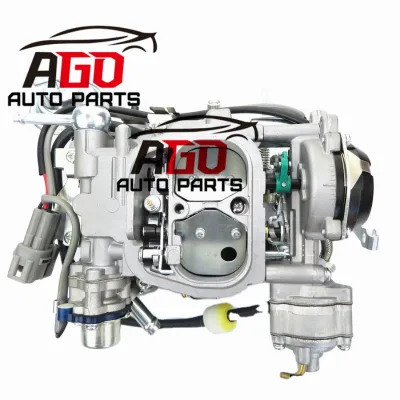
AGO Engine Valve toyota 2.7 l 3rz Moteur Occasion Engine Block Long Block for toyota Hiace
$1100.00 - $1200.00
MOQ: 1 pieces


Diesel Motor Engine for Toyota Yaris New 4 Cylinder 1.3L 2sz-Fe Long Block Engine
$10.00 - $100.00
MOQ: 1 Pieces


1zr Engine Assembly for Toyota Corolla Auris 1.6L 1zr Long Block Engine
$1.00 - $1000.00
MOQ: 1 Pieces


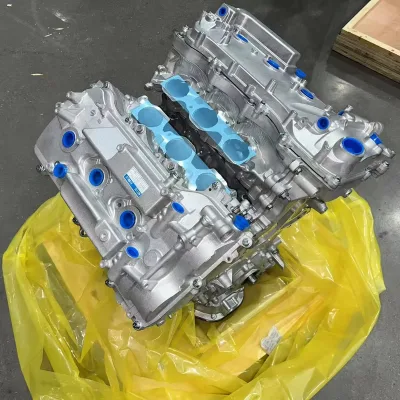


1az 2.0L Long Block Car Engine Motor Engine for Toyota Camry Bare Engine
$798.00 - $1198.00
MOQ: 1 Pcs

Comprehensive Sourcing Guide
Toyota Yaris Long Block Engine Sourcing Guide
Sourcing a long block engine for the Toyota Yaris requires a disciplined approach to matching specific engine codes with the vehicle's original equipment manufacturer (OEM) specifications. The market offers a diverse range of options, from remanufactured units to brand new assemblies, each carrying distinct implications for vehicle performance and longevity. Buyers must navigate a landscape where model identifiers like 1AZ-FE, 2AR, and 2KD appear alongside generic descriptions, necessitating a rigorous verification process to ensure the component fits the specific Yaris generation and engine bay configuration.
The procurement process is further complicated by the variation in engine types, including gasoline and diesel variants, as well as differences in cylinder counts and stroke configurations. While some listings highlight high-speed capabilities and electric start systems, others may specify kick-start mechanisms or non-turbocharged air intake systems. Understanding these technical divergences is critical before engaging with suppliers, as the wrong engine block can lead to incompatibility issues that render the unit unusable in the target vehicle, regardless of its price or condition.
Product Scope and Observed Listing Signals
The current market for Toyota Yaris long block engines presents a wide spectrum of product attributes, with observed listing prices ranging from $1 to $3,950 USD. This significant variance often reflects differences in engine condition, such as whether the unit is brand new or remanufactured, as well as the specific engine model and displacement. Buyers should expect to encounter listings for engines with displacements between 2.0 and 3.0 liters, including specific models like the 1AZ-FE and 2LT, which are frequently associated with Toyota's compact vehicle lineup.
Minimum Order Quantities (MOQ) in this sector typically range from 1 to 5 units, with some suppliers setting a standard MOQ of 2 pieces. This flexibility allows small workshops and individual buyers to procure single units, while larger fleets can negotiate bulk orders. The packaging is often listed as neutral or neutral packing, indicating that the product arrives without branded external boxes, which is common for aftermarket and remanufactured engine blocks intended for direct installation or further refurbishment by the buyer.
Technical Specifications to Verify
Verifying the engine model and cylinder configuration is the most critical technical step in the sourcing process. Listings frequently cite specific engine codes such as 1AZ-FE, 2AR, 2AZ, 1KR, 2TR, and 3Y, alongside general descriptions like "Four Cylinder" or "Single Cylinder." Buyers must cross-reference these codes with their vehicle's VIN and service manual, as the Yaris has been produced with various engine families over the years, and a mismatch in the engine model number will prevent proper installation.
Beyond the model number, the fuel type and stroke configuration must align with the vehicle's design. The market contains both gasoline and diesel options, with some units specified as 4-stroke engines and others as 2-stroke, though the latter is rare for this application. Additionally, the air intake system, whether turbocharged or non-turbocharged, and the ignition mode, typically electric ignition, must be confirmed. Displacement figures often fall into the >2.5 L or 2.0-3.0 L ranges, and torque outputs are generally observed to be under 200 Nm for certain configurations, requiring careful matching to the vehicle's transmission and drivetrain.
Compliance and Safety Documentation
Compliance with emission standards is a primary concern for buyers importing or installing long block engines, particularly in regions with strict environmental regulations. The supplied data indicates that some products adhere to Euro V discharge standards, while others reference general emission standards or specific engine types like inline engines. Buyers must verify that the engine meets the local emission requirements for the vehicle's registration country, as a unit compliant with Euro V may not be legal for use in markets requiring Euro VI or other specific regional standards.
Safety and operational documentation should also include clear specifications regarding the engine's physical standards and weight. Listings mention product standards such as 99.8kg or 120kg, which are essential for logistics planning and ensuring the engine fits within the vehicle's suspension and mounting constraints. Furthermore, the presence of a one-year or 12-month warranty is a key indicator of supplier confidence in the product's durability, and buyers should ensure that warranty terms explicitly cover the long block assembly and its internal components against manufacturing defects.
Cost Drivers and Commercial Terms
The final cost of a Toyota Yaris Long Block Engine is driven by several factors, including the engine's condition, whether it is brand new or remanufactured, and the specific model complexity. Remanufactured units often offer a cost-effective solution for older vehicles, while brand new engines command a premium price. The observed price range of $1 to $3,950 USD suggests that buyers can find options at various price points, but the lowest prices may correspond to older models or units with limited warranty coverage, requiring a careful cost-benefit analysis.
Commercial terms such as payment methods and delivery timelines are equally important in the procurement equation. Most suppliers accept T/T (Telegraphic Transfer) as a standard payment method, and delivery times typically range from 7 to 20 days. Buyers should factor in these lead times when planning vehicle repairs or fleet maintenance to avoid downtime. Additionally, the availability of customization and after-sales service, including 24-hour support, can significantly impact the total cost of ownership by reducing the risk of operational delays and providing technical assistance during installation.
Supplier Qualification and Quality Control
Selecting a qualified supplier requires a thorough review of their quality assurance processes and product condition claims. The market lists engines in both "Brand New" and "Remanufactured" conditions, and buyers must demand evidence to support these claims, such as inspection reports or certification of the remanufacturing process. High-quality engines are often highlighted in listings, but this attribute should be verified through third-party testing or supplier references rather than accepted as a marketing statement.
Quality control also extends to the physical attributes of the engine, such as the body material, which is frequently specified as aluminium. Buyers should inspect the engine block for signs of wear, corrosion, or damage, especially in remanufactured units. The presence of a warranty, typically one year or 12 months, serves as a baseline guarantee, but buyers should also inquire about the specific scope of coverage and the supplier's track record for honoring these warranties. Reliable suppliers will provide detailed product descriptions and be transparent about the engine's history and condition.
Long-Term Procurement Checks
Establishing a long-term procurement strategy involves monitoring the consistency of product quality and the reliability of the supply chain. Buyers should track the performance of engines over time, noting any recurring issues related to the specific model codes or conditions purchased. The availability of after-sales service, including 24-hour support, is a critical factor in maintaining fleet uptime and resolving technical issues quickly. Regular communication with suppliers regarding product updates and standard changes ensures that the procurement strategy remains aligned with current market offerings.
Finally, buyers must remain vigilant regarding changes in emission standards and regulatory requirements that could affect the usability of existing stock. As environmental regulations evolve, engines that were previously compliant may become obsolete in certain markets. Maintaining a relationship with suppliers who can provide up-to-date information on compliance and offering alternative models that meet future standards will help mitigate the risk of inventory obsolescence. Continuous evaluation of supplier performance and product specifications ensures that the procurement process remains efficient and effective over the long term.
FAQs
What engine models are available for Toyota Yaris long block replacements?
Available models include the 4Y Long Block, 1AZ-FE, 2AR FE, 2KD, 1KR, 2TR, and 2LT. These options cover various cylinder configurations and displacement ranges. Buyers can select based on specific vehicle compatibility and performance needs. The inventory includes both remanufactured and brand new conditions to suit different budget and quality requirements.
Can I customize the packaging for bulk orders of long block engines?
Yes, customization is available for buyers requiring specific packaging solutions. Standard packing is typically neutral or neutral packing to ensure safe transit. This flexibility supports various logistics strategies and storage preferences. Buyers should confirm specific packaging requirements with suppliers during the inquiry process to ensure compliance with shipping standards.
What is the typical lead time for delivering Toyota long block engines?
The delivery time generally ranges from 7 to 20 days. This timeframe allows for production, quality checks, and logistics arrangement. Actual lead times may vary based on order volume and specific model availability. Buyers should plan their procurement schedule accordingly to avoid operational delays in their engine replacement projects.
What warranty and after-sales support are provided for these engines?
Products typically come with a one-year or 12-month warranty. After-sales service includes 24-hour support to address technical inquiries or issues promptly. This support structure helps minimize downtime for buyers. The warranty covers manufacturing defects, ensuring confidence in the long-term reliability of the installed engine blocks.
What is the minimum order quantity for purchasing these engine blocks?
The minimum order quantity varies, with observed ranges from 1 to 5 pieces. Some listings specify an MOQ of 2PC. This flexibility allows buyers to test quality or replace single units without committing to large volumes. Buyers should verify the specific MOQ with the supplier before finalizing their purchase order.
Are these engines compatible with Euro emission standards?
Yes, certain models meet Euro V discharge standards. Other specifications mention Euro engine types or inline configurations. Buyers should verify the exact emission standard required for their target market or vehicle registration. This ensures compliance with local environmental regulations and avoids legal issues during vehicle operation or import.