Source Tractor Powered Semi Hanging Harrow for Plowing, Tilling, and Land Prep
Compare 30 Tractor Powered Semi Hanging Harrow options from verified Chinese manufacturers. Buyers can evaluate models with diesel or tractor power sources, varying disc sizes, and semi hanging or traction configurations for arable and soil preparation tasks.
Key considerations
Products List


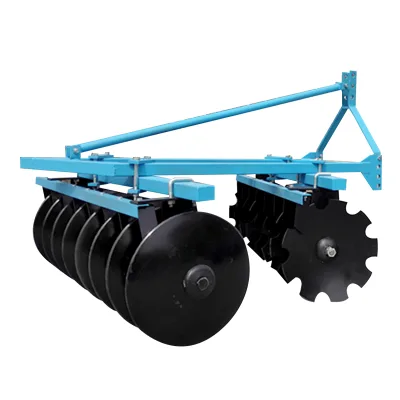


Maintenance-Friendly Light-Duty Harrow for Efficient Tilling and Soil Preparation
$154.00 - $162.00
MOQ: 1 Pieces


Semi-Mounted Offset Flexible and Stable, with Excellent Performance Disc Harrow
$1157.00 - $1215.00
MOQ: 1 Pieces


Semi-Mounted Heavy Duty Disc Harrow/China Disc Harrow Manufacturer/Disk Harrow
$2500.00 - $3000.00
MOQ: 1 Pieces

Hot Sale Medium Duty Disc Harrow 1.6-2.5m High Efficiency Middle Duty Disk Harrow
$680.00 - $700.00
MOQ: 1 Pieces


Comprehensive Sourcing Guide
Strategic Sourcing Guide for Tractor-Powered Semi-Hanging Harrows
The global agricultural machinery market presents a complex landscape for procurement professionals seeking specialized soil preparation equipment. Among the most critical tools for modern farming operations is the tractor-powered semi-hanging harrow. This category of machinery bridges the gap between heavy, fully trailed implements and lighter, mounted units, offering a versatile solution for arable land management. Buyers entering this market must navigate a wide array of technical configurations, varying power sources, and diverse supplier capabilities. This guide provides a structured approach to sourcing these machines, grounded in observed market data and essential procurement principles.
Technical Architecture and Operational Specifications
Understanding the mechanical architecture of a semi-hanging harrow is the first step in defining procurement requirements. The core design philosophy for these units typically revolves around a horizontal axis configuration, which ensures that the discs or tines engage the soil uniformly across the working width. In the current market, the traction type is predominantly semi-hanging, allowing the implement to be suspended from the tractor's three-point linkage while retaining a degree of independent ground follow. This design reduces the load on the tractor's rear axle compared to fully mounted units while offering better maneuverability than heavy trailed versions.
The power transmission system is a critical differentiator. While some units are designed to be powered directly by the tractor's PTO (Power Take-Off), others rely on the tractor's hydraulic system for depth control and lifting. Market observations indicate that "Diesel" is often listed as a power source in broader machinery contexts, but for the harrow itself, the power source is frequently the tractor, meaning the harrow is a passive implement driven by the tractor's engine. The drive type is commonly a gear drive, which provides the necessary torque transfer to the disc gangs or tine assemblies.
Key specifications that define the performance envelope include the disc diameter and thickness. Buyers should expect to find disc diameters ranging from 460mm to 660mm, with thicknesses typically falling between 3mm and 4mm. These dimensions directly influence the depth of penetration and the ability to cut through crop residue. The working width is another vital parameter, with standard configurations available in 2.0m, 2.5m, and 3.0m widths. The working depth is generally adjustable, with observed ranges spanning from 180mm to 220mm, suitable for various soil preparation stages. The weight of the unit, often around 370kg for specific models, plays a significant role in the required tractor horsepower and the stability of the implement during operation.
Compliance, Certification, and Quality Standards
When sourcing agricultural machinery from international markets, particularly from regions like Jiangsu and Shandong in China, verifying compliance and certification is non-negotiable. The industry standard for quality management systems often cited in this sector is ISO9001:2000. Buyers must confirm that the supplier's manufacturing facility holds this certification to ensure consistent production processes and quality control measures. Additionally, product-specific certifications such as CE (Conformité Européenne) are essential for accessing markets in Europe and other regions that require strict adherence to safety and environmental regulations.
The classification of the product under "Agricultural Farm Machinery" standards is also a key verification point. This classification ensures that the machine meets the baseline safety and performance criteria expected of farm equipment. While some suppliers may list "many" standards or certifications, buyers should demand specific documentation for the exact model being purchased. It is crucial to distinguish between general company certifications and product-specific approvals. For instance, a supplier might have a general ISO certification, but the specific harrow model must be tested and certified for its intended application, whether it be arable machinery, soil preparation, or forestry work.
Core components are another area where compliance matters. The presence of high-quality bearings is frequently highlighted as a key feature, as these components are subject to high stress and abrasive conditions. Verifying the origin and quality of these bearings can prevent premature failure and reduce long-term maintenance costs. Furthermore, suppliers should provide video outgoing-inspection reports, which serve as a digital proxy for physical inspection, allowing buyers to verify the assembly quality and finish before shipment.
Cost Drivers and Pricing Dynamics
The pricing of tractor-powered semi-hanging harrows is influenced by a complex interplay of factors, including material costs, manufacturing complexity, and customization levels. Observed price ranges in the market can vary significantly, spanning from $100 to over $18,000 USD. This wide disparity is not necessarily indicative of quality differences alone but reflects the diversity in specifications, such as the number of discs, the size of the unit, and the level of customization.
A primary cost driver is the customization of the product. Many suppliers offer "Customized Packing" or specific modifications to meet customer requirements, which can increase the unit price. The choice of materials, particularly the thickness of the discs and the quality of the frame, also impacts the final cost. Heavier, more robust units with larger disc diameters will naturally command a higher price point. Additionally, the inclusion of advanced features, such as specific hydraulic systems or specialized gear drives, adds to the manufacturing cost.
The Minimum Order Quantity (MOQ) is another critical factor in the total cost of ownership. Market data shows an MOQ range of 1 to 5 units. For smaller farms or pilot projects, the ability to purchase a single unit is a significant advantage. However, buyers should be aware that purchasing in larger quantities may unlock volume discounts, though this depends heavily on the supplier's policy. The "Best" price claim often seen in listings is a marketing term rather than a fixed value; buyers must negotiate based on the specific configuration and volume requirements.
Typical Applications and Operational Versatility
The semi-hanging harrow is designed for a broad spectrum of agricultural applications, making it a versatile asset for diverse farming operations. Its primary function is soil preparation, including breaking up clods, leveling the field, and incorporating crop residue or fertilizer into the topsoil. The "Arable Machinery" classification underscores its suitability for preparing seedbeds in crop production systems.
Beyond standard arable farming, these units are often marketed for use in forestry, livestock, and aquaculture sectors. In forestry, they can be used for site preparation and clearing. For livestock operations, they assist in maintaining pasture quality and managing manure distribution. In aquaculture, they may be utilized for pond maintenance and shoreline preparation. The "Continuous Running Operation" capability suggests that these machines are built for sustained use, which is essential for large-scale farming operations where time efficiency is paramount.
The traction type, specifically "Semi Hanging," allows the implement to adapt to uneven terrain better than rigidly mounted units. This adaptability is crucial for maintaining consistent working depth and ensuring uniform soil treatment across the field. The "High Productivity" selling point is directly linked to the machine's ability to cover large areas efficiently while minimizing the number of passes required.
Supplier Evaluation and Selection Criteria
Selecting the right supplier requires a rigorous evaluation process that goes beyond the initial product listing. Buyers should prioritize suppliers with a proven track record in the "Agricultural Farm Machinery" sector. The origin of the product, often listed as Jiangsu or Shandong in China, indicates a concentration of manufacturing expertise in these regions. However, the specific location should be verified to ensure the supplier has the necessary infrastructure and logistics capabilities.
Key evaluation criteria include the supplier's ability to provide detailed technical documentation, including the specific model number (e.g., 1BYQK or 1BZ Series) and component lists. The presence of a "1 Year" warranty is a standard expectation, but buyers should clarify the terms and conditions of this warranty, including what is covered and the process for claims. The "Brand Name" of the supplier, such as "haoliyumin," should be researched to assess their reputation and market presence.
Suppliers should also demonstrate transparency in their production process. The availability of video outgoing-inspection is a strong indicator of a supplier's confidence in their product quality. Buyers should request these videos to verify the assembly of core components like bearings and the overall structural integrity of the frame. Additionally, the supplier's willingness to accommodate "Customers Requirement" for packing and specifications is a sign of flexibility and customer-centric service.
Quality Control and Long-Term Procurement Considerations
Ensuring long-term reliability requires a proactive approach to quality control. Buyers should insist on detailed specifications regarding the core components, particularly the bearings and gear drives. The "High Productivity" feature is only sustainable if the machine is built to withstand continuous operation without frequent breakdowns. The thickness of the discs and the diameter are critical indicators of durability; thinner discs may wear out faster under heavy use.
Packaging is another often-overlooked aspect of quality control. The use of "Iron Shellframe Box" or "Iron Frame" packaging suggests a robust approach to protecting the machine during transit. However, "Customized Packing" may be required for specific shipping needs, and buyers should confirm that the packaging meets international shipping standards to prevent damage.
Long-term procurement considerations also include the availability of spare parts. A supplier that offers a comprehensive range of spare parts, including bearings and disc assemblies, ensures that the machine can be maintained over its lifespan. The "1 Year" warranty is a starting point, but buyers should inquire about the availability of parts beyond the warranty period. Furthermore, the supplier's ability to provide technical support and training for operators is essential for maximizing the machine's efficiency and longevity.
In conclusion, sourcing a tractor-powered semi-hanging harrow requires a balanced approach that considers technical specifications, compliance, cost, and supplier reliability. By focusing on these key areas, buyers can make informed decisions that align with their operational needs and long-term strategic goals. The market offers a wide range of options, but success lies in the careful evaluation of each potential supplier and the specific requirements of the intended application.
FAQs
What is the power source for this semi-hanging harrow?
The power source is the tractor, not an independent engine. The unit operates as a passive implement driven by the tractor's PTO or hydraulic system, utilizing a gear drive for torque transfer to the disc gangs.
Which disc diameters are available for this model?
Available disc diameters include 460mm, 560mm, and 660mm. These dimensions directly influence the working depth and ability to cut through crop residue, with thickness options ranging from 3mm to 4mm.
Can I request customized packing for this machinery?
Yes, customized packing is available to meet specific shipping requirements. Options include iron shellframe boxes or iron frames, ensuring the unit is protected during transit according to customer needs.
What certifications does the product meet?
The product meets CE certification and ISO9001:2000 quality standards. These certifications ensure adherence to safety regulations and consistent manufacturing processes for agricultural farm machinery originating from China.
What is the minimum order quantity for this harrow?
The minimum order quantity ranges from 1 to 5 units. This flexibility allows smaller farms to purchase single units while larger operations can benefit from volume procurement options.
How long is the warranty period for this equipment?
The warranty period is 1 year for the machinery. This coverage applies to core components and structural integrity, with video outgoing-inspection provided to verify assembly quality before shipment.
What is the working depth range for this implement?
The working depth ranges from 180mm to 220mm. This adjustable range allows for effective soil preparation, breaking up clods, and incorporating crop residue across various arable land conditions.