Source Tractor Traction Rotary Tiller for Farming, Forestry, and Aquaculture
Explore 30 verified listings for the Tractor Traction Rotary Tiller designed for soil preparation in agriculture, forestry, and aquaculture. Buyers can compare models like the 1GN-150 and TM120, evaluating power sources, drive types, and working widths to find the right machinery for continuous running operations.
Key considerations
Products List


$480.00 - $680.00
MOQ: 1 Pieces


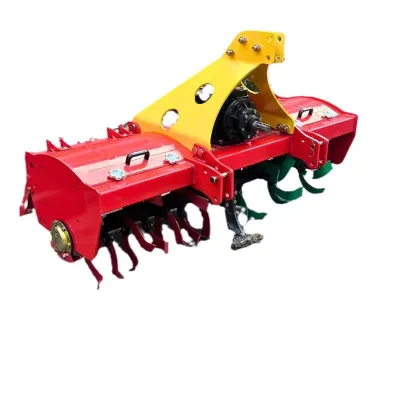


High Rotary Tiller Cultivator for Tractor
$650.00 - $800.00
MOQ: 20 Pieces
Deyang City Jinxing Agricultural Machinery Manufacturing Co., Ltd.

Time-Saving, Labor-Saving and Low-Cost Agricultural Machinery Rotary Tiller
$914.00 - $960.00
MOQ: 1 Pieces

Low Cost, Reliable Quality and Labor-Saving Agricultural Machinery Rotary Tiller
$914.00 - $960.00
MOQ: 1 Pieces

Affordable, Efficient and High-Quality Agricultural Machinery Rotary Tiller
$485.70 - $510.00
MOQ: 1 Pieces


High-Performance Rotary Tiller for Tractors with Variable Speed Control
$1285.00 - $1425.00
MOQ: 1 Sets
Comprehensive Sourcing Guide
Strategic Sourcing Guide for Tractor Traction Rotary Tillers
Understanding the Core Product Category and Technical Architecture
The procurement of tractor traction rotary tillers requires a precise understanding of the machinery's classification within the agricultural sector. These units are fundamentally categorized as soil preparation machinery designed for continuous running operations. The primary function involves breaking up and aerating soil to prepare seedbeds, making them essential for arable farming. The defining characteristic of this equipment is its traction type, which is explicitly designed to be pulled or towed by a tractor rather than being self-propelled. This distinction is critical for buyers, as it dictates the compatibility requirements between the tiller and the power source.
The mechanical architecture of these tillers varies significantly across the market, particularly regarding the arbor configuration. Buyers must evaluate whether the unit utilizes a vertical shaft or a horizontal axis design. The vertical shaft configuration is often associated with specific soil engagement patterns, while the horizontal axis design offers different torque transmission characteristics. Furthermore, the drive type is a pivotal technical specification. The supply chain currently features units employing both chain drive and gear drive systems. Chain drives may offer flexibility and ease of maintenance in certain configurations, whereas gear drives typically provide higher torque efficiency and durability under heavy loads.
Power transmission is another critical technical dimension. The power source is universally identified as a tractor, but the specific horsepower requirements vary. Market observations indicate a range of power compatibility, with specific models noted for 16 HP applications and others designed for 25-35 HP tractors. The working width is a key determinant of field efficiency, with observed specifications including a 1200mm width for certain models. The number of blades, often cited as 36 PCS in specific configurations, directly influences the fineness of the soil tilth. Buyers should verify the blade count and arrangement against their specific soil conditions and desired seedbed quality.
Compliance, Certification, and Standard Verification
Navigating the compliance landscape for agricultural machinery is essential for ensuring market access and operational safety. The most frequently observed certification in the current supply data is the CE mark. This indicates that the product meets the essential health, safety, and environmental protection requirements for products sold within the European Economic Area. However, buyers must exercise caution; the presence of a CE certification in a listing does not automatically guarantee that every unit in a specific batch holds valid certification. Verification should be conducted on a per-shipment basis.
In addition to certifications, product standards play a significant role in quality assurance. The data indicates a wide variance in standard specifications, ranging from "many" generic standards to specific designations like "25HP" which may refer to power output standards rather than safety norms. Some listings reference "many size and type" as a standard descriptor, suggesting a lack of rigid standardization across all suppliers. This variability necessitates a rigorous verification process where buyers request specific technical documentation for the exact model number being purchased.
The origin of the machinery is also a factor in compliance. The primary production hubs identified are in Shan Dong, specifically Shandong Dezhou, and Yancheng Jiangsu, all within China. While these regions are established manufacturing centers, the regulatory environment and export compliance protocols can vary. Buyers should ensure that the supplier can provide a machinery test report, which is noted as available in the supply data. This report serves as an independent verification of the machine's performance and safety features, bridging the gap between the manufacturer's claims and the buyer's due diligence requirements.
Cost Drivers and Pricing Dynamics
The pricing structure for tractor traction rotary tillers is influenced by a complex interplay of technical specifications, material costs, and customization requirements. The observed price range in the market spans from 300 to 2000 USD. This wide disparity is not merely a reflection of brand value but is heavily correlated with the machine's power rating, working width, and the complexity of its drive system. Units designed for higher horsepower tractors (25-35 HP) with larger working widths (e.g., 1200mm) naturally command prices at the higher end of this spectrum.
Material composition is a significant cost driver. The weight of the machinery, observed to range from 270kg to 300kg in specific listings, correlates with the amount of steel used in the frame and the robustness of the arbor. Heavier units often imply a more durable construction capable of handling tougher soil conditions, which justifies a higher price point. The type of packing also influences the final cost. While some units are packed in simple iron frames or iron shelves, others utilize iron frame boxes or wooden crates. Wooden packing is generally more expensive but offers superior protection for long-distance shipping, which can impact the landed cost for international buyers.
Customization is a major factor in price variability. The supply data confirms that customization is available, allowing buyers to tailor the machine to specific needs. However, custom orders often incur additional costs and may affect the minimum order quantity (MOQ). The observed MOQ range is 1 to 20 units. Buyers seeking a single unit for a small farm operation can find suppliers with an MOQ of 1, while larger agricultural enterprises may benefit from bulk purchasing at the higher end of the range. The "Customers Requirement" packing option suggests that bespoke packaging solutions are possible, which can further alter the unit price depending on the complexity of the request.
Typical Applications and Operational Versatility
The application field for tractor traction rotary tillers is broad, extending beyond simple crop farming. While the primary application is clearly defined as Agriculture, the supply data indicates versatility that includes Forestry, Fisheries, Livestock, and Aquaculture. This multi-sector applicability suggests that these machines are robust enough to handle diverse terrain and soil types. In forestry applications, the tiller may be used for land clearing or trail maintenance. In fisheries and aquaculture, they might be employed for pond bed preparation or waterway management.
The operational mode is another critical consideration. The machinery is designed for continuous running operation, which is essential for large-scale farming where downtime must be minimized. The traction type, whether hanging, semi-hanging, or full traction, determines how the machine interacts with the tractor's three-point linkage or tow bar. Hanging and semi-hanging configurations offer different levels of depth control and stability. For instance, a hanging configuration might provide better weight distribution for heavy-duty soil preparation, while a semi-hanging setup could offer easier maneuverability in tighter spaces.
The power source compatibility is vital for operational success. The machinery is designed to be powered by tractors, but the specific engine type and power output must match the tiller's requirements. Diesel power types are standard, offering the necessary torque and fuel efficiency for agricultural work. Buyers must ensure that their existing tractor fleet can provide the required horsepower, which ranges from 16 HP to 35 HP in the observed market. Mismatching the tractor power to the tiller's requirements can lead to inefficient operation, excessive fuel consumption, or even mechanical failure.
Supplier Evaluation and Origin Analysis
When evaluating potential suppliers, the geographic origin of the machinery provides valuable context regarding manufacturing capabilities and logistics. The primary production locations identified are Shan Dong, Shandong Dezhou, and Yancheng Jiangsu. These regions in China are known for their concentration of agricultural machinery manufacturing. Buyers should consider the logistical implications of sourcing from these specific locations, including shipping times and freight costs.
Supplier reliability can be assessed through several key indicators found in the product data. The availability of a machinery test report is a strong indicator of a supplier's commitment to quality and transparency. Additionally, the warranty terms, with a standard offering of 1 Year, provide a baseline for after-sales support. Buyers should verify the specific terms of the warranty, including what components are covered and the process for claiming service.
The brand name "Hao Li Yu Min" is observed in the supply data, indicating the presence of established manufacturers. However, buyers should not rely solely on brand recognition. Instead, they should evaluate the supplier's ability to meet specific customization requirements and their adherence to the stated standards. The core components, such as the engine, are critical to the machine's performance. Buyers should inquire about the brand and specifications of the engine to ensure it meets their operational needs.
Quality Control and Long-Term Procurement Considerations
Quality control is paramount when sourcing agricultural machinery that will be subjected to rigorous daily use. The presence of core components like the engine underscores the importance of component quality. Buyers should request detailed specifications for the engine and other critical parts to ensure they meet durability standards. The machinery test report mentioned in the supply data serves as a primary tool for quality verification. Buyers should insist on reviewing this report before finalizing any purchase to confirm that the machine has undergone rigorous testing.
Long-term procurement considerations involve looking beyond the initial purchase price. The warranty period of 1 Year is a standard offering, but buyers should negotiate terms that extend coverage for high-wear components like blades and drive chains. The customization availability allows for the selection of specific features that may enhance longevity, such as reinforced frames or specialized blade configurations.
The packing method also plays a role in long-term maintenance. Units packed in iron frame boxes or wooden crates are less likely to suffer damage during transit, ensuring that the machine arrives in optimal condition. Buyers should verify that the packing method aligns with the shipping distance and the fragility of the components. Additionally, the availability of spare parts and the supplier's ability to provide technical support are crucial for maintaining the machine over its lifespan.
Comparative Analysis of Key Specifications
To facilitate informed decision-making, the following table summarizes the key technical and commercial specifications observed in the current market for tractor traction rotary tillers. This comparison highlights the variability in options available to buyers.
| Specification Category | Observed Options / Range | Notes for Buyers |
|---|---|---|
| Power Source | Tractor (Diesel) | Verify tractor HP compatibility (16-35 HP range). |
| Drive Type | Chain Drive, Gear Drive | Gear drives often offer higher torque; chain drives may be easier to maintain. |
| Arbor Configuration | Vertical Shaft, Horizontal Axis | Select based on soil type and desired tillage depth. |
| Working Width | 1200mm (observed) | Confirm exact width for field efficiency calculations. |
| Blade Count | 36 PCS (observed) | Higher counts may provide finer soil tilth. |
| Weight | 270kg - 300kg | Heavier units may offer better stability in tough soil. |
| Certification | CE (observed) | Verify specific CE documentation for the model. |
| Origin | Shan Dong, Shandong Dezhou, Yancheng Jiangsu | Consider logistics and freight costs from these regions. |
| Warranty | 1 Year (standard) | Clarify coverage for core components and wear parts. |
| MOQ | 1 - 20 Units | Negotiate based on volume requirements. |
| Price Range | 300 - 2000 USD | Price correlates with power, width, and customization. |
This table serves as a reference point for buyers to compare different offerings. It is important to note that not every product will satisfy all listed attributes. Buyers must verify each specification against the specific product listing and request documentation to confirm compliance. The diversity in options allows for tailored solutions, but it also requires a diligent approach to specification matching to ensure the selected machinery meets the unique demands of the buyer's operation.
FAQs
Can I customize the packing for my Tractor Traction Rotary Tiller order?
Yes, customization is available for packing requirements. Suppliers offer options like iron frame boxes, iron shelves, or wooden crates based on your specific needs, though this may affect the final unit price and minimum order quantity.
What certifications are available for tractor traction rotary tillers?
CE certification is a high-confidence standard observed in the supply data. While many listings mention this mark, buyers should verify specific certification documents for each shipment to ensure compliance with safety and environmental requirements.
Which tractor horsepower is required for these rotary tillers?
These units typically require tractors ranging from 16 to 35 horsepower. Specific models are designed for 16 HP applications, while others with larger working widths and heavier weights are built to operate efficiently with 25 to 35 HP power sources.
What is the minimum order quantity for a Tractor Traction Rotary Tiller?
The minimum order quantity ranges from 1 to 20 units depending on the supplier. Small farms can often source a single unit, while larger agricultural enterprises may benefit from bulk purchasing options at the higher end of this range.
Where are these tractor traction rotary tillers manufactured?
Manufacturing origins are primarily located in Shandong, China, including Dezhou, and Yancheng Jiangsu. These regions are established hubs for agricultural machinery production, offering a variety of models with different specifications and drive types.
How long is the warranty period for a Tractor Traction Rotary Tiller?
The standard warranty period offered is 1 year. This coverage applies to the machinery, but buyers should confirm specific terms regarding core components like the engine and high-wear parts such as blades and drive chains.
What drive types are used in tractor traction rotary tillers?
Available drive types include both chain drive and gear drive systems. Chain drives offer flexibility and ease of maintenance, while gear drives typically provide higher torque efficiency and durability under heavy soil preparation loads.