Source Traditional Stained Glass Tiffany Lamp for Restaurant Hotel Villa
Explore 30 listings for the Traditional Stained Glass Tiffany Lamp, comparing options with glass shades, bronze bases, and European or classical styles. Buyers can evaluate specifications like voltage, certifications, and customization availability for living rooms, hotels, and restaurants.
Key considerations
Products List


Bedroom Decorative Red Blue Green Dragonfly Stained Glass Tiffany Lamp
$28.29 - $50.47
MOQ: 10 Square Meters

Modern Stained Glass Tiffany Table Lamp Classical Romantic Home Lighting
$190.55 - $211.71
MOQ: 50 Square Meters


Tiffany Table Lamp Stained Glass Crane Lamp for Home Decoration
$35.00 - $250.00
MOQ: 10 Square Meters

$16.90 - $209.64
MOQ: 10 Square Meters
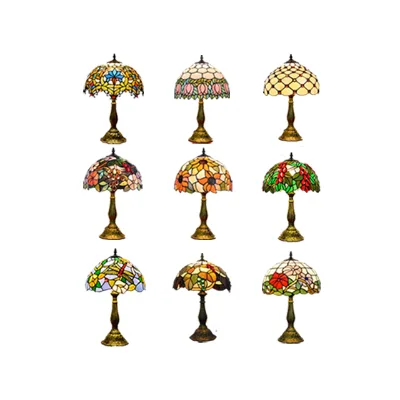
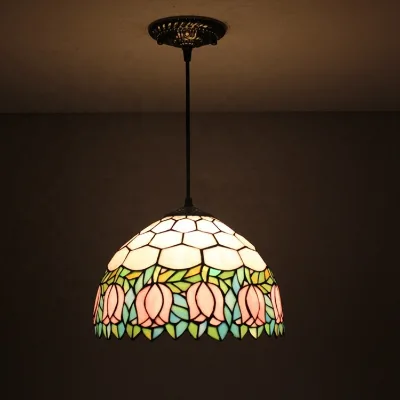
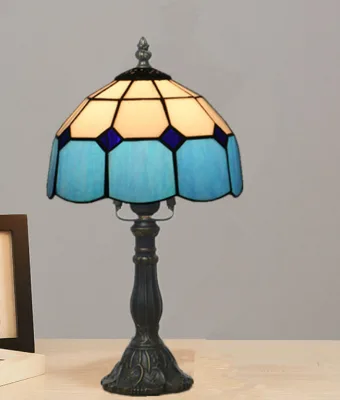
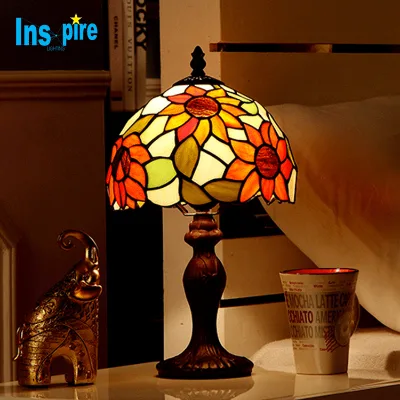
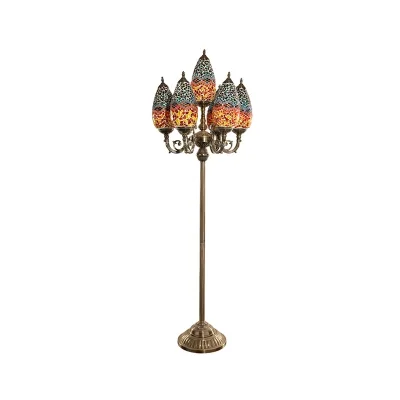
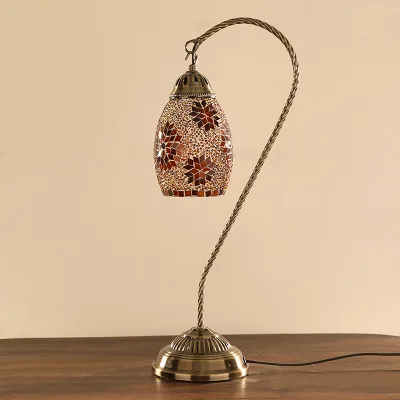


Tiffany Multipoint Glass Lamp Hanging Pendant Lamp Custom Stained Glass Lamps
$85.00 - $368.00
MOQ: 30 Pieces

TFT4263 Traditional Stained Glass Shade Tiffany Desk Lamp for Home Bedroom
$25.00 - $35.00
MOQ: 50 Pieces


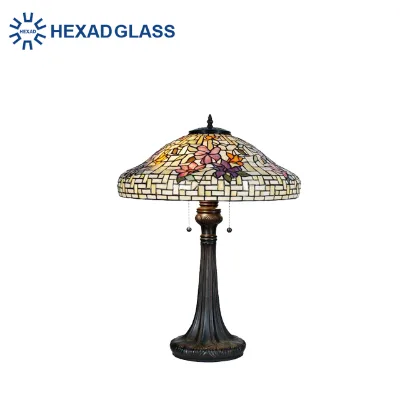
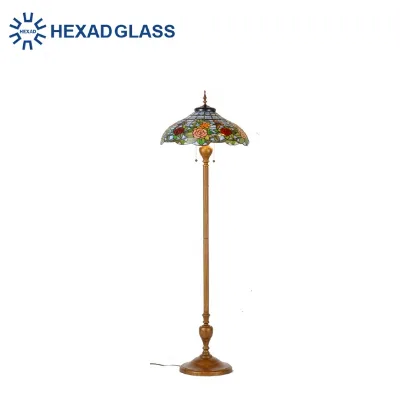
Tiffany Style Floor Lamp Stained Glass 2 Lights Handcrafted Light Lamps
$55.00 - $65.00
MOQ: 100 Pieces

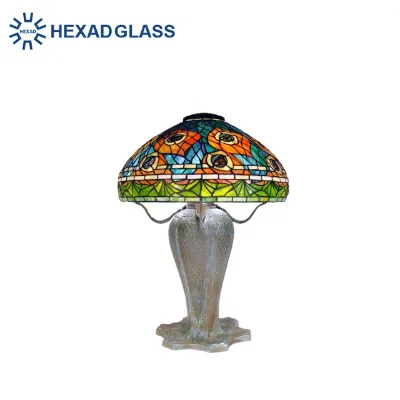
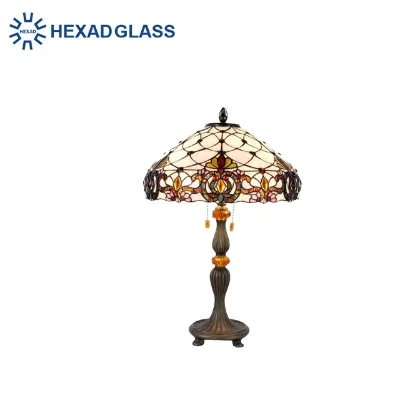
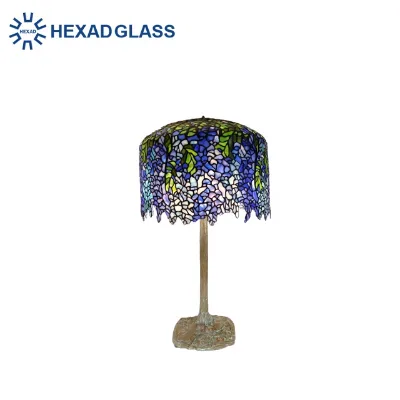
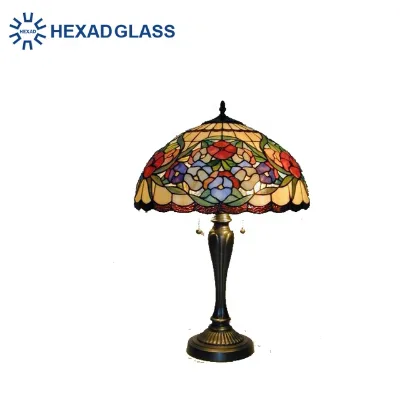

Comprehensive Sourcing Guide
Sourcing Guide for Traditional Stained Glass Tiffany Lamps
Understanding Product Definitions and Technical Specifications
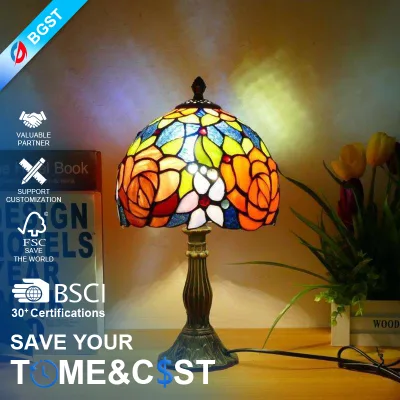
When sourcing a Traditional Stained Glass Tiffany Lamp, buyers must first distinguish between the specific aesthetic of Tiffany glass and the broader category of stained glass lighting. The core keyword implies a product featuring intricate, colorful glass pieces fused together, often depicting floral or nature-inspired motifs, which is a hallmark of the Tiffany style. Based on available product data, the primary material for the shade in this category is explicitly identified as glass, often described with the specific attribute of "Tiffany" material. This distinguishes it from modern alternatives that might use acrylic or plastic. The frame material for these fixtures is frequently noted as Aluminium Alloy, providing a durable structural support that complements the delicate nature of the glass shade.
Technical specifications vary significantly within this category, reflecting the handcrafted nature of the items. The base material is a critical component, with observations indicating the use of Bronze for certain models, which aligns with the traditional aesthetic. However, other attributes suggest a variety of base options, including those compatible with E-bracket standards. The lighting source is a point of divergence; while the traditional Tiffany style historically utilized incandescent bulbs, modern iterations often integrate LED technology. Product listings show attributes for both "Incandescent" and "LED" light sources, indicating that buyers must verify the specific bulb type required for their application. The voltage is commonly listed as 220V, which is standard for many international markets, but this requires verification against local electrical standards.
The physical dimensions and beam characteristics are equally important for procurement planning. The size of the lamp can range from 8 inches to 22 inches in diameter, offering flexibility for different room scales. The beaming angle is observed to be around 80°, which suggests a wide, diffused light distribution suitable for ambient lighting rather than focused task lighting. The color palette is diverse, ranging from solid White or Silver to "Colorful" designs that utilize the full spectrum of stained glass. The style is predominantly described as "Classical" or "European," reinforcing the traditional aesthetic, though some modern variations exist. The quantity of lights can vary, with some models designed as single-source fixtures while others may accommodate multiple bulbs.
Compliance, Certification, and Safety Standards
Navigating the regulatory landscape is essential for importing lighting products, particularly those involving glass and electrical components. The supplied data highlights several key certifications that are frequently associated with this product category. Buyers should expect to see products certified under RoHS (Restriction of Hazardous Substances), which ensures that the materials used do not contain specific hazardous substances. Additionally, CE (Conformité Européenne) and GS (Geprüfte Sicherheit) certifications are common indicators of compliance with European safety standards. The VDE certification, often associated with German safety standards, is also listed, suggesting a high level of scrutiny regarding electrical safety.
The origin of the product plays a significant role in the compliance verification process. The majority of the observed products originate from Guangdong, China, a major manufacturing hub for lighting fixtures. While the location itself does not dictate quality, it informs the buyer that they are dealing with a specific supply chain ecosystem. The product standard is listed as "0.1" in some contexts, which may refer to a specific internal or industry classification, while other entries note "Customized" standards. This variability indicates that buyers cannot rely on a single universal standard for all Tiffany lamps. Instead, they must verify that the specific model they intend to purchase meets the safety regulations of their target market.
For electrical safety, the warranty period is a useful proxy for manufacturer confidence. A standard warranty of 2 years is observed in the data, which serves as a baseline expectation for product reliability. The packaging standards are also critical for compliance during transit. Products are typically packed in Poly Cartons, Bubble Bags, PE Foam, or Export Wooden Crates. The choice of packaging depends on the fragility of the glass shade; heavier or more delicate items often require the robust protection of wooden crates to prevent breakage. Buyers should ensure that the packaging method aligns with the shipping method to avoid damage claims that could void warranties or certifications.
Cost Drivers and Pricing Structures
The pricing for traditional stained glass Tiffany lamps is influenced by a complex mix of material costs, labor intensity, and customization requirements. The observed price range in the market spans from 15 USD to 368 USD, a wide disparity that reflects the difference between mass-produced items and high-end, handcrafted pieces. The lower end of the spectrum likely corresponds to simpler designs with smaller dimensions and less intricate glasswork, while the higher end represents larger, more complex models with premium materials like bronze bases and detailed K9 crystal accents.
Material costs are a primary driver of price. The use of real glass for the shade is a significant cost factor compared to synthetic alternatives. The frame material, whether Aluminium Alloy or Bronze, also impacts the final price, with bronze generally commanding a premium due to its weight and traditional appeal. The inclusion of additional features, such as Auto CAD Layout services or Project Installation support, can also increase the cost. These services are often bundled with larger commercial orders, adding value for buyers planning large-scale installations in hotels or restaurants.
The Minimum Order Quantity (MOQ) is another critical cost driver. The observed MOQ range is from 1 to 100 units. This flexibility allows buyers to source small quantities for sample testing or retail display, while larger orders benefit from economies of scale. Customization is a major factor in pricing; the data confirms that customization is available and accepted. Buyers seeking custom colors, sizes, or designs should anticipate a higher unit cost and potentially longer lead times. The packaging method also influences cost, with Export Wooden Crates being more expensive than standard Poly Cartons due to material and labor costs.
| Cost Factor | Low-End Impact | High-End Impact |
|---|---|---|
| Material | Standard glass, aluminium frame | Premium glass, bronze frame, crystal accents |
| Labor | Machine-assisted assembly | Hand-crafted stained glass, intricate detailing |
| Customization | Standard stock items | Custom CAD layouts, bespoke designs |
| Packaging | Poly Carton, Bubble Bag | Export Wooden Crate, Polyfoam + Paper Carton |
| MOQ | 1 unit (Sample) | 100 units (Bulk) |
Typical Applications and Installation Contexts
Traditional stained glass Tiffany lamps are versatile fixtures suitable for a wide range of environments. The data indicates that these products are applicable in residential settings such as Living Rooms, Hotels, Villas, and Halls. They are also frequently used in commercial spaces like Restaurants and Hotel Lobbies. The specific usage is often categorized as a Table Lamp, Reading Light, Pendant Light, Wall Light, or Floor Light, depending on the model. This versatility allows buyers to source a cohesive lighting scheme for a single project, utilizing different types of Tiffany lamps for different zones.
The irradiated area for these lamps is typically between 15 and 30 square meters, making them ideal for medium-sized rooms. This specification is crucial for buyers planning the lighting layout of a space. For larger areas, multiple units may be required to achieve adequate illumination. The control mode is generally Switch Control, which is simple and reliable for most applications. However, for more advanced projects, buyers should verify if dimming capabilities or smart control integration are available, as the data mentions Lighting Solutions Services including Auto CAD Layout, which often accompanies more complex installations.
The design style, described as Classical or European, makes these lamps particularly suitable for interior designs that aim to evoke a sense of history and elegance. They are often used to create a warm, inviting atmosphere in dining areas or to serve as a focal point in a living room. The color options, ranging from White and Silver to Colorful, allow for integration with various interior color palettes. Buyers should consider the ambient lighting needs of the space; the 80° beaming angle provides a soft, diffused light that is perfect for creating a relaxing environment rather than a bright, task-oriented one.
Supplier Evaluation and Sourcing Strategy
Evaluating suppliers for traditional stained glass Tiffany lamps requires a focus on their ability to handle fragile materials and provide consistent quality. The presence of certifications like RoHS, CE, GS, and VDE is a strong indicator of a supplier's commitment to safety and compliance. Buyers should request documentation to verify these certifications for the specific models they are interested in, as the data shows that not all products may carry every certification. The origin of the product, specifically Guangdong, China, suggests a mature supply chain, but buyers should still conduct due diligence on the specific factory's capabilities.
The availability of customization is a key differentiator among suppliers. The data confirms that customization is available, with options for custom sizes, colors, and designs. Buyers should assess the supplier's capacity to handle custom orders, including their lead times and the minimum order quantities required for customization. The provision of Lighting Solutions Services, such as Auto CAD Layout and Project Installation, is another valuable indicator of a supplier's expertise. These services suggest that the supplier is capable of supporting complex projects and can provide technical guidance to ensure the lighting design meets the project's requirements.
Quality control is paramount when sourcing glass products. Buyers should inquire about the supplier's quality assurance processes, including how they test for structural integrity and electrical safety. The warranty period of 2 years is a standard benchmark, but buyers should verify the terms and conditions of the warranty, including what is covered and the process for claims. The packaging method is also a critical aspect of quality control; suppliers should demonstrate their ability to pack the lamps securely to prevent breakage during transit. The use of Export Wooden Crates for larger or more delicate items is a positive sign of a supplier's attention to detail.
Quality Control and Long-Term Procurement Considerations
Maintaining quality over the long term requires a proactive approach to procurement and supplier management. Buyers should establish clear quality standards at the outset of the procurement process, including specific requirements for glass thickness, frame durability, and electrical safety. Regular inspections and third-party testing can help ensure that the products meet these standards. The observed product models, such as ELH2022011203 and TLH-TD12858, serve as reference points for specific configurations, but buyers should not assume that all products with similar model numbers will have identical quality.
Long-term procurement considerations also include the availability of spare parts and replacement components. Given the intricate nature of stained glass lamps, finding replacement shades or bases can be challenging if the supplier discontinues a model. Buyers should verify the supplier's policy on spare parts and their ability to produce replacement components for existing orders. The customization aspect offers an advantage here, as custom orders can often be reproduced if the supplier maintains the necessary molds and patterns.
Sustainability is another growing consideration in the lighting industry. Buyers should inquire about the environmental impact of the materials used, particularly the glass and the electrical components. The RoHS certification indicates compliance with restrictions on hazardous substances, which is a positive step toward sustainability. However, buyers may also want to explore the supplier's practices regarding energy efficiency, especially if the lamps are used in commercial settings where energy costs are a significant factor. The transition from incandescent to LED light sources, as noted in the data, is a positive trend that buyers should encourage to reduce energy consumption and extend the lifespan of the fixtures.
In conclusion, sourcing traditional stained glass Tiffany lamps requires a careful balance of aesthetic appreciation and technical due diligence. By understanding the technical specifications, verifying compliance and certifications, analyzing cost drivers, and evaluating suppliers based on their quality control and customization capabilities, buyers can make informed decisions that meet their project requirements. The wide range of applications, from residential to commercial, underscores the versatility of these fixtures, making them a valuable addition to any lighting design.
FAQs
What certifications do traditional stained glass tiffany lamps have?
These lamps typically carry RoHS, CE, GS, and VDE certifications to ensure safety and compliance. Buyers should verify specific model documentation as not all units may include every listed standard. The origin is often Guangdong, China, where these standards are commonly applied.
Can I customize the size and design of these lamps?
Yes, customization is available for size, color, and design specifications. Buyers can request changes to the frame material or shade details, though this may affect the minimum order quantity. Custom orders often require specific lead times and may utilize Auto CAD layout services.
Which light source options are available for these fixtures?
Both LED and Incandescent light sources are observed in the product listings. The voltage is commonly 220V, suitable for international markets. Buyers must check the specific model attributes as some units are sold without a light source included.
How is the packaging handled for fragile glass shades?
Packaging methods include Poly Cartons, Bubble Bags, PE Foam, and Export Wooden Crates depending on the item. Heavier or more delicate models often require wooden crates to prevent breakage during transit. The choice of packaging impacts shipping costs and safety.
What is the typical price range for these lamps?
The observed price range spans from 15 to 368 USD depending on complexity and materials. Lower prices often reflect standard designs while higher costs involve premium glass or bronze bases. Customization and bulk order quantities significantly influence the final unit price.
Where are these lamps manufactured and what is the origin?
The products originate primarily from Guangdong, China, a major manufacturing hub for lighting fixtures. This location supports a mature supply chain for glass and metal components. Buyers should verify the specific factory location for each order to ensure quality control.
What warranty period is provided for these lighting products?
A standard warranty period of 2 years is observed for these fixtures. This warranty serves as a baseline for manufacturer confidence in product reliability. Buyers should review specific terms to understand coverage for electrical components and glass integrity.