Source Traffic Resistant Stormwater Inlet for Roads Parks Residential
Compare 12 options for Traffic Resistant Stormwater Inlet systems featuring reinforced polymer concrete or aluminum designs. Buyers can evaluate load ratings, dimensions, and customization availability for roads, parks, and residential areas.
Key considerations
Products List


Strong Build Traffic Resistant Inlet for Stormwater Management Solutions
$35.00 - $99.00
MOQ: 10 Pieces

Comprehensive Sourcing Guide
Strategic Sourcing Guide for Traffic-Resistant Stormwater Inlets
Understanding Product Variants and Core Technical Specifications
When sourcing a traffic-resistant stormwater inlet, buyers must first navigate the significant variance in product definitions found in the global marketplace. The term "traffic-resistant" implies a structural capacity to withstand vehicular loads, yet the available data reveals a spectrum of products ranging from heavy-duty underground infrastructure to lightweight, removable flood control barriers. A critical observation in the current supply landscape is the distinction between permanent, multifunctional stormwater inlets designed for continuous road and park use, and temporary or semi-permanent flood barriers intended for emergency water diversion.
Permanent stormwater inlets, often categorized as multifunctional units, are engineered for underground installation in environments such as roads, parks, and residential areas. These units typically feature a reinforced polymer concrete construction, providing the necessary mass and durability for high-load scenarios. The load rating for such permanent units is frequently specified as Class D400, a standard designation indicating the ability to support heavy vehicular traffic, though this rating is noted as customizable in certain supply chains. The physical dimensions of these permanent units vary significantly, with observed specifications ranging from a length of 640 to 800 millimeters, a width of 440 to 500 millimeters, and a height between 120 and 720 millimeters. This modularity allows for adaptation to different trench depths and flow requirements.
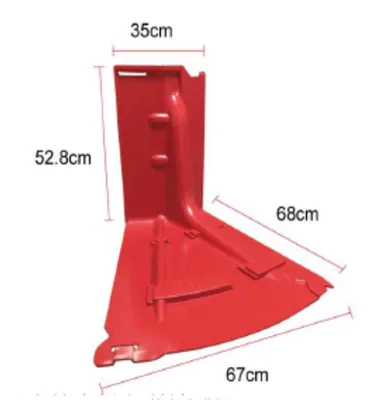
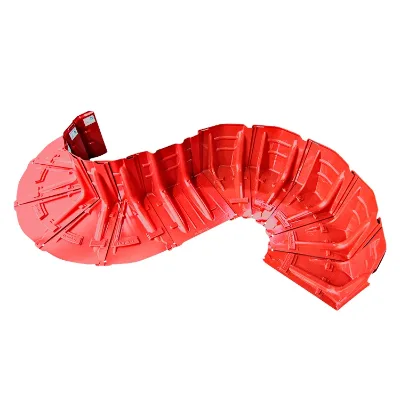
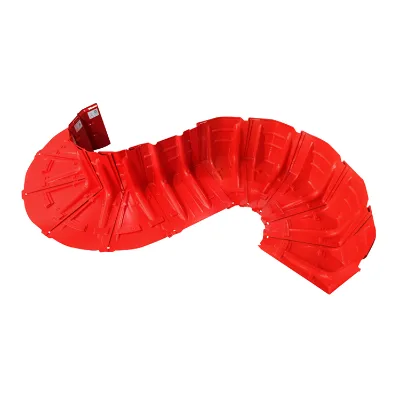
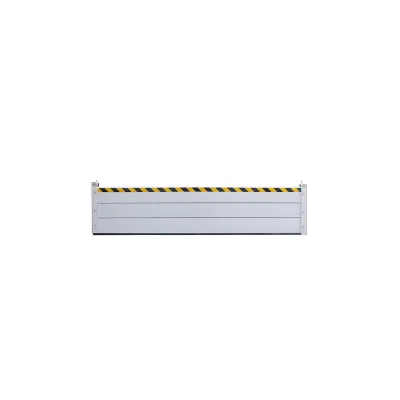
In contrast, the market also offers removable flood barriers, often constructed from materials such as stainless steel, aluminum, or ABS plastic. These products, sometimes labeled as "flood stop barrier boxwalls" or "removable aluminum flood barriers," prioritize rapid deployment and light weight over permanent structural integration. While these units may carry a load capacity of approximately 450 pounds, they are generally designed for temporary flood control applications rather than continuous traffic resistance. The material composition is a primary differentiator; reinforced polymer concrete offers superior longevity for permanent underground systems, whereas aluminum and stainless steel provide corrosion resistance and ease of handling for temporary setups. Buyers must rigorously verify whether a product labeled as a "stormwater inlet" is intended for permanent traffic loads or temporary flood management, as the engineering requirements for these two applications are fundamentally different.
Compliance, Certification, and Material Verification
Ensuring compliance with international standards is a non-negotiable step in the procurement of traffic-resistant stormwater infrastructure. The supply data indicates that some manufacturers adhere to ISO 9001:2000 quality management standards, which serves as a baseline for process consistency. However, buyers must not assume that all listed products possess this certification without direct verification from the supplier. The presence of a standard on a product listing does not guarantee that the specific batch or model meets the required structural or environmental performance criteria.
Material verification is equally critical. The observed product range includes reinforced polymer concrete, ABS plastic, stainless steel, and aluminum. Each material presents distinct advantages and limitations regarding traffic resistance and environmental durability. Reinforced polymer concrete is the preferred choice for underground, high-load applications due to its compressive strength. Conversely, ABS and aluminum are often utilized in lighter-duty or removable systems. Buyers should request material test reports to confirm the specific grade of polymer concrete or the alloy composition of metals used. It is essential to verify that the material specifications align with the intended installation environment, particularly for underground applications where chemical resistance and long-term structural integrity are paramount.
Furthermore, purification efficiency is a key performance metric for multifunctional stormwater inlets. Some products claim a Total Suspended Solids (TSS) removal efficiency of greater than 85%. While this is a valuable feature for environmental compliance, buyers must understand that this efficiency is often dependent on the specific hydraulic conditions and the design of the inlet. The claim should be validated against independent test data or recognized industry benchmarks. Additionally, features such as mosquito and odor prevention are increasingly important in residential and park applications. These features are often integrated into the design of the inlet grate or the internal structure, but their effectiveness can vary based on the specific geometry and maintenance protocols.
Cost Drivers and Economic Considerations
The pricing structure for traffic-resistant stormwater inlets is influenced by a complex interplay of factors, including material costs, manufacturing complexity, and logistical requirements. The observed price range in the market spans from $0.40 to $102.85 USD, a disparity that reflects the vast difference between small components or temporary barriers and complete, heavy-duty permanent units. The lower end of the price spectrum typically corresponds to removable barriers, lightweight plastic components, or single-item sales units. The higher end of the range is associated with large, modular, reinforced polymer concrete units designed for Class D400 load ratings and complex installation environments.
Minimum Order Quantity (MOQ) is another significant economic driver. The data shows an MOQ range from 1 piece to 1,000 pieces. For small-scale projects or pilot installations, suppliers offering an MOQ of 1 piece provide flexibility, though the unit cost may be higher. Conversely, large infrastructure projects benefit from economies of scale, where ordering in bulk can significantly reduce the per-unit cost. However, buyers must balance the savings from bulk ordering against storage costs and the risk of project delays.
Logistics and packaging also contribute to the total cost of ownership. Products are typically shipped using seaworthy packing with pallets, and some suppliers utilize wooden pallets or carton packaging depending on the product type. The origin of the products, primarily from China with specific hubs in Jiangsu and Guangdong provinces, influences shipping costs and lead times. Buyers should factor in the cost of freight, insurance, and customs duties when calculating the total landed cost. The "seaworthy" nature of the packing suggests that these units are designed for long-distance transport, but the specific dimensions and weight of the units must be considered to optimize container loading and minimize shipping expenses.
Typical Applications and Installation Environments
The application of traffic-resistant stormwater inlets varies widely based on the product type and design. Permanent, multifunctional stormwater inlets are primarily deployed in roads, parks, and residential areas where they must withstand continuous vehicular traffic and provide effective stormwater management. These units are designed for underground installation, integrating seamlessly into the road surface or landscape while maintaining structural integrity under heavy loads. The prefabricated modular design of these units facilitates rapid installation and reduces on-site construction time.
In contrast, removable flood barriers and boxwalls are utilized in scenarios requiring temporary flood control and waterproofing. These products are often deployed in areas prone to flash flooding, where rapid deployment and removal are necessary. The "safe" application noted in some product descriptions suggests their use in protecting critical infrastructure or residential zones during emergency events. The lightweight nature of aluminum and ABS barriers makes them ideal for manual handling and quick setup, whereas the heavy-duty concrete units are better suited for permanent, high-load environments.
The installation environment is a critical factor in product selection. Underground installations require products that can withstand soil pressure, moisture, and potential chemical exposure. The reinforced polymer concrete material is specifically noted for its suitability in these conditions. For above-ground or temporary applications, the focus shifts to ease of installation, removability, and resistance to surface water flow. The "quick installation" and "removable" features highlighted in the product data are particularly relevant for temporary barriers, allowing for efficient deployment in response to weather events.
Supplier Evaluation and Quality Control Protocols
Evaluating suppliers for traffic-resistant stormwater inlets requires a thorough assessment of their manufacturing capabilities, quality control processes, and track record. Buyers should verify the supplier's location, with a concentration of manufacturers in Jiangsu and Guangdong, China. While these regions are known for their industrial output, buyers must ensure that the specific supplier has the capacity to meet the required quality standards. The presence of ISO 9001:2000 certification is a positive indicator, but it should be complemented by requests for specific product test reports and quality assurance documentation.
Quality control should be a continuous process throughout the procurement lifecycle. Buyers should implement strict inspection protocols to verify that the delivered products match the agreed-upon specifications, including dimensions, material composition, and load ratings. For reinforced polymer concrete units, checking for structural defects, surface finish, and dimensional accuracy is essential. For removable barriers, verifying the integrity of the locking mechanisms and the corrosion resistance of the materials is crucial.
Maintenance requirements also play a role in supplier evaluation. Products designed for low-frequency cleaning are preferable for reducing long-term operational costs. Buyers should inquire about the maintenance protocols recommended by the supplier and ensure that the product design facilitates easy access for cleaning and inspection. The "low frequency cleaning" feature is a significant advantage for reducing lifecycle costs, particularly in hard-to-reach underground locations.
Long-Term Procurement and Lifecycle Management
Long-term procurement considerations for traffic-resistant stormwater inlets extend beyond the initial purchase price to include lifecycle costs, maintenance, and replacement strategies. The "low frequency cleaning" attribute of permanent units suggests a design that minimizes ongoing maintenance efforts, which is a critical factor for municipal and large-scale commercial projects. Buyers should assess the expected service life of the product and the availability of replacement parts or modular components.
Customization is a key feature available in the market, allowing buyers to tailor products to specific project requirements. The load rating, dimensions, and material composition can often be customized to meet unique site conditions. However, customization may impact lead times and costs, so buyers should plan accordingly. The "customizable" nature of the load rating and dimensions offers flexibility but requires clear communication with the supplier to ensure that the final product meets all performance criteria.
Finally, buyers should consider the environmental impact and sustainability of the products. The use of reinforced polymer concrete and other durable materials can contribute to long-term sustainability by reducing the need for frequent replacements. Additionally, the purification efficiency of the inlets, with claims of over 85% TSS removal, supports environmental compliance and water quality management. By focusing on these long-term factors, buyers can make informed decisions that balance initial costs with long-term value and performance.
FAQs
What load rating do permanent stormwater inlets support?
Permanent units typically support Class D400 load ratings, indicating capacity for heavy vehicular traffic. This rating is often customizable to meet specific project requirements, ensuring the inlet withstands continuous road and park use without structural failure.
Which materials are used for underground stormwater inlets?
Reinforced polymer concrete is the primary material for permanent underground inlets due to its durability and compressive strength. Some removable barriers utilize ABS plastic, stainless steel, or aluminum for lighter, temporary flood control applications requiring rapid deployment.
How are these units installed in the field?
Most permanent units feature a prefabricated modular design for quick underground installation. Removable barriers offer quick installation and are designed to be easily deployed or taken down, facilitating efficient setup in emergency flood scenarios or temporary traffic zones.
Can buyers customize the dimensions of the inlet?
Yes, customization is available for dimensions ranging from 640 to 800 mm in length and 120 to 720 mm in height. Buyers can also request specific load ratings and material compositions to align with unique site conditions and engineering standards.
What is the minimum order quantity for these products?
The minimum order quantity ranges from 1 piece for single-item purchases to 1000 pieces for bulk orders. This flexibility allows small projects to source single units while large infrastructure developments benefit from economies of scale through larger volume purchases.
How efficient is the purification process for these inlets?
Multifunctional stormwater inlets achieve over 85% Total Suspended Solids removal efficiency under optimal conditions. This performance helps meet environmental standards, though actual efficiency depends on specific hydraulic conditions and the design of the inlet grate or internal structure.