Source Traditional Flower Macrame Wall Hanging for Home, Office, Wedding
Compare 30 listings of Traditional Flower Macrame Wall Hanging from verified suppliers. These handmade cotton pieces feature customizable sizes and boho chic designs suitable for home gardening, office gifts, and personal decoration.
Key considerations
Products List


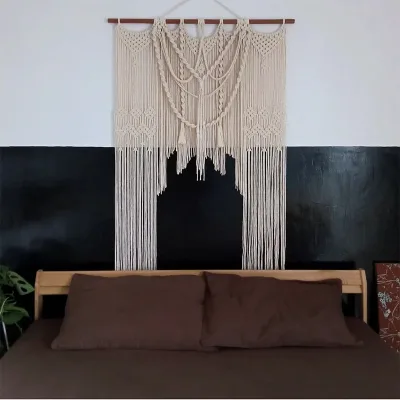
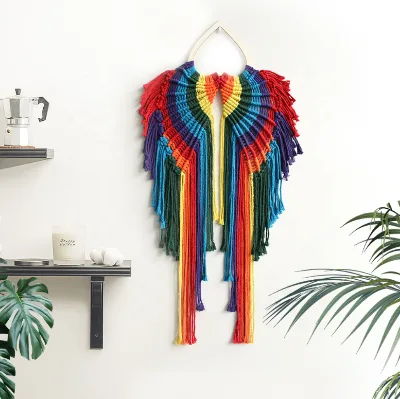
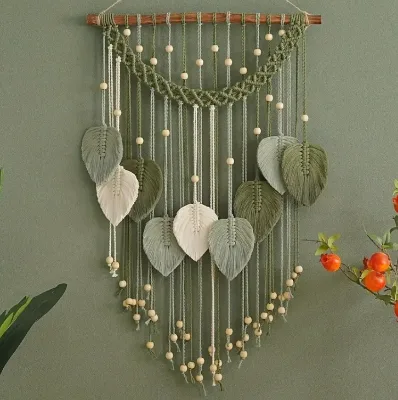
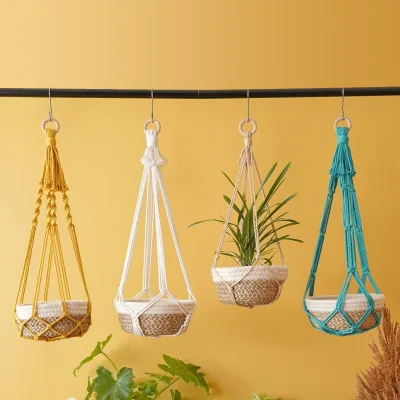
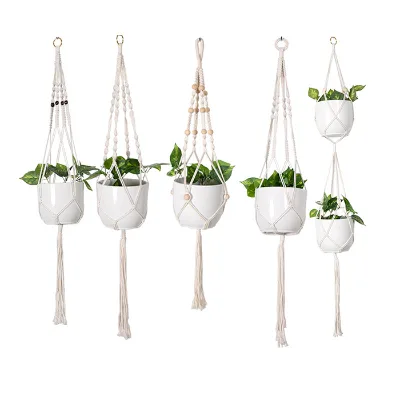
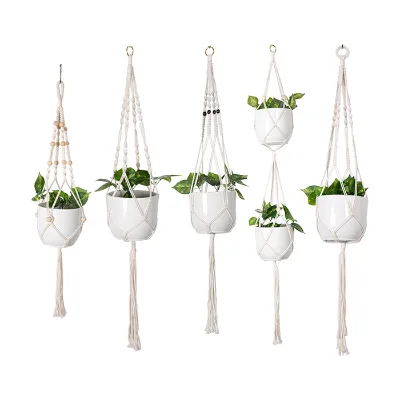
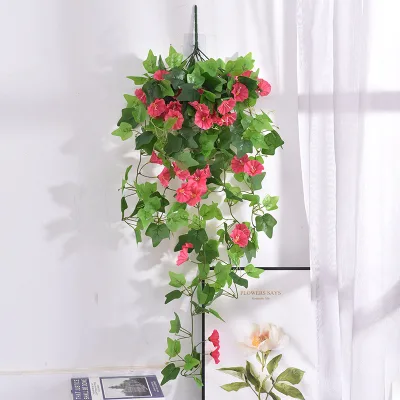
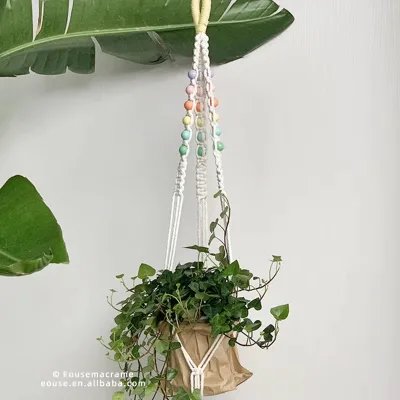
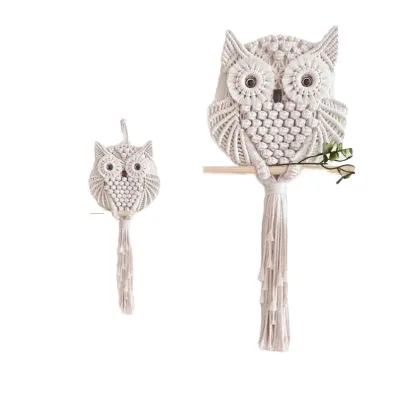
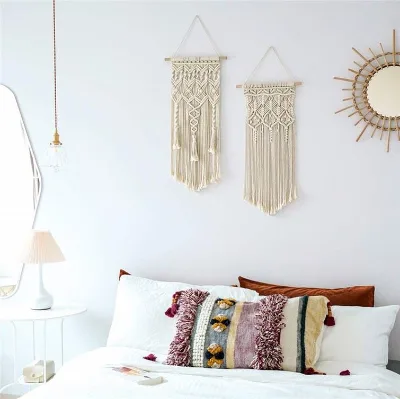
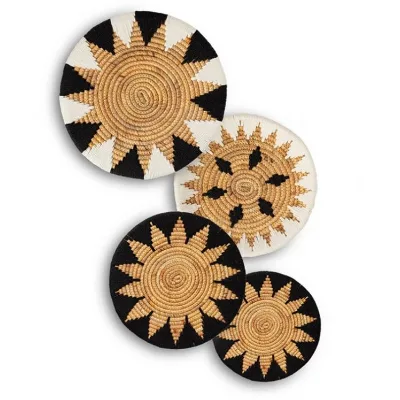
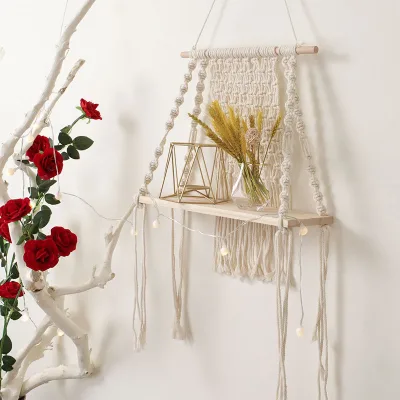
Comprehensive Sourcing Guide
Strategic Sourcing Guide for Traditional Flower Macrame Wall Hanging
Understanding Product Definitions and Core Attributes
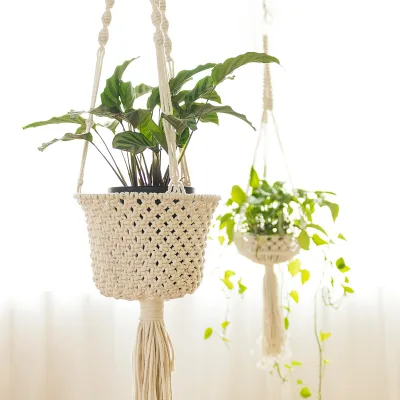
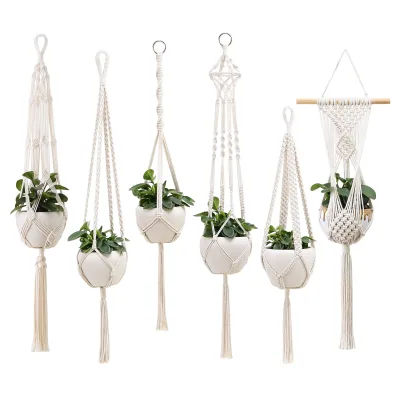
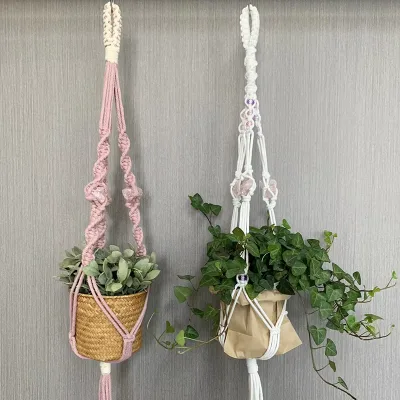
When sourcing traditional flower macrame wall hangings, buyers must first establish a precise definition of the product category to ensure alignment between procurement needs and supplier capabilities. The core product is identified as a macrame plant hanger or wall decoration, characterized by its intricate knotting techniques and natural material composition. Based on available market data, the defining attribute of these items is that they are 100% handmade, utilizing a pure handmade production method. This distinguishes them from machine-woven alternatives and is a critical factor for buyers seeking authentic, artisanal quality. The primary material observed in this category is cotton, which provides the necessary durability and aesthetic softness required for home and office environments.
The thematic design of these products is consistently categorized as "Boho Chic," appealing to a specific demographic that values organic, textured, and handcrafted aesthetics. The application scene is primarily domestic, targeting home gardening and interior decoration, though the usage extends to office gifts, personal decoration, and wedding decor. The product features a customizable design, allowing buyers to specify dimensions, patterns, and colors. Standard specifications indicate that the rope thickness typically ranges between 3mm and 4mm, while finished product sizes vary significantly, with observed standards including lengths of 100cm to 140cm and specific dimensions such as 5060cm, 2927 inches, and 12*36 inches. Understanding these baseline attributes is essential before engaging with suppliers, as the "traditional" aspect of the keyword implies a reliance on these specific hand-knotted techniques rather than modern, synthetic weaving methods.
Technical Specifications and Customization Parameters
Technical due diligence is paramount when sourcing macrame wall hangings, as the variability in handmade production can lead to inconsistencies if specifications are not rigorously defined. The product model numbers observed in the market, such as 24-WS117, 24-WS106, and various BS-HD series codes, indicate that manufacturers often maintain distinct SKUs for different size configurations and design complexities. Buyers should verify the exact dimensions against their spatial requirements, noting that standard sizes can range from compact 1628 inches to larger 1746 inches installations. The weight of individual units is another critical technical parameter; observed weights range from 200g to 500g, which impacts shipping costs and structural load-bearing requirements for ceiling or wall mounting.
Customization is a central feature of this product category. The specification "Can Be Customized" allows for tailored solutions regarding size, color, and pattern. Suppliers typically offer OEM services, meaning they can produce items under a buyer's brand or specific design requirements. The design process is flexible, with suppliers capable of providing photos of the product before mass production to ensure alignment with expectations. However, buyers must be aware that while the design is customizable, the material remains predominantly cotton. The production process is strictly hand-made, which introduces natural variations in knot tightness and symmetry. Therefore, technical specifications should focus on acceptable tolerance ranges for these variations rather than demanding machine-like uniformity. The packaging standard is typically an OPP bag for individual units, often consolidated into cartons containing 20 pieces, though some suppliers may offer 1 piece per bag with 20 pieces per carton.
Cost Drivers and Pricing Dynamics
The pricing structure for traditional macrame wall hangings is influenced by several distinct factors, primarily the labor intensity of the handmade production method and the volume of the order. The observed listed price range in the market spans from $0.81 to $33.01 USD. This wide variance is not arbitrary; it reflects differences in product size, complexity of the knotting pattern, weight of the material, and the level of customization required. Smaller, simpler designs or those produced in higher volumes tend to cluster near the lower end of the spectrum, while larger, more intricate pieces with custom dimensions command higher prices.
Minimum Order Quantity (MOQ) is a significant driver of unit cost. The market data indicates an MOQ range from 2 pieces to 1,000 pieces, with a common baseline of 20 pieces. Suppliers offering lower MOQs, such as 2 or 10 pieces, often charge a premium per unit to cover the setup and labor costs associated with small-batch production. Conversely, orders meeting or exceeding the standard MOQ of 20 pieces may benefit from economies of scale, though the handmade nature of the product limits the extent of these savings compared to mass-produced goods. Buyers should also consider the cost implications of the packaging requirements; while standard packaging is an OPP bag, custom branding or specialized carton configurations can add to the overall cost. Additionally, the delivery time, observed to be between 10 and 25 days, influences the total landed cost, particularly if expedited shipping is required to meet project deadlines.
Supplier Evaluation and Verification Protocols
Evaluating suppliers for macrame wall hangings requires a focus on their ability to maintain quality consistency in a handmade environment. Since the production method is pure handmade, the supplier's workforce skill level and quality control processes are more critical than in automated manufacturing. Buyers should verify that the supplier explicitly states "100% Handmade" and "Pure Handmade" as their production method, ensuring they are not sourcing machine-made imitations. The origin of the products is consistently listed as China, which is a major hub for this type of textile craft, but buyers should confirm the specific factory location to assess logistics and potential tariffs.
Verification of the supplier's capability to handle customization is essential. Buyers should request to see examples of their "Custom" design capabilities and confirm their ability to provide product photos before production begins. The supplier's response to the "Photo: Provide" attribute indicates their willingness to engage in visual confirmation, which is a positive indicator of transparency. Furthermore, the supplier's adherence to the "OEM: Yes" standard suggests they are equipped to handle branding and private label requirements. When evaluating potential partners, buyers should look for clear communication regarding the "Feature: Perfect for Your Home, Office, Bedroom or Wedding," ensuring the supplier understands the end-use context to avoid mismatched product quality. It is also prudent to verify the supplier's experience with the specific product models mentioned, such as the BS-HD series, to gauge their familiarity with standard industry dimensions.
Quality Control and Compliance Considerations
Quality control for handmade macrame products involves a different set of criteria than for industrial goods. The primary focus should be on the integrity of the knots, the consistency of the cotton material, and the overall aesthetic finish. Since the product is 100% handmade, minor variations in the spacing of knots or the texture of the cotton are expected and should be considered part of the product's authentic character rather than defects. However, buyers must establish clear acceptance criteria for structural integrity, ensuring that the hangers can support the intended weight of plants or decorations without fraying or breaking.
Compliance and certification checks are necessary to ensure the product meets safety and environmental standards for the target market. While specific certification names are not provided in the source data, buyers should verify that the cotton material is free from harmful dyes and chemicals, particularly if the product is intended for home environments where children or pets may be present. The packaging standard, which includes an OPP bag and carton, should be inspected for durability to prevent damage during transit. Buyers should also confirm that the supplier adheres to relevant textile safety standards, such as those regarding flammability or heavy metal content, depending on the destination country's regulations. The "Application: Wall Decoration" and "Application Scene: Home Gardening" attributes imply that the product must be safe for indoor use, necessitating a check for any chemical treatments that might off-gas or cause allergic reactions.
Long-Term Procurement and Supply Chain Stability
For long-term procurement of traditional macrame wall hangings, buyers must consider the stability of the supply chain and the scalability of the production process. The lead time of 10 to 25 days is a critical factor for inventory planning. Buyers should account for potential delays due to the handmade nature of the production, which can be susceptible to labor availability and seasonal fluctuations. Establishing a reliable relationship with a supplier who can consistently meet the 10-25 day delivery window is essential for maintaining stock levels, especially for seasonal peaks like holidays or wedding seasons.
The customization aspect offers a strategic advantage for long-term growth, allowing buyers to differentiate their product offerings. However, this requires a robust communication channel to manage design iterations and ensure that the "Custom" specifications are accurately translated into the final product. Buyers should also plan for the "Package: OPP Bag + Carton" logistics, ensuring that the packaging is optimized for both protection and cost-efficiency in shipping. The weight variations, ranging from 200g to 500g, should be factored into freight calculations to avoid unexpected cost overruns. Finally, buyers should monitor the market for changes in material costs, particularly cotton prices, as these fluctuations can impact the pricing structure and the feasibility of maintaining competitive margins over time. By focusing on these long-term considerations, buyers can build a resilient supply chain that supports the growing demand for authentic, handcrafted home decor.
FAQs
How are traditional flower macrame wall hangings made?
These items are produced using a pure handmade method, ensuring 100% handcrafted quality. The process utilizes natural cotton material, which distinguishes them from machine-woven alternatives and provides an authentic boho chic aesthetic for home or office decoration.
What customization options are available for these products?
Customization is available for size, color, and pattern to meet specific buyer requirements. Suppliers offer OEM services and can provide product photos before production begins, allowing for tailored designs while maintaining the traditional handmade knotting technique.
Which materials are used to make these wall hangings?
The primary material observed is natural cotton, chosen for its durability and soft texture. This material supports the 100% handmade production method and ensures the product is suitable for various applications including home gardening, wall decoration, and office gifts.
Can buyers order small quantities of these items?
Yes, minimum order quantities range from 2 pieces to 1000 pieces depending on the supplier. Some vendors accept orders as low as 2 pieces, while a common baseline is 20 pieces, allowing flexibility for both small trials and bulk procurement needs.
What are the standard dimensions for these macrame hangers?
Standard sizes vary significantly, including lengths of 100cm to 140cm and specific dimensions like 50 by 60 cm. Rope thickness typically ranges between 3mm and 4mm, with individual unit weights observed between 200g and 500g for structural support.
How long does it take to receive these handmade products?
The typical delivery time ranges from 10 to 25 days after order confirmation. This lead time accounts for the labor-intensive nature of the pure handmade production process and ensures quality control before the items are packaged in OPP bags and cartons.