Source Traditional Handmade Matcha Set for Garden, Hotel, and Gift Use
Compare 30 options for a Traditional Handmade Matcha Set featuring bamboo and ceramic materials. Buyers can evaluate customization, eco-friendly features, and various set configurations for garden, hotel, or gift applications.
Key considerations
Products List


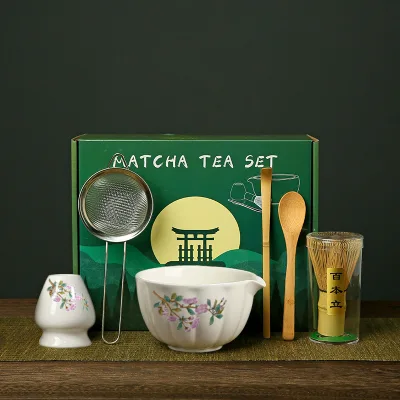


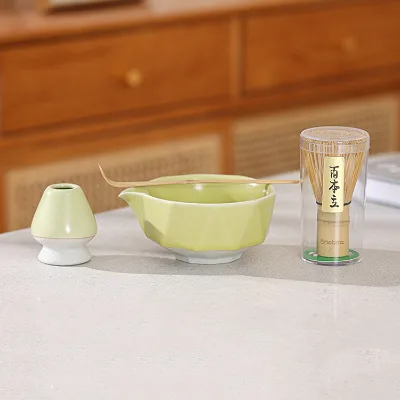
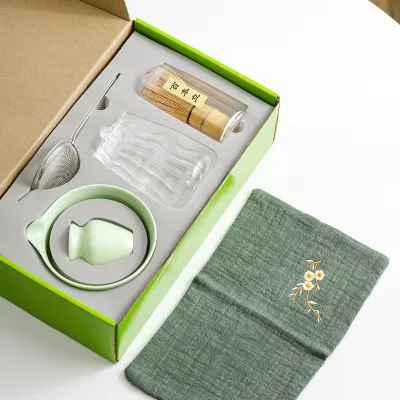


OEM Logo Custom Handcrafted Golden Brown Bamboo Chasen Traditional Matcha Whisk
$4.99 - $7.08
MOQ: 100 Pieces


Comprehensive Sourcing Guide
Sourcing Guide for Traditional Handmade Matcha Sets
Understanding Product Variants and Material Composition
When sourcing a Traditional Handmade Matcha Set, buyers must first navigate the distinct material profiles that define the product category. The market currently presents two primary material trajectories: bamboo and ceramic. Bamboo-based sets are characterized by their eco-friendly nature and are often marketed as sustainable alternatives for the tea ceremony. These sets typically include essential tools such as a bamboo whisk (chasen), a bamboo scoop (chashaku), and a tea whisk holder. The structural integrity of bamboo sets relies heavily on the quality of the raw material and the precision of the handcrafting process. In contrast, ceramic sets offer a different aesthetic and functional profile, often featuring a specific standard of D6 * H10cm for individual components or larger dimensional specifications like 2417.510.7cm for complete sets. The ceramic material is frequently associated with the "Japandi" style, a design philosophy blending Japanese and Scandinavian minimalism, which appeals to modern interior design trends.
The composition of these sets varies significantly in terms of piece count. Buyers will encounter configurations ranging from single items to comprehensive multi-piece kits. Common configurations include 5-piece sets and 7-piece sets, with the latter often being the preferred choice for serious practitioners or gift-giving scenarios. The 7-piece set typically encompasses the whisk, scoop, holder, and additional ceremonial vessels, ensuring a complete experience. Some suppliers offer customizable piece counts, allowing buyers to select between 4-piece or 7-piece configurations based on specific inventory needs. The "Traditional Handmade" designation implies a level of artisanal input, which is often reflected in the customization options available, such as customized logos and colors. While some sets are unicolor, others offer multicolor options or specific color combinations like white with decals, pink, or black, packaged in either color boxes or brown boxes.
Technical Specifications and Dimensional Standards
Precision in technical specifications is critical for ensuring that the matcha sets meet the functional requirements of the tea ceremony and the logistical needs of the buyer. The physical dimensions of the products vary by material and model. For instance, specific models are defined by standard dimensions such as D6 * H10cm, which likely refers to the diameter and height of a primary vessel or whisk component. Other models may adhere to larger package dimensions, such as 2417.510.7cm, which is crucial for calculating shipping volumes and carton efficiency. The single package size for certain items is noted as 1X1X1 cm, indicating highly compact packaging for individual units, while others may require more substantial packaging to protect delicate ceramic or bamboo components.
Weight is another vital specification, particularly for ceramic sets where the single gross weight is recorded at 0.600 kg. This data point is essential for freight cost calculations and determining the maximum load per container. The volume of the set is often described as "As the picture shows," suggesting that visual verification is necessary to understand the spatial requirements of the product. Furthermore, the packaging standards play a significant role in the product's integrity. Most suppliers utilize an "Inner Box + Export Carton" system for bamboo sets, while ceramic sets may be shipped in a "Carton Box" or a dedicated "Gift Box Package." The density of packing is also standardized, with some suppliers offering 16 sets per carton, a figure that directly impacts the efficiency of the supply chain and the cost per unit in bulk orders.
Compliance, Certification, and Safety Standards
In the realm of food-contact products, compliance and certification are non-negotiable aspects of the sourcing process. Buyers must verify that the materials used in the matcha sets meet international safety standards. The supply chain data indicates the presence of FDA certification, a critical benchmark for products intended for food and beverage use in the United States market. This certification ensures that the materials, whether bamboo or ceramic, do not leach harmful substances into the tea. Additionally, the "Food Grade" feature is explicitly mentioned for certain ceramic sets, reinforcing their suitability for direct food contact.
Beyond specific certifications, buyers should investigate the broader regulatory landscape applicable to their target markets. While the provided data highlights FDA compliance, other regions may require different standards, such as LFGB for Europe or specific food safety regulations for Asia. The "Eco-Friendly" attribute is frequently associated with bamboo products, but this claim should be substantiated by the supplier through documentation regarding sustainable harvesting practices or biodegradability. For ceramic sets, the "Food Grade" status is paramount to ensure that the glazes and finishes used are non-toxic. Buyers should request copies of relevant test reports or certificates of compliance before finalizing any purchase order. It is also important to note that while some products are labeled as "Customized," the underlying material safety standards must remain consistent regardless of aesthetic modifications.
Cost Drivers and Pricing Dynamics
The pricing structure for traditional handmade matcha sets is influenced by a complex interplay of factors, including material costs, labor intensity, customization levels, and order volume. The observed price range in the market spans from 0.1 to 68 USD, a wide spectrum that reflects the diversity of product quality and complexity. Entry-level sets, often consisting of basic bamboo components or single ceramic items, may fall at the lower end of this range. Conversely, premium sets featuring intricate designs, high-quality ceramics, and comprehensive 7-piece configurations will command prices at the higher end.
Customization is a significant cost driver. Products offering "Customized Logo" or "Customized Color" options typically incur additional charges due to the setup costs and specialized labor required. The "Japandi" style and specific design elements like "White+Decals" or "Pink+Decals" add value but also increase the production complexity. Furthermore, the packaging requirements influence the final cost. Sets packaged in "Gift Box Package" or "Inner Box + Export Carton" configurations are more expensive than those in simple bulk packaging. The Minimum Order Quantity (MOQ) also plays a role in pricing; while some suppliers list an MOQ of 20 pieces, others may require orders up to 1000 units. Buyers should understand that lower MOQs often come with a higher unit price, whereas larger volumes can leverage economies of scale to reduce the cost per set.
Typical Applications and Market Segmentation
Traditional handmade matcha sets serve a diverse range of applications, extending beyond the traditional tea ceremony to broader commercial and promotional uses. The primary application is the "Matcha Ceremony," where the quality and aesthetics of the set are paramount. These sets are designed to enhance the ritualistic aspect of preparing and consuming matcha, providing a tactile and visual experience for the practitioner. However, the market for these sets is not limited to ceremonial use. The "Usage" data indicates that these products are also marketed for "Garden/Home," "Hotel," "Gift," and "Promotion" purposes.
In the hospitality sector, hotels and cafes utilize these sets to elevate the guest experience, offering a touch of authenticity and luxury. The "Gift" segment is particularly robust, as the aesthetic appeal of bamboo and ceramic sets makes them ideal for corporate gifts, wedding favors, and personal presents. Promotional items often leverage the "Eco-Friendly" and "Food Grade" attributes to align with corporate social responsibility goals. The "Coffee & Tea Sets" category further broadens the application, suggesting that these sets can be adapted for various beverage services. Understanding these diverse applications allows buyers to tailor their sourcing strategy to specific market segments, whether they are targeting high-end retailers, hospitality chains, or promotional product distributors.
Supplier Evaluation and Quality Control Protocols
Evaluating suppliers for traditional handmade matcha sets requires a rigorous approach to quality control and operational capability. Buyers should assess the supplier's ability to maintain consistency in the "handmade" aspect of the product. Variations in bamboo grain or ceramic glaze are natural, but excessive inconsistency can indicate poor quality control. The "Sample Time" of 1-3 days is a key indicator of a supplier's responsiveness and agility. A short sample lead time suggests that the supplier is prepared to facilitate quick decision-making and iterative design processes.
Production time is another critical metric, with a typical range of 15-20 days observed in the market. This duration allows for the necessary craftsmanship but requires careful planning to avoid delays. Buyers should verify the supplier's capacity to handle the "Production Time" without compromising quality, especially during peak seasons. Quality control protocols should include visual inspections for defects in the bamboo whisk bristles, cracks in ceramic vessels, and the integrity of the packaging. The "Single gross weight" and "Single package size" data points should be verified against actual shipments to ensure that the supplier adheres to the stated specifications. Additionally, the "Optional Piece" availability (4 PCS/7PCS Set) should be confirmed to ensure that the supplier can fulfill specific configuration requests without error.
Long-Term Procurement Considerations and Supply Chain Resilience
Sourcing traditional handmade matcha sets is not merely a transactional activity but a strategic initiative that requires long-term planning. The "Place of Origin" is predominantly China, specifically Guangdong, which is a major manufacturing hub. Buyers should consider the geopolitical and logistical implications of sourcing from this region, including potential supply chain disruptions and shipping costs. The "Customization" capability of the supplier is a long-term asset, allowing buyers to adapt products to changing market trends or brand requirements.
Sustainability is a growing concern in the procurement of bamboo and ceramic products. Buyers should evaluate the supplier's commitment to sustainable practices, ensuring that the "Eco-Friendly" claims are backed by verifiable data. The "Certification" status, such as FDA, should be maintained and renewed regularly to ensure ongoing compliance. Furthermore, the "Brand Name" aspect, such as "Armhorse," indicates that some suppliers offer white-label or private-label services, which can be valuable for buyers looking to build their own brand identity. Long-term relationships with suppliers who demonstrate reliability in "Sample Time" and "Production Time" are essential for maintaining a steady supply of high-quality matcha sets. By focusing on these strategic elements, buyers can secure a resilient supply chain that supports their business growth and market positioning.
FAQs
What materials are used in traditional handmade matcha sets?
These sets are primarily made from bamboo or ceramic materials. Bamboo options are marketed as eco-friendly, while ceramic sets often feature a Japandi style and meet FDA certification standards for food safety.
Which piece configurations are available for these matcha sets?
Buyers can choose from 5-piece, 7-piece, or single-item configurations. Some suppliers also offer optional piece counts of 4 or 7 pieces to suit specific ceremonial or gift-giving requirements.
Can I request customized logos and colors for these sets?
Yes, customization is available for both logos and colors. Suppliers offer options like customized colors in white, pink, or black with decals, packaged in either color or brown gift boxes.
What are the typical production and sample times for orders?
Sample preparation typically takes 1 to 3 days. The full production time ranges from 15 to 20 days, depending on the order volume and specific customization requirements requested by the buyer.
How are these sets packaged for export and shipping?
Packaging varies by material, with bamboo sets often using an inner box plus export carton. Ceramic sets may be shipped in a carton box or a dedicated gift box package, with densities like 16 sets per carton.
What certifications ensure these sets are safe for food contact?
Many ceramic sets carry FDA certification and are labeled as food grade. This ensures the materials do not leach harmful substances, meeting international safety standards for direct food and beverage use.