Source Traditional Windshield Wiper Blades for Cars, Buses, and Trucks
Find and compare 30 Traditional Windshield Wiper Blades designed for cars, city buses, and trucks. Evaluate options featuring aluminum alloy frames, natural rubber blades, and various mounting types to meet specific vehicle requirements.
Key considerations
Products List


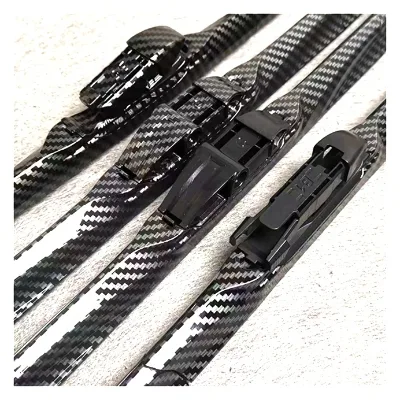
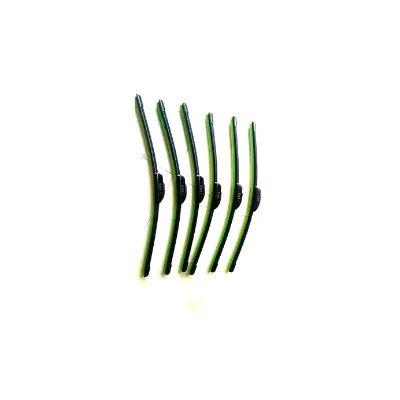


Universal Car Flat Windshield Wiper Windscreen Wiper Blades for Washer Window
$0.25 - $0.29
MOQ: 1000 Pieces

High Demanded and Top Rated Natural Rubber Windshield Wiper Blade for Car
$0.25 - $0.29
MOQ: 1000 Pieces


Customize Car Wiper Variety Length Windshield Wiper Blade for Universal Auto
$0.25 - $0.29
MOQ: 1000 Pieces
Comprehensive Sourcing Guide
Traditional Windshield Wiper Blades Sourcing Guide
Sourcing Traditional Windshield Wiper Blades requires a nuanced understanding of the distinction between frameless and framed designs, as well as the specific material compositions that dictate performance in varying climates. The market offers a wide array of options, ranging from traditional batch-type frame blades to modern hybrid and beam styles. Buyers must first determine whether their fleet or retail customers require the classic "with bone" structure, which uses a metal skeleton to distribute pressure evenly across the rubber blade, or the "without bone" frameless design, which relies on a flexible steel core for a more uniform contact patch. This foundational choice impacts not only the initial unit cost but also the long-term durability and maintenance requirements of the wiper system.
Beyond the structural design, the material composition of the blade itself is a critical decision point. Natural rubber remains the most common material for traditional blades due to its cost-effectiveness and adequate performance in moderate climates, while silicone offers superior longevity and resistance to UV degradation and extreme temperatures. Procurement teams must evaluate the specific operating environment of the end-user, as blades made from natural rubber may stiffen or crack in freezing conditions, whereas silicone variants maintain flexibility across a broader temperature range, typically cited between -50°C and +80°C. Selecting the wrong material can lead to premature failure, increased warranty claims, and customer dissatisfaction, making material verification a non-negotiable step in the sourcing process.
Product Scope and Observed Listing Signals
The current market landscape for Traditional Windshield Wiper Blades reveals a diverse range of product listings that cater to various vehicle types, including cars, city buses, trucks, and engineering vehicles. Observed data indicates a significant variation in product attributes, with some listings highlighting compatibility with 98% or 95% of car types, suggesting a high degree of universality in the adaptor and joint designs. Buyers should note that while many suppliers claim broad applicability, the actual fitment often depends on the specific hook type or connector interface, which varies by manufacturer and model year. Therefore, the presence of multiple adaptor materials, such as POM (Polyoxymethylene), and joint materials like metal or plastic, indicates a modular approach to compatibility that buyers must verify against their specific vehicle inventory.
Price and minimum order quantity (MOQ) signals in the market show a wide dispersion, with observed prices ranging from $0.21 to $2.26 per unit and MOQs varying from 50 to 5,000 pieces. This disparity often reflects differences in packaging, material quality, and brand positioning. For instance, products packaged in color boxes or blister cards may command a higher price point due to enhanced retail presentation, while bare packing options are typically more economical for bulk fleet procurement. Additionally, the presence of specific model numbers, such as WB-401, WB-402, and various B-series codes, suggests that suppliers offer a structured catalog rather than generic unbranded goods. Buyers should use these model identifiers to cross-reference fitment charts and ensure that the ordered blades match the sweep angle and length requirements of the target vehicles, which can range from 12 inches to 28 inches.
Technical Specifications to Verify
When evaluating technical specifications, the sweep angle and blade length are paramount for ensuring effective coverage of the windshield area. A standard sweep angle of 80° is commonly observed in traditional frame blades, but buyers must confirm that the selected blade length aligns with the wiper arm's reach and the curvature of the windshield. Mismatched lengths can result in uncovered zones or excessive overlap, both of which compromise visibility and safety. Furthermore, the construction of the wiper arm interface, including the adaptor and joint materials, must be verified for durability and corrosion resistance. Metal joints offer robustness but may be prone to rust in humid environments, while plastic or POM components provide corrosion resistance but may wear out faster under high-stress conditions.
The material of the blade edge and the frame structure also require close scrutiny. Traditional blades with a metal bone provide consistent pressure distribution, which is essential for clearing heavy rain or snow, but they are susceptible to corrosion if the protective coating is compromised. In contrast, frameless blades with a plastic or aluminum alloy frame may offer a sleeker profile and reduced wind lift at high speeds, but they may not perform as well in heavy snow loads. Buyers should also verify the type of rubber used, whether natural rubber or silicone, and check for any specific features such as noise-reduction technology or aerodynamic spoilers made from PVC. These details directly influence the blade's lifespan and its ability to maintain clear visibility under adverse weather conditions.
Compliance and Safety Documentation
Compliance with international quality management standards is a baseline expectation for reputable wiper blade manufacturers. Many suppliers in the market cite adherence to ISO 9001:2000 or ISO 9001-2008 standards, which indicate a structured approach to quality control in production processes. However, buyers should not assume that these certifications guarantee the safety or performance of the final product. It is essential to request current, valid certificates and verify that the scope of certification includes the manufacturing of automotive safety components. Additionally, buyers should inquire about any specific automotive industry standards, such as IATF 16949, which is more rigorous and tailored to the automotive supply chain, ensuring that the supplier has robust processes for defect prevention and continuous improvement.
Safety documentation should also include test reports that validate the blade's performance under extreme conditions. While specific test results may not always be publicly listed, buyers should request data on the blade's durability, including cycles of operation, temperature resistance, and UV stability. For instance, verifying that the blade can operate effectively within the stated temperature range of -50°C to +80°C is crucial for global distribution. Buyers should also check for any regional regulatory requirements, such as E-mark certification for European markets or DOT compliance for the United States, although these are more commonly associated with lighting and braking systems. Ensuring that the supplier can provide comprehensive documentation helps mitigate legal and liability risks associated with product failure.
Cost Drivers and Commercial Terms
Several factors influence the final cost of Traditional Windshield Wiper Blades, with material costs, packaging, and order volume being the primary drivers. The choice between natural rubber and silicone significantly impacts the unit price, with silicone typically commanding a premium due to its superior durability and performance characteristics. Packaging also plays a role, as retail-ready options like color boxes or blister cards add to the cost compared to bulk bare packing. Buyers should analyze the total landed cost, including shipping and tariffs, rather than focusing solely on the unit price, especially when sourcing from international suppliers in regions like Ningbo, China. Understanding these cost drivers allows for more accurate budgeting and negotiation strategies.
Commercial terms, including lead times and payment conditions, are critical for supply chain planning. Typical lead times for wiper blades range from 15 to 20 days upon receipt of an advance payment, but this can vary based on order size and supplier capacity. Buyers should negotiate clear terms regarding payment milestones, such as a deposit followed by balance against shipping documents, to manage cash flow and risk. Additionally, it is important to clarify the terms for sample orders, return policies, and warranty coverage. Suppliers may offer different packaging options, such as paper boxes or PVC boxes, which can affect storage and handling costs. Establishing a transparent commercial agreement helps prevent disputes and ensures a smooth procurement process.
Supplier Qualification and Quality Control
Supplier qualification is a multi-step process that begins with verifying the company's legal status, manufacturing capabilities, and export experience. Buyers should conduct due diligence to confirm that the supplier is a legitimate manufacturer or authorized distributor, rather than a trading company with limited control over quality. Requesting factory audits or third-party inspection reports can provide insights into the production environment, quality control procedures, and workforce training. Suppliers with a long history in the industry, such as those producing models since 2012, may have more refined processes and a better track record of consistency. However, buyers should also consider newer suppliers who may offer innovative materials or competitive pricing.
Quality control measures should be integrated into the procurement contract to ensure that the delivered goods meet the specified standards. This includes defining clear acceptance criteria for visual defects, dimensional accuracy, and material composition. Buyers should specify the allowable defect rate and the procedures for handling non-conforming goods, including replacement or refund policies. Regular quality audits and random sampling inspections during production or before shipment can help identify issues early and prevent costly recalls. Additionally, establishing a communication channel for addressing quality concerns promptly is essential for maintaining a productive supplier relationship. By prioritizing supplier qualification and robust quality control, buyers can minimize risks and ensure a steady supply of high-quality wiper blades.
Long-Term Procurement Checks
Long-term procurement success depends on continuous monitoring of supplier performance and market trends. Buyers should establish key performance indicators (KPIs) such as on-time delivery rate, defect rate, and responsiveness to issues, and review these metrics regularly. Building a diversified supplier base can mitigate the risk of supply chain disruptions, allowing buyers to switch sources if one supplier fails to meet expectations. Additionally, staying informed about advancements in wiper blade technology, such as new rubber compounds or aerodynamic designs, can help buyers stay competitive and offer improved products to their customers. Regularly updating fitment databases and product catalogs ensures that the sourcing strategy remains aligned with the evolving needs of the automotive market.
Sustainability and ethical sourcing practices are increasingly important considerations for long-term procurement. Buyers should inquire about the environmental impact of the materials used, such as the recyclability of the rubber and plastic components, and the supplier's efforts to reduce waste and energy consumption in production. Compliance with labor standards and ethical sourcing policies is also crucial for maintaining brand reputation and avoiding regulatory penalties. By integrating these considerations into the procurement strategy, buyers can build a resilient and responsible supply chain that supports both business growth and societal well-being. Continuous engagement with suppliers on these topics fosters a partnership based on mutual respect and shared values, leading to more sustainable outcomes.
FAQs
What materials are used in Traditional Windshield Wiper Blades?
Traditional Windshield Wiper Blades typically use aluminum alloy frames and natural rubber or silicone for the blade edge. The frame structure may include ABS plastic, PVC spoilers, and POM adaptors. Some models utilize high carbon steel for durability. These materials ensure flexibility and resistance to extreme temperatures ranging from -50°C to +80°C, providing reliable performance in various weather conditions.
Can Traditional Windshield Wiper Blades be customized for specific vehicles?
Yes, customization is available for Traditional Windshield Wiper Blades to fit specific vehicle requirements. Manufacturers offer various models such as WB-401, B03406S, and BY-118C to match different sweep angles and mounting types. Buyers can select from options like bone or boneless designs, ensuring a perfect fit for cars, city buses, trucks, and engineering vehicles with high compatibility across 95-98% of car types.
What is the typical lead time for ordering Traditional Windshield Wiper Blades?
The typical lead time for ordering Traditional Windshield Wiper Blades is 15-20 days upon receipt of advance payment. This timeframe allows manufacturers to process orders efficiently while maintaining quality standards. Buyers should plan their procurement schedules accordingly to ensure timely delivery. The lead time may vary slightly depending on the specific model and packaging requirements selected for the order.
Which certifications apply to traditional windshield wiper blade manufacturers?
Traditional windshield wiper blade manufacturers often adhere to ISO 9001:2000 and ISO 9001-2008 standards for quality management. These certifications ensure consistent production processes and product reliability. Buyers can verify these standards when sourcing suppliers to guarantee that the wiper blades meet international quality benchmarks. Compliance with these standards indicates a commitment to maintaining high manufacturing standards throughout the production cycle.
What packaging options are available for Traditional Windshield Wiper Blades?
Traditional Windshield Wiper Blades are available in various packaging options including color boxes, blister cards, PVC boxes, and bare packing. These packaging methods protect the blades during transit and storage while providing clear product identification. Buyers can choose packaging based on their retail or distribution needs. The packaging ensures the wiper blades remain undamaged and ready for immediate installation upon arrival at the destination.
How do I choose the right size for Traditional Windshield Wiper Blades?
To choose the right size, select from standard lengths ranging from 12 to 28 inches. Common sizes include 12, 14, 16, 18, 19, 20, 21, 22, 24, 26, and 28 inches. Match the blade length to your vehicle's wiper arm specifications to ensure optimal coverage and performance. Proper sizing prevents streaking and ensures clear visibility during rain or snow, enhancing driving safety and comfort in all weather conditions.