Source Traditional Waterproof ASA Resin Tiles for Villas
Find 30 Traditional Waterproof ASA Resin Tiles for houses, villas, and factories. Compare features like fireproof, lightweight, and heat-resistant properties with thicknesses from 2.0mm to 3.5mm. Options include brick red and dark colors with customization support; compare the available evidence and request quotations based on your requirements.
Updated
Key considerations
Products List


New Building Material ASA Synthetic Resin Tile Replace Traditional Steel Tile
$2.60 - $3.40
MOQ: 100 Square Meters


Easy Install ASA Anti Corrosion Synthetic Resin Roof Tiles with Fire Retardation
$1.50 - $2.80
MOQ: 1000 Square Meters

Low Price Coloured Coated Fireproof ASA Plastic Synthetic Resin Roof Tile
$2.60 - $3.40
MOQ: 100 Square Meters


Anti-Corrosion Easy Installation Corrugated Synthetic Resin ASA Roof Tiles
$2.49 - $4.92
MOQ: 500 Pieces


Corrosion Resistant Eco-Friendly Recyclable Synthetic Resin ASA Roof Tiles
$2.49 - $4.92
MOQ: 500 Pieces


Ultra Long Tiles Customized with Resin Tiles with Good Waterproof Performance
$2.79 - $6.99
MOQ: 500 Square Meters
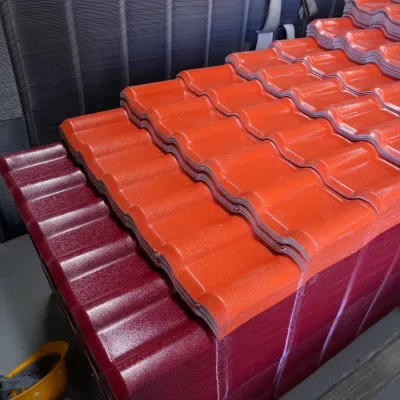
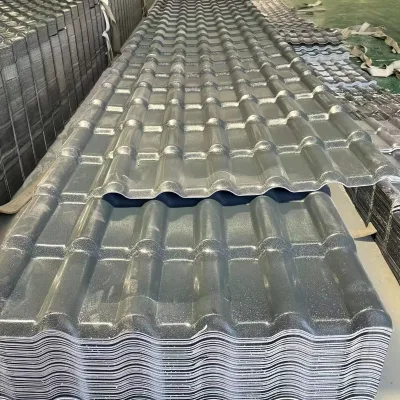
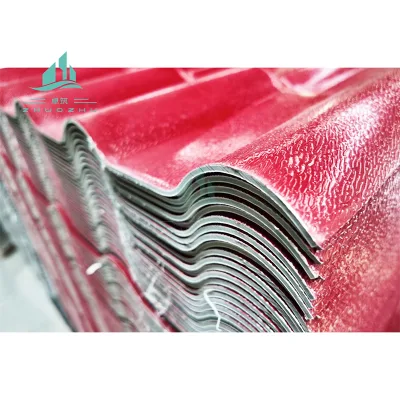
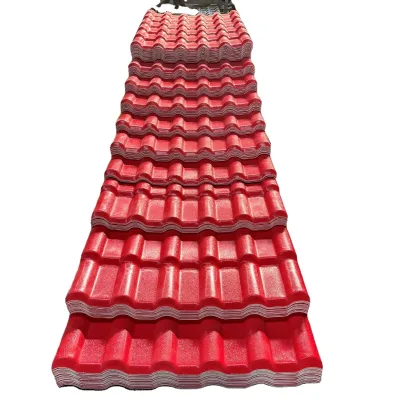
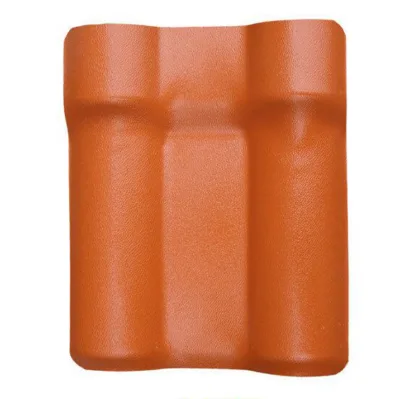

Premium ASA Synthetic Resin Roof Tiles for Ultimate Waterproofing
$2.20 - $5.00
MOQ: 1000 Square Meters

Durable ASA Resin Tiles for Safe and Reliable Building Solutions
$2.20 - $5.00
MOQ: 1000 Square Meters
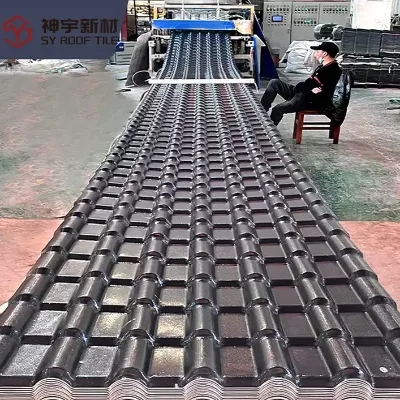
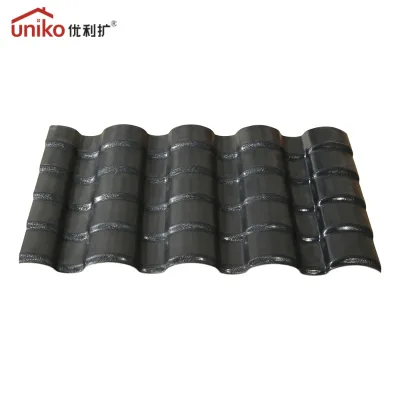
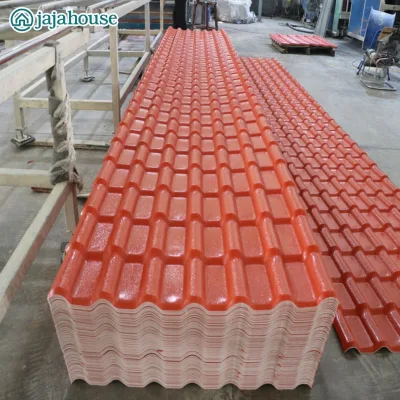
Comprehensive Sourcing Guide
Traditional Waterproof ASA Resin Tiles Sourcing Guide
Procuring Traditional Waterproof ASA Resin Tiles requires careful attention to the specific polymer composition and surface engineering that defines their durability. The supplied data indicates that high-performance variants utilize a synthetic resin base with an ASA surface material, engineered to resist UV degradation and maintain color integrity for 15 to 30 years. Buyers must verify that the listed product explicitly confirms this ASA layer, as generic synthetic resin tiles may lack the necessary weatherability for long-term exterior applications.
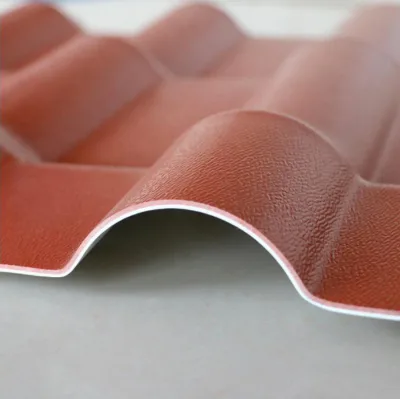
The market offers distinct profiles ranging from arched S tiles to plain roof tiles, catering to diverse architectural styles from contemporary villas to traditional temples. While some listings specify a four-layer structure for enhanced sound insulation and fire resistance, others describe simpler configurations. Sourcing teams should prioritize suppliers who can demonstrate the specific layer composition and confirm that the tile thickness falls within the observed 2.0mm to 3.5mm range to ensure structural rigidity against wind and impact loads.
Product Scope and Observed Listing Signals
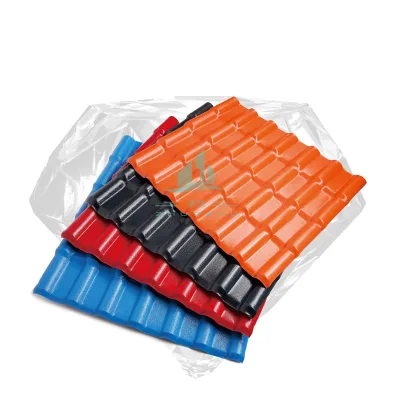
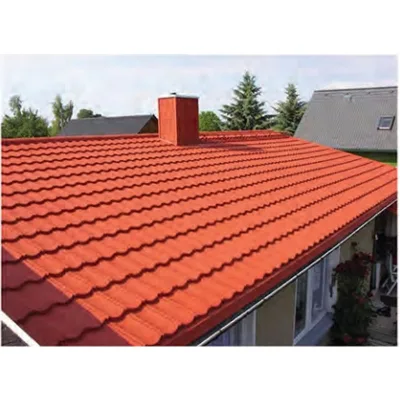
The observed product range includes specific color options such as brick red, dark red, dark green, and gray, which are critical for matching heritage or modern aesthetic requirements. Listings frequently highlight applications for houses, villas, factories, and garden towers, indicating a versatile scope that serves both residential and light commercial sectors. Buyers should scrutinize the "Design Style" attribute to ensure the tile profile aligns with the intended project, whether it requires a traditional arched look or a flat contemporary finish.
Commercial signals in the listings reveal a wide variance in customization capabilities, with some suppliers offering fully customized models while others provide standard SKUs like the JX-B model. The "Selling Units" often appear as single items, yet bulk packing is available according to customer demand, suggesting flexibility in order volume. Procurement teams must clarify whether the "Customized" attribute refers to color matching, dimensional adjustments, or specific surface textures to avoid mismatches between the ordered specification and the delivered product.
Technical Specifications to Verify
Technical verification must begin with the thermal and fire performance metrics, as the data specifies a heat resistance range of -40 to +70 Celsius and a B1 fire protection rating. These figures are essential for regions with extreme temperature fluctuations or strict fire safety codes. Buyers should request independent test reports confirming that the ASA resin surface and the underlying synthetic core meet these specific thermal and flammability thresholds before finalizing any purchase agreement.
Dimensional consistency is another critical verification point, with observed widths of 1.05 meters and thicknesses varying between 2mm and 3mm. The "Length" is often listed as a custom product, requiring precise measurement protocols to ensure seamless installation across large roof areas. Additionally, the "Structure" attribute mentions a four-layer design in some contexts, which buyers should confirm is present if soundless and self-cleaning functions are required for the specific building environment.
Compliance and Safety Documentation
Safety documentation must explicitly address the fire protection classification, as the B1 rating is a specific standard that requires validation through recognized testing laboratories. While the supplied facts mention fireproof features, buyers should not assume compliance without seeing the actual test certificates for the specific batch of tiles being ordered. This is particularly important for projects involving public buildings, hotels, or townhouses where local building codes mandate strict fire safety adherence.
Environmental and durability claims regarding color lasting 15 to 30 years and anti-UV properties also require supporting documentation to be considered valid. The "Warranty" section in some listings mentions periods exceeding five years, but this should be cross-referenced with the manufacturer's specific terms regarding UV degradation and color fading. Procurement teams must ensure that the warranty covers the full duration of the claimed color longevity to protect against premature aesthetic failure.
Cost Drivers and Commercial Terms
Cost drivers in this category are heavily influenced by the thickness of the tile and the complexity of the customization requested. The observed price range of 1.5 to 6.99 USD suggests significant variance based on material density and surface treatment, with thicker options likely commanding higher prices. Buyers should analyze the cost per square meter rather than per unit to accurately compare suppliers, as the "Width" of 1.05 meters affects the total coverage area and material usage efficiency.
Commercial terms regarding delivery and packaging vary significantly, with some suppliers offering a three-day delivery time for one container while others require custom packing arrangements. The "MOQ" range of 1 to 1000 units provides flexibility for small projects but may impact unit pricing for larger orders. Sourcing teams must clarify the "Delivery Time" and "Packing" requirements early in the negotiation to avoid logistical delays, especially when the "Place of Origin" involves shipping from distant regions like Jiangsu or Shandong.
Supplier Qualification and Quality Control
Supplier qualification should focus on their ability to provide online technical support and project solution capabilities, including graphic design services for complex roof layouts. The presence of "OEM Support" and "Customized" options indicates a supplier's capacity to adapt products to specific client needs, which is vital for unique architectural projects. Buyers should verify the supplier's track record in handling custom orders to ensure they can manage the "Craft" of machine-made production without compromising quality.
Quality control processes must be validated through the supplier's adherence to the stated standards, such as the 1050 standard or specific thickness tolerances. The "After-sale Service" attributes, including online technical support, suggest a commitment to post-installation assistance, which is crucial for troubleshooting installation issues. Procurement teams should request a quality assurance plan that details how the supplier maintains consistency in the "Surface Materials" and "Structure" across different production batches.
Long-Term Procurement Checks
Long-term procurement checks should prioritize the shelf life and durability claims, noting that the supplied data mentions a one-year shelf life for the product. This short window requires careful inventory management to ensure tiles are installed before any potential degradation occurs. Buyers must establish a clear timeline between delivery and installation to mitigate risks associated with the "Shelf Life" and ensure the product performs as expected upon deployment.
Future-proofing the procurement strategy involves monitoring the supplier's ability to maintain the "Color Lasting" and "Fire Protection" standards over time. Since the "Warranty" extends beyond five years in some cases, buyers should verify the supplier's financial stability and operational continuity to ensure they can honor long-term commitments. Regular audits of the product's performance in the field will help validate the initial claims regarding heat resistance and waterproofing capabilities.
FAQs
What materials are used for Traditional Waterproof ASA Resin Tiles?
These tiles are primarily made from synthetic resin with an ASA surface layer. This four-layer structure ensures durability and weather resistance. The ASA coating provides excellent color lasting for 15-30 years. The core material offers lightweight properties while maintaining structural integrity for various building applications.
Can these tiles withstand extreme temperature changes?
Yes, they are designed to handle significant thermal variations. The heat resistance rating spans from -40 to +70 Celsius. This wide range ensures performance in both freezing and hot climates. The material remains stable without cracking or warping under such conditions, making them suitable for diverse global environments.
What fire protection rating do these resin tiles have?
These tiles carry a B1 fire protection rating. This classification indicates they are fireproof and meet safety standards for building materials. The ASA surface and synthetic resin core contribute to this resistance. This feature is crucial for protecting houses, villas, and factories from fire hazards.
What thickness options are available for these roof tiles?
Standard thickness options range from 2.0mm to 3.5mm. Some products offer specific models with 2.5mm or 3.0mm thickness. Customized thickness is also available according to customer requirements. This flexibility allows builders to select the appropriate strength and weight for their specific architectural needs.
Where are these traditional resin tiles manufactured?
These tiles are produced in China, specifically in regions like Jiangsu and Shandong. The manufacturing process is machine-made to ensure consistency. Origin details are provided for transparency. Buyers can verify the source to ensure quality control and logistical planning for international shipments.
How long is the delivery time for container orders?
The delivery time is typically three days for one container. This rapid turnaround supports efficient project scheduling. However, lead times may vary based on customization needs. Buyers should confirm specific schedules with suppliers to align with their construction timelines and avoid delays.
What warranty is provided for these waterproof tiles?
A warranty of more than five years is standard. This coverage protects against manufacturing defects and material failures. The long shelf life and durable ASA surface contribute to this guarantee. Buyers receive assurance of product longevity and performance stability for their roofing investments over time.