Source Transmission Synchronizer Ring for Auto Engines, Trucks, and Repairs
Compare 30 verified Transmission Synchronizer Ring options from Chinese manufacturers. Buyers can evaluate specifications, pricing, and MOQs for auto engine parts and heavy-duty truck repairs.
Key considerations
Products List




Comprehensive Sourcing Guide
Strategic Sourcing Guide for Transmission Synchronizer Rings
Understanding Technical Specifications and Component Variability
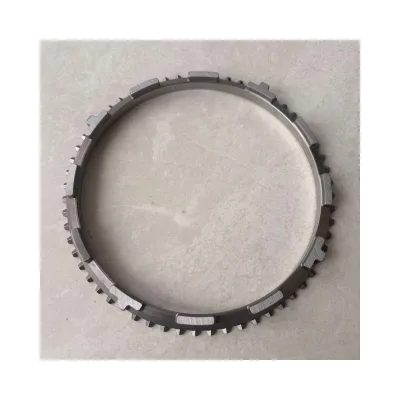
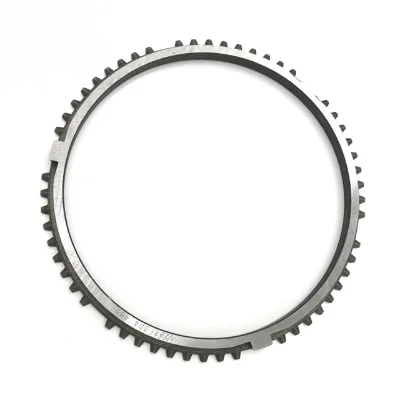
The Transmission Synchronizer Ring is a critical internal component designed to match the rotational speed of gears before engagement, ensuring smooth gear shifts in manual and semi-automatic transmission systems. When sourcing this component, buyers must first recognize that the market does not offer a single universal part. Instead, the product landscape is defined by a diverse array of technical specifications that vary significantly based on the intended vehicle application. The core function remains consistent, but the physical and mechanical attributes are highly specific to the transmission architecture of the target vehicle.
In the current supply chain, observed product attributes indicate a strong emphasis on material composition and dimensional precision. Steel is frequently cited as the primary material for these rings, a choice driven by the need for high tensile strength and durability under extreme friction conditions. The friction properties are particularly vital; sourcing data suggests that effective synchronizer rings operate with a friction coefficient ranging between 0.4 and 0.5, with static friction coefficients potentially spanning from 0.3 to 0.6. These numerical ranges are not arbitrary but are essential for the synchronization process to function without causing gear clash or excessive wear. Buyers must verify that the specific unit they are procuring matches the required friction characteristics for their specific transmission type, whether it is a standard manual setup or a heavy-duty configuration.
Furthermore, the physical dimensions and packaging standards provide immediate clues about the product's intended use and handling requirements. Specifications such as a single package size of 4x3x2 cm and a gross weight of 0.2 kg indicate that these are precision-engineered, compact components. The packaging method, often described as "Neutral Packaging" or "Plastic Uptake," suggests a focus on protecting the delicate friction surfaces during transit without relying on branded retail boxes. This is standard for B2B procurement where the end-user is a repair shop or an assembly line rather than a retail consumer. The presence of specific model numbers, such as SXCJ1515, DZ17, or 1529950, underscores the necessity of exact matching. A mismatch in model number, even by a single digit, can lead to catastrophic transmission failure. Therefore, the initial stage of sourcing must involve a rigorous cross-reference of the OEM part number, such as 1701306m or 1529950, against the supplier's inventory to ensure dimensional and functional compatibility.
Compliance, Certification, and Quality Assurance Protocols
In the automotive aftermarket and replacement parts industry, compliance and certification are not merely administrative hurdles; they are fundamental indicators of product reliability and safety. When evaluating potential suppliers for transmission synchronizer rings, buyers must prioritize vendors who can demonstrate adherence to recognized international standards. The supply data indicates that reputable manufacturers often hold certifications such as RoHS and ISO/TS16949. These certifications are critical because they validate that the production process meets stringent quality management systems specific to the automotive sector. ISO/TS16949, in particular, is a globally recognized standard for automotive quality management, ensuring that the manufacturer has robust controls in place for design, production, and service.
The "High-Quality" and "100% Professional Test" attributes frequently associated with these products suggest that manufacturers employ rigorous internal testing protocols. However, buyers should not rely solely on these marketing descriptors. Instead, the procurement strategy must include a verification step where the buyer requests specific test reports or certification documents that confirm the product's compliance with the stated standards. The classification of the product as a "Friction Clutch" component further emphasizes the need for precise material science validation. The material must withstand high thermal loads, with some specifications noting heat resistance capabilities in the range of 300-400ºC. This thermal stability is crucial because the synchronizer ring generates significant heat during the gear-shifting process. If the material cannot withstand these temperatures, the ring may warp or lose its friction properties, leading to transmission slippage.
Quality assurance also extends to the condition of the product. The market standard for replacement parts is "New," and buyers must ensure that the inventory they receive is free from defects, corrosion, or previous usage. The "High" quality attribute observed in the data is a baseline expectation, but it must be backed by tangible evidence. Buyers should inquire about the manufacturer's quality control procedures, specifically looking for information on how they handle the "100% Professional Test" claim. This might involve inquiries about the specific testing equipment used, the sample sizes tested, and the pass/fail criteria applied. Additionally, the warranty period, often cited as 6 months in the current market, serves as a secondary indicator of the manufacturer's confidence in their product. A supplier willing to offer a warranty demonstrates a commitment to the longevity and performance of their synchronizer rings, providing a layer of protection for the buyer against premature failures.
Cost Drivers and Pricing Dynamics in the Supply Chain
The pricing of transmission synchronizer rings is influenced by a complex interplay of factors, including material costs, manufacturing complexity, order volume, and logistics. The observed price range in the market spans from $0.80 to $300.00 USD, a wide variance that reflects the diversity of the product types available. At the lower end of this spectrum, prices likely correspond to standard, high-volume production parts with minimal customization or specialized material requirements. Conversely, the upper end of the price range may indicate components designed for heavy-duty trucks, specialized applications, or those requiring advanced manufacturing processes to meet strict OEM specifications.
Order volume plays a significant role in determining the final cost per unit. The Minimum Order Quantity (MOQ) observed in the market ranges from 1 to 1000 units. Suppliers offering an MOQ of 1 are typically catering to small repair shops or individual mechanics who need immediate replacements for single vehicles. These units often carry a higher per-piece cost due to the lack of economies of scale. In contrast, buyers who can commit to larger orders, such as the observed MOQ of 10 pieces or higher, may negotiate more favorable pricing. The ability to purchase in bulk allows suppliers to optimize their production runs and reduce logistics costs, savings that are often passed on to the buyer.
Logistics and shipping methods also contribute to the overall cost structure. The available shipping options, including Sea, Air, and Express, offer different trade-offs between speed and expense. Sea freight is generally the most cost-effective option for large, non-urgent orders, while Air and Express services are reserved for urgent replacements or smaller, high-value shipments. The "Delivery Time" of 7-15 days observed in the market suggests a standard lead time for international shipments, but this can vary based on the chosen shipping method and the supplier's location. Buyers must factor these logistics costs into their total procurement budget, as they can significantly impact the final landed cost of the synchronizer rings.
Typical Applications and Vehicle Compatibility
Transmission synchronizer rings are integral to a wide range of vehicle types, from passenger cars to heavy-duty commercial trucks. The application data indicates that these components are used in "Auto Transmission Parts" and "Auto Engine Parts," covering both light and heavy-duty vehicles. The specific model numbers and OEM references found in the market, such as 1269328289 or 1529950, point to compatibility with various transmission systems. Understanding the specific application is crucial for buyers to avoid purchasing incompatible parts that could lead to operational failures.
For passenger vehicles, the synchronizer ring must operate efficiently within the constraints of a standard manual transmission, often utilizing an H-pattern gear shift mechanism. The "Single-Plate" torque converter type mentioned in the data suggests that these rings are designed for specific transmission architectures that require precise synchronization to ensure smooth gear engagement. In heavy-duty truck applications, the requirements are more stringent. The "Heavy Duty Trucks" usage category implies that these rings must withstand higher torque loads and more frequent shifting cycles. The friction coefficients and heat resistance properties observed in the market data are particularly relevant for these applications, where the component is subjected to extreme stress and thermal conditions.
The versatility of the synchronizer ring is further highlighted by its use in "Replace/Repair" scenarios. Whether the vehicle is a standard passenger car or a specialized commercial truck, the primary purpose of the synchronizer ring is to facilitate gear changes by matching speeds. Buyers must carefully analyze the vehicle's transmission type, gear shift mechanism, and OEM specifications to ensure the correct part is selected. The "Synchronizer Ring" keyword is a broad descriptor, but the underlying technical details, such as the stroke type (4 Stroke) and working mode (Electricity Combination), provide further insights into the specific transmission technology the part is designed for. This level of detail is essential for buyers to make informed decisions and ensure the longevity and performance of the vehicle's transmission system.
Supplier Evaluation and Procurement Strategy
Selecting the right supplier for transmission synchronizer rings requires a comprehensive evaluation of their capabilities, reliability, and commitment to quality. The market offers a variety of suppliers, each with different strengths and weaknesses. Buyers should prioritize suppliers who demonstrate transparency in their product attributes, such as clear documentation of material composition, certification status, and testing procedures. The presence of "24 Hours Customer Service" and multiple payment options, including TT, PayPal, Western Union, and Trade Assurance, indicates a supplier's willingness to accommodate diverse buyer needs and provide support throughout the procurement process.
When evaluating suppliers, buyers should look for evidence of a robust quality management system. The "100% Professional Test" claim is a strong indicator, but it must be substantiated by verifiable data. Buyers should request samples or test reports to confirm that the products meet the specified friction coefficients, heat resistance, and dimensional tolerances. Additionally, the "High-Quality" and "High" quality attributes should be backed by a history of reliable performance and positive feedback from other buyers. The warranty period, typically 6 months, is another critical factor. A supplier offering a warranty demonstrates confidence in their product and provides a safety net for the buyer in case of defects.
The location of the supplier is also a relevant consideration. The data indicates that products originate from regions such as Zhejiang and Shandong in China. These regions are known for their manufacturing capabilities and supply chain efficiency. However, buyers should verify the specific location of the supplier to ensure they are dealing with a legitimate manufacturer or authorized distributor. The "Place of Origin" and "Product Origin" details should match the supplier's claims, and buyers should be wary of discrepancies that could indicate counterfeit or substandard products.
Long-Term Procurement Considerations and Risk Management
Sourcing transmission synchronizer rings is not just a one-time transaction; it is an ongoing relationship that requires careful management to ensure long-term success. Buyers should consider the potential risks associated with supply chain disruptions, quality inconsistencies, and market fluctuations. The "Delivery Time" of 7-15 days is a standard expectation, but buyers should have contingency plans in place for delays that may arise due to logistical issues or production bottlenecks. Establishing a reliable supply chain involves building strong relationships with suppliers who can consistently deliver high-quality products on time.
Risk management also involves diversifying the supplier base to mitigate the impact of any single supplier's failure. Relying on a single source for critical components like synchronizer rings can be risky, especially if that supplier faces production issues or quality control problems. By maintaining a network of qualified suppliers, buyers can ensure a steady supply of parts and reduce the likelihood of production stoppages. Additionally, buyers should stay informed about market trends and technological advancements in transmission technology. As vehicles evolve, the requirements for synchronizer rings may change, and buyers must be prepared to adapt their sourcing strategies accordingly.
Finally, the importance of documentation and record-keeping cannot be overstated. Buyers should maintain detailed records of all transactions, including product specifications, test results, and warranty claims. This documentation serves as a valuable resource for troubleshooting issues and ensuring accountability. By adopting a disciplined approach to procurement, buyers can minimize risks and maximize the value of their investments in transmission synchronizer rings. The goal is to build a sustainable supply chain that supports the long-term operational needs of the business while maintaining the highest standards of quality and reliability.
Summary of Key Sourcing Parameters
To facilitate quick reference and decision-making, the following table summarizes the key parameters observed in the current market for transmission synchronizer rings. This overview highlights the critical attributes that buyers should verify during the sourcing process.
| Parameter | Observed Range/Value | Verification Requirement |
|---|---|---|
| Material | Steel | Confirm material grade and composition. |
| Friction Coefficient | 0.4-0.5 (Dynamic), 0.3-0.6 (Static) | Verify specific values for application. |
| Heat Resistance | 300-400ºC | Ensure thermal stability for intended use. |
| Certification | RoHS, ISO/TS16949 | Request valid certification documents. |
| Warranty | 6 Months | Confirm warranty terms and conditions. |
| MOQ | 1 - 1000 Units | Negotiate based on order volume. |
| Lead Time | 7-15 Days | Plan logistics and inventory accordingly. |
| Packaging | Neutral, Plastic Uptake | Ensure protection during transit. |
| Condition | New | Inspect for defects upon receipt. |
| Payment | TT, PayPal, Western Union, Trade Assurance | Use secure payment methods. |
By adhering to these guidelines and maintaining a rigorous approach to verification, buyers can successfully navigate the complex landscape of Transmission Synchronizer Ring procurement, ensuring they acquire high-quality components that meet their specific operational needs.
FAQs
What material is used for transmission synchronizer rings?
Steel is the primary material used for these rings to ensure high tensile strength and durability. This choice supports the component's need to withstand extreme friction conditions during gear synchronization.
Which certifications should I look for in a supplier?
Reputable suppliers often hold RoHS and ISO/TS16949 certifications for automotive quality management. These standards validate that the production process meets stringent safety and reliability requirements for friction clutch components.
How long is the typical delivery time for these parts?
The standard delivery time observed in the market ranges from 7 to 15 days. This lead time applies to international shipments and may vary depending on the chosen shipping method like sea or air express.
Can I order a single unit of this component?
Yes, some suppliers offer a minimum order quantity of just one piece for individual repair needs. However, larger orders often start at 10 pieces, which may provide better pricing due to economies of scale.
What is the warranty period for new synchronizer rings?
The standard warranty period for these new components is typically 6 months. This warranty serves as an indicator of the manufacturer's confidence in the product's longevity and performance under normal operating conditions.
Which friction coefficient range is optimal for heavy duty trucks?
Effective rings for heavy duty applications often operate with a friction coefficient between 0.4 and 0.5. Static friction coefficients may range from 0.3 to 0.6 to ensure smooth gear engagement without excessive wear.
What packaging methods are commonly used for shipping?
Products are typically shipped in neutral packaging or plastic uptake to protect delicate surfaces. This method focuses on safeguarding the component during transit without relying on branded retail boxes for B2B buyers.