Source Transmission Overhaul Kit for Vehicles, Machinery, and Industrial Components
Find and compare 30 Transmission Overhaul Kit options for automatic transmission parts, including models like TF60sn and 5hp19. Evaluate specifications, customization availability, and packaging details to identify suitable industrial components for your specific application needs.
Key considerations
Products List


Quality 6t35 6t35e 6t30 6t30e Auto Transmission Automotive Parts Overhaul Kit
$128.00 - $132.00
MOQ: 3 Pieces


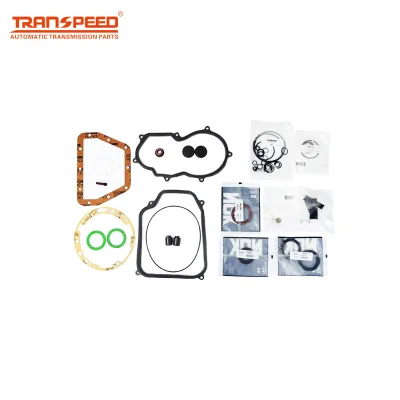
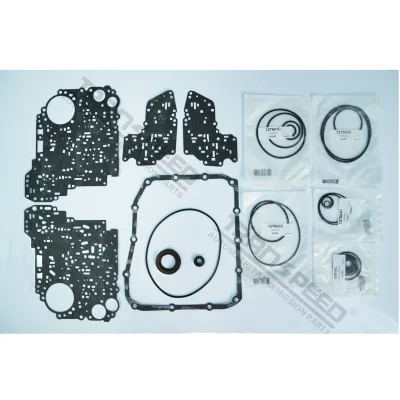
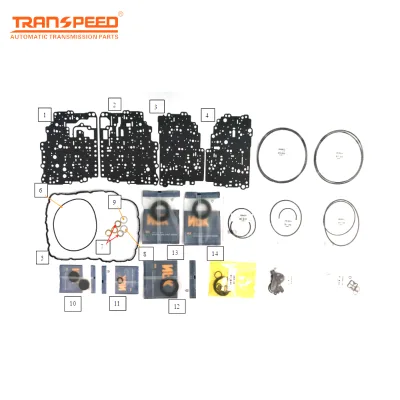


U250e U251e Transmission Rebuild Kit - Clutch Plates & Overhaul Seal Kit
$116.00 - $118.00
MOQ: 1 Pieces


9t50 Automatic Transmission Master Rebuild Kit for 9-Speed Gearbox Overhaul
$245.00 - $248.00
MOQ: 1 Pieces


Comprehensive Sourcing Guide
Transmission Overhaul Kit Sourcing Guide
Procuring a Transmission Overhaul Kit requires a precise alignment between the specific transmission model and the kit's internal components, as these assemblies are not universally interchangeable. The market offers specialized kits designed for distinct transmission families, such as the TF60sn, A6GF1, and 5HP19 series, each requiring unique gasket interfaces and piston configurations. Buyers must verify that the kit's reference numbers, such as A760e or T13902b, match the original equipment manufacturer (OEM) codes of their specific vehicle or machinery to ensure proper fitment and function.
The sourcing landscape for these components spans various industrial applications, including automotive, heavy machinery, and general industrial equipment. While some listings highlight specific OE codes like 09g or 6t30e, others focus on broader categories like automatic transmission parts or specific overhaul types like the 722.6 series. Understanding the distinction between a complete overhaul kit and partial rebuild components is critical, as the former typically includes all necessary seals, gaskets, and friction materials required to restore a transmission to factory specifications.
Product Scope and Observed Listing Signals
When evaluating product listings, buyers should look for explicit references to the transmission model and the specific overhaul type, such as the 722.5 or 724.0 designations, which indicate the intended application. The observed product data reveals a wide range of customization options, with many suppliers offering custom packing and tailored specifications to meet diverse logistical needs. It is essential to distinguish between standard neutral packaging and customized branding, as this affects both the perceived value and the suitability for resale or internal fleet maintenance.
The physical attributes of the kits, including cross-section shapes like drum circles and material compositions such as aluminum alloy or steel, serve as key indicators of quality and durability. Listings often specify the condition as "New" and detail the technical production methods, such as forging, which can influence the longevity of critical components like pistons. Buyers must scrutinize these details to ensure the materials and manufacturing techniques align with the high-stress environment of automatic transmission systems, rather than relying solely on the product name or generic descriptions.
Technical Specifications to Verify
Verification of the transmission model is the primary technical requirement, as kits are often engineered for specific gearboxes like the A343E, A343F, or 6t30/6t35 series. The provided data indicates that specifications can vary significantly, with some kits designed for the A760E model while others target the 5hp19 or T21200A configurations. Buyers must cross-reference the listed transmission models against their own inventory to prevent the procurement of incompatible parts that could lead to transmission failure or costly rework.
Beyond the model number, the gasket interface and standard component definitions are critical for ensuring a leak-free and mechanically sound rebuild. The data highlights specific interface requirements and standard component classifications, which must match the original design tolerances of the transmission housing. Additionally, the presence of specific OE codes, such as T07300c or T21002A, serves as a secondary verification layer to confirm that the kit includes the correct seals and hardware for the specific transmission variant being serviced.
Compliance and Safety Documentation
Reliable suppliers in this sector typically provide documentation confirming adherence to international management system standards, such as ISO 9000 and ISO 14001, which indicate a commitment to quality and environmental responsibility. The observed product attributes include certifications like OHSAS/Ohsms 1800 and TSCE/ISOCCC, suggesting that the manufacturing processes meet specific occupational health and safety requirements. Buyers should request current certification copies to verify that the supplier maintains these standards consistently, rather than relying on static claims found in product descriptions.
Safety and compliance also extend to the materials used in the kit, such as the aluminum alloy and steel components mentioned in the specifications. These materials must meet industry standards for strength and thermal resistance to withstand the operational stresses of automatic transmissions. While specific test results are not provided in the general listing data, the presence of standardized certifications implies that the materials have undergone rigorous quality control checks to ensure they meet the necessary performance benchmarks for automotive and industrial applications.
Cost Drivers and Commercial Terms
The pricing for transmission overhaul kits is influenced by the complexity of the transmission model, the quality of materials used, and the level of customization required for packing and branding. The observed market data shows a significant price variance, ranging from $1 to $510, which reflects differences in kit completeness, component quality, and the specific transmission technology involved. Buyers should analyze the cost per unit in the context of the kit's contents, ensuring that lower prices do not compromise the inclusion of essential gaskets or high-grade pistons.
Commercial terms, including minimum order quantities (MOQ) and payment structures, vary widely among suppliers, with MOQs ranging from 1 set to 1000 sets. The standard payment terms observed include a 30% deposit followed by a 70% balance upon delivery, a structure that balances risk for both the buyer and the supplier. Lead times are also a critical cost driver, with some suppliers offering rapid delivery windows of 3-7 days, while others may have longer production cycles depending on the customization level and stock availability of specific OE codes.
Supplier Qualification and Quality Control
Supplier qualification should be based on a combination of geographic origin, production capabilities, and adherence to established quality standards. The data indicates that suppliers are located in key manufacturing hubs such as Xingtai, Shandong, and China, regions known for their automotive parts production. Buyers should verify the supplier's ability to produce custom models and their experience with specific transmission families like the TF60sn or A6GF1 to ensure they possess the technical expertise required for high-precision overhaul kits.
Quality control processes are often evidenced by the supplier's certifications and their ability to provide standardized components. The presence of ISO certifications and specific technical standards suggests a structured approach to manufacturing, but buyers should also inquire about internal testing protocols for critical components like pistons and gaskets. Ensuring that the supplier can consistently deliver products that meet the specified standards, such as the 0722.5 or 30X30X10 cm packaging requirements, is essential for maintaining the reliability of the final transmission assembly.
Long-Term Procurement Checks
Establishing a long-term procurement relationship requires regular audits of the supplier's ability to maintain consistent quality and delivery performance over time. Buyers should monitor the supplier's adherence to the agreed-upon standards, such as the 45.22X25X10Cm specifications or the specific OE codes provided, to ensure that product consistency does not degrade as order volumes increase. Continuous verification of the supplier's certifications and their ability to meet changing market demands is necessary to mitigate the risk of supply chain disruptions.
Finally, buyers must assess the supplier's logistical capabilities, including their transport options via sea, land, and air, and their ability to handle customized packing requirements. The flexibility to adapt to different shipping methods and packaging needs is crucial for managing inventory levels and responding to urgent maintenance requirements. By maintaining a proactive approach to supplier evaluation and performance tracking, organizations can ensure a steady supply of high-quality transmission overhaul kits that support their operational efficiency and vehicle reliability.
FAQs
What is included in a Transmission Overhaul Kit?
A Transmission Overhaul Kit typically includes essential gaskets, seals, and interface components required for a complete rebuild. These kits are designed to replace worn parts in automatic transmissions, ensuring proper sealing and functionality. Specific contents vary by model, such as the TF60sn or A6GF1, and may include custom packing options to suit different supplier standards.
Which transmission models are compatible with these kits?
These kits are compatible with various automatic transmission models, including TF60sn, A6GF1, 5hp19, and 6t30/6t35. They also support models like A760E and A343E/F. Each kit is tailored to specific OE codes and transmission types, ensuring precise fitment for overhaul and rebuild processes in industrial and vehicle applications.
Can I customize the packaging for bulk orders?
Yes, customization is available for packaging to meet specific logistical or branding needs. Options include neutral boxes, color packaging, or custom designs. This flexibility allows buyers to align packaging with their distribution requirements while maintaining the integrity of the transmission overhaul components during sea, land, or air transport.
What certifications do the manufacturers hold?
Manufacturers typically hold ISO 9000, ISO 14001, and OHSAS 1800 certifications, ensuring quality and safety standards. Some suppliers may also possess TSCE or ISOCCC credentials. These certifications verify that the production processes for transmission parts, such as aluminum alloy pistons or steel components, adhere to recognized international quality management systems.
What is the typical lead time for delivery?
The typical delivery time ranges from 3 to 7 days for standard orders. This rapid turnaround supports efficient supply chain management for industrial and vehicle maintenance needs. Buyers should confirm specific lead times with suppliers, as factors like customization, MOQ, and shipping method may influence the final delivery schedule.
What is the minimum order quantity for these kits?
The minimum order quantity (MOQ) can start as low as 1 set, allowing for flexible purchasing. However, some suppliers may require up to 1000 sets for certain configurations or customizations. This range accommodates both small-scale repairs and large-scale industrial procurement needs for transmission overhaul components.