Source Transparent Fishing Line for Sea, River, and Ocean Boat Fishing
Compare 30 Transparent Fishing Line options from Chinese manufacturers, featuring nylon and PE materials with customizable lengths and line numbers. Buyers can evaluate specifications for sea, river, and ocean boat fishing applications.
Key considerations
Products List


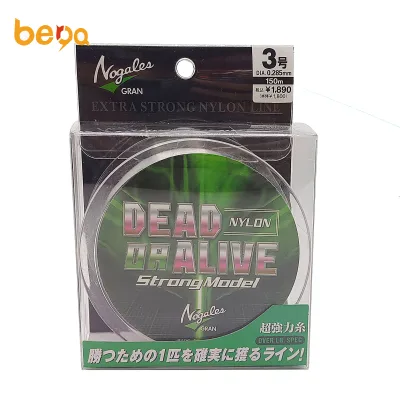
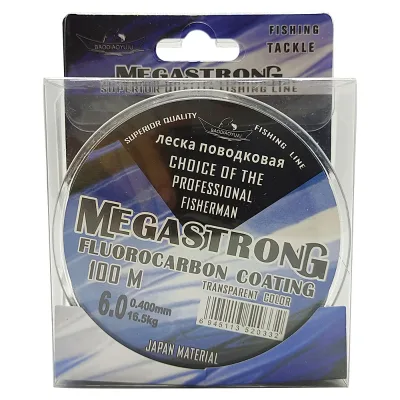

High Abrasion Resistant Fishing Wire Transparent Fluorocarbon Fishing Lines
$12.77 - $15.32
MOQ: 100 Pieces


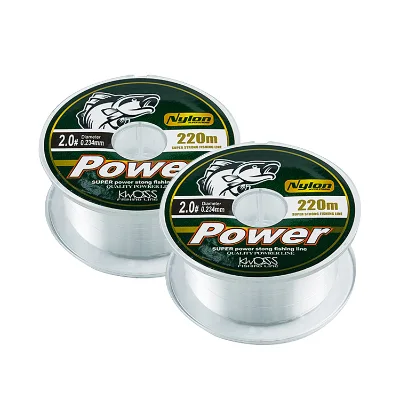


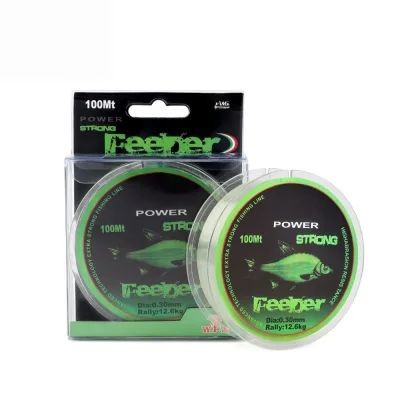
Comprehensive Sourcing Guide
Strategic Sourcing Guide for Transparent Fishing Line Procurement
The global market for Transparent Fishing Line represents a critical segment within the broader fishing tackle industry, driven by the demand for low-visibility gear that enhances catch rates in clear water conditions. For B2B procurement professionals, sourcing this specific category requires a nuanced understanding of material science, manufacturing standards, and supply chain logistics. The core keyword "Transparent Fishing Line" encompasses a diverse array of products, ranging from monofilament nylon lines to high-performance braided PE lines, each serving distinct fishing environments. This guide synthesizes available product data and industry knowledge to provide a structured framework for evaluating suppliers, verifying technical specifications, and ensuring long-term supply chain stability.
Technical Specifications and Material Composition
The primary differentiator for transparent fishing lines lies in their material composition and physical properties. Based on observed product attributes, the market offers lines primarily constructed from Nylon and PE (Polyethylene). Nylon lines are traditionally valued for their stretch and knot strength, making them suitable for general freshwater and saltwater applications. In contrast, PE lines, often braided, offer superior tensile strength and minimal stretch, which is critical for deep-sea fishing or targeting large species.
Buyers must scrutinize the diameter and line number specifications, as these directly correlate with the line's breaking strength and visibility. The observed data indicates a wide range of available models, with diameter specifications spanning from 0.06mm to 1.10mm. Line numbers vary significantly across suppliers, with lists including values such as 0.3, 0.4, 0.5, 1.0, 1.5, 2.0, up to 30.0, and even percentage-based strength indicators like 60%, 70%, and 80%. This variability necessitates a rigorous verification process to ensure the selected line number matches the intended fishing scenario.
Furthermore, the physical shape of the line is a critical specification. While some products are listed with a "Level" shape, others are categorized as "Weight Forward," indicating different buoyancy characteristics and casting profiles. The "Floating Line" attribute suggests specific applications where surface presentation is paramount. Buyers should verify whether the transparent line maintains its clarity over time, as UV exposure can degrade transparency and strength. The observed "Color" attributes range from "Transparent" to "Multi Color," requiring clear communication with suppliers to ensure the final product meets the visual requirements of the target market.
Compliance, Certification, and Standard Verification
In the B2B procurement of fishing tackle, compliance with international standards is often a prerequisite for market access, particularly in regions with strict environmental or safety regulations. While specific certification bodies were not explicitly detailed in the provided product data, the existence of standardized product codes and dimensions implies a level of manufacturing consistency. The observed "prod_standard" values often mirror the model numbers (e.g., 0.8/1.0/1.2), suggesting that manufacturers may use their internal model numbering systems as de facto standards for diameter and strength classification.
Buyers must verify if the supplier adheres to recognized international fishing line standards, such as ISO standards for tensile strength testing or specific regional environmental regulations regarding plastic waste. The "prod_origin" data indicates that a significant portion of these products originate from China, with specific mentions of Shenzhen and Zhejiang as production hubs. Sourcing from these regions requires due diligence regarding the supplier's adherence to export compliance, including REACH regulations for chemicals in Europe or EPA guidelines in the United States.
Additionally, the "Whether to Print The Brand" attribute indicates that customization is available. This implies that suppliers must have the capacity to produce private-label goods without compromising on the structural integrity of the line. Buyers should request documentation confirming that the printing inks and adhesives used do not contain prohibited substances. The "Pack" attribute, listed as "According to Your Needs" or "Carton," further suggests that packaging standards must be agreed upon to ensure the product arrives in optimal condition, free from damage or moisture ingress which could affect the nylon or PE fibers.
Cost Drivers and Pricing Dynamics
The pricing of transparent fishing lines is influenced by a complex interplay of material costs, production volume, and customization requirements. The observed price range in the market spans from $0.01 to $110.36 USD, a vast disparity that reflects differences in line length, diameter, material quality, and packaging. Lower-priced items typically correspond to shorter lengths (e.g., 50m) or smaller diameters, while higher prices may reflect bulk packaging, specialized coatings, or longer lengths (up to 5000m).
The Minimum Order Quantity (MOQ) is another significant cost driver. The observed MOQ range is between 2 and 30,000 units. Suppliers with higher MOQs often offer lower per-unit costs, which is advantageous for large-scale retailers. However, for buyers with smaller inventory needs, the higher per-unit cost associated with low MOQs must be factored into the total cost of ownership. The "Selling Units" attribute, often listed as "Single item," suggests that some suppliers cater to small batch orders, while others operate on a bulk wholesale model.
Customization costs also play a role. The availability of customization for branding and packaging adds a layer of complexity to the pricing structure. Buyers should anticipate that custom printing and specialized packaging (e.g., "Paper Cartons" vs. "OPP bag") will incur additional fees. Furthermore, the "Pulling Force" range of 1.8kg to 77.1kg indicates that higher strength lines, which require more material and advanced manufacturing techniques, will command a premium price.
Typical Applications and Market Segmentation
Transparent fishing lines serve a variety of applications, dictated by the specific fishing environment and target species. The "Position" attribute highlights a broad spectrum of use cases, including "STREAM, River, Lake, Ocean Beach Fishing, Ocean Boat Fishing, Reservoir Pond, Ocean Rock Fshing." This diversity requires buyers to categorize their inventory carefully to match customer needs.
For freshwater applications in rivers and lakes, "Level" shaped lines with moderate diameters (e.g., 0.8mm to 2.0mm) are often preferred for their versatility and ease of handling. In contrast, ocean boat fishing and deep-sea applications may require "Weight Forward" lines with higher breaking strengths (e.g., 20.0 to 30.0 line numbers) to withstand the pressure and weight of heavy lures. The "Material:Nylon" specification is particularly relevant for freshwater and inshore saltwater fishing, where the line's stretch helps absorb the shock of a fighting fish. Conversely, "Material:PE" lines are ideal for offshore scenarios where sensitivity and strength are paramount.
The "Category" attribute, listing "Tippet, Mainline," further segments the market. Tippet lines, typically used for fly fishing, require extreme transparency and fine diameters (e.g., 0.06mm to 0.4mm). Mainlines, used for spinning and baitcasting, prioritize strength and abrasion resistance. Buyers must ensure their product mix aligns with the specific demands of their target customer base, whether they are supplying tackle shops, professional anglers, or commercial fishing operations.
Supplier Evaluation and Quality Control
Evaluating suppliers for transparent fishing lines requires a multi-faceted approach that goes beyond price and MOQ. The "prod_packing" attributes, ranging from "Carton" to "Paper Cartons" and "OPP bag & plastic case," indicate varying levels of packaging quality. High-quality packaging is essential to protect the line from UV degradation and physical damage during transit. Buyers should request samples to assess the packaging integrity and the clarity of the line upon unboxing.
Quality control should focus on the consistency of the line diameter and tensile strength. The "Diameter" specification of 0.06mm-1.10mm suggests a wide range of precision required in manufacturing. Buyers should verify that the supplier has a robust quality assurance process to ensure that the actual diameter matches the stated specifications within acceptable tolerances. Inconsistent diameters can lead to uneven casting and reduced line strength.
The "Single gross weight" of 0.1 kg and "Single package size" of 20X15X5 cm provide benchmarks for logistics planning. Buyers should compare these metrics across potential suppliers to optimize shipping costs. Additionally, the "Ships From: china" attribute highlights the importance of verifying the supplier's logistics capabilities. Reliable suppliers should provide clear lead times and tracking information to ensure timely delivery.
Long-Term Procurement Considerations
Sourcing transparent fishing lines is not a one-time transaction but a long-term partnership that requires strategic planning. The "Customization: Available" attribute suggests that suppliers are willing to adapt to changing market trends, such as new line colors or specialized coatings. Buyers should establish clear communication channels to discuss future product developments and potential design changes.
Sustainability is an emerging consideration in the fishing tackle industry. While the provided data does not explicitly mention eco-friendly materials, buyers should inquire about the recyclability of the packaging and the environmental impact of the manufacturing process. The "Place of Origin: Zhejiang, China" and "Shenzhen" locations indicate that buyers should be aware of the environmental regulations in these regions and ensure that suppliers are compliant with local and international environmental standards.
Finally, the "Length(m): 50M-5000M, customizable" attribute highlights the flexibility of the supply chain. Buyers should leverage this flexibility to offer a range of product options to their customers, from short spools for casual anglers to bulk rolls for commercial operations. By maintaining a diverse inventory and fostering strong relationships with reliable suppliers, buyers can ensure a steady supply of high-quality transparent fishing lines that meet the evolving needs of the global market.
Summary of Key Specifications and Attributes
To facilitate quick reference during the sourcing process, the following table summarizes the critical attributes observed in the market data. This comparison aids in aligning supplier offerings with specific procurement requirements.
| Attribute Category | Observed Values / Ranges | Procurement Verification Point |
|---|---|---|
| Material | Nylon, PE | Verify material purity and source of raw fibers. |
| Diameter | 0.06mm - 1.10mm | Check tolerance levels against stated specs. |
| Line Number | 0.1 to 30.0, plus % indicators | Confirm correlation between number and breaking strength. |
| Shape | Level, Weight Forward | Ensure shape matches intended fishing technique. |
| Buoyancy | Floating Line | Verify buoyancy claims for surface fishing applications. |
| Length | 50m - 5000m (Customizable) | Confirm minimum order lengths and customization lead times. |
| Packaging | Carton, Paper Carton, OPP Bag | Assess packaging durability and branding capabilities. |
| Origin | China (Shenzhen, Zhejiang) | Verify export compliance and logistics reliability. |
| MOQ | 2 - 30,000 units | Align order volume with inventory turnover rates. |
| Price Range | $0.01 - $110.36 USD | Calculate total landed cost including shipping and duties. |
By adhering to these guidelines and maintaining a rigorous focus on technical specifications and supplier reliability, B2B buyers can effectively navigate the complex landscape of Transparent Fishing Line procurement. This approach ensures the acquisition of high-quality products that meet the demands of anglers worldwide while minimizing supply chain risks.
FAQs
What materials are used for transparent fishing lines?
Transparent fishing lines are primarily constructed from Nylon or PE materials. Nylon offers stretch and knot strength for general use, while PE provides superior tensile strength for deep-sea applications. Buyers should verify the specific material composition to match their intended fishing environment.
Which diameter specifications are available for these lines?
Available diameter specifications range from 0.06mm to 1.10mm across various models. Specific line numbers include 0.3, 0.4, 0.5, up to 30.0, with some products listing percentage-based strength indicators. Selecting the correct diameter is critical for matching the target species and fishing conditions.
Can suppliers customize the branding and packaging?
Yes, customization for branding and packaging is available for these products. Suppliers can print logos and use various packing types like cartons or OPP bags according to buyer needs. This allows retailers to create private-label products without compromising the structural integrity of the line.
What is the minimum order quantity for transparent lines?
The minimum order quantity varies significantly, ranging from 2 to 30,000 units depending on the supplier. Some vendors offer an MOQ of 100 pieces for specific items. Buyers should negotiate based on their inventory needs, as higher volumes often result in lower per-unit costs.
Where are these fishing lines typically manufactured?
These products are primarily manufactured in China, with specific production hubs in Shenzhen and Zhejiang. The origin location influences logistics and export compliance. Buyers should verify the specific place of origin to ensure alignment with their supply chain requirements and regional regulations.
How does the line shape affect its performance?
The line shape is available in Level or Weight Forward configurations, affecting buoyancy and casting. Level lines are suitable for general freshwater use, while Weight Forward lines are designed for specific casting profiles. The Floating Line attribute also indicates suitability for surface presentation applications.
What is the price range for these fishing lines?
The observed price range spans from 0.01 to 110.36 USD per unit. Pricing depends on factors like length, diameter, material quality, and packaging. Shorter lengths or smaller diameters typically cost less, while bulk packaging and specialized coatings may increase the final price.